Types Of Compressor In Air Conditioner

The compressor is the heart of any air conditioning system. Its primary function is to compress refrigerant, which raises its temperature and pressure, enabling the refrigerant to effectively absorb and release heat as it cycles through the air conditioning system. Understanding the different types of compressors is crucial for homeowners selecting a new system, technicians diagnosing problems, and facility managers optimizing energy efficiency.
Reciprocating Compressors: The Workhorse
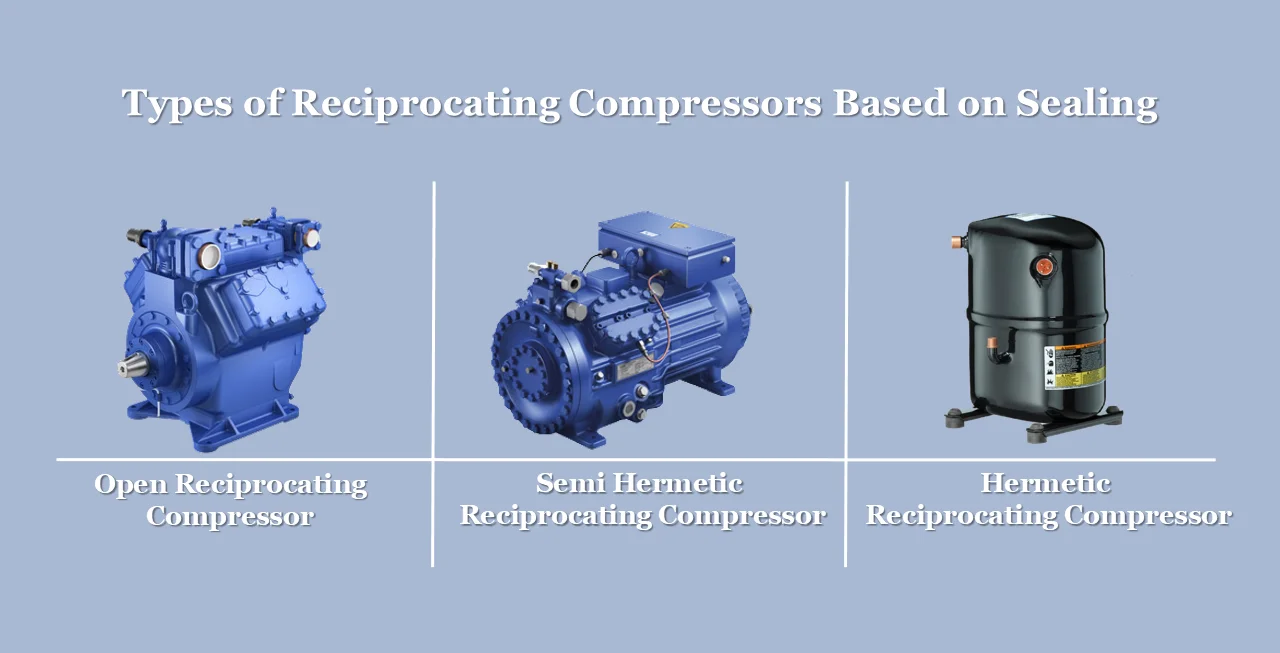
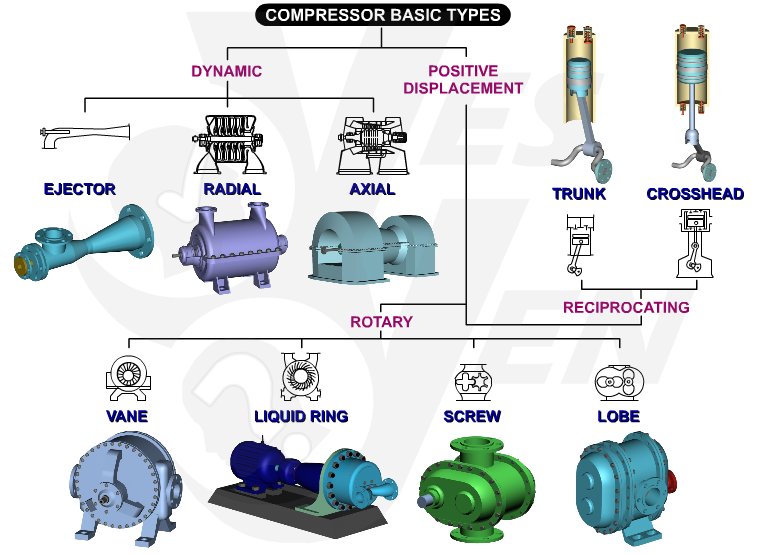
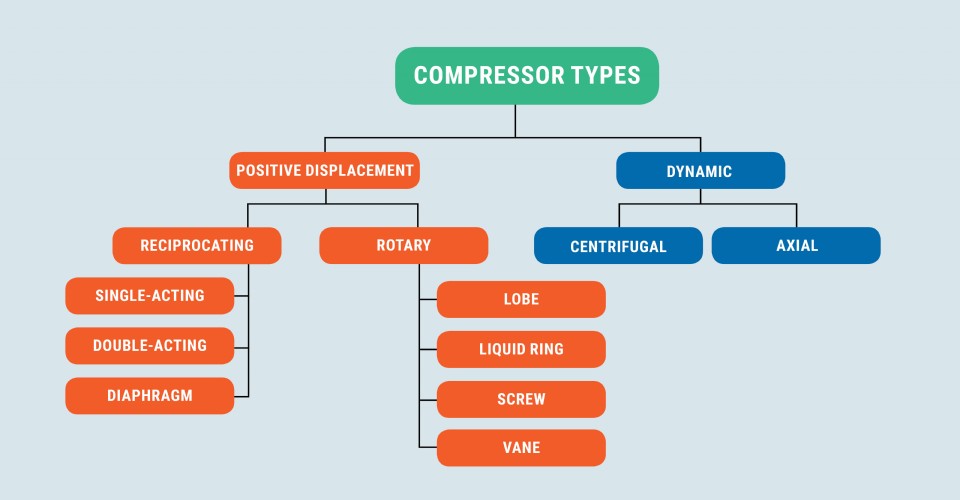
Reciprocating compressors, sometimes referred to as piston compressors, are among the oldest and most common types. They operate using a piston inside a cylinder, much like a car engine. As the piston moves up and down, it compresses the refrigerant. This process is intermittent, drawing in refrigerant during the intake stroke and compressing it during the compression stroke.
How They Work
Reciprocating compressors use a crankshaft driven by an electric motor to move a piston. Valves control the flow of refrigerant into and out of the cylinder. When the piston moves down, it creates a vacuum that opens the intake valve, allowing refrigerant to enter. As the piston moves up, it compresses the refrigerant, closing the intake valve and opening the discharge valve, forcing the high-pressure refrigerant out.
Advantages
- Cost-effective: Reciprocating compressors are generally less expensive to manufacture and purchase than other types.
- Widely available: Due to their long history, replacement parts are readily available and technicians are familiar with their repair.
- High compression ratios: They can achieve high compression ratios, making them suitable for systems needing to operate under demanding conditions.
Disadvantages
- Noisy: The reciprocating motion and the valves opening and closing can generate significant noise.
- Vibration: The intermittent compression creates vibrations that can lead to wear and tear.
- Lower efficiency: Compared to scroll or rotary compressors, reciprocating compressors are typically less energy-efficient.
Applications
Reciprocating compressors are commonly found in older residential air conditioning systems, window units, and smaller commercial applications. While they are being phased out in favor of more efficient options for larger systems, they remain a viable option for budget-conscious homeowners and smaller applications.
Rotary Compressors: Smooth Operation
Rotary compressors offer a smoother, more efficient alternative to reciprocating compressors. They come in two main types: rotary vane and rotary screw.
Rotary Vane Compressors
Rotary vane compressors use a rotating rotor with vanes that slide in and out. As the rotor turns, the vanes create chambers that trap and compress the refrigerant. The compressed refrigerant is then discharged.
Advantages:
- Quieter operation: They are typically quieter than reciprocating compressors due to the smoother rotating motion.
- More efficient: They offer improved energy efficiency compared to reciprocating compressors.
- Compact size: Rotary vane compressors are generally smaller and more compact.
Disadvantages:
- Complex design: The intricate design can make repairs more challenging.
- Sensitivity to liquid refrigerant: Liquid refrigerant entering the compressor can damage the vanes.
Rotary Screw Compressors
Rotary screw compressors use two intermeshing screws to compress the refrigerant. As the screws rotate, they trap the refrigerant and reduce its volume, increasing its pressure. These compressors are positive-displacement machines, offering efficient performance.
Advantages:
- High efficiency: Screw compressors offer high energy efficiency, particularly at full load.
- Reliable: They are known for their reliability and long lifespan.
- Capacity control: Many screw compressors offer capacity control, allowing them to adjust their output to match the cooling demand.
Disadvantages:
- Higher initial cost: Screw compressors are typically more expensive than other types.
- Complex maintenance: Their complex design requires specialized maintenance.
Applications
Rotary vane compressors are often used in smaller air conditioning systems and heat pumps. Rotary screw compressors are commonly found in large commercial and industrial applications, such as chillers and process cooling systems. For example, a large office building might use a chiller with screw compressors to provide chilled water for air conditioning.
Scroll Compressors: Efficiency and Reliability
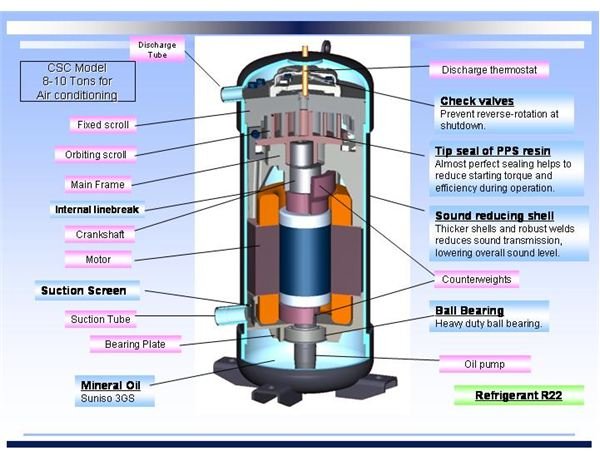
Scroll compressors have become increasingly popular in residential and commercial air conditioning systems due to their efficiency and reliability. They use two interleaving scrolls, one fixed and one orbiting, to compress the refrigerant.
How They Work
As the orbiting scroll moves around the fixed scroll, it traps refrigerant in progressively smaller pockets, compressing it. The compressed refrigerant is then discharged from the center of the scroll set. This continuous compression process is smooth and efficient.
Advantages
- High efficiency: Scroll compressors are among the most energy-efficient types available.
- Quiet operation: They operate very quietly due to the smooth, continuous compression process.
- Reliable: With fewer moving parts than reciprocating compressors, they are more reliable and have a longer lifespan.
- Compact size: They are relatively compact for their capacity.
Disadvantages
- Higher cost: Scroll compressors are generally more expensive than reciprocating compressors.
- Sensitivity to liquid refrigerant: Like rotary compressors, they are susceptible to damage from liquid refrigerant.
Applications
Scroll compressors are widely used in modern residential air conditioning systems, heat pumps, and smaller commercial units. Their efficiency and reliability make them an excellent choice for homeowners and businesses looking to reduce energy consumption and maintenance costs. For instance, many high-efficiency central air conditioners now use scroll compressors.
Centrifugal Compressors: High-Volume Cooling
Centrifugal compressors are designed for large-scale cooling applications. They use a rotating impeller to accelerate refrigerant, converting kinetic energy into pressure. These compressors are commonly used in chillers for large commercial and industrial buildings.
How They Work
The refrigerant enters the compressor near the center of the impeller and is thrown outward by centrifugal force. As the refrigerant moves outward, its velocity increases, and then it passes through a diffuser, where the velocity is converted into pressure.
Advantages
- High capacity: Centrifugal compressors can handle very large volumes of refrigerant.
- Efficient at full load: They are highly efficient when operating at or near their design capacity.
- Reliable: They are known for their reliability in large-scale applications.
Disadvantages
- Not efficient at partial load: Efficiency drops significantly at partial load conditions.
- Complex design: Centrifugal compressors have a complex design that requires specialized maintenance.
- High initial cost: They are the most expensive type of compressor.
Applications
Centrifugal compressors are primarily used in large chillers for commercial and industrial applications, such as office buildings, hospitals, and manufacturing plants. These chillers provide chilled water for air conditioning and process cooling. An example would be a data center requiring consistent, large-scale cooling.
Choosing the Right Compressor
Selecting the right compressor depends on several factors, including the size and type of air conditioning system, budget, energy efficiency requirements, and noise considerations. Here's a summary to guide your decision:
- Homeowners: Scroll compressors offer the best balance of efficiency, reliability, and noise reduction for residential air conditioning systems. Consider rotary compressors as a budget friendly alternative.
- HVAC Technicians: Understanding the specific characteristics of each compressor type is crucial for accurate diagnostics and repairs. Familiarity with manufacturer specifications and best practices is essential.
- Facility Managers: Centrifugal and screw compressors are common in large commercial and industrial chillers. Optimizing their operation and maintenance is critical for energy efficiency and cost savings.
SEER (Seasonal Energy Efficiency Ratio) and HSPF (Heating Seasonal Performance Factor) ratings can help you compare the energy efficiency of different air conditioning systems. A higher SEER rating indicates greater energy efficiency during cooling, while a higher HSPF rating indicates greater energy efficiency during heating.
By understanding the different types of compressors and their applications, homeowners, technicians, and facility managers can make informed decisions about selecting, maintaining, and optimizing air conditioning systems for maximum performance and energy savings. Remember to consult with a qualified HVAC professional for personalized advice and installation services.