Types Of Heating And Cooling Systems
Imagine this: It's the dead of winter, you're snuggled under a blanket, and then... the house starts getting colder. Your furnace has decided to take a vacation without your permission. Or, picture a sweltering summer day, and your AC unit is blowing out nothing but warm air. Dealing with a malfunctioning heating or cooling system can be frustrating. Before you call a professional, there are some simple troubleshooting steps you can take. This guide will walk you through common issues, providing safe, DIY solutions where possible, and highlighting when it's time to call in the experts.
Understanding Your System: The First Step
Before diving into troubleshooting, it's essential to know what type of heating and cooling system you have. This will help you understand how it works and identify potential problem areas.
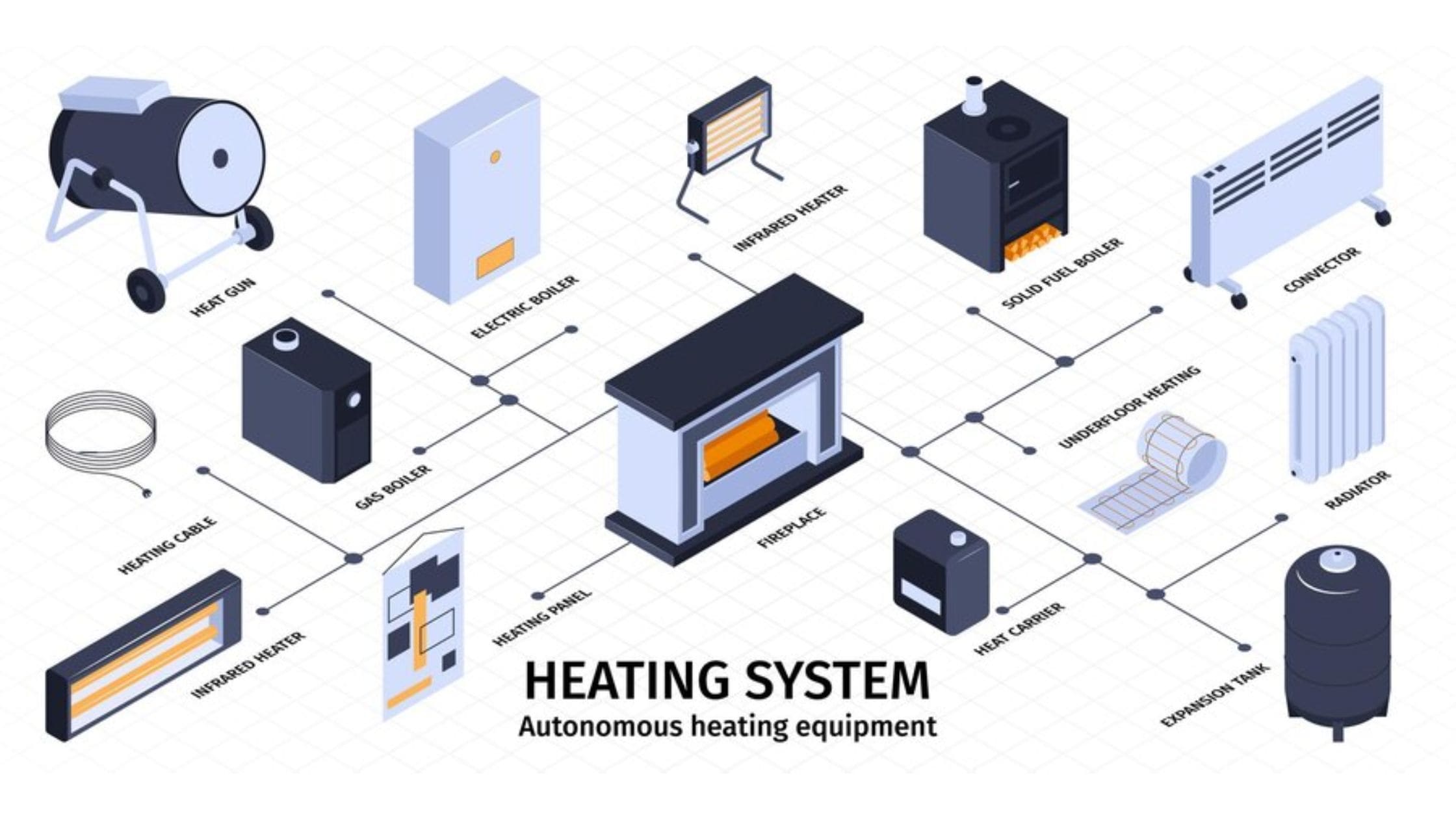
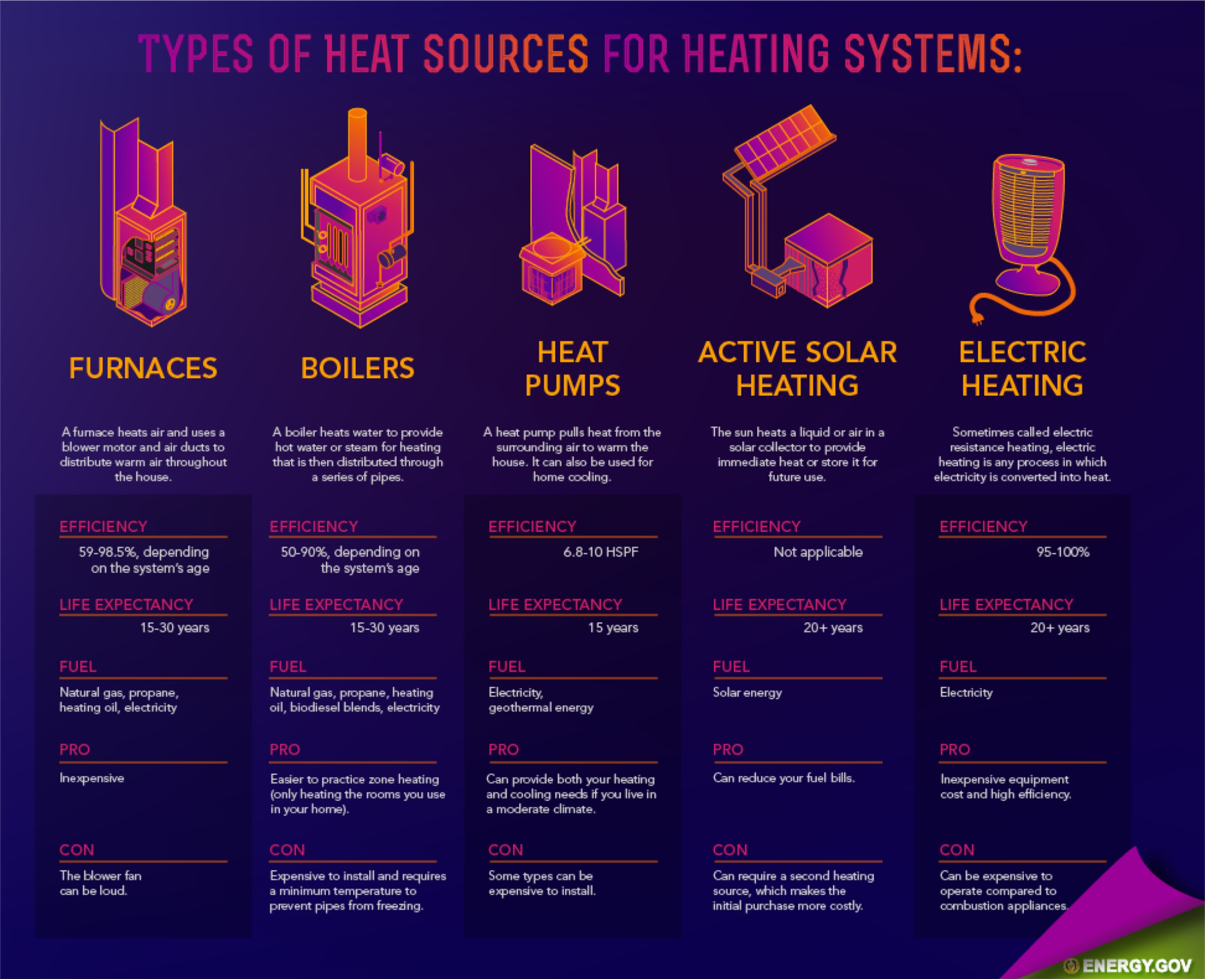
Common Types of Heating Systems:
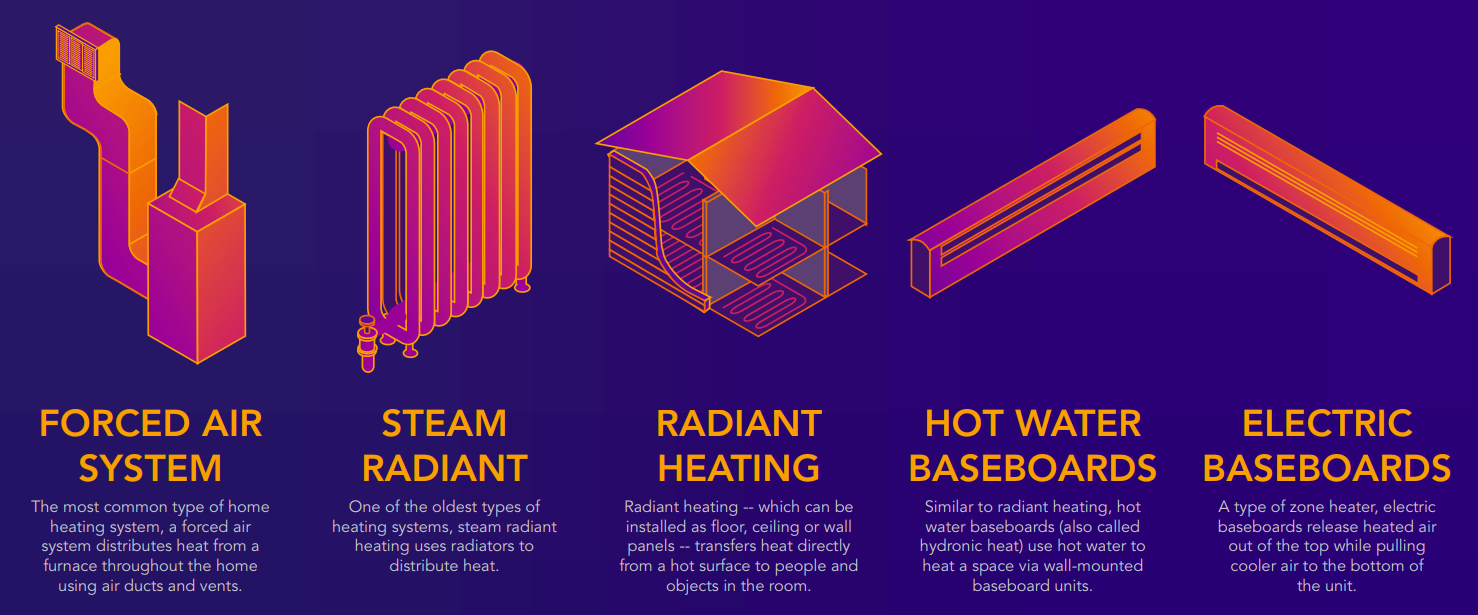
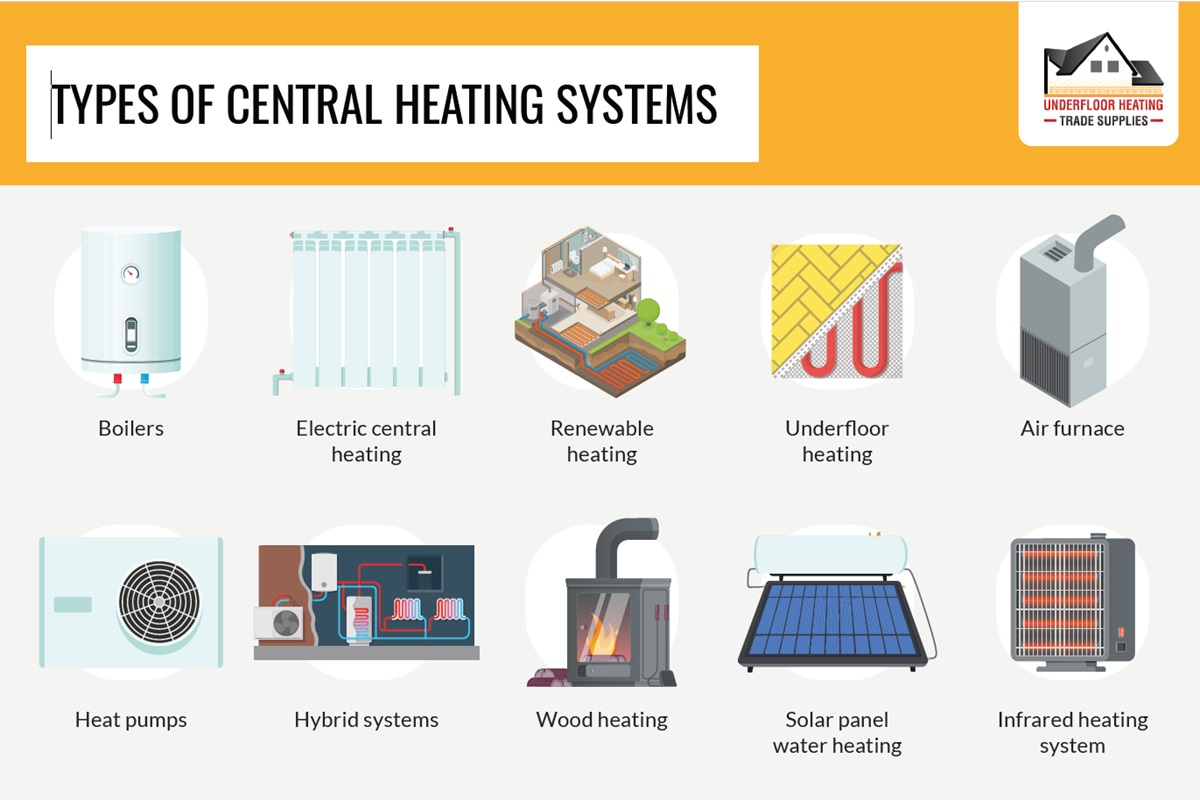
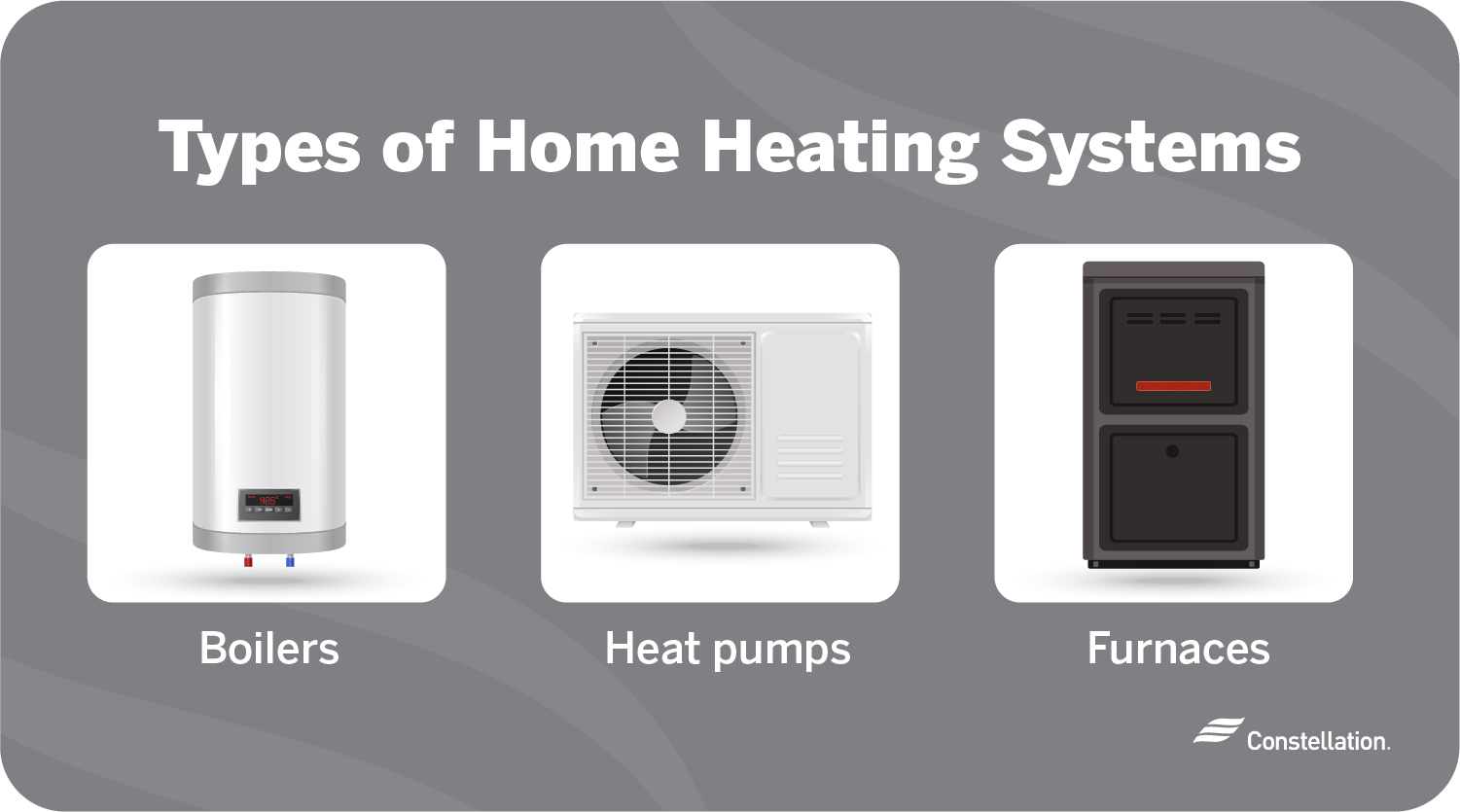
- Forced Air Systems (Furnaces): These systems use a furnace to heat air, which is then distributed throughout your home via ducts and vents. They can be powered by natural gas, propane, or electricity.
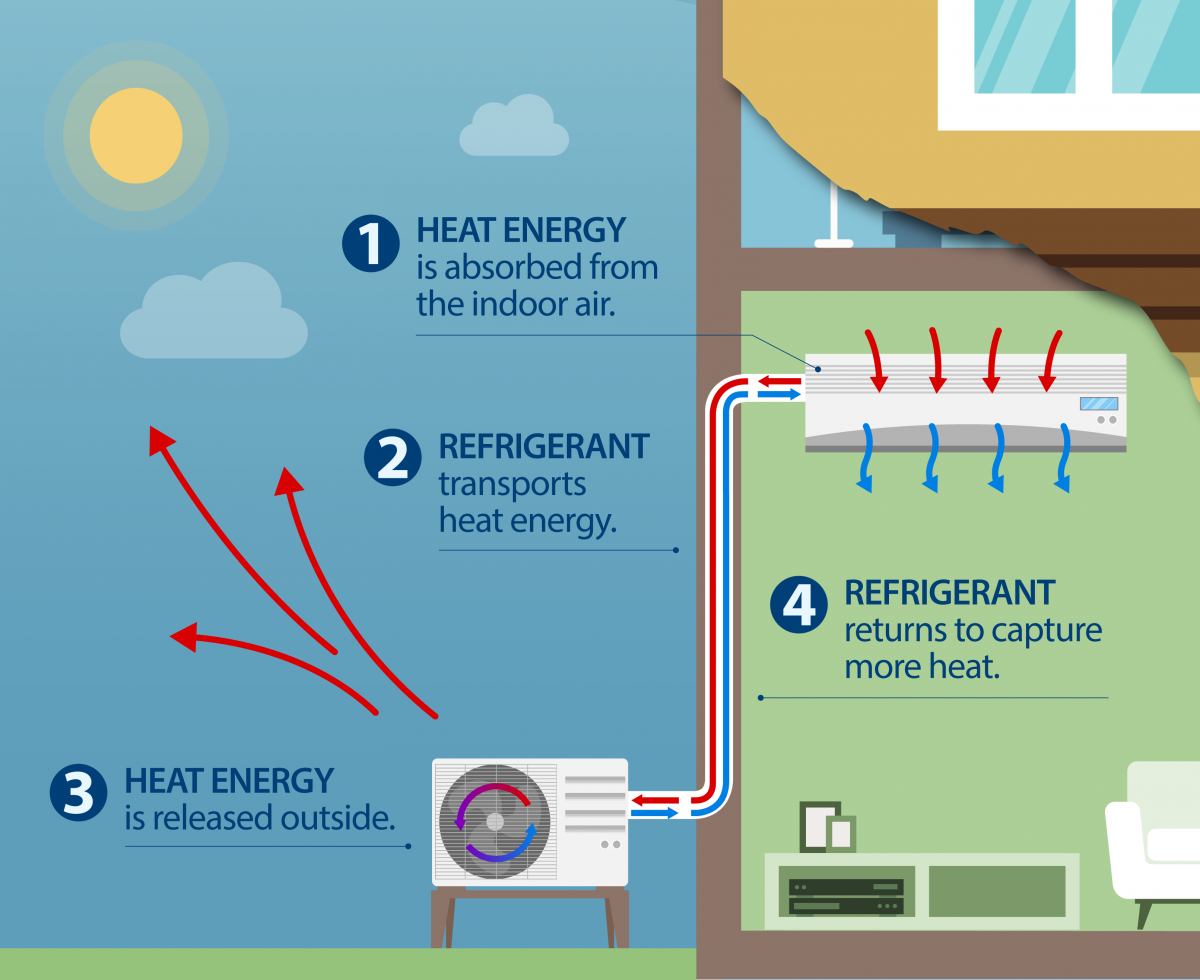
- Heat Pumps: Heat pumps transfer heat rather than generating it. In winter, they extract heat from the outside air (even cold air contains some heat) and pump it inside. In summer, they reverse the process, removing heat from your home and releasing it outside.
- Boilers: Boilers heat water, which is then circulated through radiators or baseboard heaters to warm your home. They can be powered by natural gas, oil, or electricity.
- Electric Baseboard Heaters: These heaters use electric resistance to generate heat directly. They are typically installed along walls and are independently controlled.
Common Types of Cooling Systems:
- Central Air Conditioners: These systems use a compressor and refrigerant to cool air, which is then distributed through ducts and vents.
- Window Air Conditioners: These are self-contained units that cool a single room.
- Ductless Mini-Split Systems: These systems consist of an outdoor compressor/condenser and one or more indoor air handlers. They are a good option for homes without ductwork.
Troubleshooting Common Issues: A Step-by-Step Guide
Scenario 1: Furnace Not Heating
A cold house in winter is a serious problem. Here's how to troubleshoot a furnace that's not producing heat:
- Check the Thermostat:
- Is it set to "Heat"? Make sure the thermostat is set to the heating mode and the temperature is set higher than the current room temperature.
- Are the batteries good? A dead battery can prevent the thermostat from communicating with the furnace. Replace the batteries and try again.
- Check the Power Supply:
- Is the furnace switch on? Most furnaces have a dedicated power switch, often located near the furnace itself. Make sure it's in the "on" position.
- Check the circuit breaker. Go to your electrical panel and check the breaker for the furnace. If it's tripped, reset it. If it trips again immediately, there may be a more serious electrical problem requiring professional attention. Do not repeatedly reset a tripped breaker.
- Check the Gas Supply (for gas furnaces):
- Is the gas valve open? Locate the gas valve near the furnace and make sure it's in the "on" position.
- Check other gas appliances. Are other gas appliances in your home working? If not, there might be a problem with your gas supply. Contact your gas company.
- Check the Furnace Filter:
- Is the filter clean? A dirty filter can restrict airflow and cause the furnace to overheat and shut down. Replace the filter with a new one. This is a maintenance task that should be performed regularly.
- Check the Pilot Light (for older gas furnaces):
- Is the pilot light lit? If your furnace has a pilot light, check to see if it's lit. If it's not, follow the manufacturer's instructions for relighting it. Be extremely careful when working with gas. If you're not comfortable relighting the pilot light, call a professional.
When to Call a Professional: If you've checked all of the above and your furnace still isn't working, it's time to call a qualified HVAC technician. There may be a problem with the gas valve, igniter, blower motor, or other complex component. Do not attempt to repair gas-related components yourself.
Scenario 2: Air Conditioner Not Cooling
A hot house in summer is equally unpleasant. Here's how to troubleshoot an air conditioner that's not cooling properly:
- Check the Thermostat:
- Is it set to "Cool"? Make sure the thermostat is set to the cooling mode and the temperature is set lower than the current room temperature.
- Is the fan set to "Auto"? Setting the fan to "On" will continuously circulate air, even when the AC isn't actively cooling, which can reduce its efficiency.
- Check the Power Supply:
- Is the AC switch on? Like furnaces, AC units typically have a dedicated power switch, often located near the outdoor unit.
- Check the circuit breaker. Check the breaker for the AC unit in your electrical panel. Reset it if it's tripped. Again, do not repeatedly reset a tripped breaker.
- Check the Air Filter:
- Is the filter clean? A dirty air filter restricts airflow and can cause the AC unit to freeze up. Replace the filter with a new one.
- Check the Outdoor Unit:
- Is the unit clear of debris? Make sure there are no leaves, branches, or other debris blocking the outdoor unit. Clear away any obstructions.
- Check the fins. Straighten any bent fins on the outdoor unit with a fin comb (available at most hardware stores). Be careful not to damage the fins further.
- Check the Condensate Drain Line:
- Is the drain line clogged? A clogged condensate drain line can cause water to back up and shut down the AC unit. Locate the drain line and clear any clogs. You can often use a wet/dry vacuum to suck out any blockage.
When to Call a Professional: If you've checked these items and your AC is still not cooling, it's likely there's a problem with the refrigerant, compressor, or other internal component. These repairs require specialized knowledge and equipment and should be left to a qualified HVAC technician. Never attempt to handle refrigerant yourself. It's harmful to the environment and requires proper disposal.
Scenario 3: Heat Pump Not Heating or Cooling
Heat pumps can experience issues in both heating and cooling modes. Here's a combined troubleshooting approach:
- Check the Thermostat:
- Is it set to the correct mode? Ensure the thermostat is set to "Heat" in winter and "Cool" in summer.
- Is the temperature set appropriately? Make sure the temperature setting is higher than the current room temperature for heating and lower for cooling.
- Check the Power Supply:
- Is the heat pump switch on? Check the dedicated power switch, usually located near the outdoor unit.
- Check the circuit breaker. Check the breaker in your electrical panel and reset it if necessary. Avoid repeatedly resetting a tripped breaker.
- Check the Air Filter:
- Is the filter clean? A dirty filter restricts airflow, impacting both heating and cooling performance. Replace the filter.
- Check the Outdoor Unit:
- Is it clear of snow and ice in winter? During colder months, ensure the outdoor unit is free of snow and ice. Some ice buildup is normal during the defrost cycle, but excessive buildup can indicate a problem.
- Is it clear of debris? Remove any leaves, branches, or other debris obstructing the unit.
- Check the Defrost Cycle (for heating issues):
- Is the heat pump going into defrost mode? Heat pumps periodically enter a defrost cycle to melt ice buildup on the outdoor coil. During this cycle, you may notice a brief period of cooler air blowing from the vents. This is normal. However, if the heat pump is constantly in defrost mode, there may be a problem with the defrost system.
When to Call a Professional: If the heat pump is not heating or cooling adequately after checking these items, it's best to consult an HVAC technician. Issues with the reversing valve, refrigerant levels, compressor, or defrost controls require professional diagnosis and repair.
Scenario 4: Electric Baseboard Heater Not Working
An electric baseboard heater that fails to heat can often be resolved with a few simple checks:
- Check the Thermostat:
- Is the thermostat set to a higher temperature? Ensure the thermostat is turned up and that it is actually calling for heat.
- Check the Power Supply:
- Check the circuit breaker. Locate the breaker for the baseboard heater in your electrical panel. If it's tripped, reset it. If it trips again immediately, there is a potential short and you should not continue to reset the breaker. Call an electrician immediately.
- Inspect the Heater:
- Look for visible damage. Check for any signs of physical damage to the heater, such as broken wires or melted components. If you see any damage, do not use the heater and call an electrician.
- Clean the heater. Dust and debris can accumulate on the heating element and reduce its efficiency. Carefully vacuum the heater to remove any buildup. Ensure the heater is turned off and cool before cleaning.
When to Call a Professional: If the baseboard heater is still not working after checking these items, it's time to call an electrician. There may be an internal wiring problem or a faulty heating element that requires professional repair or replacement. Do not attempt to disassemble or repair the heater yourself, as this can be dangerous.
Safety First: Important Considerations
- Always turn off the power to the appliance at the circuit breaker before attempting any repairs.
- Never work on gas-related components unless you are a qualified technician. Gas leaks can be dangerous and potentially fatal.
- Be cautious when working with electricity. If you're not comfortable working with electrical wiring, call an electrician.
- Wear appropriate safety gear, such as gloves and eye protection, when handling parts and cleaning components.
- Read the manufacturer's instructions for your specific appliance before attempting any repairs.
Empowering Yourself, Knowing Your Limits
By following these troubleshooting steps, you can often diagnose and resolve minor heating and cooling issues yourself, saving time and money. However, it's crucial to recognize your limits and when to call in the professionals. When dealing with electricity, gas, or complex repairs, it's always best to err on the side of caution and seek the assistance of a qualified technician. With a little knowledge and a healthy dose of caution, you can keep your heating and cooling systems running smoothly for years to come.