Types Of Heating Systems In Apartments
Choosing an apartment often involves considering several factors, and one of the most important is the heating system. Understanding the different types of heating systems available can help you make an informed decision about your comfort and energy costs. This guide provides a comprehensive overview of common apartment heating systems.
Central Heating Systems
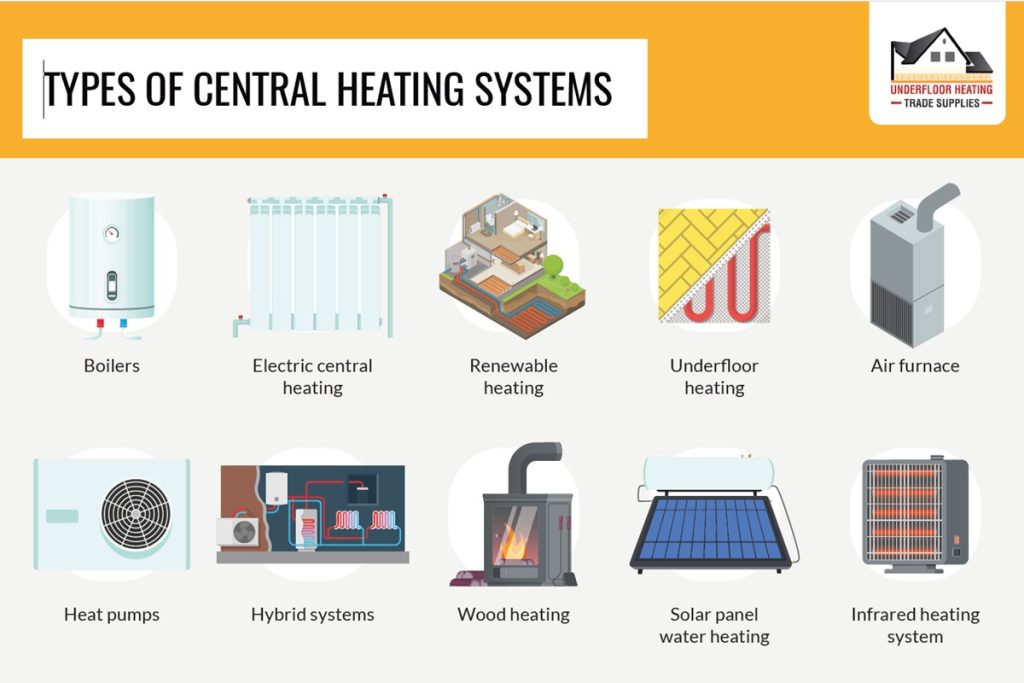
Central heating systems are the most common type found in apartment buildings. These systems heat an entire building from a single, centralized source.
Forced Air Systems
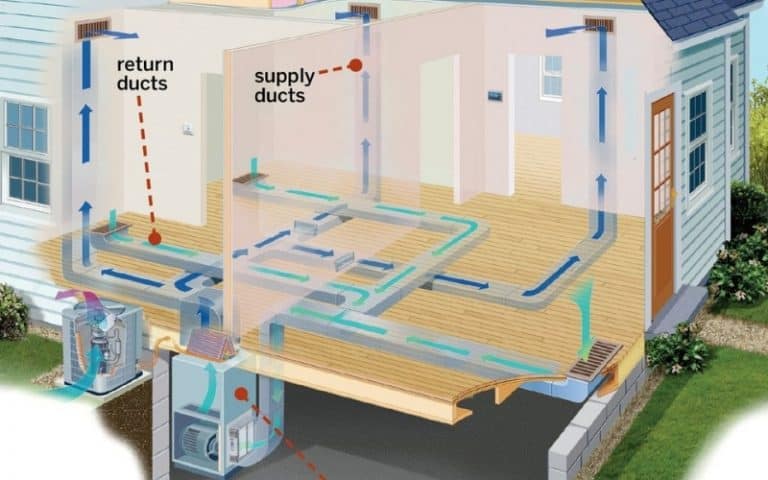
Forced air systems are a very common type of central heating. They use a furnace to heat air, which is then distributed throughout the apartment via a network of ducts.
How it works: The furnace, typically powered by natural gas, propane, or electricity, heats air. A blower fan then forces this heated air through ducts that run through the walls and ceilings to vents in each room of the apartment. When the thermostat calls for heat, the furnace ignites, heats the air, and the blower kicks in. Once the desired temperature is reached, the furnace shuts off.
Pros:
- Even heating: Distributes heat relatively evenly throughout the apartment.
- Fast heating: Heats up quickly compared to some other systems.
- Can be combined with cooling: The same ductwork can be used for air conditioning, making it a convenient option for year-round climate control.
- Air filtration: Furnaces often have filters that improve indoor air quality.
Cons:
- Dry air: Can dry out the air, especially during colder months. Using a humidifier can help counteract this.
- Noisy: The blower fan can be noisy when it's running.
- Duct maintenance: Ducts require occasional cleaning to maintain efficiency and air quality.
- Energy loss: Ductwork can leak, leading to energy loss if not properly sealed.
Hydronic (Radiator) Systems
Hydronic systems, also known as radiator systems, use hot water or steam to heat the apartment. Think of it as a network of pipes carrying hot liquid, warming the surrounding metal and air.
How it works: A boiler, typically located in a central location, heats water. This hot water is then circulated through pipes to radiators or baseboard heaters in each apartment. The radiators then radiate heat into the room. In steam systems, the boiler heats water to create steam, which travels through pipes to radiators. As the steam cools and condenses back into water, it releases heat.
Pros:
- Consistent heat: Provides a more consistent and even heat compared to forced air.
- Less dry air: Doesn't dry out the air as much as forced air systems.
- Quiet operation: Radiators are generally quiet, although some steam systems might have occasional gurgling sounds.
Cons:
- Slower heating: Takes longer to heat up a room compared to forced air.
- Uneven heating (sometimes): If not properly balanced, some radiators may be hotter than others.
- Potential for leaks: Leaks can occur in the pipes or radiators.
- Difficult to control individual room temperature: Adjusting the temperature of individual radiators can be challenging.
- Maintenance: Boilers and pipes require regular maintenance.
Geothermal Heating
Geothermal heating uses the Earth's natural heat to warm buildings. It's a more environmentally friendly option, but less common in older apartment buildings due to the installation complexity.
How it works: A geothermal system uses a ground source heat pump. This pump circulates a refrigerant (a fluid that easily absorbs and releases heat) through underground pipes, either vertically or horizontally, transferring heat from the earth into the building during the winter. In the summer, the process is reversed, and heat is transferred from the building back into the earth for cooling. Think of refrigerant as the "blood" of your system, carrying heat to and from the earth.
Pros:
- Energy efficient: Significantly more energy-efficient than traditional heating systems.
- Environmentally friendly: Reduces reliance on fossil fuels.
- Consistent temperature: Provides a very consistent and comfortable temperature.
- Long lifespan: Geothermal systems tend to have a longer lifespan than other systems.
Cons:
- High upfront cost: Installation can be expensive.
- Complex installation: Requires significant excavation and specialized equipment.
- Not suitable for all locations: Requires suitable ground conditions.
Individual Heating Systems
Individual heating systems provide heat to a single apartment unit, allowing tenants to control their own heating. These are becoming more common with newer construction, or renovations.
Electric Baseboard Heaters
Electric baseboard heaters are a common, inexpensive, and easy-to-install option for individual apartment heating. They are typically installed along the baseboards of the walls.
How it works: Electric baseboard heaters contain heating elements that warm up when electricity flows through them. As the elements heat up, they warm the air around them, creating a natural convection current that circulates the warm air throughout the room. Each heater usually has its own thermostat allowing for individual room control.
Pros:
- Easy to install: Relatively simple to install and maintain.
- Individual room control: Allows for independent temperature control in each room.
- Low upfront cost: Less expensive to purchase and install compared to central heating systems.
Cons:
- High operating cost: Electricity can be expensive, making them costly to run.
- Uneven heating: Can create hot and cold spots in a room.
- Slow heating: Take longer to heat up a room compared to forced air.
- Safety concerns: Can be a burn hazard if touched directly.
Electric Space Heaters
Electric space heaters are portable heating devices that can be moved from room to room as needed. While convenient, they are generally not recommended as a primary heating source due to safety and cost concerns.
How it works: Space heaters work by converting electricity into heat through various mechanisms, such as resistance heating, infrared radiation, or convection. The type of heating method affects the heater's efficiency and how quickly it heats a room.
Pros:
- Portability: Can be moved from room to room.
- Low upfront cost: Inexpensive to purchase.
Cons:
- Safety hazard: High risk of fire if not used properly.
- High operating cost: Very expensive to run.
- Uneven heating: Only heats a small area.
- Not energy efficient: Consumes a lot of electricity for the amount of heat produced.
Heat Pumps (Ductless Mini-Splits)
Heat pumps are a highly efficient way to heat and cool an apartment. Ductless mini-split systems, in particular, are becoming increasingly popular for individual apartment heating and cooling because they don't require ductwork.
How it works: A heat pump works by transferring heat from one place to another. In the winter, it extracts heat from the outside air (even when it's cold) and transfers it inside. In the summer, it reverses the process, extracting heat from inside and transferring it outside. Ductless mini-splits consist of an outdoor unit and one or more indoor units. The indoor units are mounted on the wall or ceiling and provide targeted heating and cooling to individual rooms. Again, refrigerant acts as the "heat transporter" in this system.
Pros:
- Energy efficient: Highly efficient compared to other heating systems.
- Heating and cooling: Provides both heating and cooling.
- Individual room control: Allows for independent temperature control in each room.
- Quiet operation: Operates quietly.
Cons:
- Higher upfront cost: More expensive to install than electric baseboard heaters.
- Requires professional installation: Requires a qualified technician to install.
- Aesthetic considerations: Indoor units are visible on the wall.
Electric Furnaces
Electric furnaces provide heat in a similar way to gas furnaces, but they use electricity instead of natural gas or propane. While less common than gas furnaces, they are an option in areas where natural gas is not available.
How it works: An electric furnace uses electric heating elements to heat air. A blower fan then forces the heated air through ducts to vents in each room of the apartment. Like forced air systems with a gas furnace, a thermostat controls the operation of the electric furnace.
Pros:
- No combustion: Doesn't produce combustion byproducts, improving indoor air quality.
- Safer than gas furnaces: No risk of gas leaks or carbon monoxide poisoning.
- Can be combined with cooling: The same ductwork can be used for air conditioning.
Cons:
- Higher operating cost: Electricity can be more expensive than natural gas, making them costly to run.
- Dry air: Can dry out the air.
- Noisy: The blower fan can be noisy.
- Duct maintenance: Ducts require occasional cleaning.
Choosing the Right Heating System
When choosing an apartment, consider the type of heating system in place and how it will affect your comfort and energy costs. Here are some factors to consider:
- Energy efficiency: Look for systems with high energy efficiency ratings (e.g., AFUE for furnaces, HSPF for heat pumps).
- Operating cost: Consider the cost of electricity or natural gas in your area.
- Comfort: Think about your preferred heating style (e.g., consistent heat from radiators versus fast heating from forced air).
- Individual control: Determine whether you prefer individual room control or a central thermostat.
- Maintenance: Ask about the maintenance requirements of the heating system.
By understanding the different types of heating systems available in apartments, you can make an informed decision that will keep you comfortable and save you money on energy bills.