Under The Sink Shut Off Valves
/sink-pipe-under-wash-basin-119001607-75542e154b364e7bb52032249f293908.jpg)
Under-The-Sink Shut-Off Valves: Small Change, Big Savings for Your Home or Business
Often overlooked, the humble shut-off valve lurking beneath your sinks plays a crucial role in water conservation, energy efficiency, and preventing costly damage. While not directly tied to your HVAC system, their functionality impacts overall water and energy consumption, especially as you integrate smart home technology for a more efficient lifestyle. This article explores the benefits of understanding, maintaining, and even upgrading your under-the-sink shut-off valves, offering actionable insights for homeowners, businesses, and HVAC professionals alike.
Why Should I Care About These Valves?
Think of shut-off valves as the circuit breakers of your plumbing system. They allow you to isolate water flow to specific fixtures – sinks, toilets, dishwashers – without turning off the water supply to your entire property. This targeted control translates to several key advantages:
- Preventing Water Damage: A leaky faucet or burst pipe can cause extensive water damage, leading to mold growth, structural issues, and hefty repair bills. Quickly shutting off the water supply at the source minimizes the damage, saving you time, money, and stress.
- Facilitating DIY Repairs: Need to replace a faucet, unclog a drain, or install a new dishwasher? Shut-off valves let you tackle these projects without calling a plumber and without disrupting water service to the rest of your home.
- Conserving Water: Even small drips add up over time. A faucet dripping at a rate of one drip per second can waste over 3,000 gallons of water per year, according to the EPA. Fixing these leaks promptly is crucial, and shut-off valves make the process significantly easier.
- Lowering Energy Bills (Indirectly): Water heating accounts for a significant portion of your energy bill, typically the second-largest expense in your home, according to the Energy Star program. Leaks waste both water and the energy used to heat that water. By quickly addressing leaks made possible by functional shut-off valves, you reduce your water heating costs.
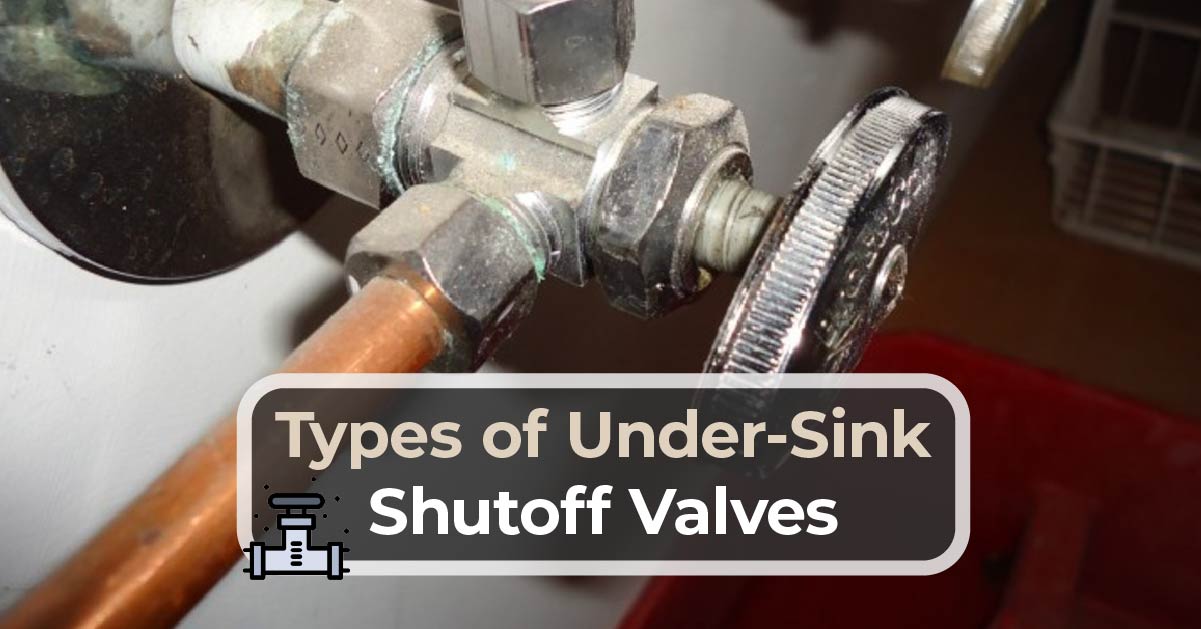
Types of Under-The-Sink Shut-Off Valves
Understanding the different types of shut-off valves allows you to make informed decisions about replacements and upgrades:
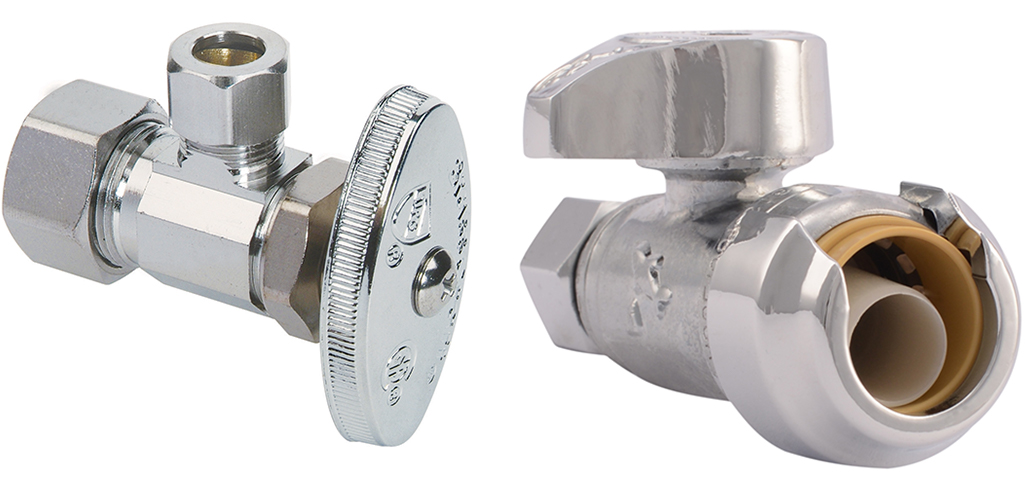
- Straight Stop Valves: These valves have inlets and outlets aligned in a straight line, typically used when the water supply pipe and the fixture connection are directly opposite each other.
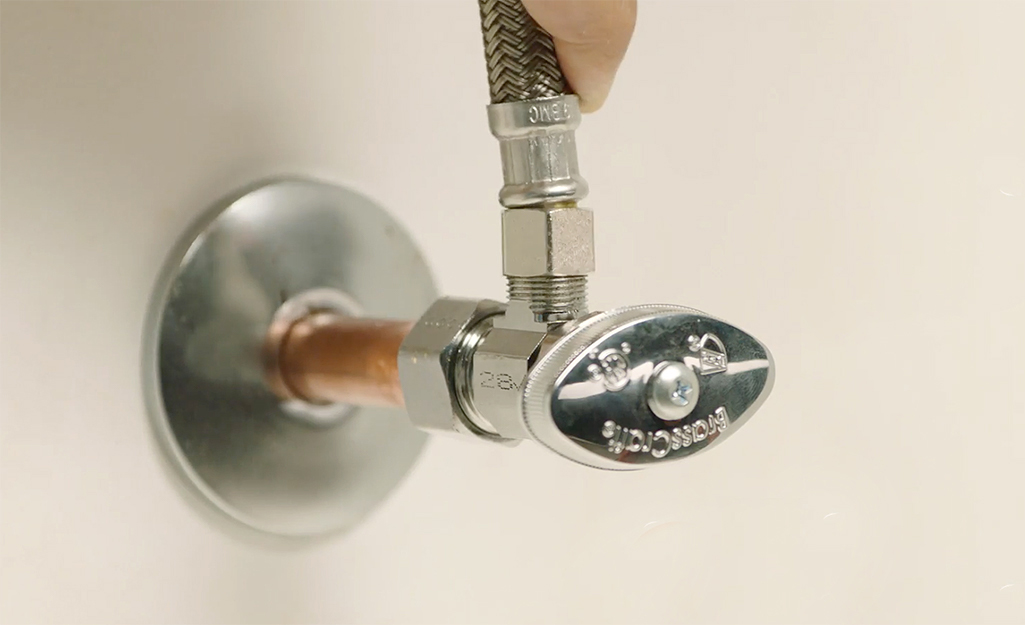
- Angle Stop Valves: These valves have inlets and outlets at a 90-degree angle, ideal for situations where the water supply pipe enters the wall behind the fixture.
- Compression Valves: These valves use compression fittings to create a watertight seal. They are easy to install but may require occasional tightening to prevent leaks.
- Ball Valves: Featuring a ball with a hole bored through it, these valves provide a quick and reliable on/off control. They are known for their durability and minimal flow restriction.
- Quarter-Turn Valves: These valves, often ball valves, require only a 90-degree turn to fully open or close, making them convenient and easy to operate, especially in emergencies. Quarter-turn ball valves are increasingly popular for their reliability.
- Multi-Turn Valves: These valves require several turns of the handle to fully open or close. While less expensive, they are more prone to wear and tear and can be slower to operate in an emergency.
Smart Home Integration: Leak Detection and Automatic Shut-Off
Taking water conservation and damage prevention to the next level involves integrating smart technology. Smart leak detectors can be placed under sinks and near other water sources to detect leaks early, sending alerts to your smartphone or smart home hub. These detectors can even trigger automatic shut-off valves, instantly stopping the water supply to the affected area, preventing significant damage even when you're away from home. The ROI on these systems can be substantial, especially in areas prone to plumbing issues or extreme weather.
Here's how this integration works:
- Leak Detector Placement: Place wireless leak detectors in vulnerable areas like under sinks, near washing machines, and around water heaters.
- Alerts and Notifications: When a leak is detected, the sensor sends an immediate alert to your smartphone via a dedicated app or your smart home platform (e.g., Apple HomeKit, Google Assistant, Amazon Alexa).
- Automatic Shut-Off Valve Activation: The leak detector signal triggers a motorized shut-off valve installed on your main water line or on individual fixture supply lines, cutting off the water supply instantly.
Integrating these systems with your smart thermostat and other energy-efficient appliances can create a holistic smart home ecosystem, optimizing energy and water consumption based on real-time data and user preferences.
Choosing the Right Valves for Your Needs
When selecting replacement or upgrade shut-off valves, consider the following factors:
- Valve Type: Quarter-turn ball valves offer the best combination of reliability, ease of use, and flow rate.
- Material: Brass valves are durable and corrosion-resistant. Avoid plastic valves, as they are more prone to cracking and leaks.
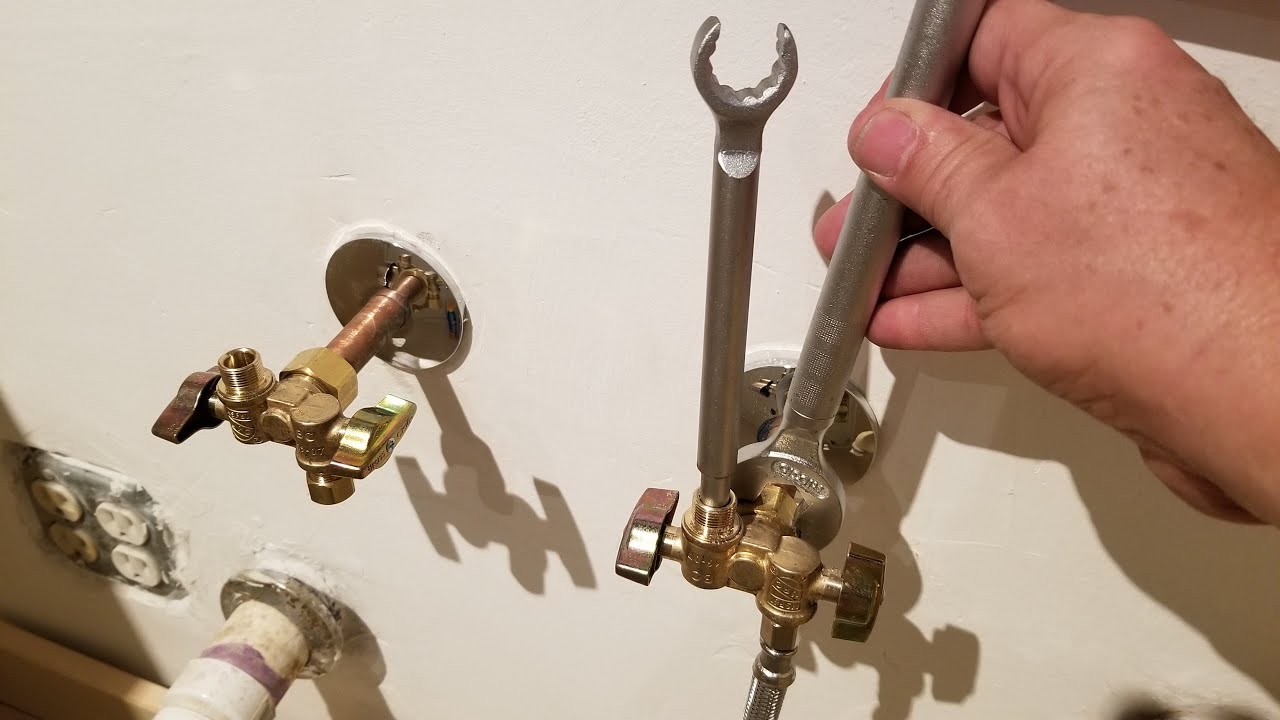
- Connection Type: Choose valves with compatible connection types (compression, threaded, etc.) to match your existing plumbing.
- Size: Ensure the valve size matches the size of your water supply pipes.
- Smart Features: If you're interested in smart home integration, look for valves that are compatible with your chosen platform and offer features like automatic shut-off and remote control.
Installation and Maintenance Tips
While some homeowners may feel comfortable replacing shut-off valves themselves, it's often best to hire a licensed plumber, especially if you're unfamiliar with plumbing techniques or have concerns about damaging your pipes. Professional installation ensures a proper seal and prevents leaks.
Here are some essential maintenance tips:
- Regularly Inspect: Check your shut-off valves for signs of leaks, corrosion, or damage.
- Exercise the Valves: Turn the valves on and off periodically (at least once a year) to prevent them from seizing up.
- Replace Worn Valves: If a valve is leaking or difficult to operate, replace it promptly.
- Consider Professional Inspection: Have a plumber inspect your plumbing system, including shut-off valves, during routine maintenance.
ROI and Energy Savings Calculations
The ROI on upgrading your shut-off valves and integrating smart leak detection systems can be significant, especially when considering the potential cost of water damage. Consider these examples:
Example 1: Preventing a Burst Pipe
A burst pipe can cause thousands of dollars in damage, including:
- Water damage repair: $5,000 - $20,000+
- Mold remediation: $500 - $6,000+
- Lost personal belongings: Variable
Investing in smart leak detection and automatic shut-off valves (costing approximately $200 - $500) can prevent this catastrophic scenario, resulting in significant savings.
Example 2: Fixing a Leaky Faucet
A leaky faucet wasting 10 drips per minute can waste over 500 gallons of water per year. This translates to:
- Increased water bill: Depending on your water rates, this could add $5-$20 per year to your bill.
- Increased energy bill (if hot water): Heating that wasted water also costs money. Depending on your energy source, this could add another $10-$40 per year.
Replacing a faulty shut-off valve (costing approximately $10-$30) allows you to quickly fix the leak and save money on your water and energy bills.
Rebates and Incentives
Many local water utilities and government agencies offer rebates and incentives for installing water-efficient fixtures and smart home technologies. Check with your local utility company and the Energy Star website to see if you qualify for any rebates on smart leak detectors or other water-saving devices. These rebates can further reduce the cost of upgrading your shut-off valves and implementing smart water management solutions.
For HVAC Contractors: Selling Energy-Efficient Plumbing Solutions
As an HVAC contractor, you're already focused on energy efficiency. Expanding your services to include plumbing solutions like upgrading shut-off valves and installing smart leak detection systems can offer added value to your clients and increase your revenue. Highlight the following benefits when discussing these solutions with your customers:
- Comprehensive Home Protection: Position these services as part of a holistic approach to home protection and energy efficiency.
- Preventative Maintenance: Offer regular plumbing inspections as part of your HVAC maintenance packages.
- Smart Home Integration: Emphasize the benefits of integrating plumbing solutions with existing smart home systems.
- Cost Savings: Quantify the potential cost savings from preventing water damage and reducing water waste.
- Rebate Opportunities: Inform your clients about available rebates and incentives.
Conclusion
While seemingly insignificant, under-the-sink shut-off valves are essential components of a well-maintained and energy-efficient home or business. By understanding their function, selecting the right valves, and implementing smart home integration, you can prevent water damage, conserve water, lower energy bills, and protect your property. Whether you're a homeowner, a business owner, or an HVAC professional, taking the time to address these often-overlooked valves can result in significant long-term benefits.
:max_bytes(150000):strip_icc()/under-sink-shut-off-valves-2718738-06-b9202f12fc5049c6a9fe4eacad890156.jpg)


:max_bytes(150000):strip_icc()/under-sink-shut-off-valves-2718738-hero-208b0ff6ed1e4f77a131087c5093ea0c.jpg)