Underbelly Underside Double Wide Mobile Home Ductwork Diagram

Understanding the ductwork in an underbelly, or underside, of a double-wide mobile home is crucial for maintaining efficient heating and cooling. This specialized system differs significantly from traditional ductwork found in conventional homes, posing unique challenges for homeowners, technicians, and property managers alike. This article provides a comprehensive guide to double-wide mobile home ductwork diagrams, common issues, maintenance tips, and strategies for optimizing performance.
Ductwork Basics in Double-Wide Mobile Homes
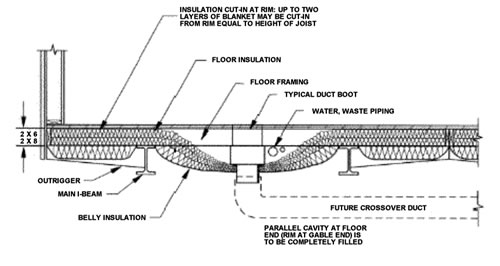
Unlike site-built houses with ductwork typically located within walls or attics, mobile homes often have their ductwork positioned in the underbelly, the space between the floor and the ground. This location exposes the ductwork to the elements, including moisture, extreme temperatures, and potential physical damage. The ductwork typically consists of flexible ducts, often made of a foil or plastic material wrapped around a wire coil. These flexible ducts connect to a central furnace or air handler, distributing conditioned air throughout the home.
A ductwork diagram is a visual representation of the layout of the entire duct system. For a double-wide mobile home, this diagram will show the location of the furnace, the main supply plenum, the individual duct runs to each register (vent), and the return air vents.
Why is a Ductwork Diagram Important?
Having access to a ductwork diagram is vital for several reasons:
- Troubleshooting: Quickly identify the location of leaks, blockages, or damaged sections within the system.
- Maintenance: Facilitates proper cleaning and inspection of the ductwork.
- Repairs and Upgrades: Guides technicians during repairs or when upgrading the system, ensuring correct placement of components.
- Energy Efficiency: Helps in assessing the system's design and identifying potential areas for improvement to maximize energy savings.
Components of a Double-Wide Mobile Home Duct System
A typical duct system in a double-wide mobile home includes the following key components:
- Furnace/Air Handler: The central unit responsible for heating or cooling the air. Located in a utility closet or designated space.
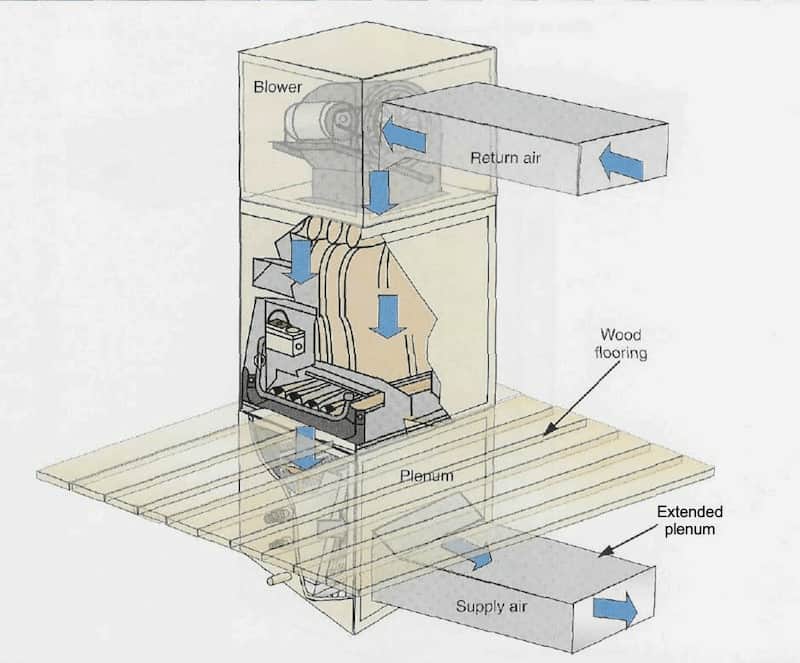
- Supply Plenum: A large metal box connected directly to the furnace/air handler. It acts as a distribution point for the conditioned air.
- Supply Ducts: Flexible insulated ducts that carry conditioned air from the supply plenum to individual registers throughout the home.
- Registers (Vents): Openings in the floor, wall or ceiling where conditioned air enters the living space.
- Return Air Grilles: Grilles that allow air to return to the furnace/air handler for reconditioning. Often located in hallways or near the furnace.
- Return Air Duct: A duct that carries air from the return air grilles back to the furnace/air handler. Sometimes, the underbelly itself acts as the return air plenum.
- Underbelly Insulation: Crucial for insulating the ductwork and protecting it from the elements.
Common Problems with Underbelly Ductwork
Ductwork located in the underbelly is susceptible to various issues that can compromise its efficiency and performance:
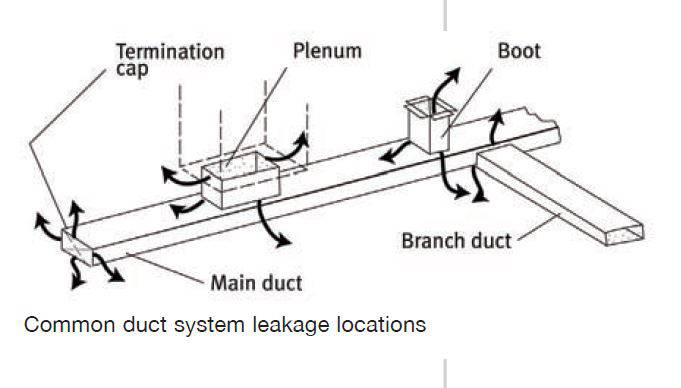
- Leaks: Tears, punctures, or disconnections in the flexible ducts are common, leading to significant air loss and increased energy bills. These leaks happen when the ducts rub together or are exposed to the elements and pests.
- Sagging: Over time, flexible ducts can sag due to gravity and moisture, creating pockets where condensation can accumulate and restrict airflow.
- Insulation Damage: The insulation around the ducts can degrade or become damaged by moisture, pests, or physical contact, reducing its effectiveness.
- Pest Infestation: Rodents and insects can nest in the ductwork, contaminating the air and causing damage.
- Moisture and Mold Growth: The underbelly environment is prone to moisture buildup, which can lead to mold growth within the ducts, impacting indoor air quality.
- Improper Installation: Incorrectly installed ductwork, such as kinks or excessive bends, can restrict airflow and reduce efficiency.
Diagnosing Ductwork Problems
Identifying ductwork problems early can prevent further damage and maintain optimal system performance. Here are some signs that your ductwork may need attention:
- Uneven Heating or Cooling: Some rooms are significantly warmer or cooler than others.
- Increased Energy Bills: A sudden spike in your energy bill without a corresponding change in usage.
- Dust or Debris Coming from Vents: Indicates leaks or contamination within the ductwork.
- Musty Odor: Suggests mold or mildew growth in the ducts.
- Visible Damage: Sagging, tears, or punctures in the ductwork insulation.
A simple hand test can reveal major leaks. While the furnace or AC is running, place your hand near duct joints and seams in the underbelly. If you feel air escaping, there's likely a leak.
Maintaining Your Double-Wide Mobile Home Ductwork
Regular maintenance is essential to ensure the longevity and efficiency of your ductwork. Here are some key maintenance tasks:
- Regular Inspections: Inspect the ductwork at least twice a year for any signs of damage, sagging, or leaks.
- Sealing Leaks: Seal any leaks using duct tape or mastic sealant. For larger leaks, consider professional duct repair or replacement.
- Supporting Sagging Ducts: Use straps or supports to prevent ducts from sagging and creating airflow restrictions.
- Cleaning Ducts: Periodically clean the ductwork to remove dust, debris, and potential allergens. Professional duct cleaning is recommended for thorough cleaning.
- Replacing Damaged Insulation: Replace any damaged or degraded insulation to maintain proper energy efficiency.
- Pest Control: Implement pest control measures to prevent rodents and insects from nesting in the ductwork.
- Underbelly Maintenance: Ensure the underbelly is properly sealed and ventilated to prevent moisture buildup.
Improving Ductwork Efficiency
Beyond basic maintenance, there are several ways to improve the efficiency of your double-wide mobile home ductwork:
- Duct Sealing: Professional duct sealing can significantly reduce air leaks and improve energy efficiency. This often involves using mastic sealant or aerosol sealant to seal all joints and seams.
- Duct Insulation: Adding extra insulation to the ductwork can further reduce heat loss or gain, improving efficiency.
- Duct Replacement: If the ductwork is old, damaged, or poorly designed, consider replacing it with new, properly sized and insulated ducts.
- Balancing the System: Adjusting the dampers in the ductwork can help balance the airflow to different rooms, ensuring even heating and cooling throughout the home.
- Upgrading to a More Efficient System: When replacing your furnace or air conditioner, consider upgrading to a more efficient model. A higher SEER (Seasonal Energy Efficiency Ratio) for air conditioners and a higher AFUE (Annual Fuel Utilization Efficiency) for furnaces indicate greater energy efficiency.
Cost Considerations
The cost of ductwork maintenance, repairs, and upgrades can vary depending on the scope of the work. Minor repairs, such as sealing small leaks, can often be done DIY for a relatively low cost. However, more extensive repairs, such as replacing sections of ductwork or professional duct sealing, can cost several hundred to several thousand dollars. Duct replacement is the most expensive option, but it can also provide the greatest improvement in energy efficiency and comfort.
Here's a general breakdown of potential costs:
- DIY Duct Sealing: $20 - $50 (for duct tape and mastic sealant)
- Professional Duct Sealing: $500 - $1500
- Duct Repair (Minor): $100 - $300
- Duct Replacement (Partial): $500 - $2000
- Duct Replacement (Full): $2000 - $5000+
- Duct Cleaning: $300 - $700
Finding a Qualified HVAC Technician
When dealing with significant ductwork issues or upgrades, it's crucial to hire a qualified HVAC technician experienced in working with mobile homes. Look for technicians who are licensed, insured, and have positive reviews. Ask for references and inquire about their experience with mobile home ductwork. A good technician will be able to assess your system, provide accurate estimates, and perform the work efficiently and effectively. In addition, when hiring contractors, be sure to check their certifications and licenses.
Remember to ask for a detailed quote before authorizing any work, and ensure that the quote includes a breakdown of labor and material costs. Don't be afraid to get multiple quotes to compare prices and services.
Conclusion
Maintaining and optimizing the ductwork in your double-wide mobile home is essential for ensuring efficient heating and cooling, improving indoor air quality, and reducing energy costs. By understanding the basics of your duct system, identifying potential problems, and implementing regular maintenance practices, you can keep your home comfortable and save money in the long run. Whether you choose to tackle some DIY tasks or hire a professional HVAC technician, taking care of your ductwork is an investment in the overall health and efficiency of your home. A well-maintained system ensures that your HVAC unit operates as designed and maintains a consistent temperature throughout your home, even during the hottest summer days or coldest winter nights.