Underground Valves For Water Shut Off

One of the most frustrating experiences for a homeowner is waking up on a frigid winter morning or sweltering summer afternoon to discover their heating or cooling system isn't working. Whether it's icy air blowing from your vents when the furnace should be blasting warmth, or the AC cranking out tepid air instead of a refreshing chill, these issues can quickly make your home uncomfortable and potentially lead to more serious problems. Often, these problems stem from issues with water flow to your heating or cooling equipment, particularly if you have a hydronic (water-based) system or a geothermal system. A key component to diagnosing and resolving these types of issues is understanding and troubleshooting your underground water shut-off valves.
Diagnosing the Problem: Is Water Flow the Culprit?
Before you dive headfirst into troubleshooting, it's crucial to determine if a water flow issue is actually the root cause of your heating or cooling woes. Here's a methodical approach:
Step 1: Initial Observation (No Tools Required)
Start with some simple observations. These checks don't require any tools and can give you valuable clues.
- Check Your Thermostat: Is it set correctly to heat or cool? Are the batteries good? A simple oversight here can save you a lot of trouble.
- Listen Carefully: When your system is supposed to be running, listen closely to the unit. Do you hear the usual humming and whirring sounds? A lack of sound can indicate a power issue, a tripped breaker, or a completely failed motor.
- Feel the Pipes: If you have access to the pipes leading to and from your heating or cooling equipment, carefully feel them. Are they hot (if heating) or cold (if cooling)? If they're at room temperature, it suggests that water isn't flowing properly. Exercise caution when touching pipes as they may be very hot or cold.
- Check for Leaks: Visually inspect around your furnace, air conditioner, and any visible pipes for signs of water leaks. A leak can reduce water pressure and affect the system's performance.
Step 2: Checking the Obvious (Basic Equipment Needed)
These checks require a few basic tools, but they're still relatively simple to perform.
- Check the Breaker: Locate the breaker for your heating or cooling system in your electrical panel. Make sure it hasn't tripped. If it has, reset it. If it trips again immediately, there's likely a more serious electrical problem that requires professional attention.
- Check the Air Filter: A clogged air filter can restrict airflow and cause your system to overheat or underperform. Replace it with a clean filter. A dirty filter is a very common cause of HVAC problems.
- Water Pressure Check (Optional): If you have a pressure gauge installed on your water lines, check the water pressure. Low water pressure can definitely impact the performance of hydronic systems.
Step 3: Investigating the Underground Shut-Off Valve
This is where things get a little more involved. Locating and inspecting your underground water shut-off valve is crucial for diagnosing water flow issues.
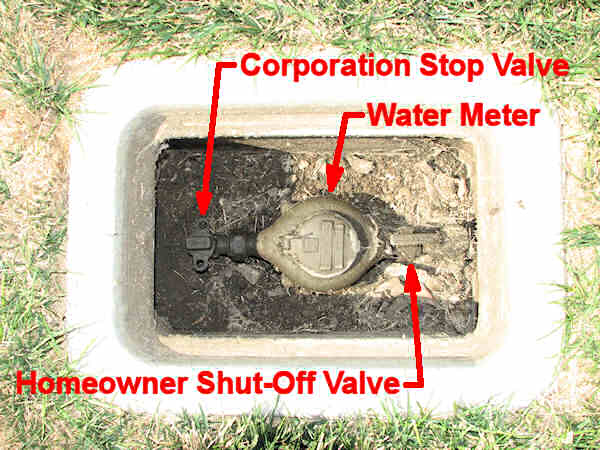
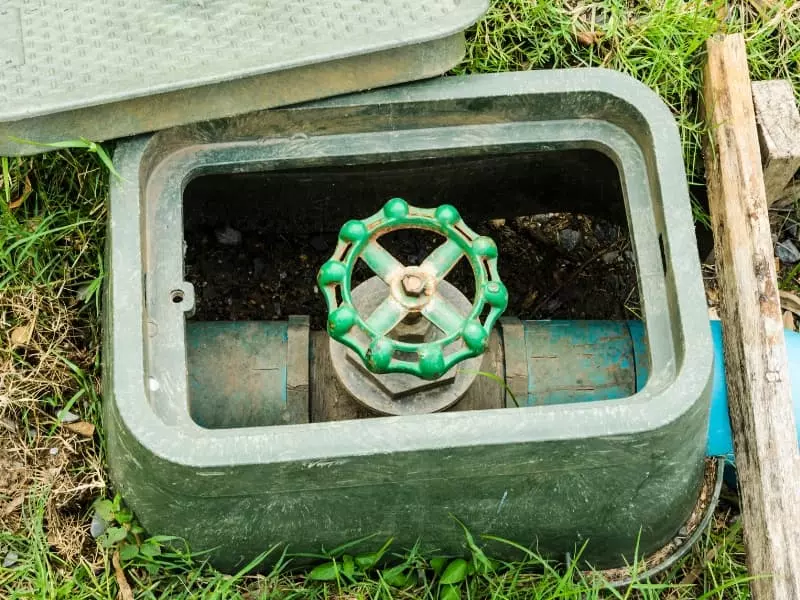
- Locate the Valve: Underground shut-off valves are typically located near your property line, often in a meter box. The box is usually a round or rectangular cover made of metal or plastic, flush with the ground. Look near the street or sidewalk.
- Open the Meter Box: Use a screwdriver or pry bar to carefully open the meter box cover. Be cautious, as insects or small animals may be inside.
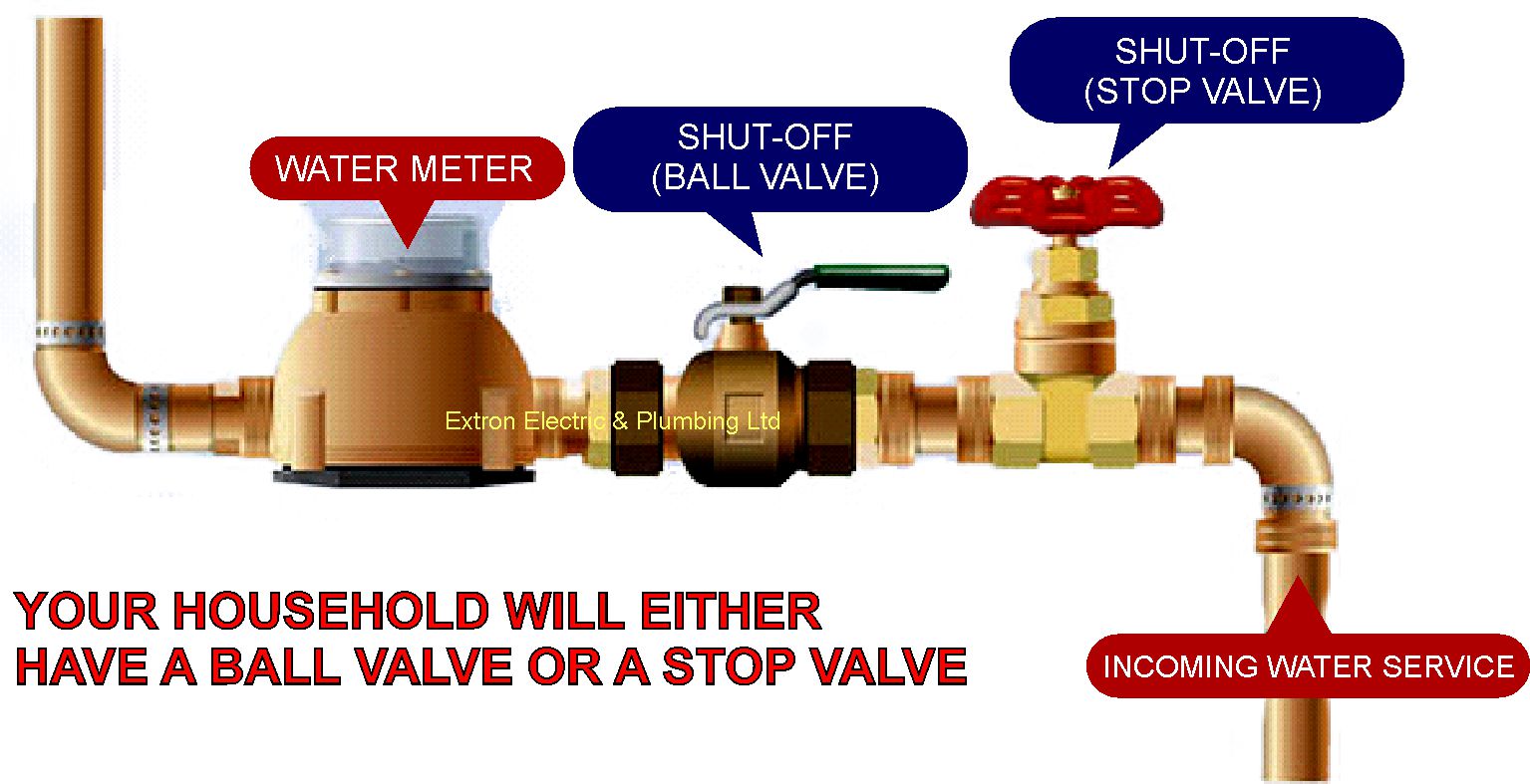
- Identify the Valve: Inside the box, you should see a valve. There might be one or two valves depending on the system configuration. One will be the main shut-off for your entire property, and the other may be specific to the heating/cooling system, especially in geothermal setups.
- Inspect the Valve:
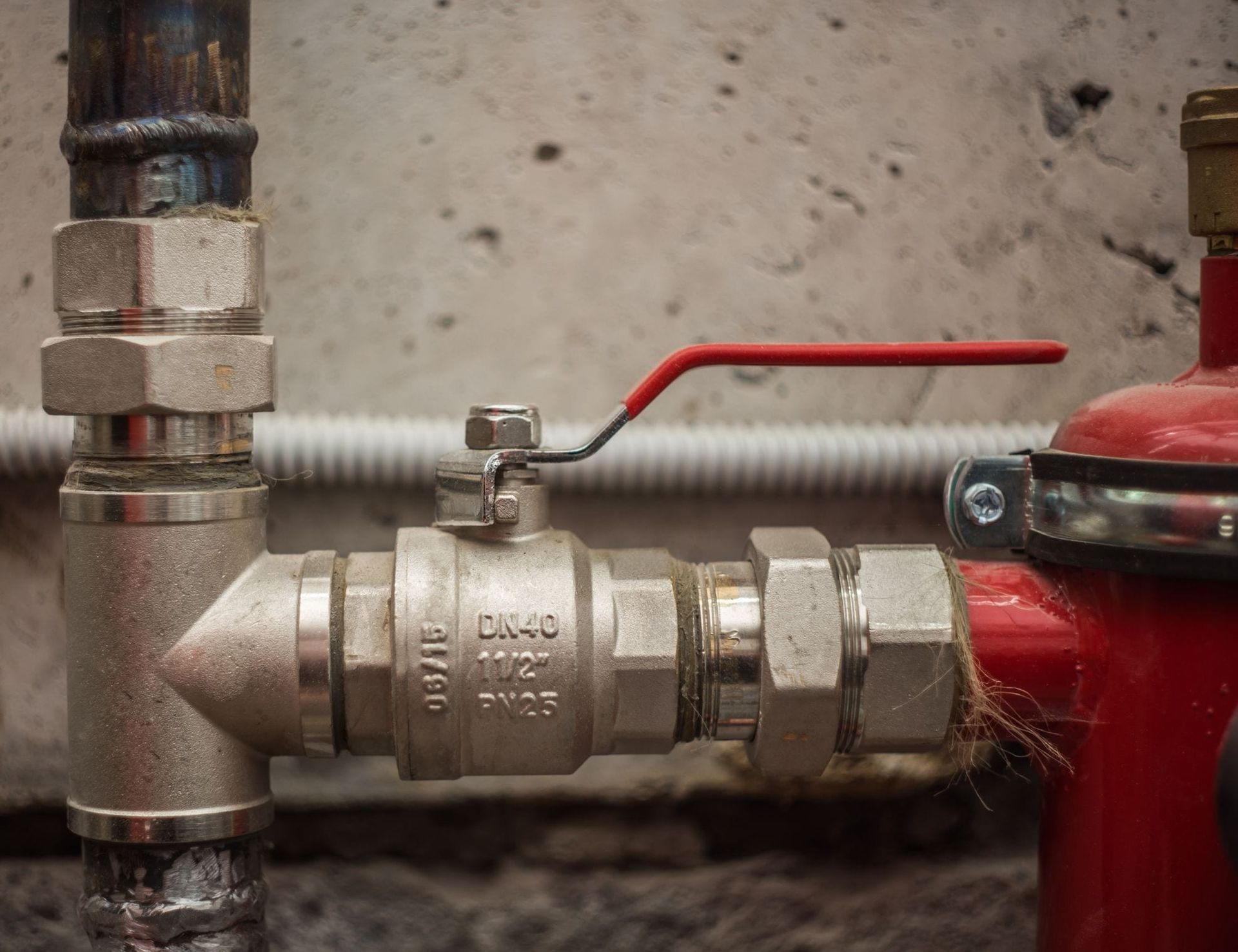
- Valve Position: Is the valve fully open? The handle should be parallel to the pipe for the valve to be fully open. If it's perpendicular, the valve is closed. It might have been accidentally turned off during landscaping or other work.
- Corrosion: Is the valve heavily corroded? Corrosion can prevent the valve from opening or closing properly. It can also lead to leaks.
- Leaks: Look for any signs of water leaking around the valve itself or the surrounding pipes.
- Obstructions: Check for any debris or obstructions that might be blocking the valve or pipes.
DIY Actions: What You Can (Safely) Do
After your initial diagnosis, here are some DIY actions you can take, keeping safety in mind. Remember, when in doubt, call a professional!
Simple Fixes (No Tools Often Needed)
- Ensure the Valve is Fully Open: If the valve isn't fully open, carefully turn the handle parallel to the pipe to fully open it. Do this gently. Forcing a stuck valve can damage it.
- Remove Obstructions: If you see any obvious debris blocking the valve or pipes, carefully remove it.
- Check for Kinks or Damage in Visible Pipes: If you see any flexible hoses or pipes leading to your heating/cooling system, check for kinks or damage. Straighten any kinks or replace damaged sections.
More Involved DIY (Basic Tools Required)
- Loosen a Stiff Valve: If the valve is stiff and difficult to turn, try spraying it with a penetrating oil (like WD-40) and gently working it back and forth. Be patient and avoid forcing it.
- Minor Leak Repair (Temporary Fix): If you find a very minor leak around a pipe fitting, you can try tightening the fitting with a wrench. Be careful not to overtighten, as this can damage the fitting. If the leak persists, call a plumber. You can also use pipe repair tape as a very temporary measure to slow a leak, but this is not a permanent solution.
- Flushing the System (Advanced - Proceed with Caution): Some hydronic systems benefit from occasional flushing to remove air and sediment. This is a more advanced procedure and should only be attempted if you are comfortable working with plumbing and understand the risks. You'll need to locate the bleed valves on your system and follow the manufacturer's instructions for flushing. Improper flushing can introduce air into the system and worsen the problem.
When to Call a Professional: Red Flags and Risks
There are definitely times when DIY troubleshooting is not the right approach. Here are some red flags that indicate you need to call a qualified HVAC technician or plumber:
- Major Leaks: Any significant water leak warrants a professional's attention. Leaks can cause water damage, mold growth, and even structural problems.
- Corroded Valves: If your underground shut-off valve is heavily corroded, attempting to operate it can cause it to break. A broken valve can result in a major water leak and require excavation to repair.
- Electrical Problems: If you suspect an electrical problem with your heating or cooling system (e.g., a constantly tripping breaker, burning smells), do not attempt to fix it yourself. Electrical work is dangerous and should only be performed by a qualified electrician.
- Refrigerant Leaks: If you suspect a refrigerant leak in your air conditioner (e.g., hissing sounds, oily residue), do not attempt to fix it yourself. Refrigerant is harmful to the environment and requires specialized equipment to handle properly.
- Geothermal System Issues: Geothermal systems are complex and require specialized knowledge to diagnose and repair. If you're experiencing problems with your geothermal system, it's best to call a qualified geothermal technician.
- Valve Stuck Solid: If you cannot turn the valve, even after applying penetrating oil and gentle pressure, do not force it. You risk breaking the valve and causing a major water leak.
- Uncertainty: If you're not comfortable working with plumbing or electrical systems, or if you're simply unsure about what to do, it's always best to call a professional. It's better to be safe than sorry.
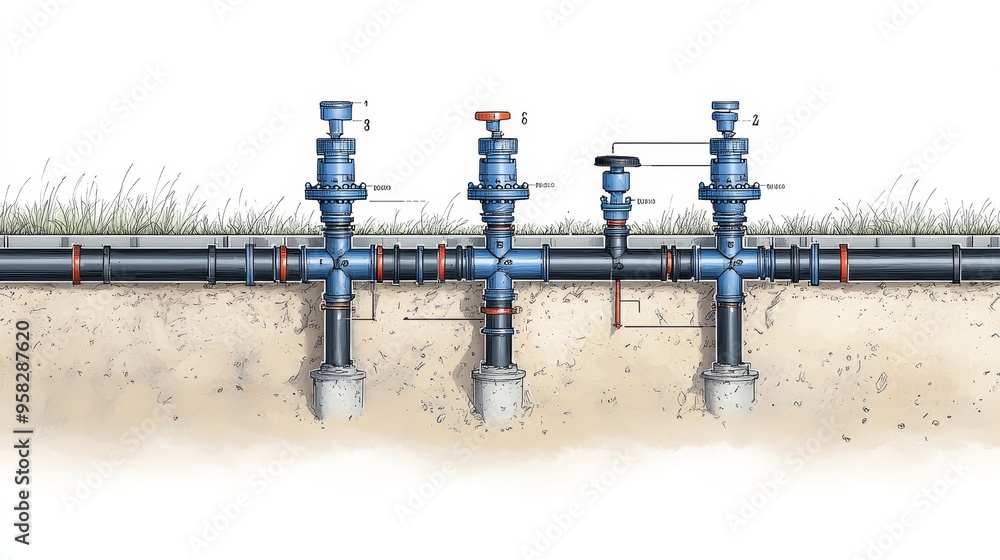
Specifically regarding underground valves: If the valve is buried under dirt or debris beyond what you can easily clear, or if the meter box is damaged, call a professional. Digging around underground utilities can be dangerous and requires specialized knowledge and equipment.
Preventative Maintenance: Avoiding Future Problems
The best way to avoid heating and cooling problems is to perform regular preventative maintenance. Here are some tips:
- Annual HVAC Inspection: Schedule an annual inspection of your heating and cooling system by a qualified technician. They can identify potential problems before they become major issues.
- Regular Air Filter Changes: Change your air filter every 1-3 months, depending on the type of filter and the amount of dust in your home.
- Inspect Visible Plumbing: Periodically inspect the visible plumbing around your heating and cooling system for leaks or corrosion.
- Exercise Valves: Occasionally (once or twice a year) turn your underground shut-off valve fully on and off to prevent it from seizing up. Do this gently.
- Protect Meter Box: Ensure that your meter box is properly protected from damage. Avoid driving over it or placing heavy objects on it.
Troubleshooting your heating and cooling system can seem daunting, but by following a methodical approach and knowing your limits, you can often diagnose and resolve simple problems yourself. Understanding your underground water shut-off valves is a key part of this process. Remember to prioritize safety and when in doubt, always call a qualified professional. With a little knowledge and some basic tools, you can keep your home comfortable and avoid costly repairs.


:max_bytes(150000):strip_icc()/water-shut-off-valve-types-2718739-06-bfb21597475148cca19ce5c9288136a8.jpg)