Underside Single Wide Mobile Home Ductwork Diagram

Understanding the ductwork under your single wide mobile home is crucial for maintaining a comfortable and energy-efficient living space. This guide provides a comprehensive overview of underside single wide mobile home ductwork, helping you understand its components, diagnose common problems, and make informed decisions about maintenance and repairs.
What is Mobile Home Ductwork?
Ductwork is the network of channels that distribute heated or cooled air throughout your mobile home. Unlike traditional homes with ductwork often hidden within walls and ceilings, mobile home ducts are typically located underneath the unit, exposed to the elements.
These ducts are responsible for delivering conditioned air from your furnace or air conditioner to the various rooms of your home. Efficient ductwork ensures even temperature distribution and minimizes energy waste. Inefficient or damaged ductwork can lead to higher energy bills, uneven heating/cooling, and poor indoor air quality.
Components of a Single Wide Mobile Home Duct System
Let's break down the key components of a typical underside duct system:
1. The Furnace/Air Conditioner
This is the heart of your HVAC (Heating, Ventilation, and Air Conditioning) system. It generates the heated or cooled air that the ductwork then distributes. Think of it as the engine powering your comfort.
2. The Plenum
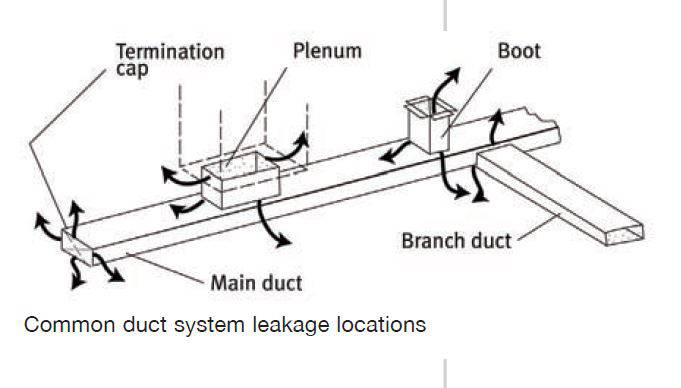
The plenum is a large, often insulated box directly attached to the furnace/air conditioner. It acts as a central distribution point, collecting the conditioned air and channeling it into the main duct lines.
3. Main Duct Lines (Trunk Lines)
These are the primary ducts that run lengthwise under your mobile home. They are usually the largest ducts in the system and carry the bulk of the conditioned air. They are the highways of your air distribution system.
4. Branch Ducts
Branch ducts are smaller ducts that extend from the main duct lines to individual registers or vents in each room. They are like the side streets that deliver air to specific destinations.
5. Registers and Vents
Registers and vents are the openings in your floors or walls where the conditioned air enters the room. Registers typically have adjustable louvers, allowing you to control the direction and volume of airflow. Vents are simpler, non-adjustable openings.
6. Crossover Ducts (Optional)
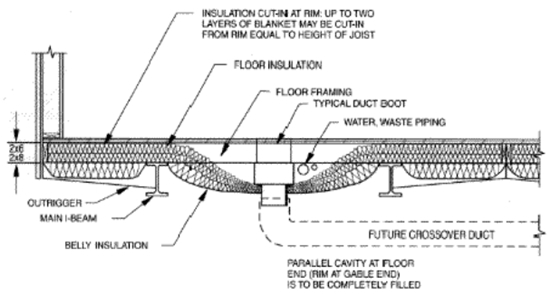
Some mobile homes, particularly those with add-on rooms or layouts, may utilize crossover ducts. These connect duct lines on opposite sides of the home, helping to balance airflow and temperature distribution.
7. Insulation
Insulation plays a vital role in maintaining the efficiency of your ductwork. It helps to prevent heat loss in winter and heat gain in summer. Ducts are typically wrapped in foil-faced fiberglass insulation. Deteriorated or missing insulation is a common problem that can significantly impact energy costs.
8. Vapor Barrier
The vapor barrier, usually a plastic or foil layer surrounding the insulation, prevents moisture from condensing on the ductwork. Moisture can lead to mold growth and corrosion, further degrading the system's performance.
Understanding a Typical Ductwork Diagram
A ductwork diagram is a visual representation of the system, showing the location of the furnace, plenum, duct lines, and registers. While specific diagrams vary depending on the mobile home model and layout, certain conventions are common.
- Furnace/AC Unit: Usually represented as a box or rectangle.
- Plenum: Shown as a larger box directly connected to the furnace/AC unit.
- Main Duct Lines: Depicted as straight lines running the length of the home.
- Branch Ducts: Shown as smaller lines branching off the main lines.
- Registers/Vents: Indicated by small squares or circles.
A good diagram will also indicate the dimensions (diameter or width/height) of the duct lines. This information is useful when replacing or repairing ductwork.
Common Problems with Underside Mobile Home Ductwork
Because they are exposed to the elements and often subject to wear and tear, underside mobile home duct systems are prone to several problems:
1. Leaks
Leaks are perhaps the most common problem. They can occur at joints, seams, or due to physical damage to the duct material. Leaks result in a loss of conditioned air, leading to higher energy bills and uneven temperatures.
2. Sagging and Disconnection
Over time, ductwork can sag due to gravity or inadequate support. Sagging can lead to disconnections at joints, creating significant leaks. Animal activity (rodents, insects) can also contribute to disconnections.
3. Damaged Insulation
Insulation can be damaged by moisture, pests, or physical contact. Compromised insulation reduces the ductwork's ability to maintain temperature, increasing energy loss.
4. Moisture and Mold
Moisture, often caused by condensation or leaks, can create a breeding ground for mold. Mold growth can degrade the ductwork and release harmful spores into the air.
5. Rodent and Pest Infestation
Ductwork provides a sheltered environment for rodents and pests. They can chew through duct material, damage insulation, and contaminate the air with their droppings.
6. Blockages
Blockages can occur due to collapsed ductwork, debris accumulation, or even rodent nests. Blockages restrict airflow, reducing the efficiency of the system.
Diagnosing Ductwork Problems
Identifying ductwork problems early can save you money and prevent further damage. Here are some signs to look for:
- Higher than usual energy bills: A sudden increase in your heating or cooling costs could indicate a ductwork problem.
- Uneven temperatures in different rooms: If some rooms are consistently warmer or colder than others, it may be due to leaks or blockages in the ductwork.
- Visible damage to the ductwork: Inspect the underside of your mobile home for sagging, tears, or holes in the duct material.
- Drafts near registers or vents: Drafts can indicate leaks around the registers or in the ductwork.
- Musty odors: A musty smell could indicate mold growth in the ductwork.
- Visible signs of pests: Look for rodent droppings or insect activity near the ductwork.
You can perform a simple visual inspection yourself. Use a flashlight to examine the ductwork under your home. Look for any of the signs listed above. It is always safest to turn off the power to your furnace/AC before crawling under your home for an inspection.
Repairing and Maintaining Your Ductwork
Depending on the severity of the problem, you may be able to handle some minor repairs yourself. However, major repairs or replacements should be left to a qualified HVAC technician.
DIY Repairs
- Sealing small leaks: Use foil tape or duct sealant to seal small leaks at joints and seams.
- Reinforcing sagging ducts: Use straps or supports to lift and support sagging sections of ductwork.
- Replacing damaged insulation: Replace sections of damaged insulation with new foil-faced fiberglass insulation, ensuring a tight vapor barrier.
Professional Repairs
- Replacing damaged duct sections: An HVAC technician can replace severely damaged sections of ductwork with new materials.
- Sealing major leaks: Professional duct sealing involves using specialized equipment and techniques to seal all leaks in the system.
- Insulating ducts: A technician can properly insulate your ducts to improve energy efficiency.
- Cleaning ducts: Professional duct cleaning can remove dust, debris, and mold from the ductwork.
Preventative Maintenance
Regular maintenance can help prevent problems and extend the life of your ductwork:
- Inspect your ductwork regularly: Check for leaks, sagging, and damage.
- Seal any small leaks promptly: Addressing small problems early can prevent them from becoming larger issues.
- Trim vegetation around your mobile home: This can help prevent rodent infestations.
- Consider professional duct cleaning every few years: This can improve air quality and system efficiency.
Replacing Your Mobile Home Ductwork
In some cases, the ductwork may be too damaged or deteriorated to repair. If this is the case, replacement is the best option. Replacing your ductwork can significantly improve energy efficiency and indoor air quality.
When replacing ductwork, it's important to choose the right materials and sizes. A qualified HVAC technician can assess your needs and recommend the appropriate ductwork for your mobile home. Consider using insulated flexible ductwork, which is easy to install and provides good thermal performance.
Cost Considerations
The cost of repairing or replacing mobile home ductwork can vary depending on the scope of the project. Minor repairs may cost a few hundred dollars, while a full replacement can cost several thousand. Get quotes from multiple HVAC contractors to ensure you are getting a fair price.
When evaluating quotes, be sure to consider the quality of the materials being used and the experience of the contractor. Choosing a reputable and experienced contractor is essential for ensuring a proper installation.
Conclusion
Understanding the ductwork under your single wide mobile home is essential for maintaining a comfortable and energy-efficient living space. By understanding the components of the system, recognizing common problems, and performing regular maintenance, you can keep your ductwork in good condition and avoid costly repairs. When in doubt, consult with a qualified HVAC technician to ensure your ductwork is functioning properly.