Upgrade Furnace Blower Motor

Upgrade Your Furnace Blower Motor: Save Energy and Money
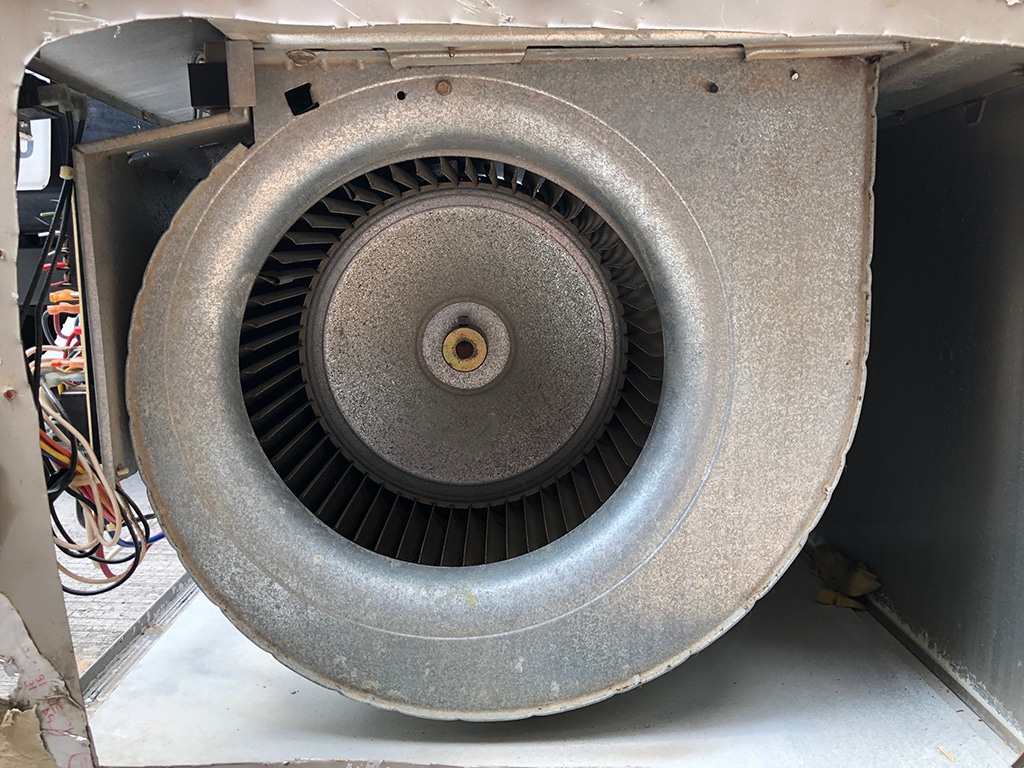
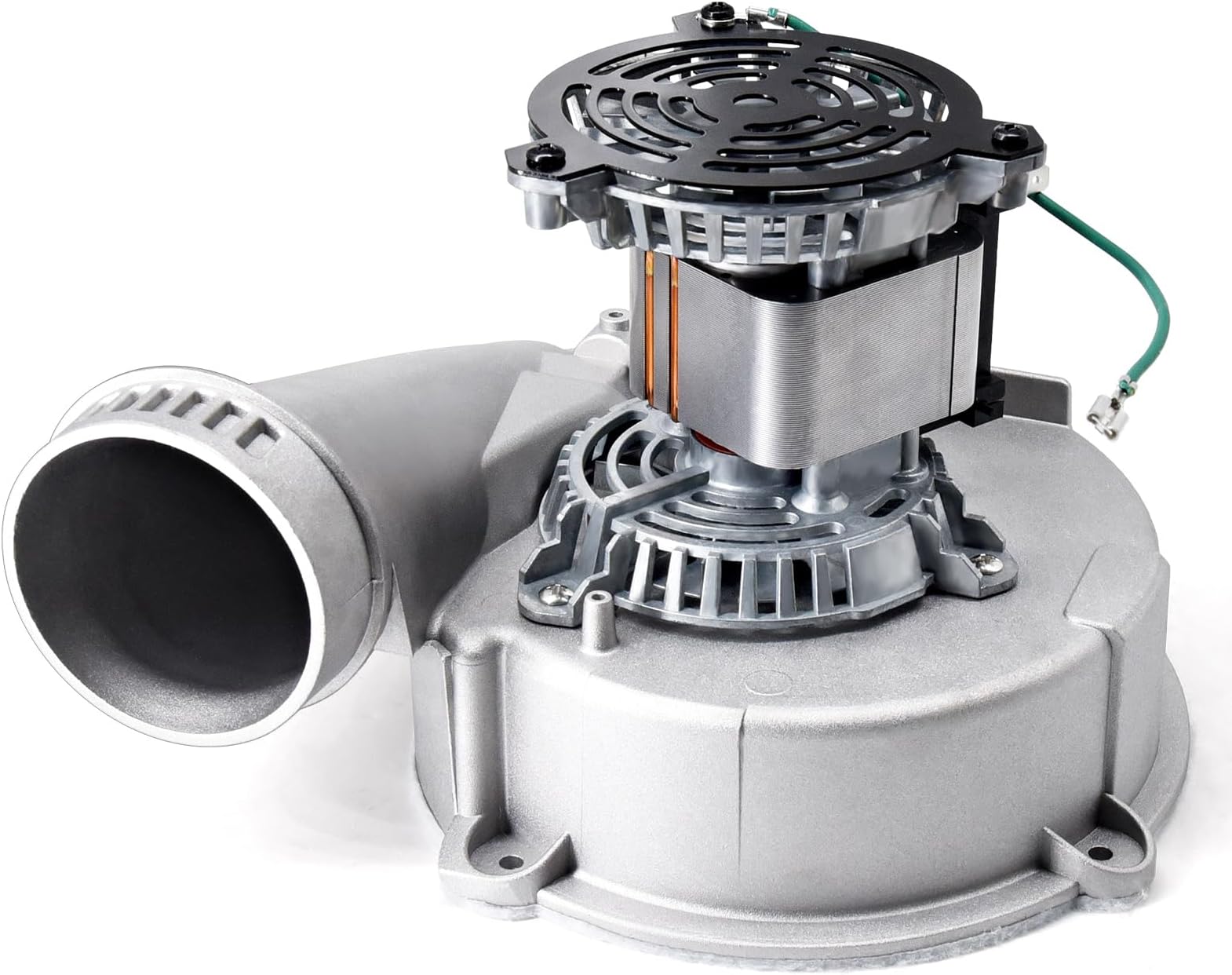
The heart of your home's forced-air heating and cooling system, the furnace blower motor, often gets overlooked. But upgrading to a more efficient blower motor can significantly reduce your energy consumption and lower your utility bills. This article explores the benefits of upgrading your furnace blower motor, different types of motors available, installation considerations, and how to integrate a new motor with smart home technology.
Why Upgrade Your Furnace Blower Motor?
The primary reason to upgrade your furnace blower motor is energy savings. Older furnaces typically use single-speed or PSC (Permanent Split Capacitor) motors. These motors run at a constant speed, regardless of the heating or cooling demand. This means they consume a significant amount of energy even when the system is running at low capacity.
Modern furnaces, especially those with Energy Star certification, often utilize ECMs (Electronically Commutated Motors), also known as variable-speed motors. ECMs are significantly more efficient than PSC motors because they can adjust their speed based on the heating or cooling demand. This allows them to use only the necessary amount of energy to circulate air, resulting in substantial energy savings.
Consider these points:
- Energy Savings: ECMs can save up to 80% of the electricity used by a PSC motor. This translates into hundreds of dollars saved annually on your energy bill.
- Improved Comfort: Variable-speed motors provide more consistent airflow and temperature throughout your home, eliminating hot and cold spots.
- Quieter Operation: ECMs operate much more quietly than PSC motors, reducing noise pollution in your home.
- Extended Equipment Life: Reduced stress on the system due to optimized airflow can potentially extend the lifespan of other HVAC components.
- Better Air Filtration: Many ECMs can run continuously at a very low speed, constantly filtering the air and improving indoor air quality.
Types of Furnace Blower Motors: PSC vs. ECM
PSC (Permanent Split Capacitor) Motors
PSC motors are the traditional type of blower motor found in older furnaces. They are relatively inexpensive but also the least energy-efficient. They run at a single speed and consume a constant amount of energy, regardless of the heating or cooling demand.
Pros:
- Lower initial cost
- Simple design and easier to repair
Cons:
- High energy consumption
- Noisy operation
- Single-speed operation
ECM (Electronically Commutated Motor) or Variable-Speed Motors
ECMs are the modern, energy-efficient alternative to PSC motors. They use electronic controls to adjust their speed based on the heating or cooling demand. This allows them to use only the necessary amount of energy to circulate air, resulting in significant energy savings. Many high-efficiency furnaces exceeding the minimum AFUE ratings mandated by the Department of Energy (DOE) utilize ECMs.
Pros:
- High energy efficiency
- Quiet operation
- Variable-speed operation for improved comfort
- Continuous fan operation for better air filtration
Cons:
- Higher initial cost
- More complex design
Which type of motor is right for you? The answer depends on your budget and energy-saving goals. If you're looking to maximize energy savings and improve comfort, an ECM is the clear choice. However, if you're on a tight budget and only need a basic replacement, a PSC motor may be a more affordable option. However, consider the long-term operating costs before deciding. A higher upfront investment in an ECM can often pay for itself through energy savings over time.
Installation Considerations
Upgrading your furnace blower motor is not always a straightforward DIY project. It's crucial to consider several factors before attempting the installation:
- Compatibility: Ensure the new motor is compatible with your furnace's make and model. Check the manufacturer's specifications and consult with an HVAC professional if needed.
- Electrical Wiring: Proper electrical wiring is essential for safe and efficient operation. If you're not comfortable working with electricity, hire a qualified electrician.
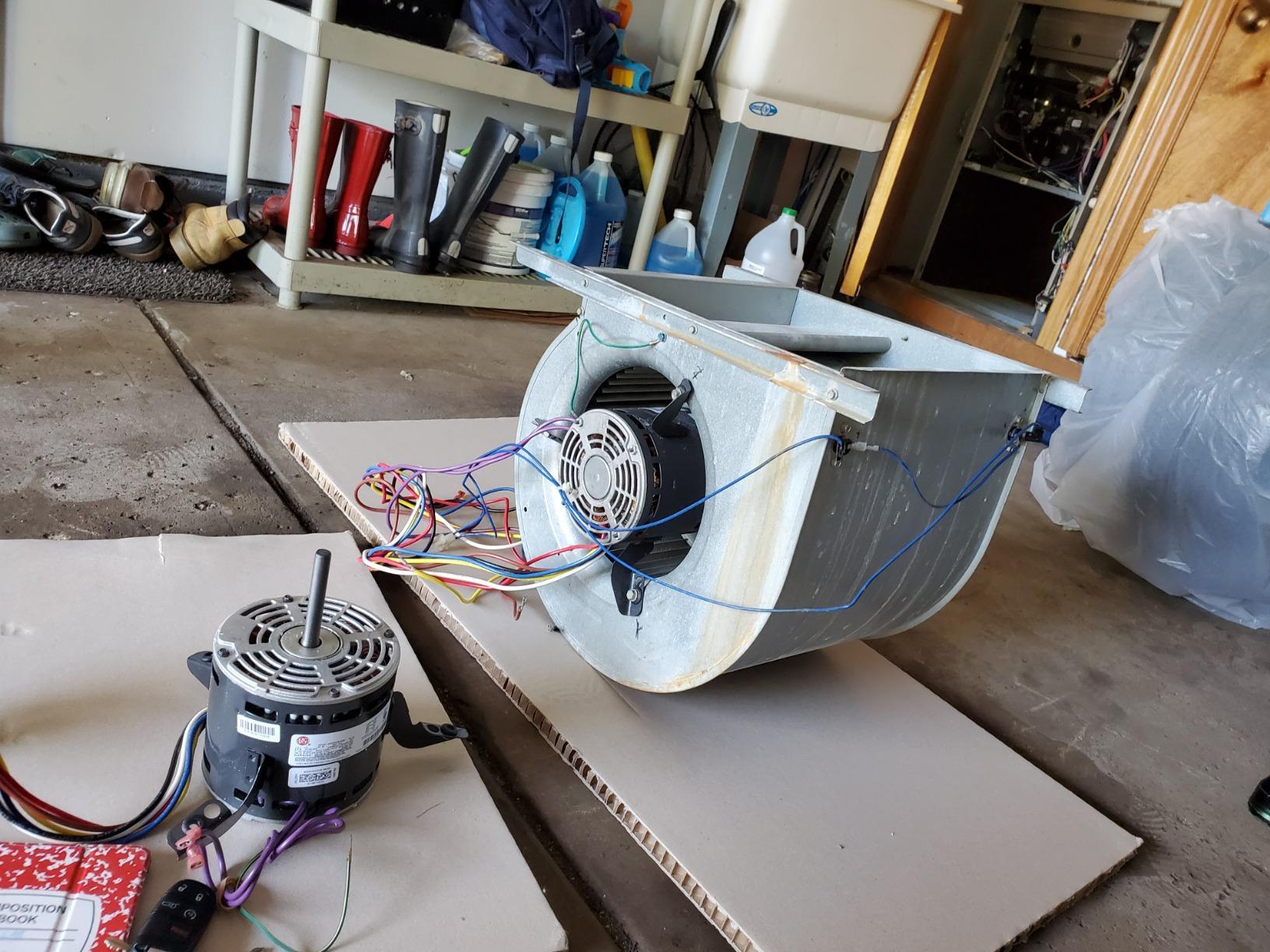
- Motor Mounting: The motor must be properly mounted to the blower assembly. Use the correct hardware and ensure the motor is securely fastened.
- Airflow Adjustment: After installation, you may need to adjust the airflow settings to optimize performance. This may require specialized tools and knowledge.
Professional Installation: While DIY installation is possible, it's generally recommended to hire a qualified HVAC contractor. A professional can ensure the motor is installed correctly and safely, and they can also help you optimize the system for maximum energy savings.
Cost and ROI of Upgrading to an ECM
The cost of upgrading to an ECM can vary depending on the motor's size, features, and the complexity of the installation. Expect to pay anywhere from $300 to $800 for the motor itself, plus installation costs if you hire a professional. The initial cost may seem high, but the long-term energy savings can quickly offset the investment.
Calculating ROI: To calculate the ROI of upgrading to an ECM, consider the following factors:
- Energy Consumption: Estimate your current energy consumption for the furnace blower motor.
- Energy Savings: Estimate the energy savings you'll achieve with an ECM (typically 50-80%).
- Energy Cost: Determine your current energy cost per kilowatt-hour (kWh).
- Installation Cost: Include the cost of the motor and installation.
For example, let's say your current blower motor consumes 500 watts, and you run it for 1,000 hours per year. With an ECM, you can save 60% of that energy. If your energy cost is $0.15 per kWh, your annual energy savings would be:
(500 watts * 1,000 hours * 0.60) / 1,000 = 300 kWh
300 kWh * $0.15/kWh = $45 savings per year
Rebates and Incentives: Many utility companies and government agencies offer rebates and incentives for energy-efficient upgrades, including ECMs. Check with your local utility company and state energy office to see if you're eligible for any rebates. The Database of State Incentives for Renewables & Efficiency (DSIRE) is a great resource for finding these programs.
Integrating with Smart Home Technology
Upgrading to an ECM opens up new possibilities for integrating your HVAC system with smart home technology. Smart thermostats, sensors, and control systems can further optimize energy savings and improve comfort.
Smart Thermostats: Smart thermostats learn your heating and cooling preferences and automatically adjust the temperature to save energy. They can also be controlled remotely via a smartphone app. Many smart thermostats are designed to work seamlessly with variable-speed ECMs, taking full advantage of their capabilities. Look for thermostats that are Energy Star certified.
Sensors: Sensors can monitor temperature and humidity levels in different rooms of your home, allowing the smart thermostat to adjust the airflow accordingly. This can help eliminate hot and cold spots and improve overall comfort.
Control Systems: Advanced control systems can integrate your HVAC system with other smart home devices, such as lighting and window shades. This allows you to create a fully automated energy-efficient home.
Benefits of Smart Home Integration:
- Enhanced Energy Savings: Smart home technology can optimize energy consumption even further, reducing your utility bills.
- Improved Comfort: Smart thermostats and sensors can maintain consistent temperature and humidity levels throughout your home.
- Remote Control: You can control your HVAC system remotely via a smartphone app, allowing you to adjust the temperature before you arrive home.
- Data Monitoring: Smart home systems can track your energy consumption and provide insights into how you can save even more energy.
Choosing the Right ECM for Your Furnace
Selecting the appropriate ECM for your furnace requires careful consideration. Here are key factors to keep in mind:
- Horsepower (HP): Match the HP of the new motor to the HP of the old motor or the furnace manufacturer's specifications. An undersized motor won't provide adequate airflow, while an oversized motor will waste energy.
- Voltage and Amperage: Ensure the voltage and amperage ratings of the new motor match your furnace's electrical system.
- Motor Speed (RPM): While ECMs are variable-speed, understanding the motor's maximum RPM is important for ensuring adequate airflow.
- Physical Dimensions: Verify that the new motor will physically fit into the existing blower assembly.
- Shaft Size and Rotation: The shaft size and rotation direction must match the blower wheel.
Consult with an HVAC Professional: It's always best to consult with a qualified HVAC professional to ensure you choose the right ECM for your furnace and that it's installed correctly. They can assess your specific needs and recommend the best solution for your home.
Conclusion
Upgrading your furnace blower motor to an ECM is a smart investment that can save you money on your energy bills, improve your comfort, and enhance your home's energy efficiency. While the initial cost may be higher, the long-term benefits far outweigh the investment. By carefully considering the factors discussed in this article and consulting with an HVAC professional, you can choose the right ECM for your furnace and enjoy years of energy savings and improved comfort.