Use Of A Ball Peen Hammer

The Unsung Hero of HVAC: Mastering the Ball Peen Hammer
While modern HVAC work increasingly relies on digital diagnostics and specialized tools, the humble ball peen hammer remains a vital part of any technician's toolkit – and a useful addition to your own, even for basic homeowner tasks. This isn't about brute force; it's about precision, control, and understanding its specific applications. This guide will explore how a ball peen hammer can be your ally in maintaining your HVAC system, while emphasizing safety and when to call a pro.
Why a Ball Peen Hammer for HVAC?
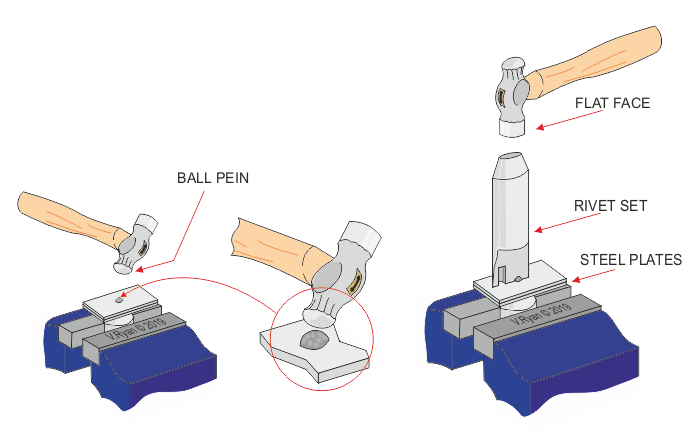
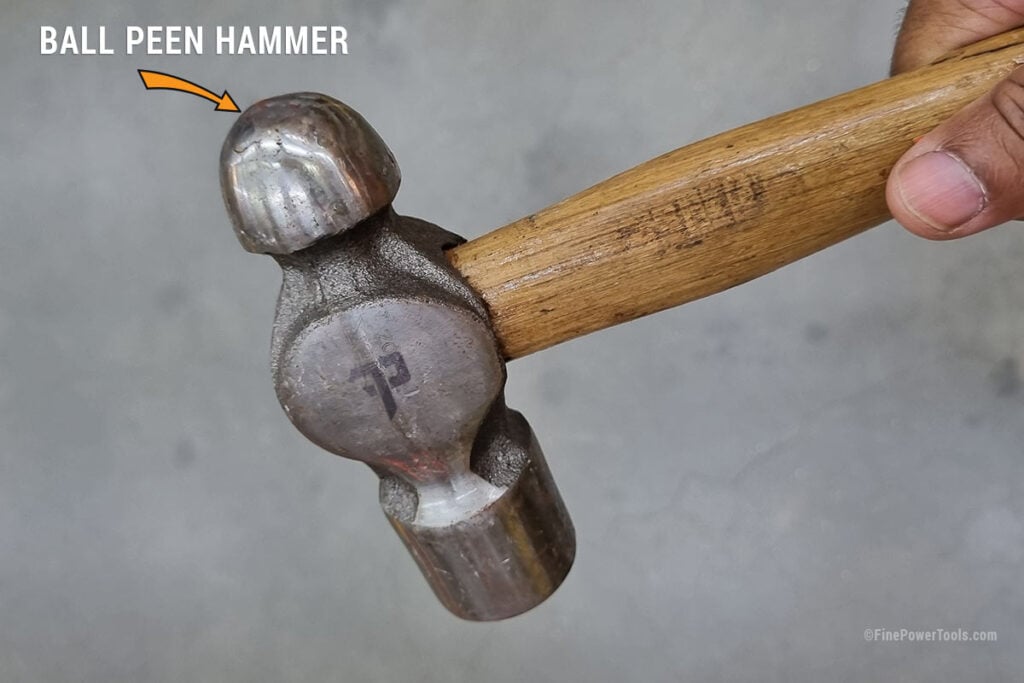
Unlike a claw hammer designed for demolition and nailing, the ball peen hammer offers a balanced head with two distinct faces: a flat striking face and a rounded "ball peen." This design allows for:
- Precise Metal Shaping: The ball peen is ideal for shaping softer metals like copper and aluminum, crucial for ductwork and refrigerant lines.
- Riveting: A common task in older HVAC equipment repair.
- Punching and Chisel Work: When paired with punches and chisels, it can help loosen stuck components or cut metal.
- Light Demolition (with caution): For freeing rusted parts or disassembling components, but use sparingly.
Essential HVAC Tasks Where a Ball Peen Hammer Helps
Here are several scenarios where a ball peen hammer can be invaluable. Always disconnect power before working on any electrical components!
1. Loosening Rusted Fasteners:
Rust is the enemy of HVAC systems, especially outdoor units. Before resorting to force, try tapping around the head of a rusted bolt or nut with the flat face of the hammer. The vibrations can help break the rust bond.
Steps:
- Apply penetrating oil (like WD-40 or Liquid Wrench) to the fastener. Let it soak for 15-30 minutes.
- Using the flat face of the hammer, gently tap around the bolt head, rotating the fastener slightly after each tap.
- Try loosening the fastener with a wrench or socket. If it still resists, repeat steps 1 and 2.
- If the fastener shears off, consider using a bolt extractor kit (for DIYers) or call a professional to avoid further damage.
Safety Tip: Wear safety glasses to protect your eyes from flying debris.
2. Adjusting Sheet Metal Ductwork:
Ductwork can sometimes become dented or misaligned, affecting airflow. The ball peen hammer, used carefully, can help reshape and realign sections.
Steps:
- Identify the dent or misalignment.
- Place a block of wood against the inside of the ductwork behind the dent.
- Using the ball peen, gently tap the dent from the outside, working from the edges towards the center.
- For misalignments, use the ball peen to gently bend the metal back into shape.
Warning: Avoid excessive force, as this can damage the ductwork or create new leaks. Seal any seams or joints with foil tape after adjustment.
3. Shaping Copper Tubing (with Proper Tools):
While specialized tube benders are preferred, the ball peen hammer can assist in minor adjustments to copper refrigerant lines, but only when using forming tools. Never directly hammer copper lines!
Example: Using a flaring tool to create a leak-proof connection.
Steps:
- Secure the copper tubing in the flaring block of the flaring tool.
- Insert the flaring cone into the tubing.
- Gently tap the flaring cone with the flat face of the hammer to help it evenly spread the copper.
- Tighten the flaring nut according to the tool's instructions.
Crucial Note: Working with refrigerant lines requires specialized knowledge and equipment. Improper handling can release harmful refrigerants and damage your system. This is generally a job for a qualified HVAC technician.
4. Punching Holes in Sheet Metal:
Sometimes, you might need to create a small hole in sheet metal for wiring or access. A center punch and ball peen hammer are useful here.
Steps:
- Mark the location of the hole.
- Place the tip of the center punch on the mark.
- Strike the head of the center punch firmly with the flat face of the hammer.
- Use a drill with the appropriate size drill bit to enlarge the pilot hole created by the punch.
Safety Tip: Use a metal cutting lubricant (like cutting oil) while drilling to prevent the drill bit from overheating and breaking.
Choosing the Right Ball Peen Hammer
For HVAC work, a 4-8 ounce ball peen hammer is generally sufficient. Larger hammers are unnecessary and can lead to over-striking and damage. Look for a hammer with a well-balanced head and a comfortable handle (wood, fiberglass, or composite). Ensure the head is securely attached to the handle.
Essential Tools to Pair with Your Ball Peen Hammer
- Safety Glasses: Mandatory for all hammering tasks.
- Work Gloves: To protect your hands.
- Center Punch: For creating pilot holes.
- Metal Chisels: For cutting and shaping metal.
- Penetrating Oil: To loosen rusted fasteners.
- Flaring Tool: For creating leak-proof copper connections (requires expertise).
- Foil Tape: To seal ductwork seams and joints.
- Tube Bender: For bending copper tubing without kinking.
When to Call a Professional HVAC Technician
While a ball peen hammer can be helpful for minor tasks, many HVAC repairs are best left to professionals. Here are some situations where you should always call a qualified technician:
- Refrigerant Leaks: Handling refrigerant requires specialized equipment and certification.
- Electrical Problems: Working with high-voltage electricity is dangerous.
- Complex Component Replacements: Compressors, expansion valves, and other critical components require specialized knowledge and tools.
- Furnace Issues: Gas furnaces involve combustible fuels and potential carbon monoxide hazards.
- Any Task You're Uncomfortable With: Safety is paramount. If you're unsure about a repair, don't hesitate to call a professional.
Estimating Repair Costs
Providing accurate cost estimates is difficult without knowing the specific problem and your location. However, here's a general idea of common HVAC repair costs:
- Simple Repairs (e.g., replacing a capacitor): $100 - $300
- Ductwork Repair: $200 - $800 (depending on the extent of the damage)
- Refrigerant Recharge: $150 - $500 (depending on the amount of refrigerant needed and leak repair)
- Compressor Replacement: $800 - $2,000+
- Furnace Repair (e.g., replacing a gas valve): $200 - $600
Note: These are just estimates. Always get a quote from a licensed and insured HVAC contractor before proceeding with any repairs.
Safety First!
Working with HVAC equipment can be dangerous. Always follow these safety precautions:
- Disconnect Power: Turn off the power to the unit at the breaker before starting any work.
- Wear Safety Gear: Safety glasses, gloves, and appropriate clothing are essential.
- Read the Manual: Familiarize yourself with the equipment's operating instructions and safety warnings.
- Work in a Well-Ventilated Area: Especially when working with refrigerants or chemicals.
- Know Your Limits: Don't attempt repairs beyond your skill level.
The ball peen hammer, used with knowledge and care, can be a valuable tool for HVAC maintenance and minor repairs. However, always prioritize safety and know when to call a professional. With the right approach, you can keep your HVAC system running smoothly and efficiently.