Valor Fireplace Remote Control
Valor fireplaces are renowned for their efficiency, style, and user-friendly operation, a large part of which is thanks to their sophisticated remote control systems. This guide will walk you through everything you need to know about Valor fireplace remote controls, from basic operation to troubleshooting common issues.
Understanding Your Valor Fireplace Remote Control
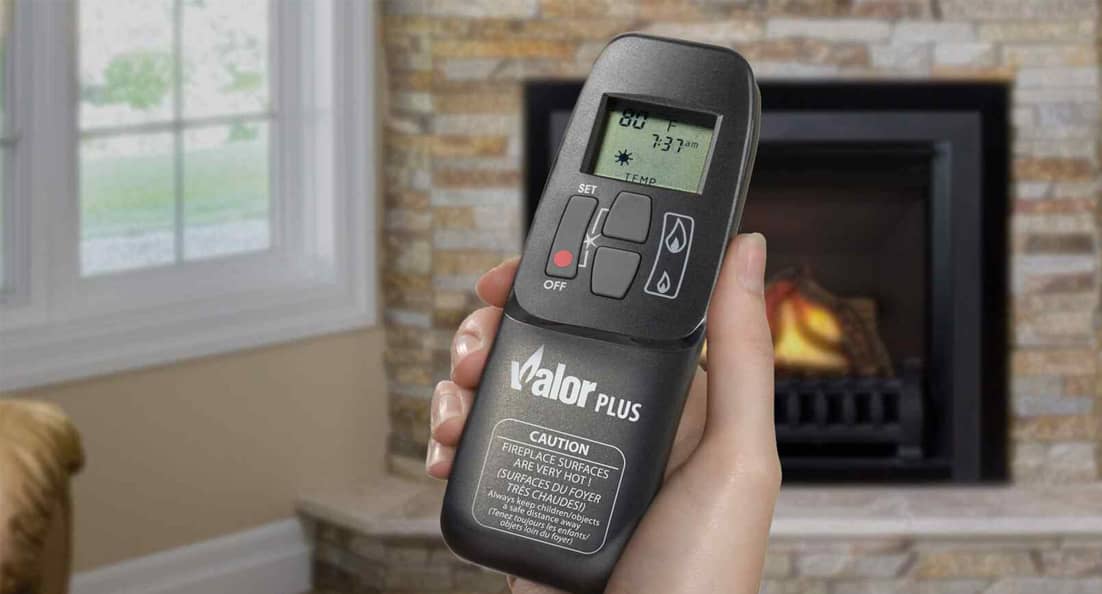
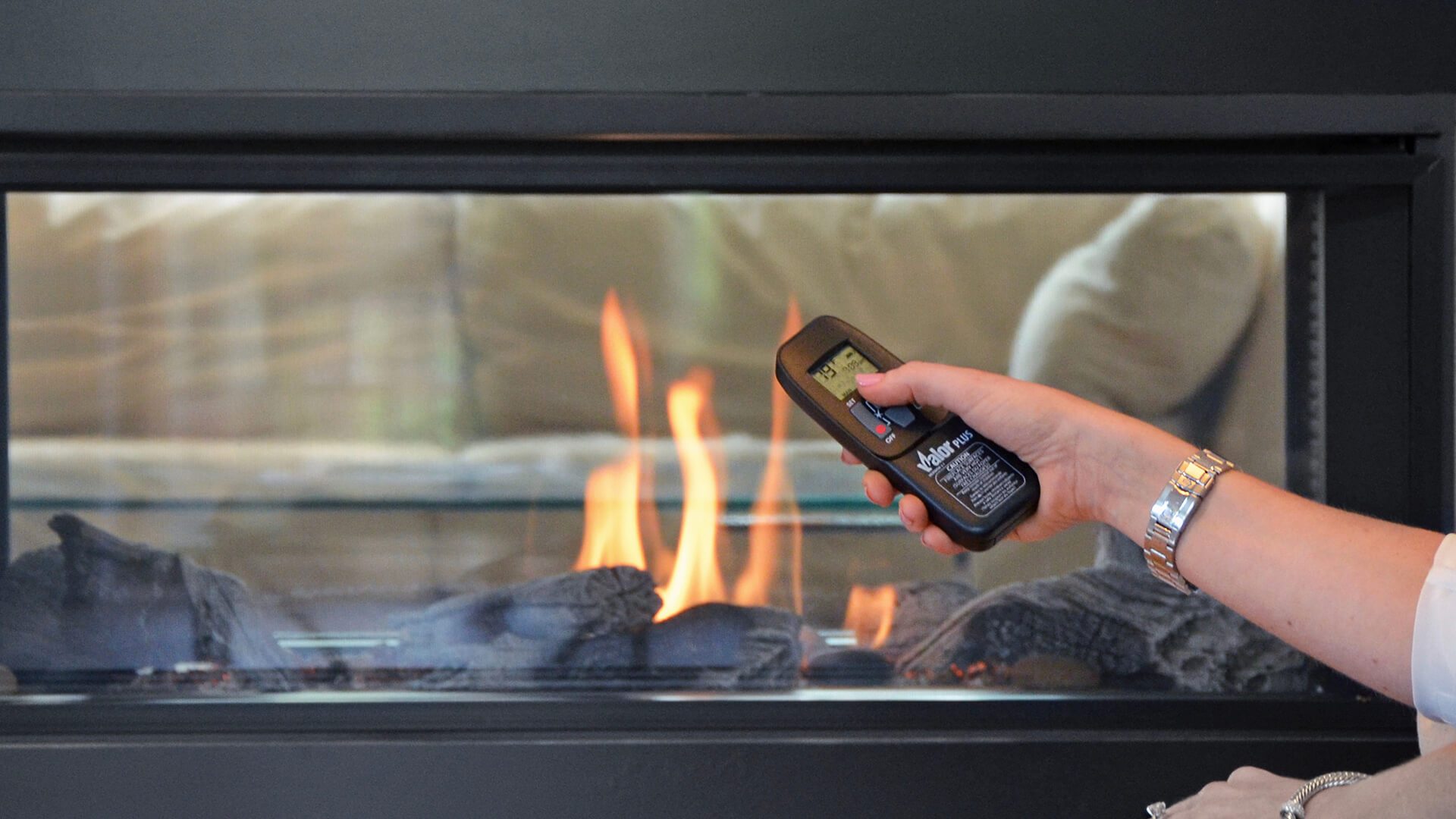
The Valor remote control isn't just an on/off switch. It's a mini-computer designed to manage various aspects of your fireplace's performance, providing precise temperature control and energy efficiency. It communicates wirelessly with the fireplace receiver, which then relays instructions to the gas valve and other components.
Key Features and Functions
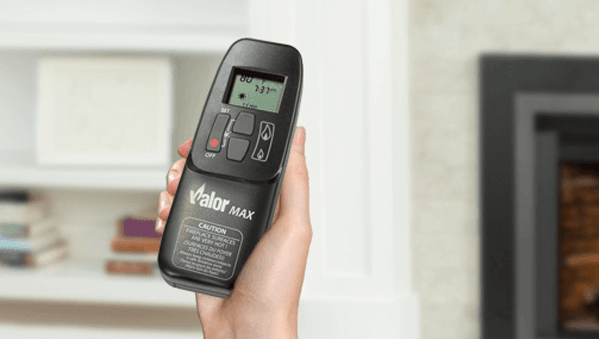
Valor remotes typically offer a range of features, though the specific functionalities can vary depending on the model. Here are some common features you'll likely encounter:
- On/Off Control: This is the most basic function, allowing you to ignite or extinguish the fireplace.
- Thermostatic Control: This allows you to set a desired room temperature, and the fireplace will automatically adjust its flame height to maintain that temperature. Think of it like your home's central heating system, but focused specifically on the fireplace area.
- Modulating Flame Height: This allows you to manually adjust the height of the flames, giving you more control over the heat output and ambiance.
- Countdown Timer: Set a timer for the fireplace to automatically turn off after a specified period. This is perfect for creating a cozy atmosphere before bedtime without worrying about wasting energy.
- Child Lock: Prevents accidental operation of the fireplace, especially important if you have children or pets.
- Fan Control (if applicable): Some Valor fireplaces have built-in fans to circulate heat more effectively. The remote may allow you to adjust the fan speed or turn it on/off.
- Comfort Control: Some advanced models offer features to maintain a minimum room temperature to prevent pipes from freezing during cold periods.
- Battery Indicator: Alerts you when the remote's batteries are running low.
Types of Valor Remote Controls
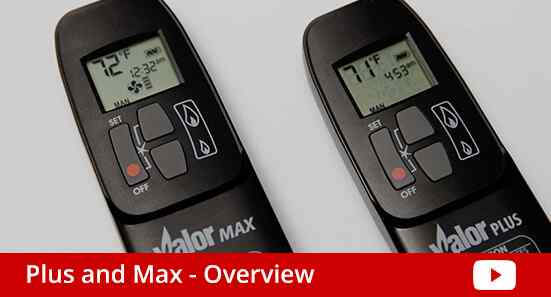
Valor uses different types of remote controls depending on the fireplace model. Some common types include:
- Basic On/Off Remotes: These remotes offer the simplest functionality, primarily on/off control and potentially basic flame height adjustment.
- Thermostatic Remotes: These remotes feature thermostatic control, allowing you to set a desired room temperature.
- Programmable Remotes: These offer advanced features like programmable timers and custom temperature settings for different days of the week.
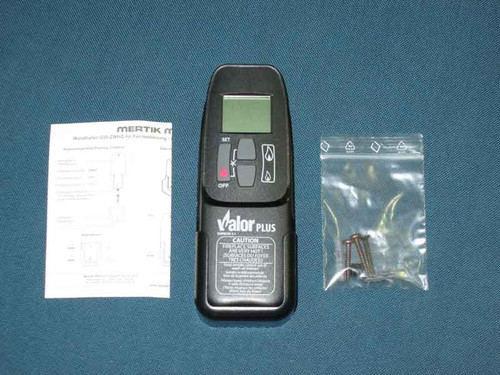
It's essential to consult your fireplace's user manual to identify the specific type of remote control you have and understand its functionalities.
Operating Your Valor Fireplace Remote
While the specific button layout may vary, the basic principles of operating a Valor remote are generally the same.
Turning the Fireplace On and Off
Typically, there's a dedicated "On/Off" button. Pressing it once will usually ignite the pilot light (if equipped) and then the main burner. Pressing it again will extinguish the flames.
Setting the Thermostat
To use thermostatic control, you'll usually need to:
- Press the "Thermostat" button.
- Use the "+" and "-" buttons to set your desired room temperature.
- The remote will then communicate with the fireplace to adjust the flame height as needed to maintain that temperature.
Remember that the thermostat reading is based on the temperature detected by the remote itself. Position the remote in a representative location in the room, away from direct sunlight or drafts, for accurate temperature control.
Adjusting Flame Height Manually
If you prefer to control the flame height manually, look for buttons labeled with flame icons or "+" and "-" symbols that control the flame. Pressing "+" will increase the flame height, while pressing "-" will decrease it.
Using the Timer Function
To set a timer, locate the "Timer" button. You'll typically use the "+" and "-" buttons to set the desired duration (e.g., 30 minutes, 1 hour, 2 hours). Once the timer is set, the fireplace will automatically turn off after the specified time has elapsed.
Activating the Child Lock
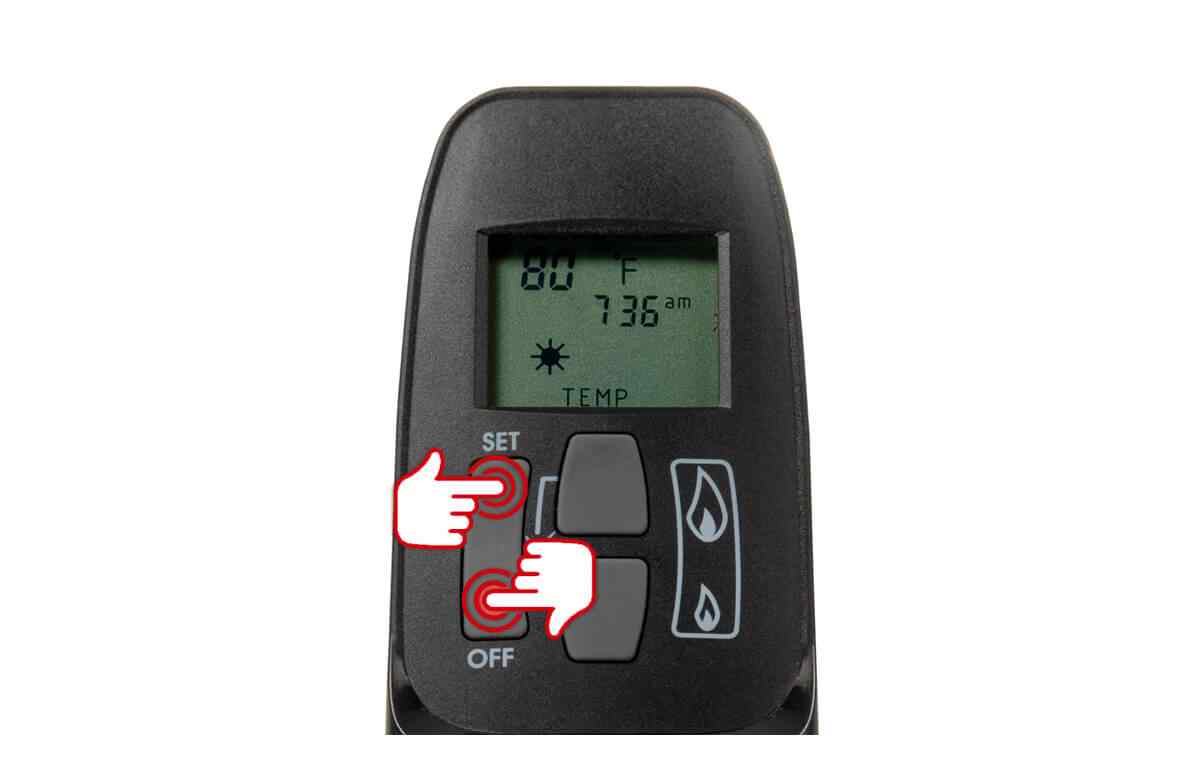
The child lock function usually involves pressing and holding a specific button combination (consult your manual). Once activated, the remote will be locked, preventing accidental operation.
Troubleshooting Common Issues
Even with proper care, you might encounter issues with your Valor remote. Here's a troubleshooting guide to help you resolve common problems:
Remote Not Responding
- Check the Batteries: This is the most common cause of remote issues. Replace the batteries with fresh ones of the correct type.
- Check the Receiver: Ensure the fireplace receiver is properly connected and powered on. Sometimes, a tripped circuit breaker can cause the receiver to lose power.
- Obstructions: Make sure there are no obstructions between the remote and the fireplace receiver. Walls, furniture, and even other electronic devices can interfere with the signal.
- Remote Needs Reprogramming: In some cases, the remote may need to be reprogrammed to communicate with the receiver. Consult your user manual for instructions on how to pair the remote with the fireplace. This often involves pressing a specific button on the receiver itself.
- Interference: Other electronic devices in your home could be interfering with the remote's signal. Try moving the remote closer to the fireplace and turning off any potentially interfering devices (e.g., Wi-Fi routers, cordless phones) temporarily.
Fireplace Turns On But Won't Turn Off
- Check the Remote's Buttons: Ensure that the "Off" button is not stuck or malfunctioning.
- Receiver Malfunction: A faulty receiver could be the culprit. In this case, you'll likely need to contact a qualified technician for repair or replacement.
- Gas Valve Issues: Although rare, a stuck gas valve can prevent the fireplace from turning off. This is a serious safety concern and requires immediate attention from a qualified technician.
Fireplace Won't Ignite
- Check Gas Supply: Make sure the gas supply to the fireplace is turned on.
- Pilot Light (if applicable): If your fireplace has a pilot light, ensure it's lit. If it's not, follow the instructions in your user manual to relight it.
- Thermocouple/Thermopile Issues (if applicable): These components are responsible for sensing the pilot light flame and allowing the gas valve to open. If they're faulty, the fireplace won't ignite. Contact a qualified technician.
- Igniter Issues: Some fireplaces use an electronic igniter instead of a pilot light. If the igniter is faulty, the fireplace won't ignite. Contact a qualified technician.
Inconsistent Flame Height
- Low Gas Pressure: Insufficient gas pressure can cause inconsistent flame height. Contact your gas company to check the pressure.
- Dirty Burner: A dirty burner can restrict gas flow and cause uneven flames. Clean the burner according to the manufacturer's instructions.
- Faulty Gas Valve: A malfunctioning gas valve can cause inconsistent gas flow. Contact a qualified technician.
Error Codes Displayed on Remote
If your remote displays an error code, consult your user manual for a description of the code and recommended solutions. Common error codes relate to communication issues between the remote and receiver, low battery levels, or sensor malfunctions.
Maintaining Your Valor Fireplace Remote
Proper maintenance can extend the life of your Valor remote and ensure reliable performance.
- Replace Batteries Regularly: Even if the battery indicator isn't showing low, it's a good idea to replace the batteries at least once a year.
- Clean the Remote: Wipe the remote with a soft, damp cloth to remove dust and dirt. Avoid using harsh chemicals or abrasive cleaners.
- Store the Remote Properly: When not in use, store the remote in a safe place, away from direct sunlight, extreme temperatures, and moisture.
- Professional Inspection: Schedule regular maintenance checks with a qualified technician to ensure your fireplace and remote are in optimal working condition.
When to Call a Professional
While many remote control issues can be resolved with basic troubleshooting, some problems require professional assistance. It's essential to contact a qualified technician if you suspect a gas leak, encounter any issues with the gas valve, or are uncomfortable performing any repairs yourself. Attempting to repair gas appliances without proper training and experience can be dangerous.
By understanding the features of your Valor fireplace remote and following these troubleshooting tips, you can ensure years of comfortable and reliable operation. Remember to always consult your user manual for specific instructions and safety precautions.