Vapor Barrier On Top Of Concrete Slab
Understanding Vapor Barriers and Concrete Slabs: A Guide for Homeowners
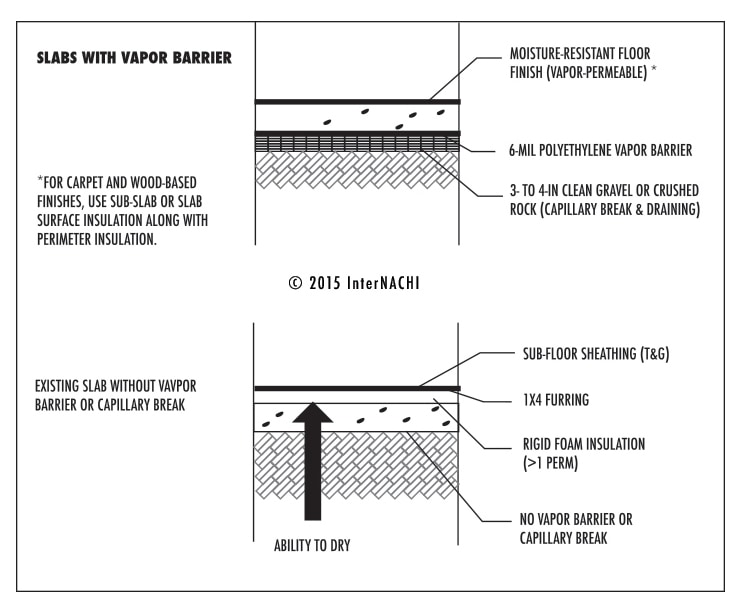
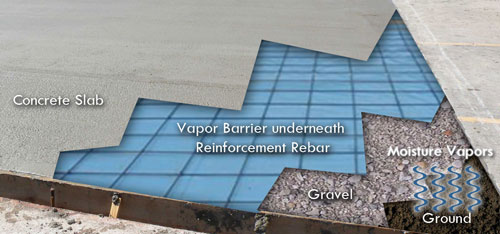
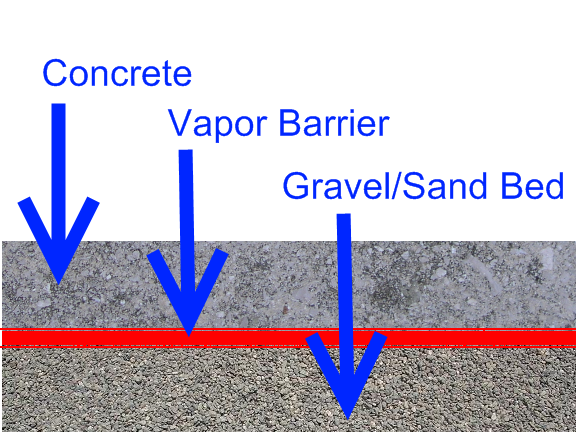
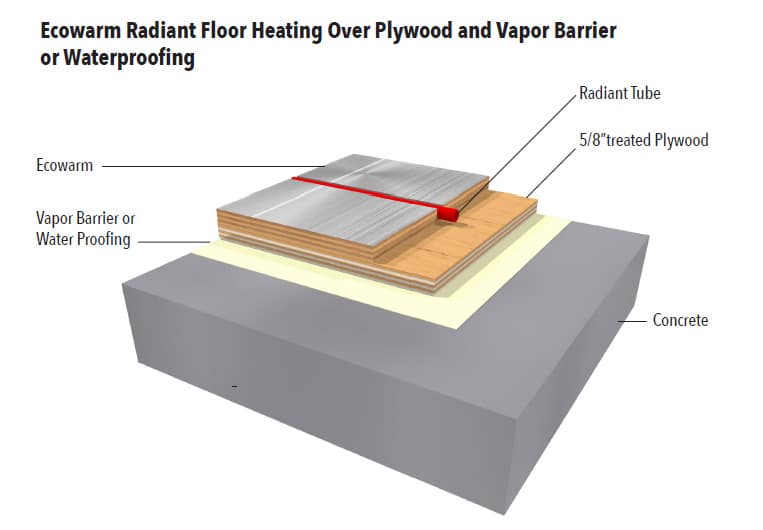
When considering a new HVAC system, especially in homes built on concrete slabs, understanding the role of a vapor barrier is crucial. A vapor barrier, also known as a moisture barrier, is a material designed to prevent moisture from migrating through a building's structure. In the context of a concrete slab foundation, the vapor barrier's primary purpose is to protect the flooring and interior from moisture rising from the ground. This article will delve into the importance of vapor barriers, their benefits, potential drawbacks, and how they relate to your HVAC system’s efficiency and longevity.
Why is a Vapor Barrier Important Under a Concrete Slab?
Concrete, while seemingly solid, is porous. It can absorb moisture from the soil below. This moisture can then wick upwards, leading to various problems within your home, including:
- Mold and Mildew Growth: Excess moisture provides a breeding ground for mold and mildew, which can trigger allergies and respiratory problems.
- Damage to Flooring: Moisture can warp hardwood floors, cause tile adhesives to fail, and damage carpets.
- Reduced HVAC Efficiency: Damp conditions can increase the load on your HVAC system, making it work harder to maintain a comfortable temperature.
- Foundation Issues: While less common, prolonged exposure to excessive moisture can contribute to the deterioration of the concrete slab itself.
A properly installed vapor barrier significantly mitigates these risks, creating a healthier and more durable living environment.
Types of Vapor Barriers
Several types of vapor barriers are available, each with its own properties and suitability for different applications. Understanding these differences is key to making the right choice for your home.
Polyethylene Sheeting (Poly Film)
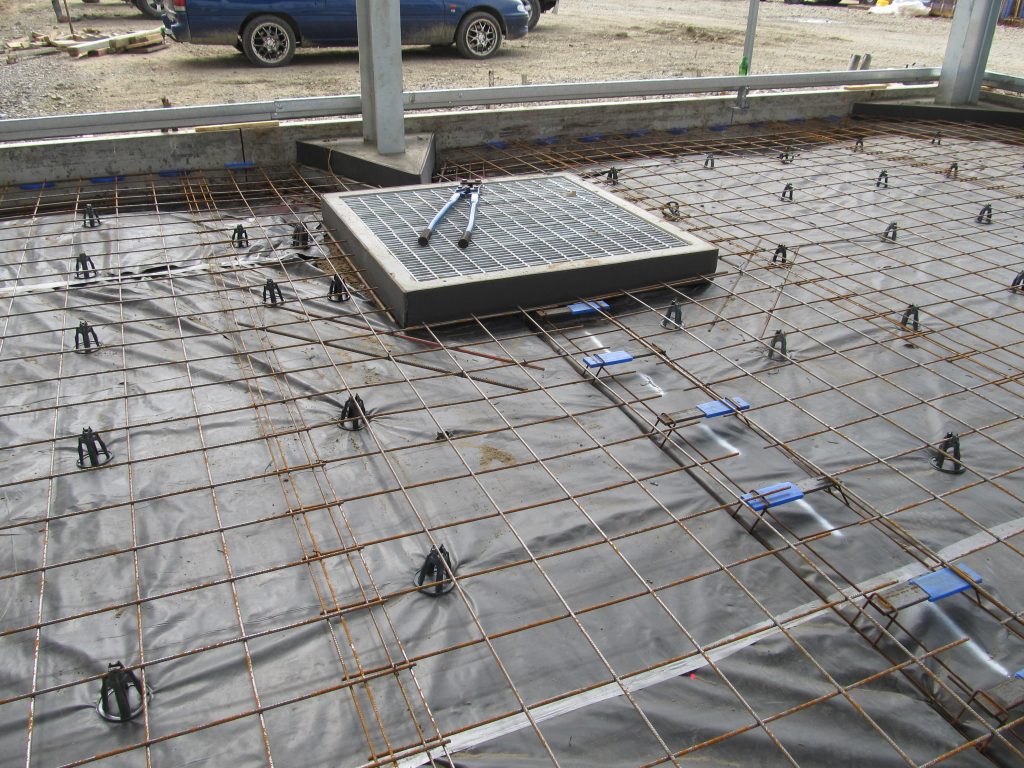
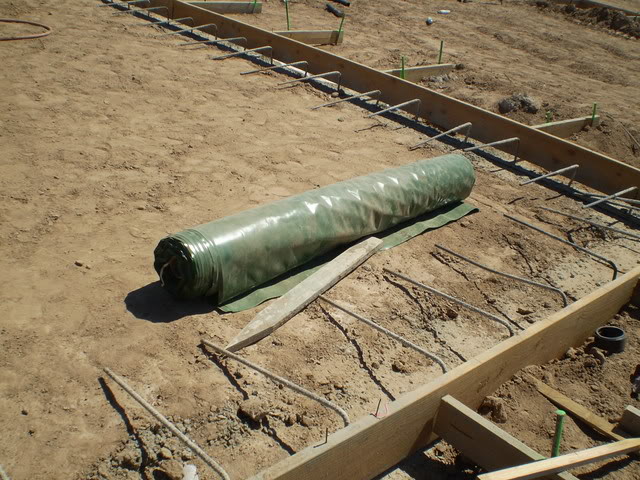
Polyethylene sheeting is the most common and affordable type of vapor barrier. It comes in various thicknesses, measured in mils (thousandths of an inch). A thicker mil rating indicates greater resistance to vapor transmission. Generally, a 6-mil polyethylene sheet is considered a minimum standard for under-slab applications. Polyethylene is relatively easy to install but requires careful handling to avoid punctures and tears.
Pros: Cost-effective, readily available, easy to install.
Cons: Susceptible to punctures, can degrade over time if exposed to UV light.
Polyolefin Films
Polyolefin films are a more durable and tear-resistant alternative to polyethylene. They offer excellent vapor resistance and are less prone to damage during installation. These films often have better resistance to chemicals and UV degradation compared to polyethylene.
Pros: High tear resistance, good chemical resistance, durable.
Cons: More expensive than polyethylene.
Asphalt-Based Membranes
Asphalt-based membranes offer superior water and vapor resistance. They are typically used in more demanding applications where high moisture levels are expected. These membranes are often self-adhering, making installation easier and providing a tight seal.
Pros: Excellent water and vapor resistance, durable, self-adhering options.
Cons: More expensive than polyethylene and polyolefin films, can be difficult to install.
Sprayed-On Vapor Barriers
Sprayed-on vapor barriers are liquid-applied products that form a seamless barrier when cured. They offer excellent coverage and can conform to irregular surfaces. These barriers are typically used in commercial and industrial applications but can also be used in residential construction.
Pros: Seamless coverage, good adhesion, can be applied to irregular surfaces.
Cons: Requires specialized equipment and trained applicators, more expensive than sheet membranes.
Vapor Barrier Installation: Best Practices
Proper installation is crucial for a vapor barrier to be effective. Here are some key considerations:
- Surface Preparation: The concrete slab should be clean, dry, and free of debris before installing the vapor barrier.
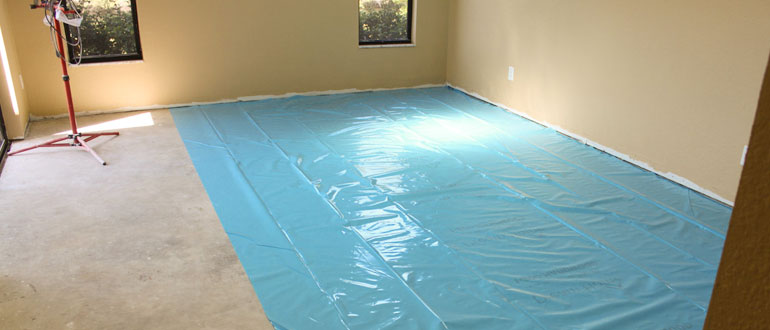
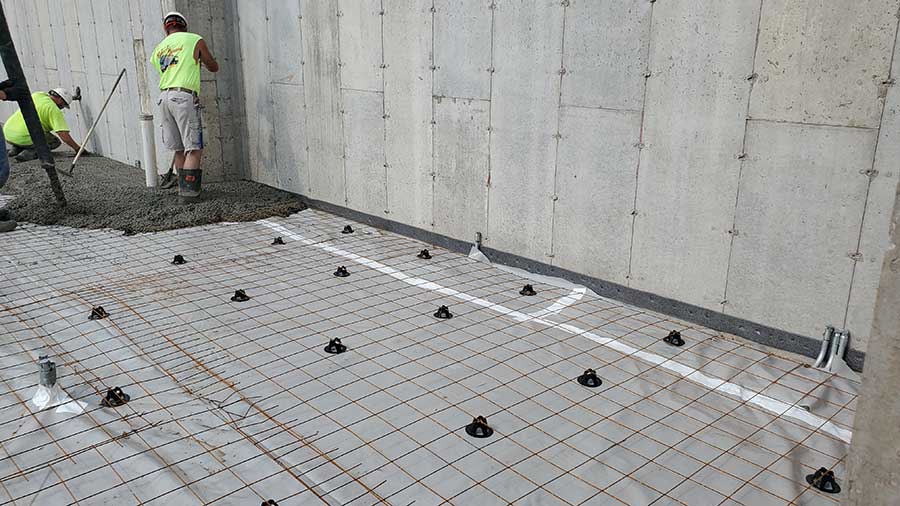
- Overlap and Sealing: Overlap the edges of the vapor barrier sheets by at least 6 inches and seal the seams with waterproof tape.
- Puncture Prevention: Be careful not to puncture the vapor barrier during installation. Use appropriate footwear and avoid dropping sharp objects.
- Perimeter Sealing: Seal the vapor barrier to the foundation walls to prevent moisture from entering at the edges.
The Role of a Vapor Barrier in HVAC System Performance
A properly functioning vapor barrier contributes significantly to the efficiency of your HVAC system. By preventing moisture from entering your home, it reduces the load on your air conditioner and dehumidifier. This means your HVAC system doesn't have to work as hard to maintain a comfortable temperature and humidity level, leading to:
- Lower Energy Bills: Reduced energy consumption translates to lower monthly utility bills.
- Extended HVAC System Lifespan: Less stress on the system can prolong its lifespan and reduce the need for costly repairs.
- Improved Indoor Air Quality: By preventing mold and mildew growth, a vapor barrier contributes to better indoor air quality and a healthier living environment.
HVAC Systems and Moisture Control
While a vapor barrier is essential, it's just one component of a comprehensive moisture control strategy. Consider these HVAC features and practices:
Dehumidifiers
A whole-house dehumidifier can remove excess moisture from the air, further reducing the risk of mold and mildew growth. Look for dehumidifiers with ENERGY STAR certification for optimal energy efficiency.
Ventilation
Proper ventilation is crucial for removing moisture-laden air from your home. Ensure that your bathrooms and kitchens have adequate exhaust fans.
Air Conditioning Maintenance
Regular maintenance of your air conditioning system is essential for optimal performance and moisture control. Clean or replace air filters regularly and schedule annual inspections by a qualified HVAC technician.
Cost Considerations
The cost of installing a vapor barrier depends on several factors, including the type of material, the size of the slab, and the complexity of the installation. Polyethylene sheeting is the most affordable option, while asphalt-based membranes and sprayed-on barriers are more expensive. Professional installation will add to the overall cost, but it ensures that the vapor barrier is installed correctly and effectively.
When budgeting for a new HVAC system, consider the long-term benefits of a vapor barrier. While it may add to the initial cost, it can save you money in the long run by reducing energy bills and preventing costly repairs.
Top HVAC Brands and Their Features Relevant to Moisture Control
Many HVAC manufacturers offer systems with features that contribute to moisture control. Here are a few examples:
- Carrier: Carrier offers air conditioners and heat pumps with advanced dehumidification features, such as their Infinity series, which can remove up to three times more moisture than standard systems.
- Trane: Trane's CleanEffects air filtration system removes allergens and other pollutants from the air, improving indoor air quality and reducing the risk of mold growth.
- Lennox: Lennox offers variable-speed air conditioners and heat pumps that provide precise temperature and humidity control, ensuring optimal comfort and energy efficiency.
When selecting an HVAC system, consider its SEER (Seasonal Energy Efficiency Ratio), AFUE (Annual Fuel Utilization Efficiency), and HSPF (Heating Seasonal Performance Factor) ratings. Higher ratings indicate greater energy efficiency and lower operating costs. Also, inquire about the manufacturer's warranty and the availability of maintenance contracts.
Conclusion
A vapor barrier is an essential component of a well-built and energy-efficient home, especially those with concrete slab foundations. By preventing moisture from entering your home, it protects your flooring, improves indoor air quality, and reduces the load on your HVAC system. When selecting a new HVAC system, consider the role of moisture control and choose a system with features that will help you maintain a comfortable and healthy living environment. Consulting with a qualified HVAC contractor and foundation specialist is highly recommended to determine the best vapor barrier and HVAC system for your specific needs and climate.
Investing in a proper vapor barrier is an investment in the long-term health and value of your home.