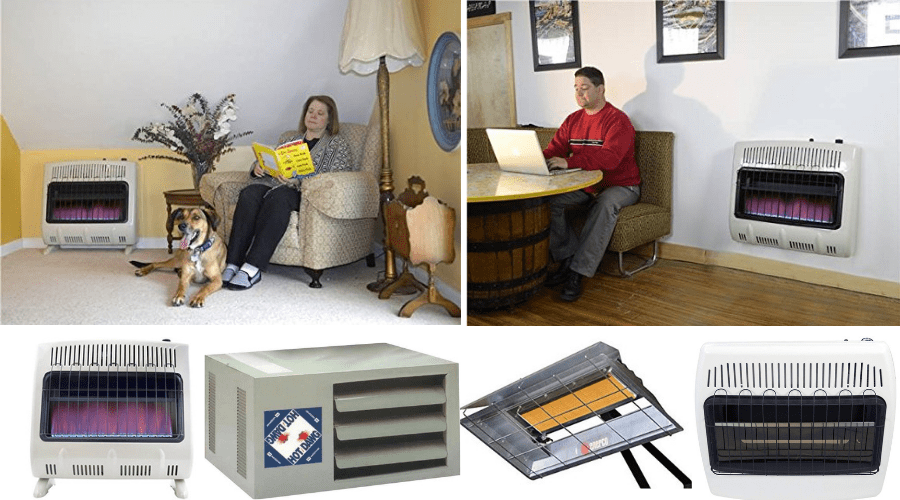
Ventless Natural Gas Heater For Garage
Ventless Natural Gas Heaters for Garages: A Comprehensive Guide
Ventless, or unvented, natural gas heaters offer a potentially convenient heating solution for garages, workshops, and other spaces where running ductwork is challenging or cost-prohibitive. However, they also come with important considerations regarding safety and performance. This guide provides a detailed look at ventless natural gas heaters, exploring their pros and cons, key features, popular models, and crucial safety information to help you make an informed decision.
Understanding Ventless Technology
Unlike traditional gas heaters that exhaust combustion byproducts outside via a chimney or vent, ventless heaters release these byproducts directly into the heated space. This design eliminates the need for venting, making installation simpler and potentially more efficient. The key to their operation lies in a highly efficient combustion process that minimizes the production of carbon monoxide (CO), a dangerous odorless gas. They typically use an Oxygen Depletion Sensor (ODS) to shut off the heater if oxygen levels fall below a safe threshold, preventing CO buildup.
Pros and Cons of Ventless Natural Gas Heaters
Before purchasing a ventless natural gas heater, carefully weigh the advantages and disadvantages to ensure it’s the right choice for your needs and circumstances.
Advantages:
- Cost-Effective Installation: Eliminating the need for venting significantly reduces installation costs, as no ductwork or chimney modifications are required.
- High Efficiency: Ventless heaters boast near 100% efficiency because all the heat generated stays within the space, rather than being lost through a vent.
- Zonal Heating: Ideal for heating specific areas like garages, workshops, or additions, rather than an entire home.
- Compact Design: Ventless heaters are generally smaller and more portable than vented models, offering greater flexibility in placement.
- Rapid Heating: These heaters provide quick and efficient heating, quickly raising the temperature in the desired area.
Disadvantages:
- Safety Concerns: The release of combustion byproducts into the air raises concerns about indoor air quality and the potential for carbon monoxide poisoning if the heater malfunctions or is not properly maintained.
- Moisture Buildup: The combustion process produces water vapor, which can increase humidity levels in the garage, potentially leading to condensation and mold growth.
- Oxygen Depletion: Although equipped with an ODS, using a ventless heater in a poorly ventilated space can deplete oxygen levels.
- Local Regulations: Many jurisdictions have restrictions or outright bans on the use of ventless heaters due to safety concerns. Always check local building codes before purchasing and installing.
- Not Suitable for All Users: Individuals with respiratory issues, allergies, or sensitivities may be more susceptible to the effects of indoor air pollutants released by ventless heaters.
Key Features to Consider
When selecting a ventless natural gas heater for your garage, consider the following features:
- BTU Output: Determine the appropriate BTU (British Thermal Unit) output based on the size of your garage and the level of insulation. A general rule of thumb is 30-45 BTU per square foot in moderately insulated spaces.
- Oxygen Depletion Sensor (ODS): This is a mandatory safety feature that shuts off the heater if oxygen levels become dangerously low. Ensure the heater has a reliable and certified ODS.
- Automatic Shut-Off: Look for heaters with automatic shut-off features that activate in case of overheating, tip-over, or other malfunctions.
- Thermostat Control: A thermostat allows you to maintain a consistent temperature and avoid overheating the space. Consider models with programmable thermostats for added convenience and energy savings.
- Ignition System: Electronic ignition systems are more reliable and convenient than pilot lights.
- Safety Certifications: Ensure the heater is certified by a reputable testing laboratory such as CSA (Canadian Standards Association) or UL (Underwriters Laboratories). These certifications indicate that the heater meets established safety standards.
- Variable Heat Settings: Some models offer multiple heat settings, allowing you to adjust the heat output to match your needs.
Popular Brands and Models
Several manufacturers offer ventless natural gas heaters suitable for garage use. Here are some popular brands and models, highlighting their key features:
- Mr. Heater: Mr. Heater is a well-known brand specializing in portable and ventless heating solutions. Their Big Maxx series offers high BTU output options suitable for larger garages. They also have smaller wall-mounted options.
- ProCom Heating: ProCom offers a range of ventless heaters with various features, including thermostat control, automatic shut-off, and oxygen depletion sensors. Their models are known for their ease of use and reliable performance.
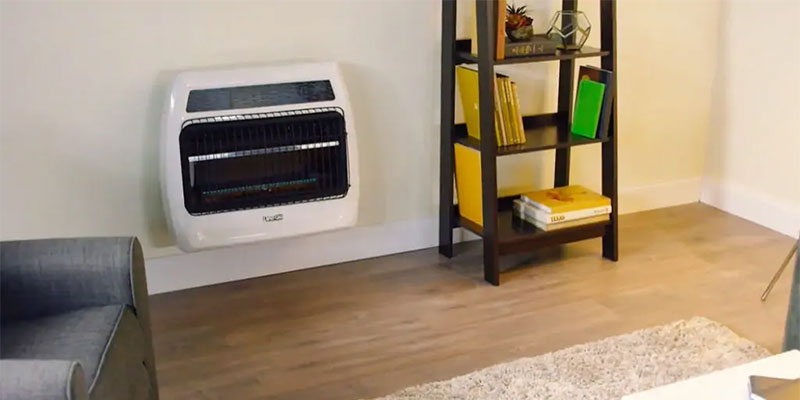
- Dyna-Glo: Dyna-Glo provides a variety of heating solutions, including ventless natural gas heaters designed for supplemental heating. They often feature blue flame technology for efficient heat distribution.
Please Note: Specific model availability and features may vary. Always check the manufacturer's specifications and user reviews before purchasing.
Pricing and Operating Costs
The initial cost of a ventless natural gas heater typically ranges from $100 to $500, depending on the BTU output, features, and brand. Installation costs are generally lower than those of vented heaters, as no ductwork modifications are required. However, professional installation is still recommended to ensure proper gas line connection and safety.
Operating costs depend on the price of natural gas in your area and the heater's BTU output. A higher BTU heater will consume more gas and result in higher operating costs. To estimate operating costs, consult your natural gas provider for current rates and use a BTU consumption calculator.
Safety Precautions and Maintenance
Safety is paramount when using ventless natural gas heaters. Adhere to the following safety precautions and maintenance guidelines:
- Proper Ventilation: While ventless heaters don't require venting to the outside, adequate ventilation is still crucial. Ensure the garage has sufficient air circulation to prevent oxygen depletion and the buildup of combustion byproducts. Consider leaving a window slightly open or installing a ventilation fan.
- Carbon Monoxide Detectors: Install carbon monoxide detectors in the garage and any adjacent living areas. Test the detectors regularly to ensure they are functioning properly.
- Regular Inspection: Inspect the heater regularly for any signs of damage or malfunction. Check the gas lines for leaks and ensure the ODS is functioning correctly.
- Professional Maintenance: Schedule annual maintenance with a qualified HVAC technician to ensure the heater is operating safely and efficiently. The technician can clean the burner, check the gas pressure, and inspect the safety features.
- Clearance Requirements: Maintain adequate clearance around the heater to prevent fire hazards. Keep flammable materials away from the heater.
- Never Use in Enclosed Spaces: Do not use ventless heaters in bedrooms, bathrooms, or other enclosed spaces where ventilation is limited.
- Adhere to Manufacturer's Instructions: Always follow the manufacturer's instructions for installation, operation, and maintenance.
Warranties
Most ventless natural gas heaters come with a limited warranty, typically ranging from one to three years. The warranty usually covers defects in materials and workmanship but may not cover damage caused by improper installation, misuse, or lack of maintenance. Carefully review the warranty terms and conditions before purchasing a heater.
Are Ventless Heaters Right for You?
The decision to use a ventless natural gas heater in your garage depends on several factors, including the size of your garage, the level of insulation, your local building codes, and your personal preferences. If safety is a top priority and you can ensure adequate ventilation and regular maintenance, a ventless heater can provide a cost-effective and efficient heating solution. However, if you have concerns about indoor air quality or live in an area with strict regulations, a vented heater may be a safer and more appropriate choice. It's also wise to consider alternative heating solutions, such as electric heaters or radiant heaters, before making a final decision.
Alternative Heating Options
If ventless natural gas heaters don't seem like the right fit, consider these alternatives:
- Vented Natural Gas Heaters: These heaters exhaust combustion byproducts outside, eliminating the risk of indoor air pollution. However, they require venting and are more expensive to install.
- Electric Heaters: Electric heaters are a safe and convenient option for garage heating. They do not produce any combustion byproducts, but they can be more expensive to operate than natural gas heaters, especially in areas with high electricity rates. Options include space heaters, baseboard heaters, and radiant heaters.
- Radiant Heaters: Radiant heaters warm objects directly, rather than heating the air. They are energy-efficient and provide targeted warmth, making them ideal for workshops and garages.
- Propane Heaters: Propane heaters are similar to natural gas heaters but use propane as fuel. They are a portable option for garages that do not have a natural gas line. Ensure proper ventilation when using propane heaters.
Before making any purchase, consult with a qualified HVAC professional to assess your specific needs and recommend the best heating solution for your garage. They can evaluate your garage's size, insulation, ventilation, and local building codes to ensure you choose a heater that is safe, efficient, and compliant with all applicable regulations.