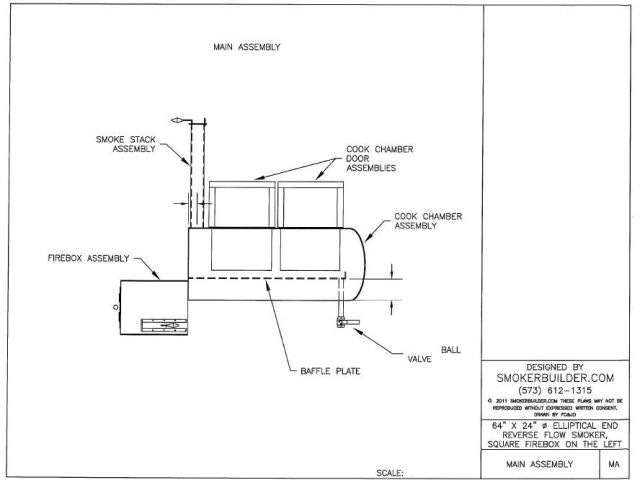
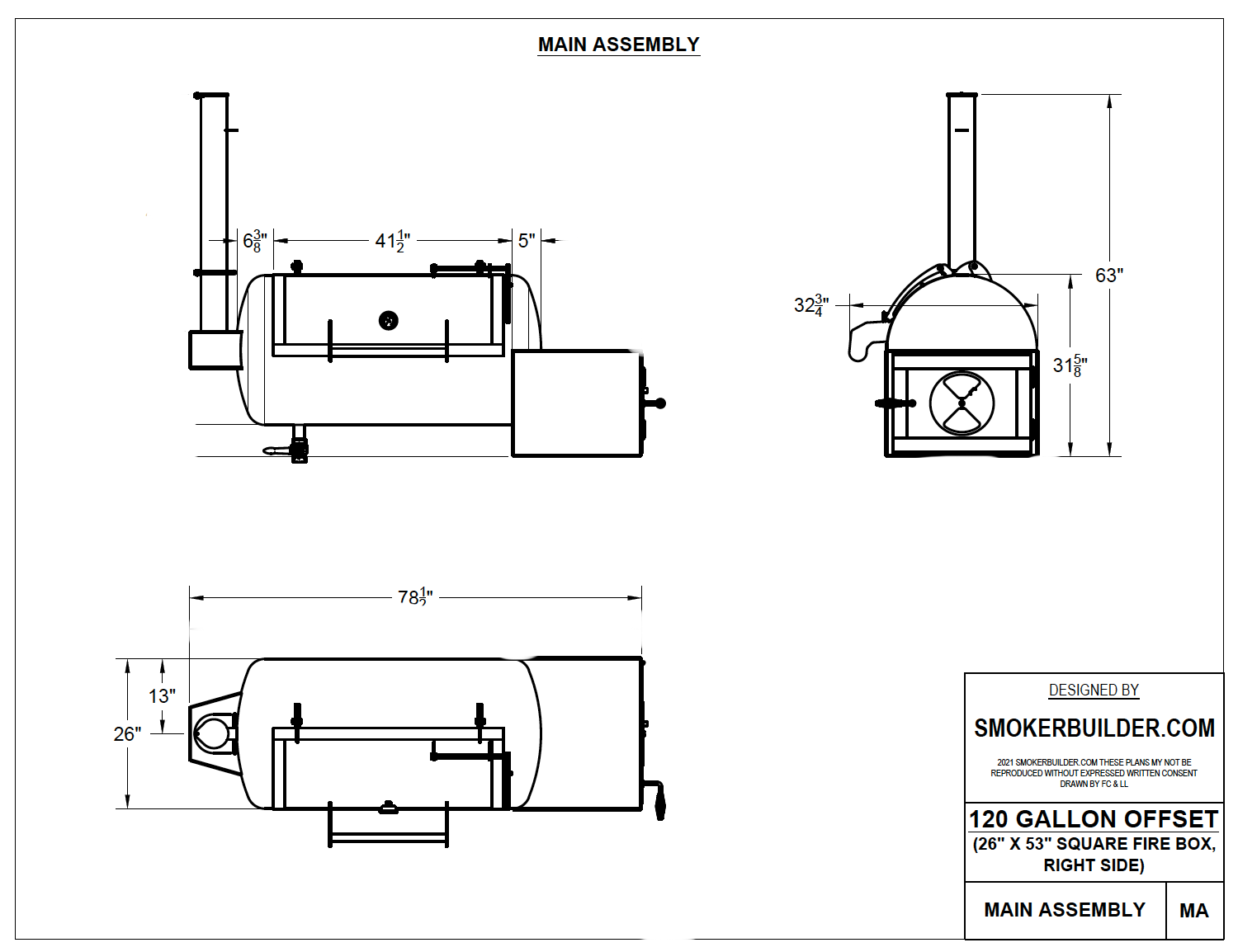
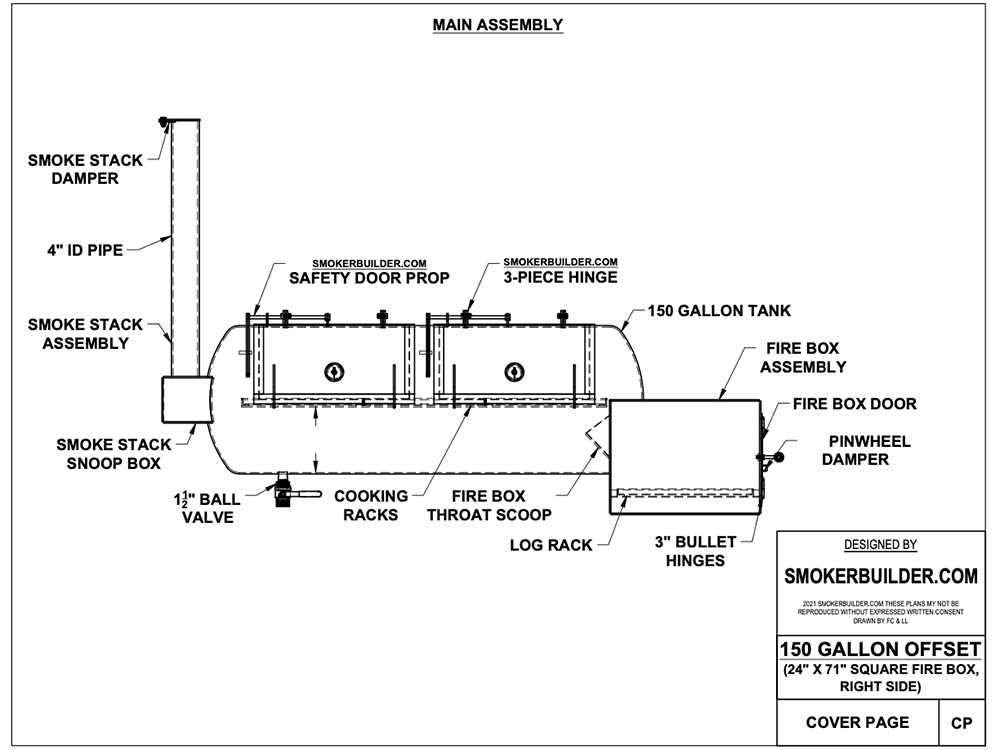
Vertical Offset Smoker Plans

One of the most frustrating issues vertical offset smoker owners face is uneven temperature distribution. You might find the bottom chamber scorching your ribs while the top racks barely reach the desired cooking temperature. This inconsistency can ruin your hard-earned meat and lead to a lot of wasted fuel. Let's tackle this problem step-by-step and get your smoker back to producing perfectly smoked delicacies.
Diagnosing Temperature Inconsistencies in Your Vertical Offset Smoker
Before you start tearing things apart, let's perform a thorough diagnosis. We'll begin with simple checks that require no tools and then move onto more involved investigations.
Step 1: Initial Observation (No Tools Required)
- Observe the Smoke Pattern: Is the smoke billowing out evenly from the chimney, or is it concentrated on one side? Uneven smoke often indicates uneven airflow and therefore, uneven heat.
- Visual Inspection of the Firebox: Look for obstructions in the firebox. Are there large chunks of charcoal blocking airflow? Is ash built up excessively? A choked firebox limits the even distribution of heat.
- Check for Air Leaks: Run your hand along the seams of the smoker, especially around the door of the cooking chamber and the firebox. Can you feel hot air escaping? Leaks will disrupt airflow and temperature control.
- Assess the Chimney Damper: Ensure the chimney damper is functioning correctly. Is it fully open? A restricted damper can strangle airflow and cause temperature imbalances.
- Examine the Baffle Plate (if applicable): Some vertical offset smokers have a baffle plate between the firebox and the cooking chamber. Is it positioned correctly? Is it damaged or warped? The baffle plate is crucial for deflecting heat and distributing it evenly.
Step 2: Temperature Mapping (Requires a Thermometer)
Invest in a good quality digital thermometer with multiple probes. These are invaluable for pinpointing temperature variations within the smoker.
- Probe Placement: Place probes at different levels within the cooking chamber – one near the bottom, one in the middle, and one near the top. Make sure the probes are not touching the meat or the sides of the smoker, as this can give inaccurate readings.
- Monitor Temperatures: Fire up the smoker and monitor the temperature readings at each level. Note the temperature differences between the probes. A significant difference (e.g., more than 25-30 degrees Fahrenheit) indicates a problem.
- Record Your Findings: Keep a log of your temperature readings over time. This will help you identify patterns and pinpoint the source of the inconsistency. Record the ambient temperature, fuel type, and damper settings in your notes.
Step 3: Advanced Inspection (Requires Basic Tools)
If the initial observations and temperature mapping didn't reveal the problem, it's time to delve a little deeper. You'll need some basic tools for this stage.
- Firebox Air Intake Inspection: Using a screwdriver, check the air intake vents on the firebox. Are they clear of debris? Are they opening and closing properly? Restricted air intake can lead to an inefficient fire and uneven heat.
- Chimney Cleaning: Using a chimney brush, clean the chimney. Creosote buildup can restrict airflow and cause temperature fluctuations. Follow the manufacturer's instructions for cleaning your specific chimney type.
- Baffle Plate Adjustment (if applicable): Using pliers or a wrench, adjust the position of the baffle plate to better deflect heat. Experiment with different positions to see what works best for your smoker.
- Door Seal Inspection: Visually inspect the door seals of both the firebox and the cooking chamber. Are they cracked, brittle, or missing? Damaged seals allow hot air to escape, contributing to temperature inconsistencies.
- Grill Grate Leveling: Using a level, check if your grill grates are level. Uneven grates can create hotspots. Adjust the grates or use shims to level them.
DIY Solutions for Uneven Smoker Temperatures
Based on your diagnosis, here are some simple DIY actions you can take to address the problem:
- Airflow Management:
- Clear Obstructions: Remove any obstructions from the firebox and chimney.
- Adjust Dampers: Experiment with different damper settings to find the optimal airflow for your smoker. Generally, more open dampers mean higher temperatures and increased airflow.
- Stagger Wood Chunks: Don't just dump wood chunks into the firebox. Stagger them throughout the charcoal to create a more even burn.
- Seal Air Leaks:
- High-Temperature Silicone: Use high-temperature silicone sealant to seal any air leaks around the doors and seams of the smoker. Clean the surface thoroughly before applying the sealant.
- Replacement Seals: If the door seals are severely damaged, replace them. You can find replacement seals online or at your local hardware store.
- Baffle Plate Adjustments:
- Experiment: Adjust the position of the baffle plate to direct heat more effectively. If the bottom is too hot, move the baffle plate closer to the firebox. If the top is too cool, move it further away.
- Add a Second Baffle: Consider adding a second baffle plate to further diffuse the heat.
- Water Pan:
- Use a Water Pan: Place a water pan in the cooking chamber. The water will help to moderate the temperature and create a more humid environment, which can improve smoking results. Refill as needed.
- Positioning the Pan: Experiment with the placement of the water pan. Placing it closer to the firebox can help to shield the meat from direct heat.
- Fuel Management:
- Consistent Fuel: Use consistent fuel. Mixing different types of charcoal can lead to inconsistent burning.
- Fuel Placement: The Minion Method of charcoal placement can provide more even heat distribution. Place unlit charcoal in the firebox and light a small number of coals to start the burn.
When to Call a Professional
While many smoker problems can be resolved with DIY solutions, some issues are best left to the professionals. Here are some situations where you should consider calling an HVAC technician or a qualified smoker repair specialist:
- Significant Rust or Corrosion: Extensive rust or corrosion can compromise the structural integrity of the smoker and affect its performance. A professional can assess the damage and recommend the best course of action, which may involve repair or replacement.
- Welding Repairs: If you need to repair cracked or broken welds on the smoker, it's best to hire a professional welder. Welding requires specialized skills and equipment, and a poorly executed weld can be dangerous.
- Gas Burner Issues (if applicable): If your smoker has a gas burner, any issues with the burner or gas lines should be addressed by a qualified HVAC technician. Gas leaks can be extremely dangerous.
- Complex Modifications: If you're considering making significant modifications to the smoker, such as adding a new firebox or changing the chimney configuration, consult with a professional. They can help you design and implement the modifications safely and effectively.
- Persistent Temperature Inconsistencies: If you've tried all the DIY solutions and are still experiencing significant temperature inconsistencies, there may be an underlying problem that requires professional diagnosis and repair.
Safety First! Always disconnect the smoker from any power source (if applicable) and allow it to cool completely before performing any maintenance or repairs. Wear appropriate safety gear, such as gloves and eye protection, when working with tools or chemicals.
By following these steps, you can diagnose and address temperature inconsistencies in your vertical offset smoker. Remember to start with the simple checks and gradually move on to more involved investigations. With a little patience and effort, you can get your smoker back to producing perfectly smoked masterpieces.
Enjoy the process and the delicious results!
Disclaimer: This article is for informational purposes only and should not be considered a substitute for professional advice. Always consult with a qualified professional before performing any maintenance or repairs on your smoker. The author and publisher are not responsible for any damages or injuries that may result from the use of this information.