Vertical Smoker Pit Boss
Unlocking Flavor and Efficiency: A Deep Dive into Pit Boss Vertical Smokers
For barbecue enthusiasts and those seeking innovative cooking solutions, Pit Boss vertical smokers offer a compelling blend of performance, versatility, and increasingly, energy efficiency. While traditionally smoking focuses on low-and-slow cooking, careful consideration of design and fuel type can significantly impact energy consumption and overall cost. This article explores the features, benefits, and energy-saving potential of Pit Boss vertical smokers, examining how they fit into the broader context of sustainable home and business practices.
Understanding Vertical Smoker Design and its Impact on Efficiency
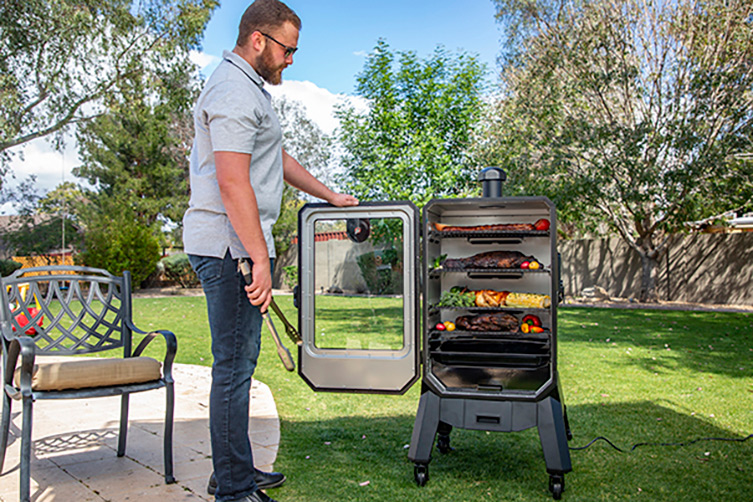
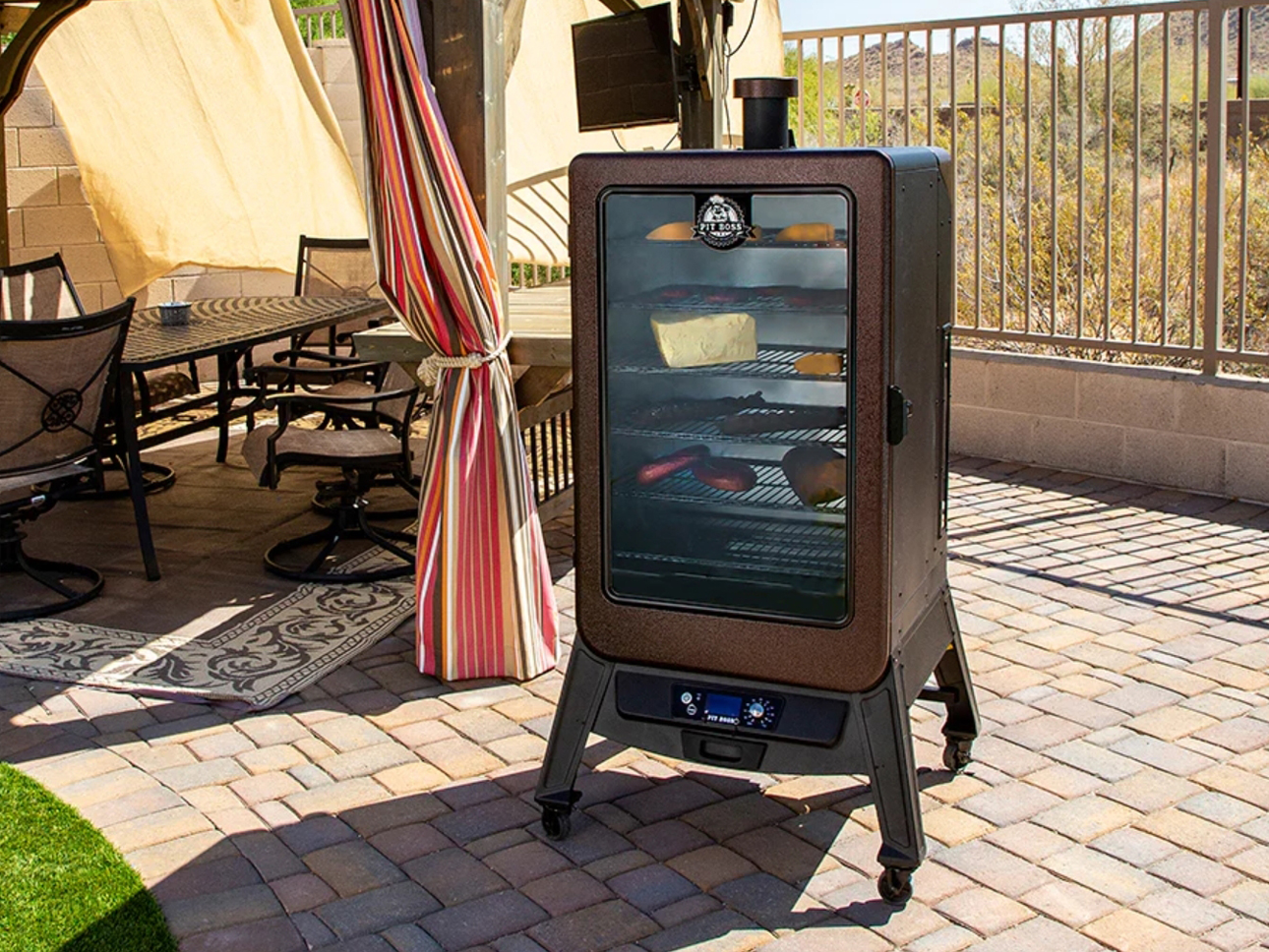
Vertical smokers, by their very nature, offer inherent advantages in terms of heat management. The vertical design promotes natural convection, drawing heat and smoke upwards, ensuring even cooking throughout the chamber. This contrasts with horizontal offset smokers where heat distribution can be uneven, leading to inconsistent cooking and potentially higher fuel consumption as users compensate for cold spots.
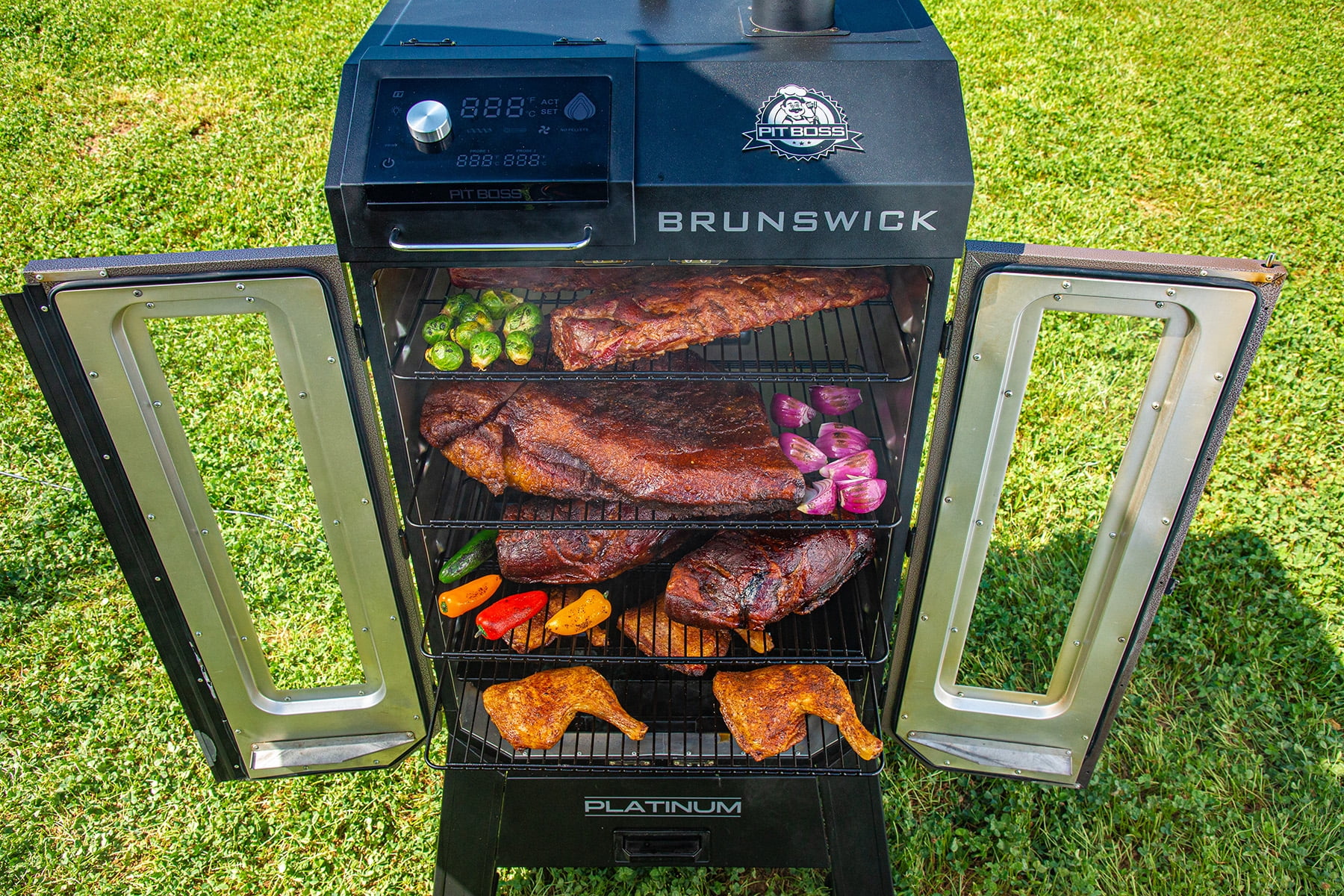
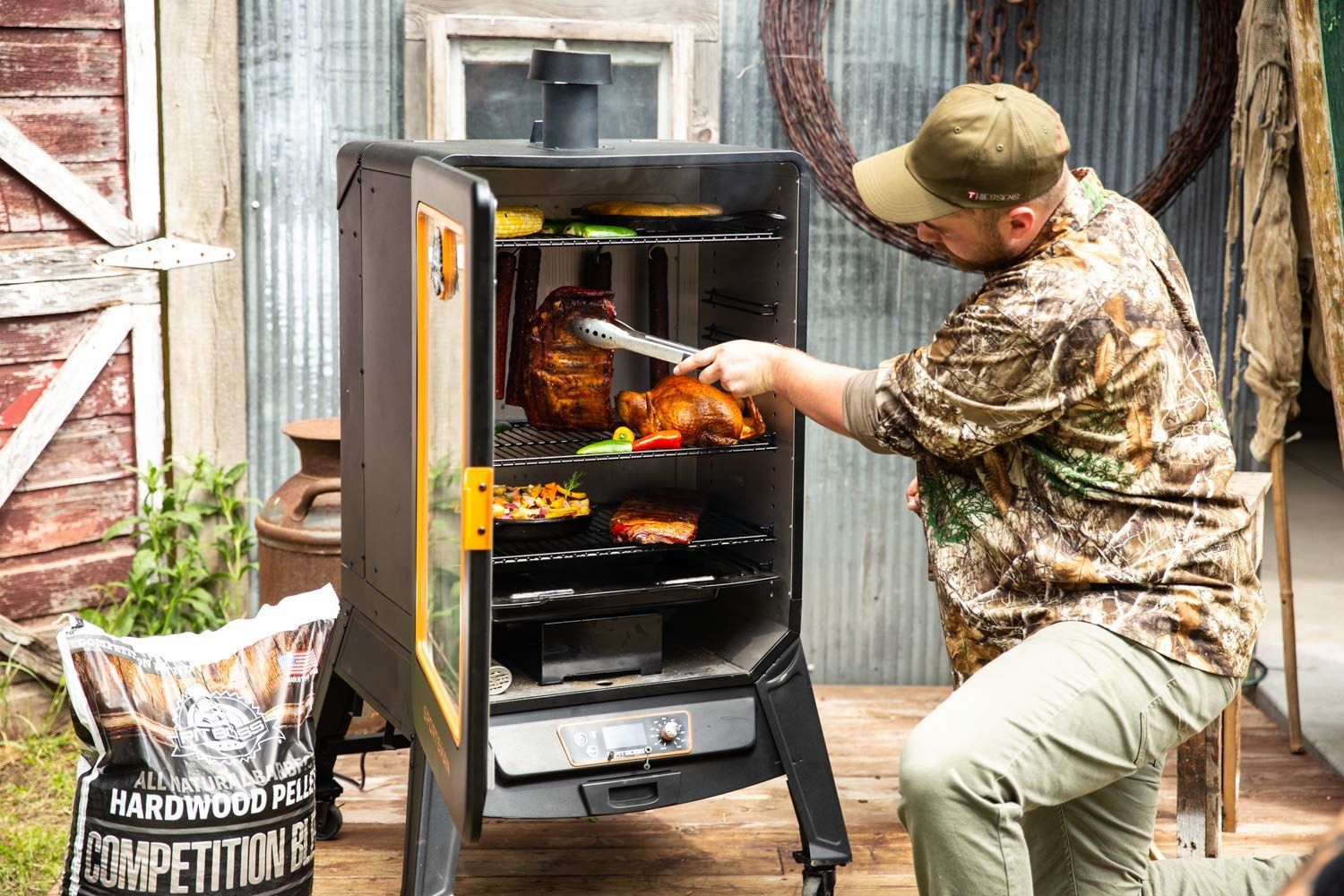
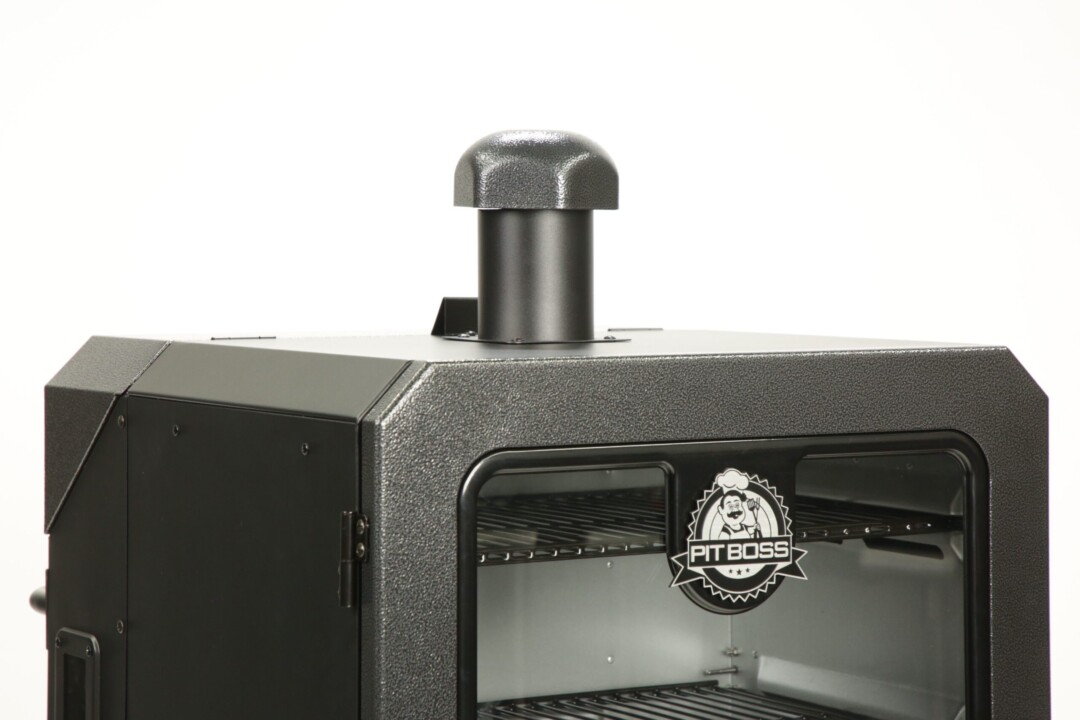
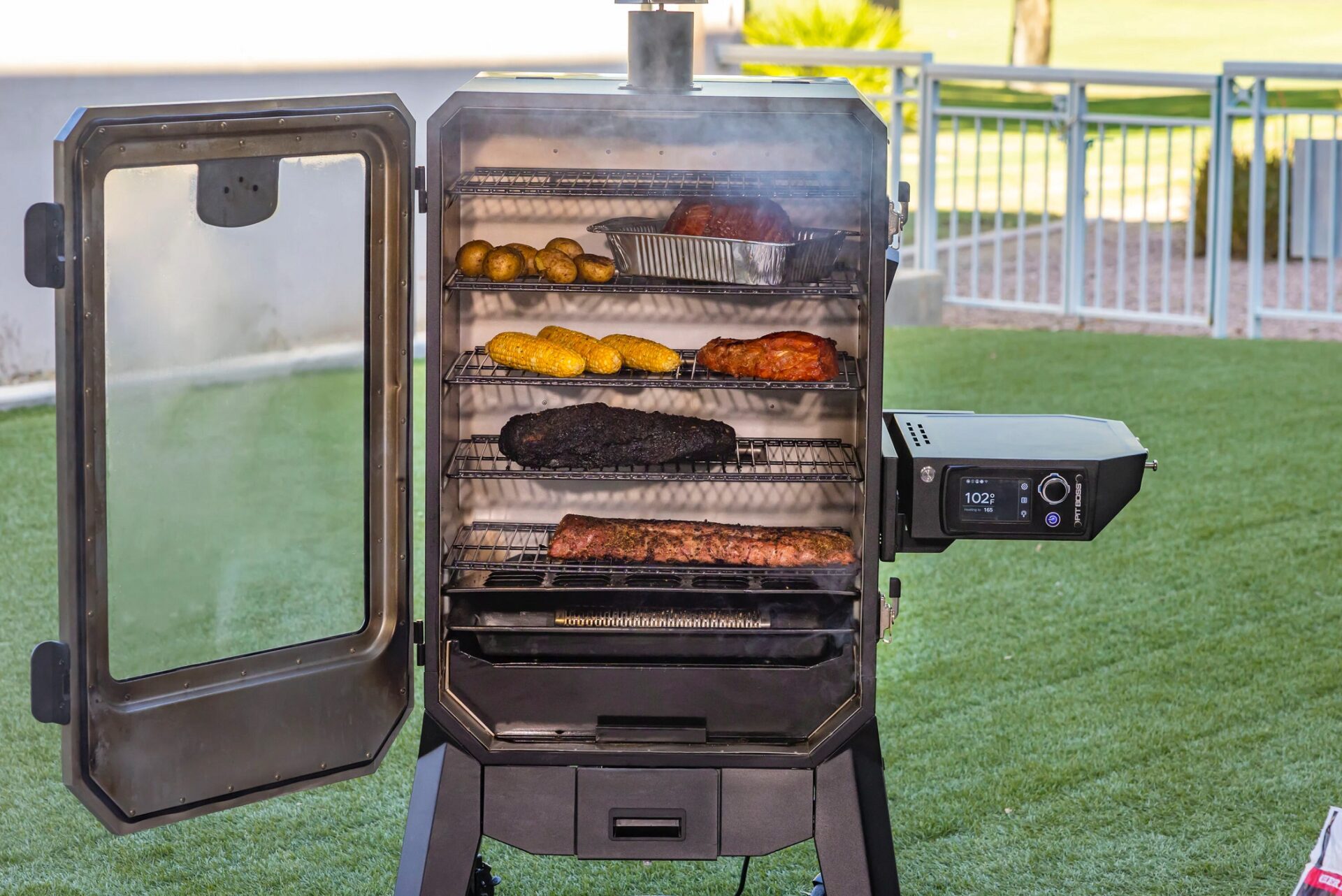
Pit Boss vertical smokers typically feature a centrally located heat source (electric, propane, or pellet) at the bottom of the unit, with water pans and multiple cooking racks above. This configuration allows for efficient heat utilization. The water pan plays a crucial role in maintaining humidity, preventing meat from drying out, and contributing to a more stable cooking temperature. This stability translates to less fuel consumption compared to smokers requiring frequent adjustments to maintain the desired temperature.
Fuel Types: A Comparative Analysis of Energy Consumption
Pit Boss offers vertical smokers powered by various fuel sources, each with its own energy efficiency profile:
- Electric Smokers: Electric smokers are arguably the most energy-efficient option, particularly for smaller cooks and controlled environments. They use a heating element to generate heat, often regulated by a thermostat. Models with good insulation can maintain consistent temperatures with minimal energy input. Look for Energy Star rated models if available, as they adhere to strict efficiency standards. While electric smokers may not deliver the same level of smoky flavor as other fuel types, they offer convenience and precision. Consider an electric smoker with a wattage rating appropriate for your needs. A higher wattage doesn't necessarily mean better performance but rather the ability to reach higher temperatures. Insulated models will have the lowest overall energy draw.
- Propane Smokers: Propane smokers offer a balance of convenience and smoky flavor. They use a propane burner to heat wood chips or chunks, generating smoke and heat. While propane is relatively clean-burning, it's less energy-efficient than electricity. The BTU rating of the burner determines its heat output and propane consumption rate. Efficient propane smokers feature adjustable burners and well-insulated cabinets to minimize heat loss. Regularly cleaning the burner and ensuring proper ventilation are crucial for optimal performance and safety. Leaks in the propane line can lead to safety hazards and fuel inefficiency.
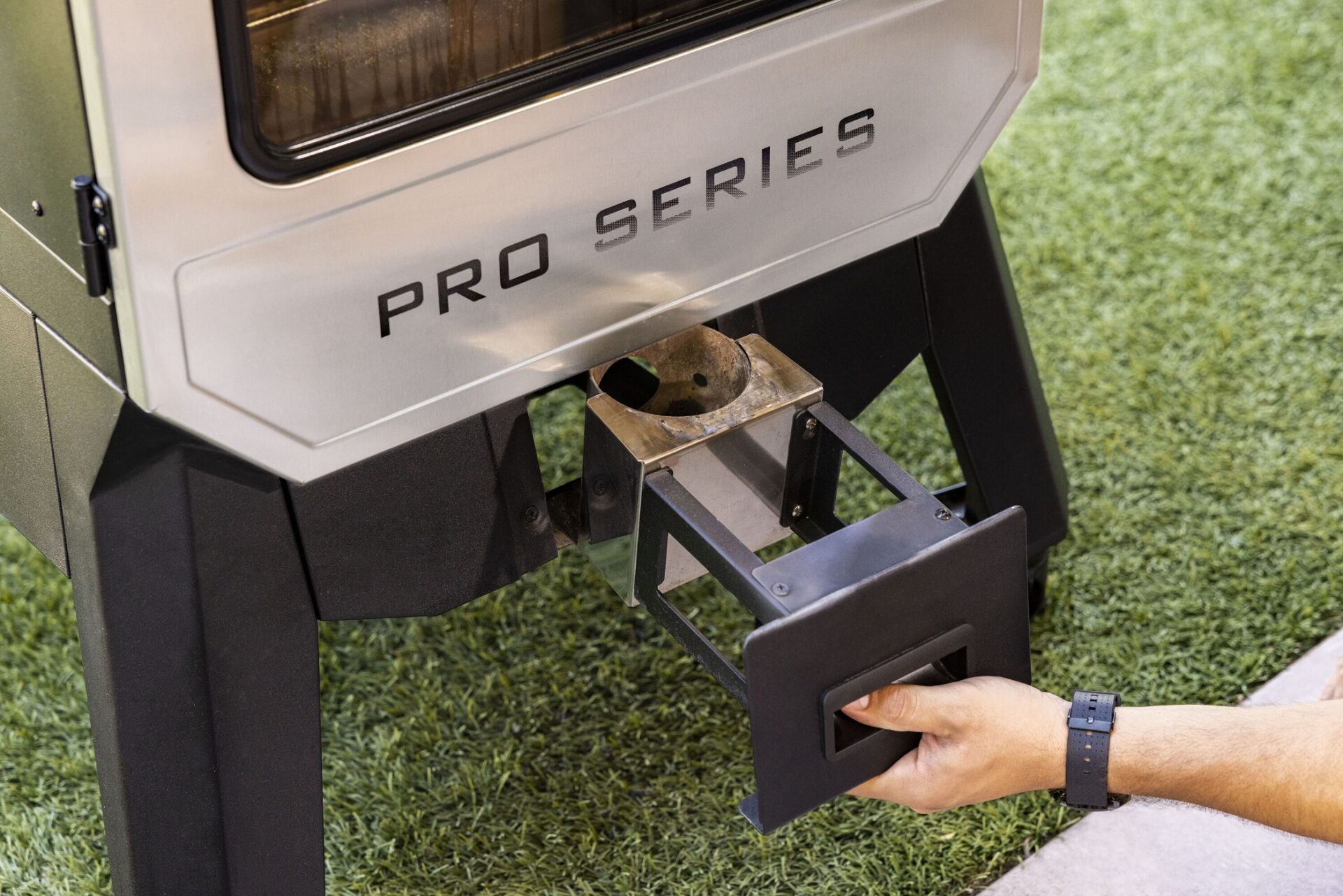
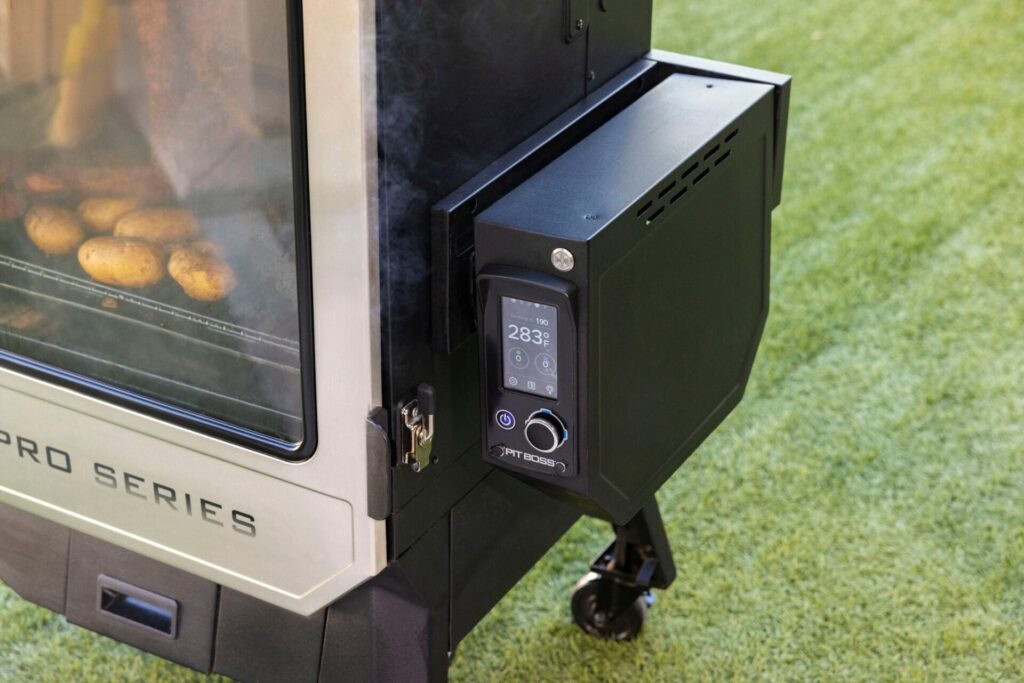
- Pellet Smokers: Pellet smokers represent a growing segment of the market, combining the convenience of automated temperature control with the authentic flavor of wood smoke. They use wood pellets as fuel, which are fed into a burn pot by an auger. The amount of pellets fed determines the cooking temperature. While pellet smokers offer precise temperature control and consistent smoke, their energy efficiency can vary. Look for models with well-insulated hoppers and efficient auger systems. Pellet quality also impacts efficiency. Higher-quality pellets burn more cleanly and produce less ash, leading to better fuel economy. Pit Boss pellet smokers offer innovative PID (Proportional-Integral-Derivative) controllers, which learn and adjust to maintain precise temperatures, further optimizing energy usage.
- Charcoal Smokers: Charcoal smokers offer excellent flavor but typically require more attention and expertise to maintain consistent temperatures. Charcoal briquettes or lump charcoal is burned to generate heat and smoke. The airflow controls are crucial for regulating temperature. While charcoal smokers can produce excellent results, they are generally less energy-efficient than other options due to the difficulty in controlling the burn rate and the potential for heat loss.
To quantify fuel consumption, consider tracking your usage over several cooks. Note the amount of electricity (kWh), propane (gallons), or pellets (pounds) consumed per hour of cooking at a specific temperature. This data can help you compare the energy efficiency of different fuel types and adjust your cooking techniques to minimize waste.
Key Features Enhancing Energy Efficiency in Pit Boss Vertical Smokers
Several features contribute to the energy efficiency of Pit Boss vertical smokers:
- Insulation: Insulation is paramount for maintaining consistent temperatures and reducing heat loss. Look for models with double-walled construction and high-quality insulation materials. Increased insulation means less energy is needed to maintain the target temperature, resulting in lower fuel costs.
- Temperature Control Systems: Precise temperature control is essential for efficient smoking. Digital controllers, particularly PID controllers found in some Pit Boss pellet smokers, offer superior accuracy and responsiveness compared to analog controls. This precise control eliminates temperature fluctuations, reducing the need for manual adjustments and minimizing fuel consumption.
- Airflow Management: Efficient airflow is crucial for combustion and temperature control. Adjustable dampers allow you to fine-tune the airflow, optimizing the burn rate and preventing excessive heat loss. Proper airflow also contributes to cleaner burning, reducing smoke output and minimizing environmental impact.
- Water Pan Design: The size and placement of the water pan can impact humidity levels and temperature stability. A properly sized water pan maintains consistent humidity, preventing meat from drying out and requiring less fuel to maintain the desired temperature.
- Door Seals: Tight-fitting door seals prevent heat leakage, contributing to energy efficiency. Inspect the seals regularly and replace them if they become damaged or worn.
Smart Home Integration and its Role in Energy Conservation
The integration of smart home technology can further enhance the energy efficiency of Pit Boss vertical smokers. Smart thermostats and temperature sensors can provide real-time monitoring and control, allowing you to adjust the cooking temperature remotely and optimize fuel consumption.
For example, you can use a smart thermostat to monitor the smoker's internal temperature and receive alerts if it deviates from the target range. You can then remotely adjust the temperature setting to compensate for changes in ambient weather conditions or other factors affecting heat loss. Some advanced smart thermostats even learn your cooking patterns and automatically adjust the temperature to optimize fuel efficiency.
Furthermore, smart sensors can monitor fuel levels (propane or pellet) and send alerts when it's time to refill, preventing unexpected interruptions during cooking. This ensures consistent cooking temperatures and minimizes the risk of overconsumption of fuel due to temperature swings.
Maximizing Energy Savings: Practical Tips and Best Practices
Beyond choosing an energy-efficient Pit Boss vertical smoker, several practical tips can help you minimize energy consumption:
- Preheating: Preheat the smoker to the desired temperature before adding the meat. This reduces the amount of time and fuel required to reach the target temperature.
- Maintaining Consistent Temperature: Avoid opening the smoker door frequently, as this allows heat to escape and increases fuel consumption. Use a remote thermometer to monitor the internal temperature of the meat without opening the door.
- Proper Placement: Position the smoker in a sheltered location, away from wind and direct sunlight. This minimizes heat loss and reduces the amount of energy required to maintain the desired temperature.
- Regular Cleaning: Clean the smoker regularly to remove grease, ash, and other debris that can impede airflow and reduce efficiency.
- Using a Smoker Blanket: Consider using a smoker blanket, especially in cold weather, to provide extra insulation and reduce heat loss.
- Optimizing Wood Chip/Pellet Usage: Experiment with different types and quantities of wood chips or pellets to find the optimal balance between flavor and fuel efficiency. Soaking wood chips before adding them to the smoker can extend their burn time and reduce the frequency of refills.
ROI and Cost-Benefit Analysis
Investing in an energy-efficient Pit Boss vertical smoker offers a tangible return on investment (ROI). While the initial purchase price may be higher than less efficient models, the long-term savings in fuel costs can offset the initial investment. To calculate the ROI, consider the following factors:
- Initial Purchase Price: The cost of the smoker.
- Fuel Costs: The annual cost of fuel (electricity, propane, or pellets).
- Maintenance Costs: The annual cost of maintenance and repairs.
- Lifespan: The expected lifespan of the smoker.
By comparing the annual fuel costs of different smoker models and factoring in the initial purchase price and maintenance costs, you can determine the payback period and calculate the ROI. For example, if an energy-efficient smoker saves you $50 per year in fuel costs and has a lifespan of 10 years, the total savings over the lifespan of the smoker would be $500. This can offset a higher initial purchase price and provide a positive ROI.
Government Incentives and Rebates
While not directly applicable to smokers, exploring state and local energy efficiency rebates and incentives can indirectly contribute to the overall cost-effectiveness of your outdoor cooking setup. For example, upgrading to an Energy Star certified appliance in your kitchen can lead to energy savings that offset the cost of a more efficient smoker. Check with your local utility company and state energy office for available programs.
Conclusion: Sustainable Smoking for Flavor and Savings
Pit Boss vertical smokers offer a compelling combination of performance, versatility, and energy efficiency. By understanding the design principles, fuel options, and key features that contribute to energy conservation, you can make informed decisions and optimize your smoking experience. Whether you're a seasoned pitmaster or a novice enthusiast, embracing energy-efficient practices can save you money, reduce your environmental impact, and enhance the overall enjoyment of your outdoor cooking adventures. Through smart choices and mindful cooking techniques, you can unlock both the delicious flavor and the long-term savings that Pit Boss vertical smokers offer.