Walk In Cooler Compressor And Evaporator
Frequently Asked Questions: Walk-In Cooler Compressors and Evaporators
Walk-in coolers are essential for businesses and facilities that need to store temperature-sensitive items. Understanding the core components – the compressor and the evaporator – is crucial for proper maintenance and troubleshooting. This FAQ addresses common questions about these vital parts.
Q1: What are the compressor and evaporator, and what do they do in a walk-in cooler?
The compressor and evaporator are key components of the refrigeration system that makes your walk-in cooler work. Think of them as partners in a carefully choreographed dance of cooling.
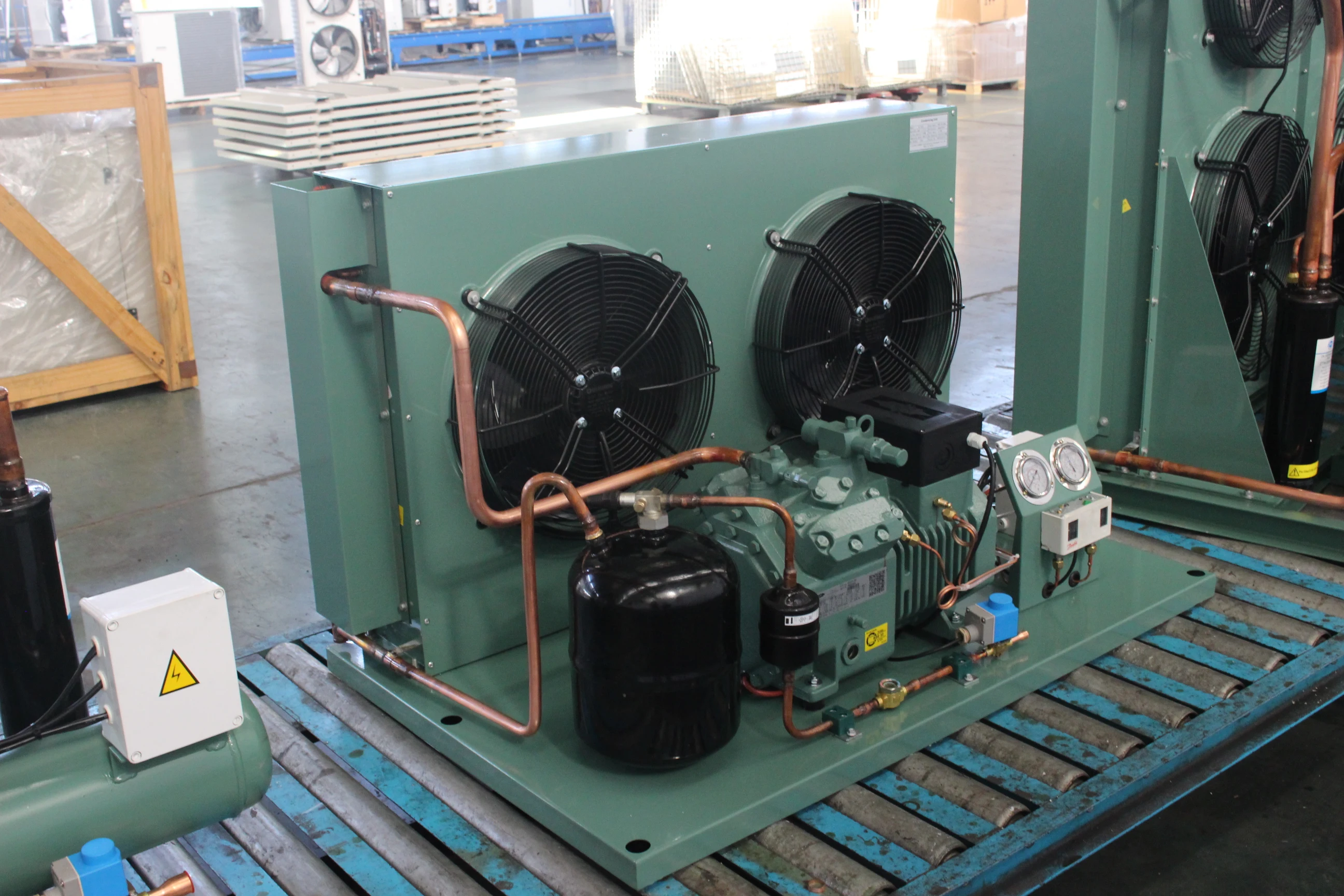
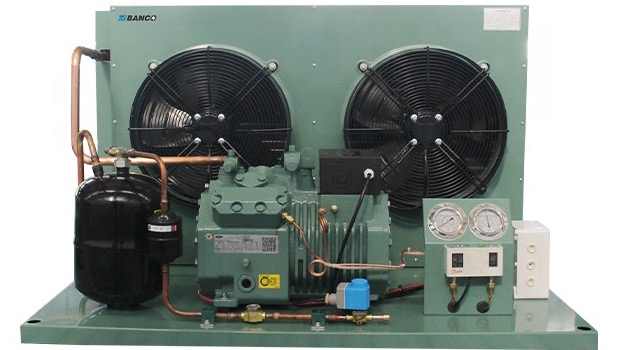
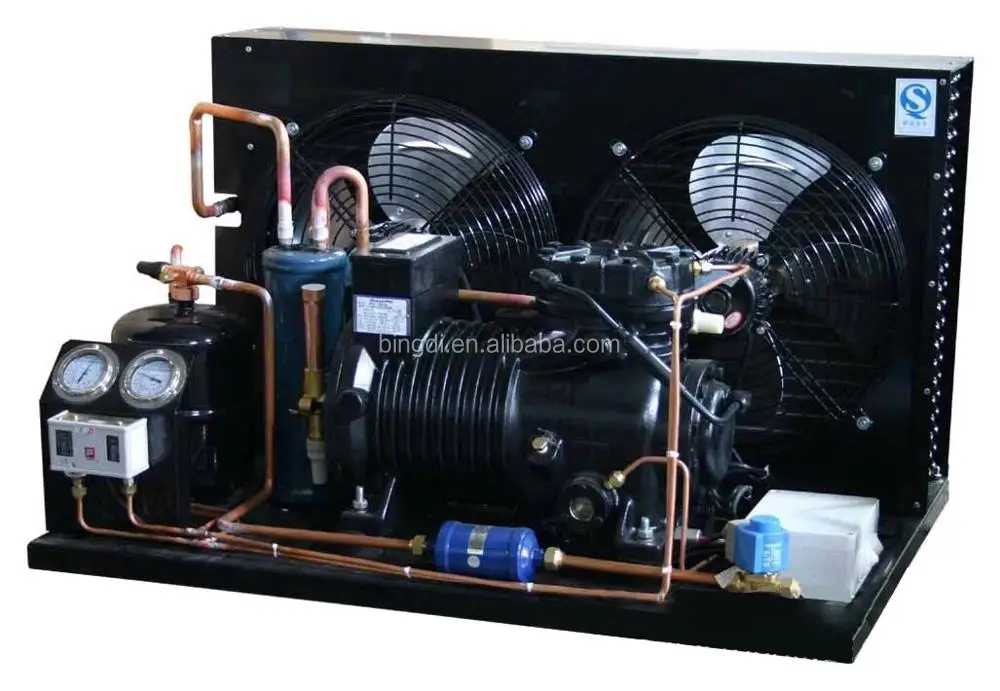
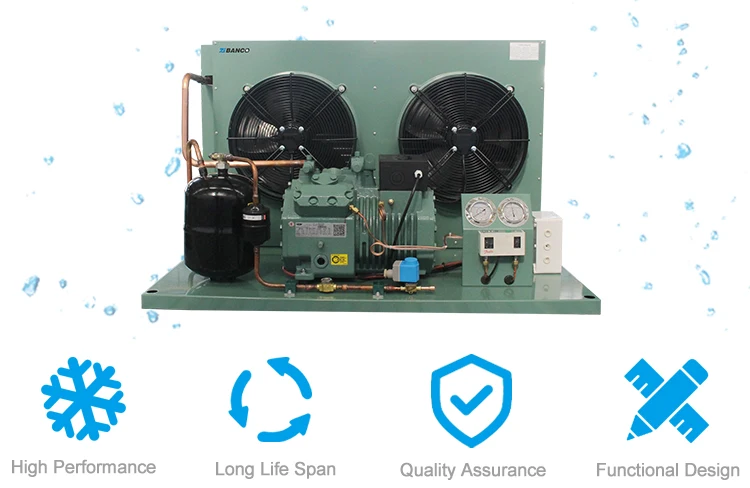
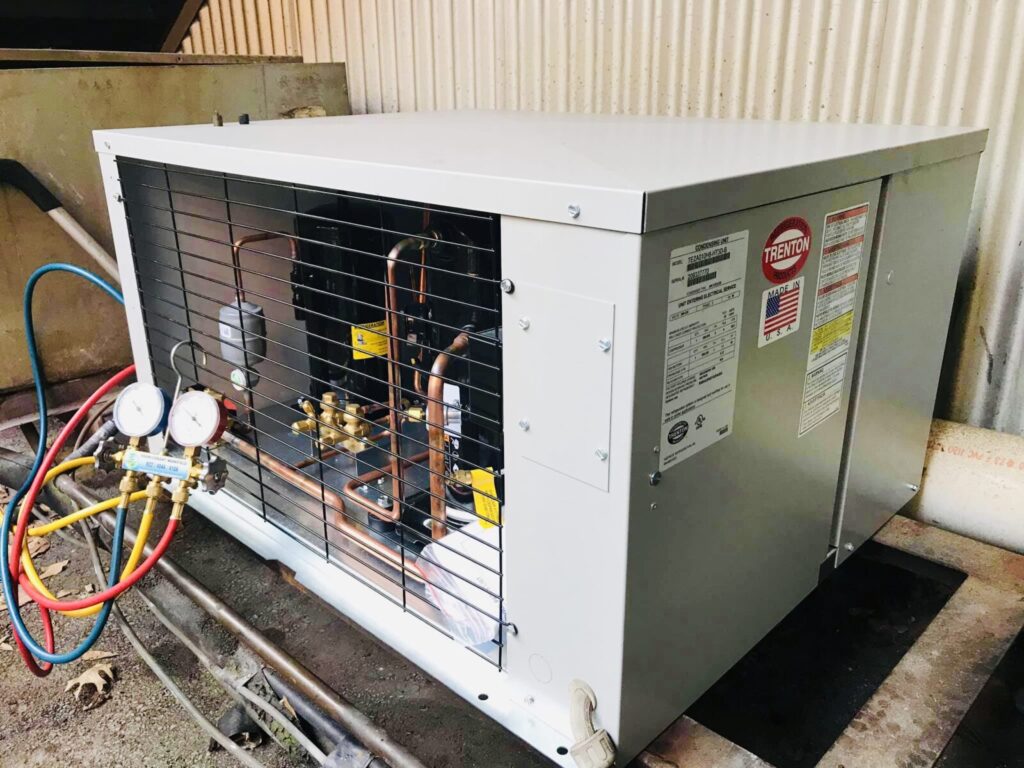
- Compressor: The compressor is the heart of the cooling system. Its job is to compress the refrigerant (a special gas that absorbs and releases heat). Compressing the refrigerant increases its pressure and temperature. It then pumps this high-pressure, high-temperature refrigerant to the condenser. You can find it usually located outside the cooler, in a mechanical room or on the roof.
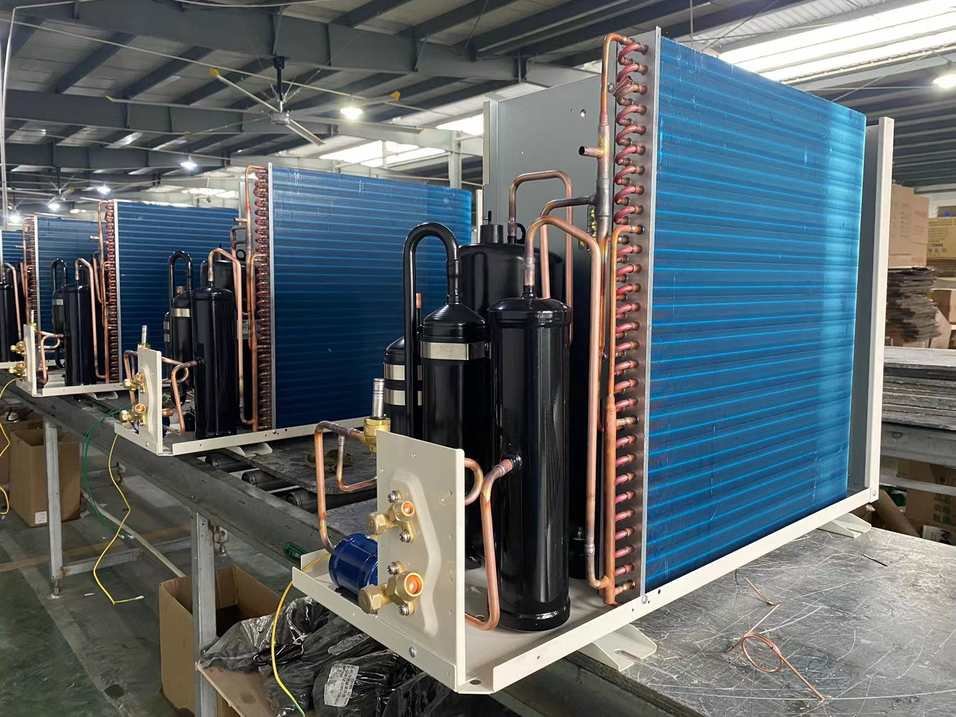
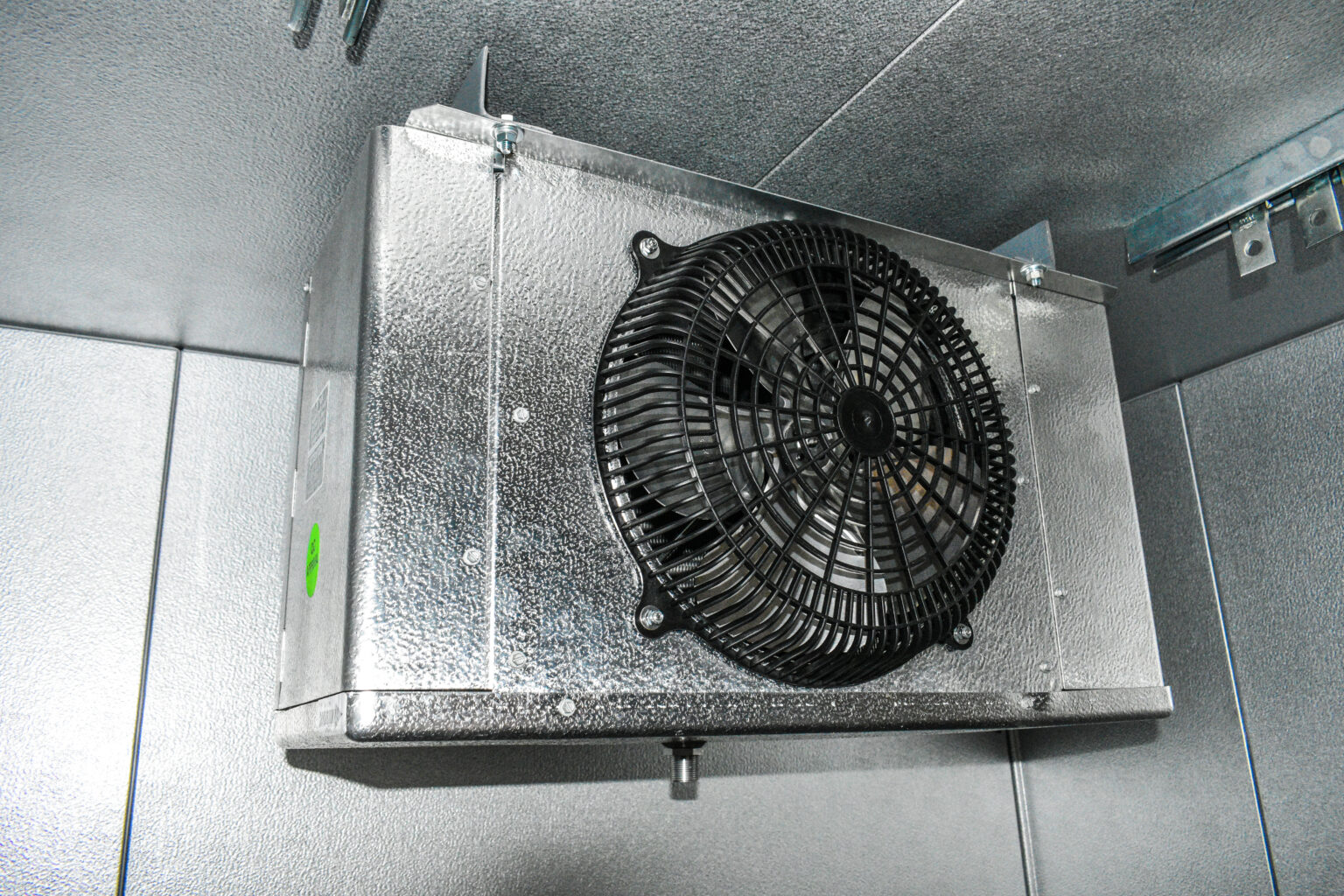
- Evaporator: The evaporator is located inside the walk-in cooler. It's a coil where the refrigerant expands and evaporates. As it evaporates, it absorbs heat from the air inside the cooler, cooling the space. A fan blows air across the evaporator coil to distribute the cool air throughout the cooler.
In simple terms, the compressor pressurizes the refrigerant to prepare it for cooling, and the evaporator releases the refrigerant to cool the air inside the walk-in cooler. They work together in a closed loop.
Q2: How do I know if my walk-in cooler's compressor is failing?
A failing compressor can lead to significant issues and potential spoilage of your products. Here are some signs that your walk-in cooler compressor might be in trouble:
- The cooler isn't cooling properly: This is the most obvious sign. If the temperature inside the cooler is warmer than usual or fluctuating significantly, the compressor might not be working efficiently. Don't ignore this!
- Unusual noises: Listen for loud banging, grinding, or hissing sounds coming from the compressor unit. These noises can indicate internal damage or worn-out parts.
- Compressor cycles on and off frequently (short-cycling): This indicates that the compressor is struggling to maintain the desired temperature and is overheating. Short-cycling can damage the compressor further.
- High energy bills: A failing compressor has to work harder to maintain the temperature, resulting in increased energy consumption. If you notice a sudden spike in your electricity bill, it could be a sign of compressor problems.
- Overheating: If you can safely touch the compressor (exercise extreme caution – it can be very hot!), check if it's excessively hot to the touch. Overheating is a common symptom of a failing compressor.
- Error codes: Many modern walk-in coolers have control panels that display error codes. Check your owner's manual for specific error codes related to the compressor.
If you notice any of these signs, it's crucial to call a qualified HVAC/R technician immediately. Ignoring the problem can lead to a complete compressor failure and costly repairs.
Q3: What are common problems with walk-in cooler evaporators?
While the compressor often gets the most attention, evaporator problems can also severely impact the performance of your walk-in cooler. Here are some common issues:
- Ice buildup: Ice buildup on the evaporator coil is a frequent problem. It restricts airflow, reduces cooling efficiency, and can eventually damage the evaporator. This is often caused by:
- Defrost system malfunction: The defrost system is designed to melt ice buildup. If it fails, ice will accumulate.
- Leaky door seals: Warm, moist air entering the cooler can condense and freeze on the evaporator coil.
- Blocked drain: A blocked drain prevents melted ice from draining properly, leading to ice buildup.
- Fan motor failure: The evaporator fan circulates air across the coil, distributing the cool air. If the fan motor fails, cooling will be uneven and inefficient.
- Refrigerant leaks: Leaks in the evaporator coil can reduce cooling capacity and eventually cause the system to fail.
- Dirty coils: Dust and debris can accumulate on the evaporator coil, reducing its ability to transfer heat.
- Corrosion: Over time, the evaporator coil can corrode, especially in humid environments. Corrosion can lead to leaks and reduced efficiency.
Regular maintenance, including cleaning the coils and inspecting the defrost system, can help prevent many of these problems.
Q4: How can I maintain my walk-in cooler's compressor and evaporator to prolong their lifespan?
Preventive maintenance is key to keeping your walk-in cooler running efficiently and avoiding costly repairs. Here are some essential maintenance tips:
- Regularly clean the condenser coil: The condenser coil (usually located outside) dissipates heat. Dust, dirt, and debris can accumulate on the coil, reducing its efficiency. Clean the coil regularly with a brush or coil cleaner. Turn off the power to the unit before cleaning!
- Keep the area around the compressor clear: Ensure adequate airflow around the compressor unit. Don't store boxes or other items that could block ventilation.
- Inspect and clean the evaporator coil: Periodically inspect the evaporator coil inside the cooler for ice buildup and dirt. Clean the coil with a soft brush or coil cleaner.
- Check and maintain door seals: Ensure that the door seals are tight and in good condition. Replace worn or damaged seals to prevent air leaks.
- Monitor the temperature: Regularly monitor the temperature inside the cooler to ensure that it's within the proper range.
- Schedule professional maintenance: Have a qualified HVAC/R technician inspect and service your walk-in cooler at least once a year. This includes checking refrigerant levels, inspecting electrical connections, and testing the defrost system.
- Ensure Proper Ventilation: Adequate ventilation around both the compressor and evaporator is critical for efficient operation. Blocked vents can lead to overheating and reduced lifespan of components.
By following these maintenance tips, you can significantly extend the lifespan of your compressor and evaporator and minimize the risk of breakdowns.
Q5: What is involved in replacing a walk-in cooler compressor or evaporator?
Replacing a compressor or evaporator is a complex and specialized task that should only be performed by a qualified HVAC/R technician. Here's a general overview of the process:
- Diagnosis: The technician will first diagnose the problem to determine if replacement is necessary. They will check refrigerant levels, electrical components, and the overall condition of the unit.
- Refrigerant Recovery: If the system contains refrigerant, the technician will recover it using specialized equipment to prevent environmental damage. This is a legal requirement.
- Component Removal: The technician will disconnect the old compressor or evaporator from the system. This involves disconnecting refrigerant lines, electrical connections, and mounting hardware.
- Installation of New Component: The new compressor or evaporator will be installed in its place. This involves connecting refrigerant lines, electrical connections, and mounting hardware.
- Vacuuming and Charging: After installation, the system will be evacuated (vacuumed) to remove air and moisture. Then, the technician will charge the system with the correct amount of refrigerant.
- Testing and Calibration: The system will be tested to ensure that it's operating properly. The technician will calibrate the controls and adjust the refrigerant charge as needed.
Replacing a compressor or evaporator can be a significant expense. It's important to get quotes from multiple contractors and ensure that they are licensed and insured.
Q6: What are the energy efficiency considerations for walk-in cooler compressors and evaporators?
Energy efficiency is an important factor to consider when choosing and maintaining walk-in cooler components. Here's what you should know:
- Compressor Type: Different types of compressors have varying energy efficiencies. Scroll compressors are generally more energy-efficient than reciprocating compressors. Variable-speed compressors can further improve efficiency by adjusting their output to match the cooling demand.
- Evaporator Coil Design: The design of the evaporator coil can also affect energy efficiency. Coils with larger surface areas tend to be more efficient.
- Refrigerant Type: Different refrigerants have different energy efficiencies and environmental impacts. Choose a refrigerant that is both energy-efficient and environmentally friendly. Your HVAC/R technician can advise you on the best refrigerant for your application.
- Proper Sizing: Ensuring that the compressor and evaporator are properly sized for the walk-in cooler is crucial for energy efficiency. An undersized system will struggle to maintain the temperature, while an oversized system will cycle on and off frequently, wasting energy.
- Regular Maintenance: As mentioned earlier, regular maintenance is essential for maintaining energy efficiency. Dirty coils, leaky door seals, and other problems can reduce efficiency and increase energy consumption.
- Energy-Efficient Features: Look for walk-in coolers with energy-efficient features such as:
- LED lighting: LED lights consume significantly less energy than traditional incandescent or fluorescent lights.
- High-efficiency fan motors: Energy-efficient fan motors can reduce energy consumption.
- Insulated panels: Properly insulated panels can minimize heat gain and reduce the load on the cooling system.
Investing in energy-efficient components and following proper maintenance practices can significantly reduce your energy bills and lower your environmental impact. Consider looking for Energy Star certified walk-in coolers for guaranteed efficiency.
Q7: What are the costs associated with compressor and evaporator repair or replacement?
The costs associated with repairing or replacing a walk-in cooler compressor or evaporator can vary widely depending on several factors:
- Type of Compressor/Evaporator: The type of compressor or evaporator (e.g., size, capacity, efficiency) will significantly impact the cost. More complex and higher-capacity units are generally more expensive.
- Brand and Model: Different brands and models have varying prices. Some brands are known for their higher quality and durability, which may come at a premium.
- Complexity of the Repair/Replacement: Simple repairs, such as replacing a fan motor or cleaning a coil, will be less expensive than major repairs or complete replacements. Replacing a compressor or evaporator involves more labor and specialized equipment, increasing the cost.
- Refrigerant Type and Amount: The type and amount of refrigerant required can also affect the cost. Some refrigerants are more expensive than others, and the cost of refrigerant has fluctuated significantly in recent years due to environmental regulations.
- Labor Costs: Labor costs vary depending on the location and the hourly rate of the HVAC/R technician. Get quotes from multiple contractors to compare prices.
- Permits and Inspections: Some jurisdictions require permits and inspections for refrigeration work, which can add to the overall cost.
- Accessibility: If the compressor or evaporator is difficult to access, the labor costs may be higher due to the increased time and effort required to perform the work.
- Emergency Service: Emergency repairs or replacements, especially outside of regular business hours, typically cost more due to overtime rates.
General Cost Estimates: (These are broad estimates and can vary significantly)
- Compressor Repair: $300 - $1,500 (depending on the issue)
- Compressor Replacement: $1,500 - $6,000+ (including labor and refrigerant)
- Evaporator Repair: $200 - $800 (depending on the issue)
- Evaporator Replacement: $800 - $3,000+ (including labor and refrigerant)
It's essential to get a detailed quote from a qualified HVAC/R technician before proceeding with any repair or replacement. The quote should include a breakdown of the costs for parts, labor, refrigerant, and any other applicable fees.