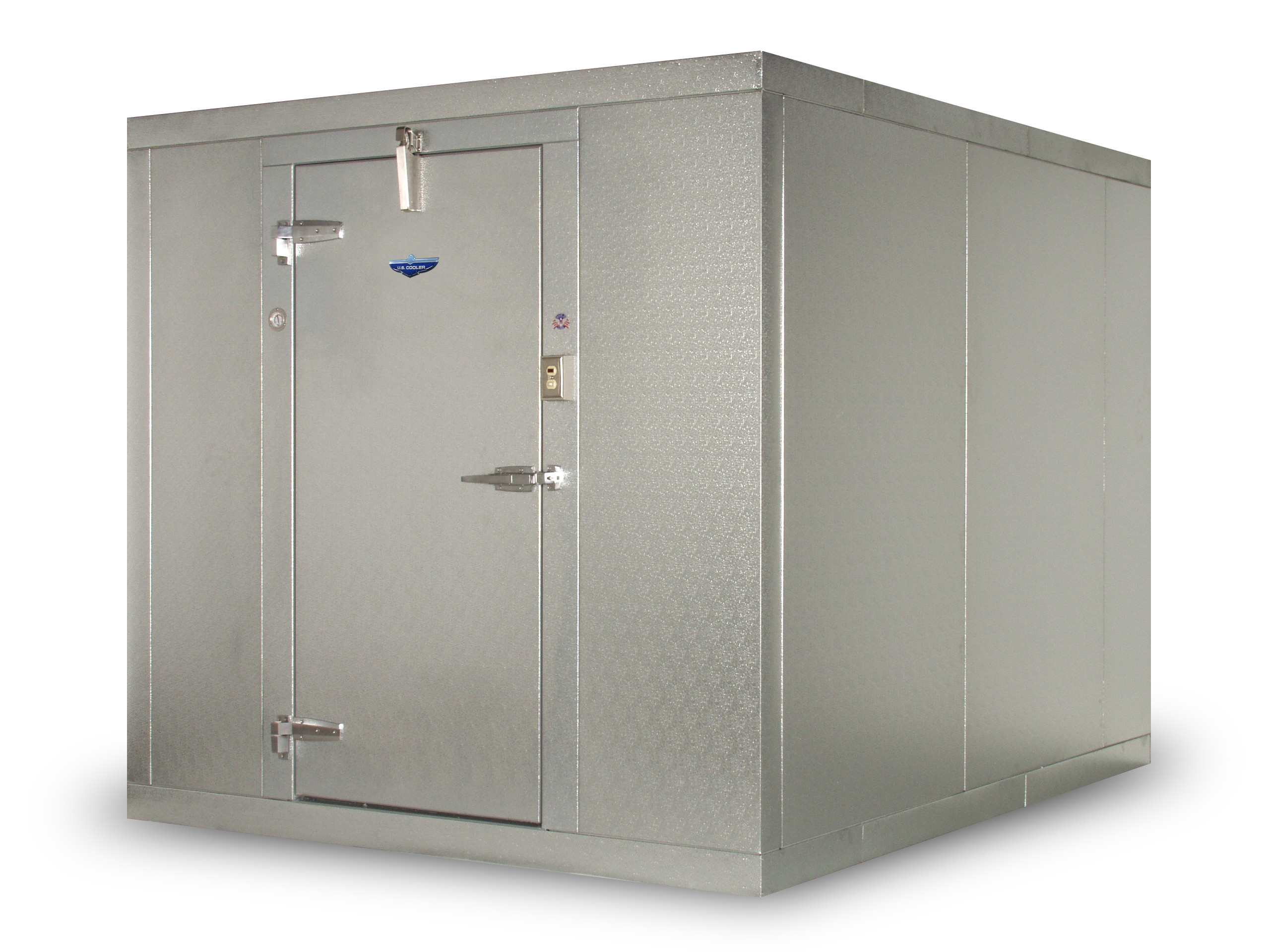
Walk In Cooler Units For Sale

Walk-in coolers are essential for businesses that need to store large quantities of perishable goods at consistent, cold temperatures. From restaurants and grocery stores to florists and breweries, these units provide reliable temperature control, preserving product quality and minimizing spoilage. This article provides a comprehensive overview of walk-in coolers for sale, covering types, components, considerations, and factors influencing cost and performance.
Understanding Walk-In Cooler Basics
A walk-in cooler, unlike a standard reach-in refrigerator, is a large, enclosed, insulated space designed to maintain temperatures typically between 35°F and 45°F (1.7°C and 7.2°C). They come in a variety of sizes, from small units suitable for a corner store to large installations serving distribution centers. The key components of a walk-in cooler include:
- Panels: Insulated panels form the walls, floor, and ceiling of the cooler. The R-value (resistance to heat flow) of these panels is critical for energy efficiency. Higher R-values translate to better insulation and lower energy consumption. Common panel materials include polyurethane and polystyrene.
- Refrigeration System: This system is responsible for cooling the air inside the walk-in. It comprises a compressor, condenser, evaporator coil, and expansion valve, all working together to remove heat. Refrigeration systems can be self-contained (all components in one unit) or remote (compressor and condenser located outside the cooler).
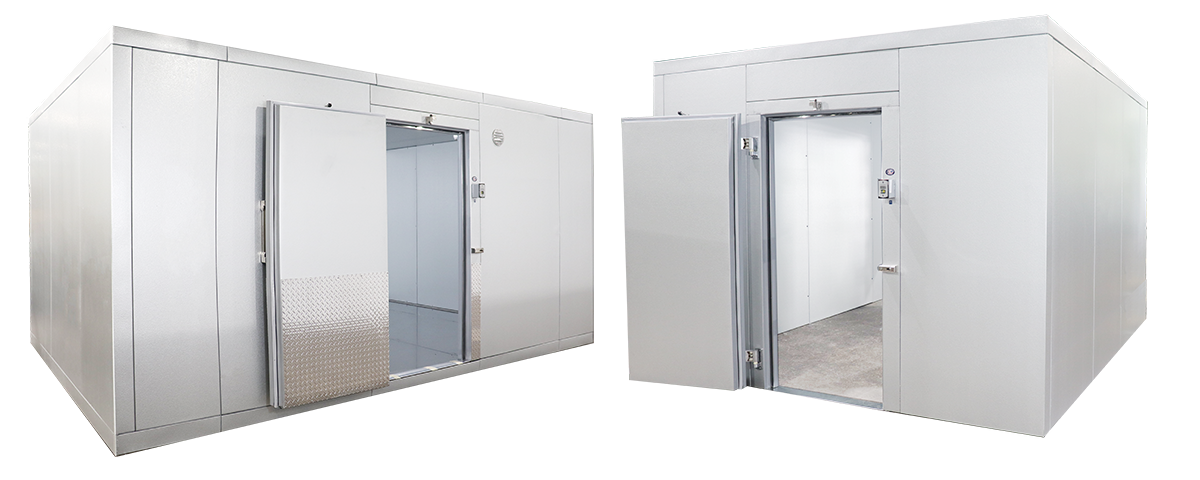
- Doors: Walk-in cooler doors are heavily insulated and equipped with tight seals to prevent air leaks. They can be hinged or sliding, and some models include features like automatic door closers and strip curtains to further minimize energy loss.
- Controls: A thermostat and control system maintain the desired temperature inside the cooler. These systems can be simple analog controls or more advanced digital controllers that offer features like temperature monitoring, alarms, and remote access.
Types of Walk-In Coolers
Walk-in coolers are categorized based on several factors, including their intended use, construction type, and refrigeration system. Some common types include:
Indoor vs. Outdoor Walk-In Coolers
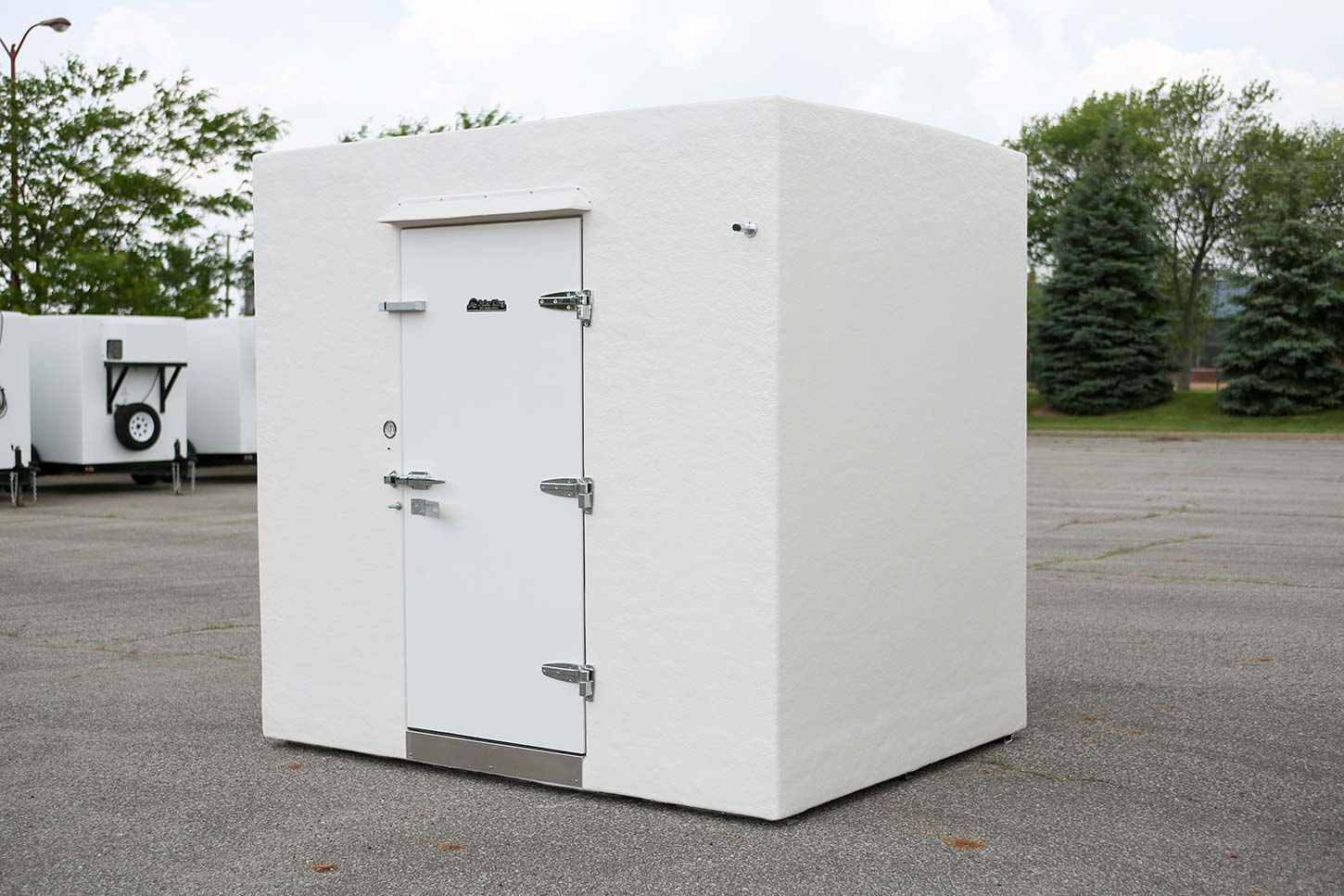
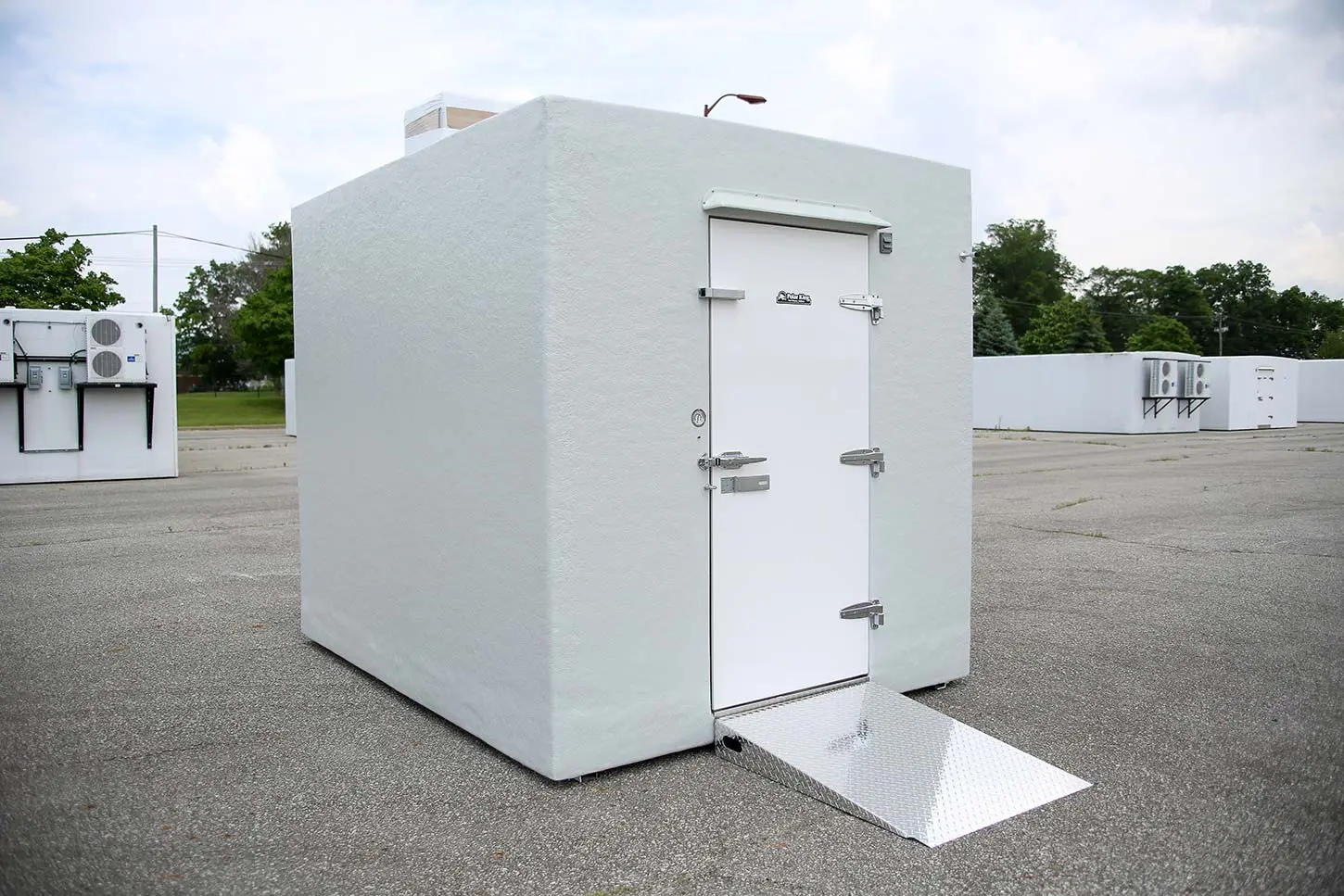
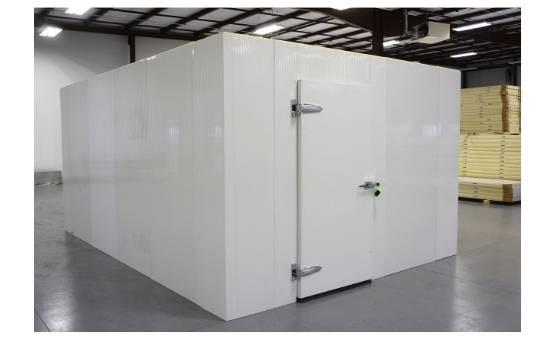
Indoor walk-in coolers are designed for installation inside a building. They are typically less expensive than outdoor units but require proper ventilation to dissipate heat from the refrigeration system. Outdoor walk-in coolers are built to withstand the elements and feature weatherproof construction. They often have more robust insulation and may require additional heating elements to prevent freezing in cold climates.
One-Piece vs. Sectional Walk-In Coolers
One-piece walk-in coolers are pre-fabricated units delivered fully assembled. They are quick to install but offer limited customization options. Sectional walk-in coolers are constructed from individual panels that are assembled on-site. This allows for greater flexibility in size and layout and makes it easier to disassemble and relocate the cooler if needed.
Self-Contained vs. Remote Refrigeration Systems
As mentioned earlier, refrigeration systems can be self-contained or remote. Self-contained systems are easier to install and maintain but can generate noise and heat inside the building. Remote systems offer quieter operation and better heat dissipation, but they require more complex installation and may be more expensive.
Key Considerations When Buying a Walk-In Cooler
Choosing the right walk-in cooler requires careful consideration of several factors. Here are some important questions to ask:
- What size cooler do I need? This depends on the volume of product you need to store and the available space. Accurately estimate your storage needs to avoid buying a cooler that is too small or too large.
- What type of product will I be storing? Different products have different temperature requirements. Ensure the cooler can maintain the necessary temperature range for your specific products.
- What is the ambient temperature in the installation location? The cooler's refrigeration system must be able to overcome the ambient temperature to maintain the desired internal temperature.
- What is my budget? Walk-in coolers vary significantly in price. Establish a budget and prioritize features that are most important to your business.
- What are the local building codes and regulations? Ensure the cooler meets all applicable codes and regulations, including energy efficiency standards and safety requirements.
Understanding Energy Efficiency and Costs
Energy efficiency is a critical factor to consider when buying a walk-in cooler. Inefficient coolers can consume a significant amount of electricity, leading to high operating costs. Look for coolers that meet or exceed industry energy efficiency standards, such as those set by the Department of Energy (DOE). Consider the following:
- Panel Insulation: As mentioned earlier, higher R-values translate to better insulation and lower energy consumption.
- Door Seals: Ensure the door seals are tight and in good condition to prevent air leaks.
- Refrigeration System Efficiency: Look for refrigeration systems with high Energy Efficiency Ratio (EER) or Seasonal Energy Efficiency Ratio (SEER) ratings.
- Lighting: Use energy-efficient LED lighting inside the cooler.
- Controls: Programmable thermostats and advanced control systems can help optimize energy usage.
The cost of a walk-in cooler depends on several factors, including size, type, features, and installation costs. Smaller, basic units can start at around $5,000, while larger, more sophisticated coolers can cost upwards of $20,000 or more. Installation costs can also vary significantly depending on the complexity of the project and local labor rates. Factor in ongoing maintenance costs, such as cleaning, repairs, and refrigerant replacement, when budgeting for a walk-in cooler.
Installation and Maintenance Tips
Proper installation and maintenance are essential for ensuring the long-term performance and reliability of a walk-in cooler. It is recommended to hire a qualified HVAC technician to install the cooler and ensure it is properly connected and calibrated. Regular maintenance tasks include:
- Cleaning: Clean the interior and exterior of the cooler regularly to prevent the buildup of dirt and debris.
- Inspecting Door Seals: Check the door seals regularly for damage and replace them as needed.
- Cleaning Condenser Coils: Clean the condenser coils regularly to ensure proper heat transfer.
- Monitoring Temperature: Regularly monitor the temperature inside the cooler to ensure it is within the desired range.
- Scheduling Preventative Maintenance: Schedule regular preventative maintenance with a qualified HVAC technician to identify and address potential problems before they become major issues.
Finding Walk-In Coolers For Sale
Walk-in coolers are available from a variety of sources, including:
- HVAC Suppliers: HVAC suppliers specialize in heating, ventilation, and air conditioning equipment and can offer a wide selection of walk-in coolers.
- Restaurant Equipment Suppliers: Restaurant equipment suppliers cater specifically to the food service industry and offer coolers designed for restaurant applications.
- Online Retailers: Several online retailers sell walk-in coolers, offering convenience and competitive pricing.
- Manufacturers: Buying directly from the manufacturer can offer the best prices and customization options.
When shopping for a walk-in cooler, be sure to compare prices, features, and warranties from different suppliers. Read online reviews and ask for references to ensure you are choosing a reputable supplier with a track record of providing high-quality products and service.
Conclusion
Investing in a walk-in cooler is a significant decision for any business that relies on cold storage. By understanding the different types of coolers, key considerations, and factors influencing cost and performance, you can make an informed decision and choose a cooler that meets your specific needs and budget. Remember to prioritize energy efficiency and proper maintenance to minimize operating costs and ensure the long-term reliability of your investment. Don't hesitate to consult with an HVAC professional to get expert advice and guidance.