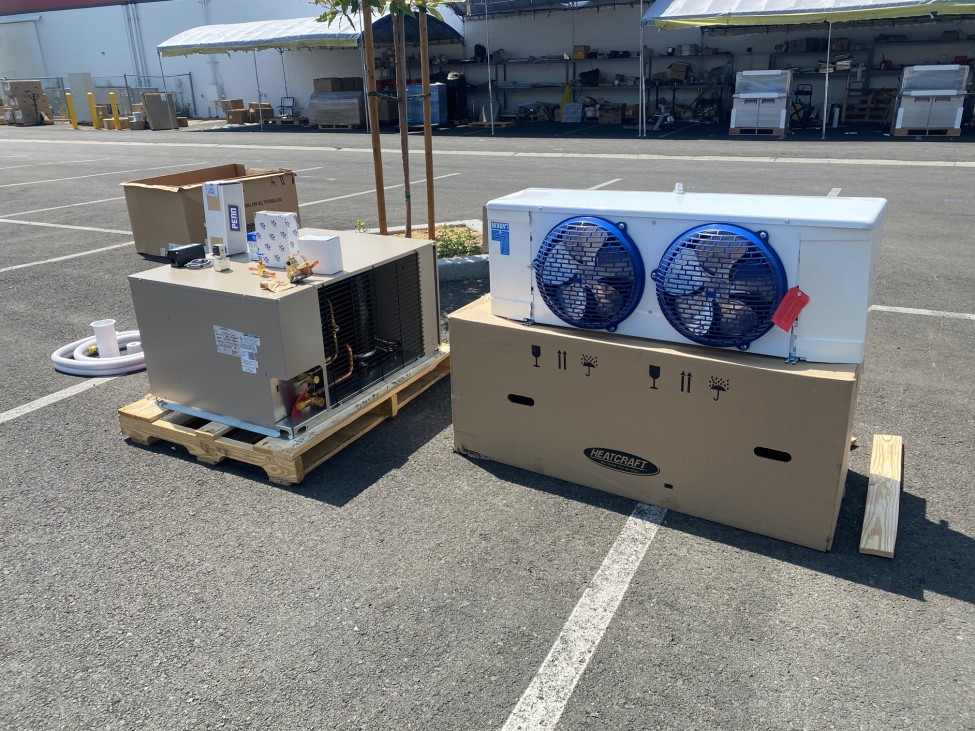
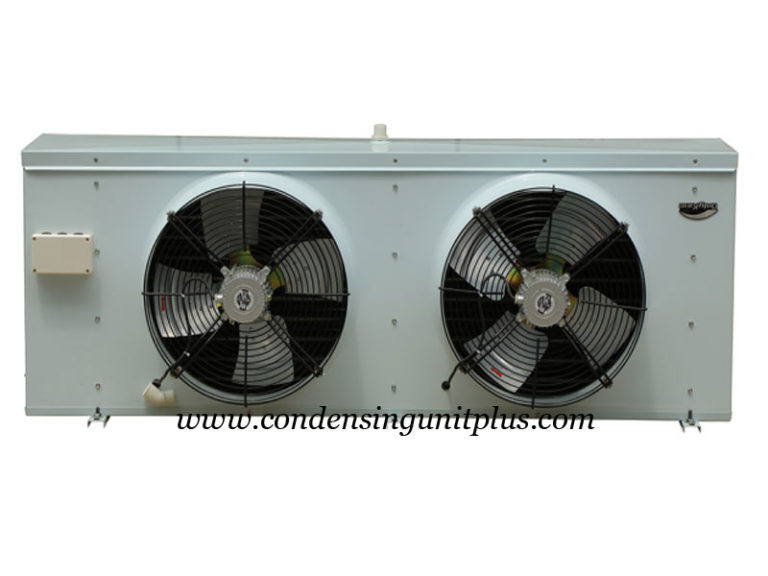
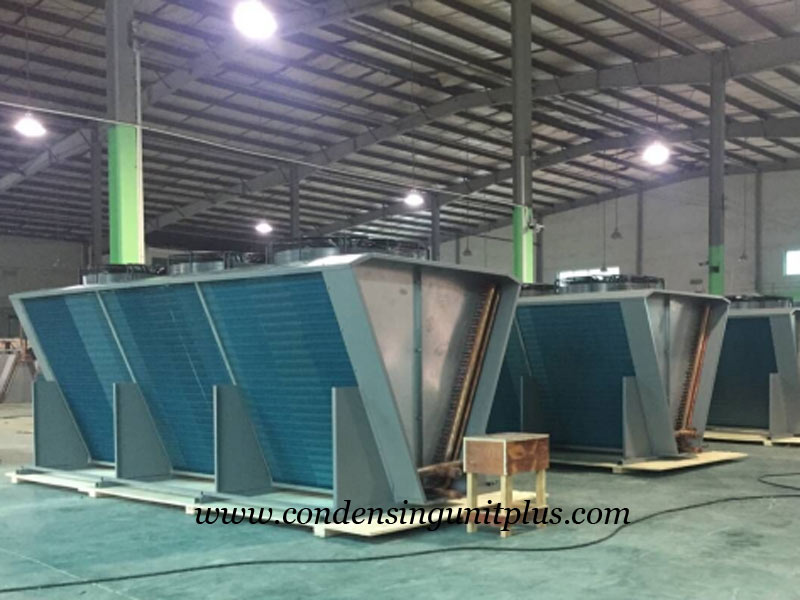
Walk In Freezer Condensing Unit And Evaporator
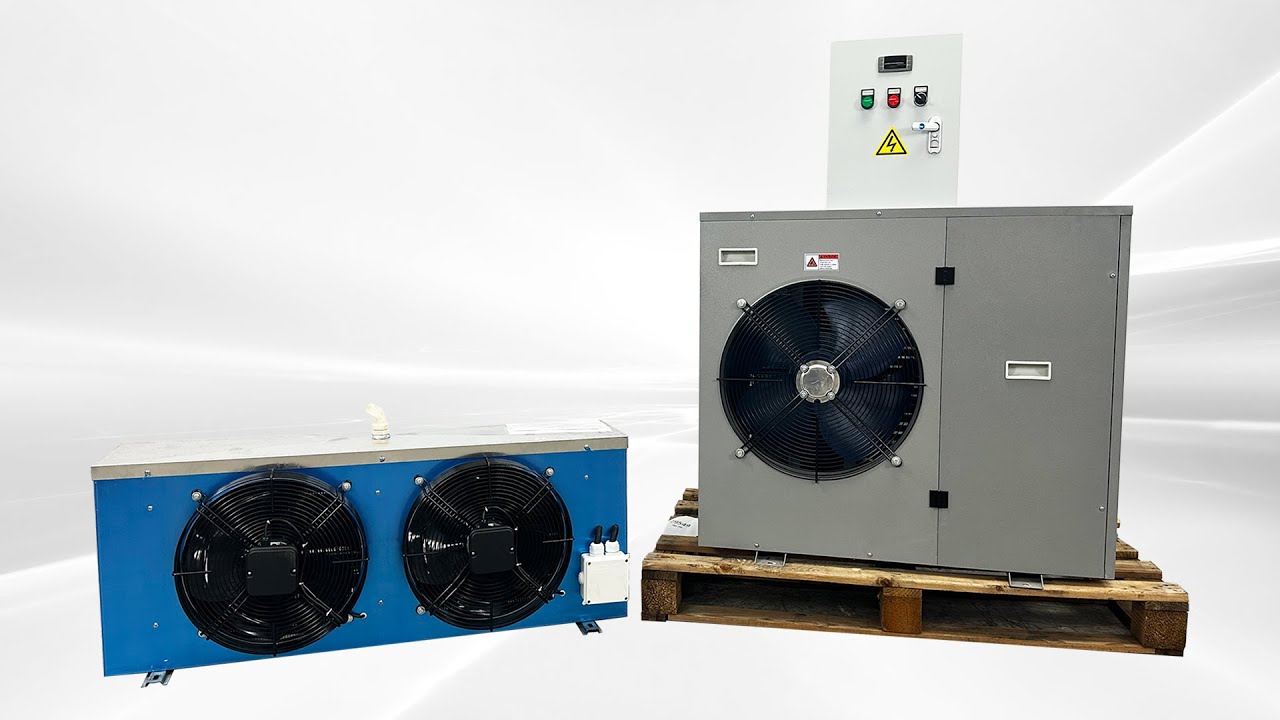
Walk-In Freezer Condensing Units and Evaporators: Your Top Questions Answered
Walk-in freezers are essential for businesses that need to store large quantities of perishable goods. Understanding the key components – the condensing unit and the evaporator – is crucial for maintaining optimal performance and preventing costly downtime. This FAQ addresses common questions about these vital systems.
Question 1: What exactly are the condensing unit and evaporator in a walk-in freezer, and what do they do?
Think of your walk-in freezer as having a heart (the condensing unit) and lungs (the evaporator). They work together to keep everything cold.
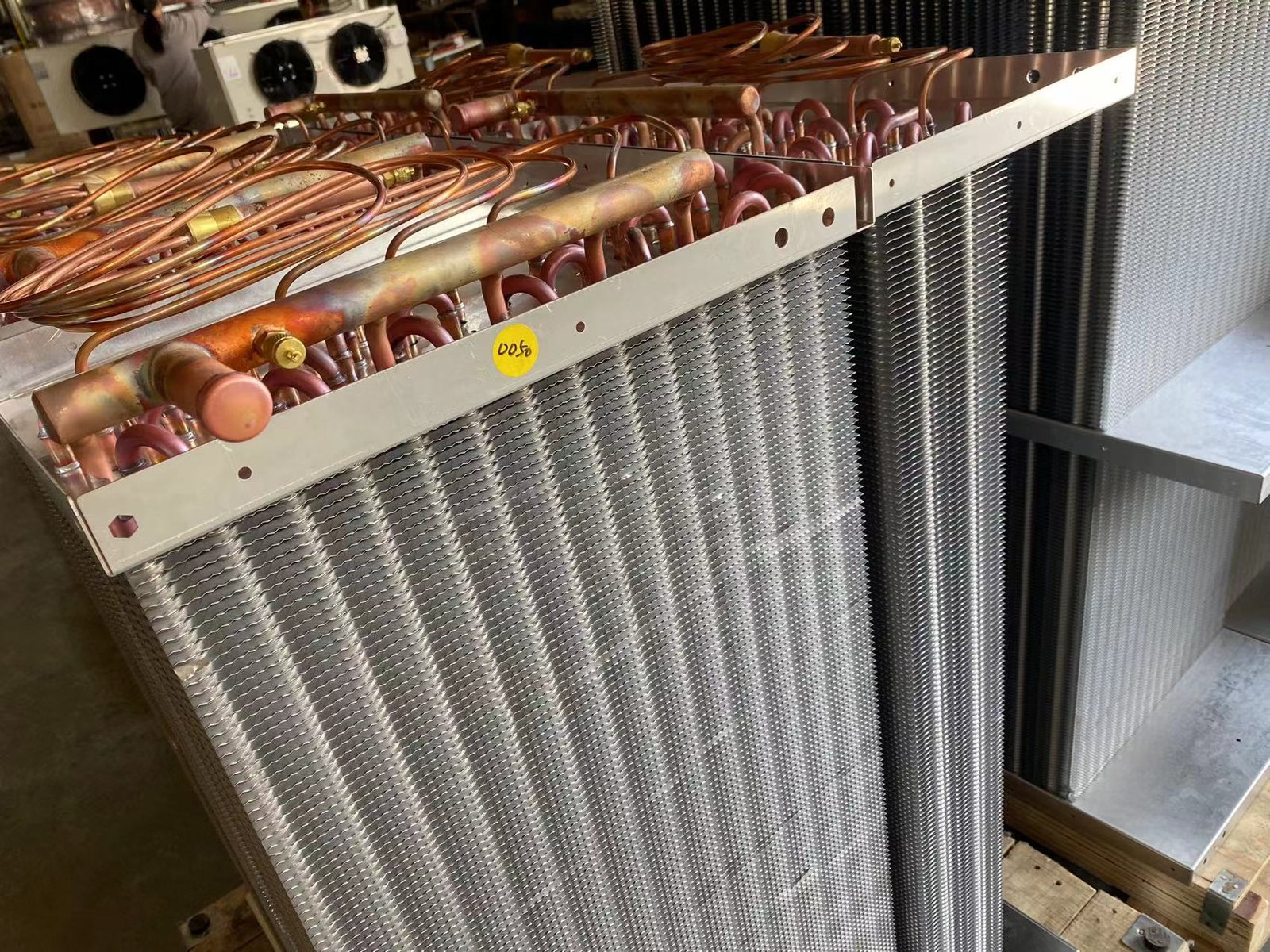
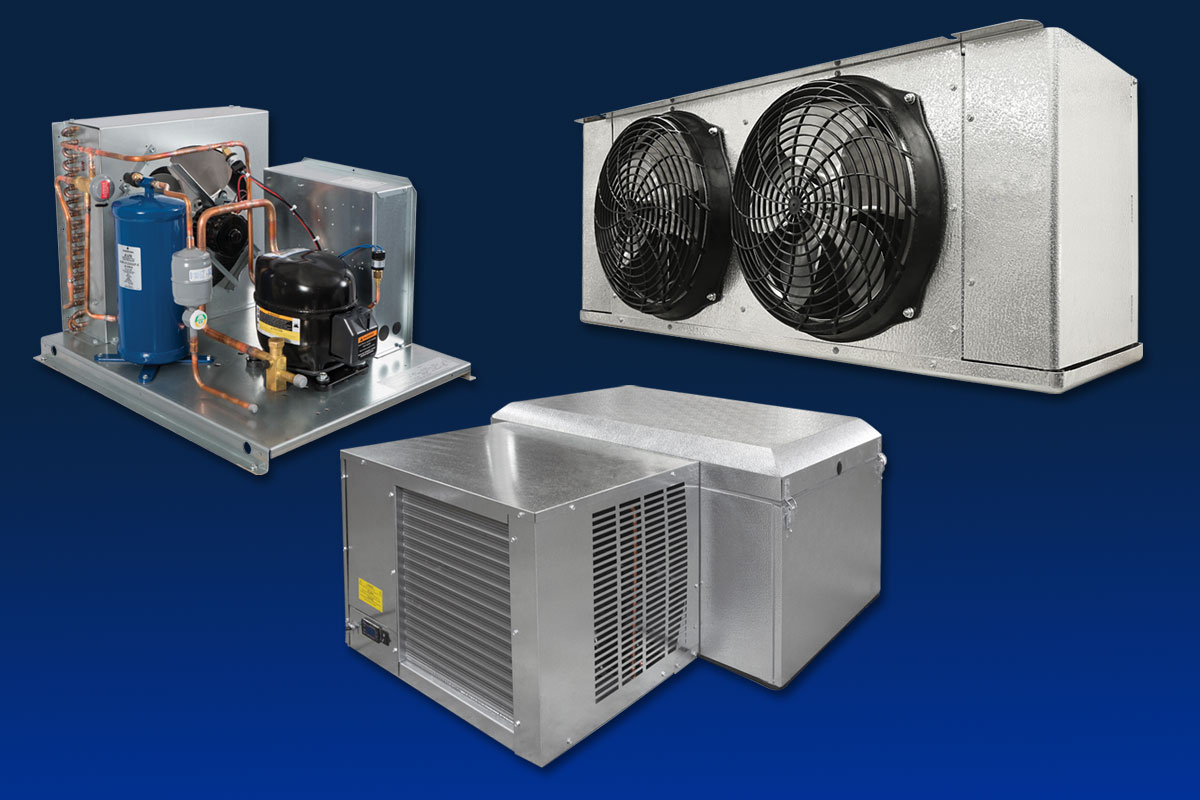
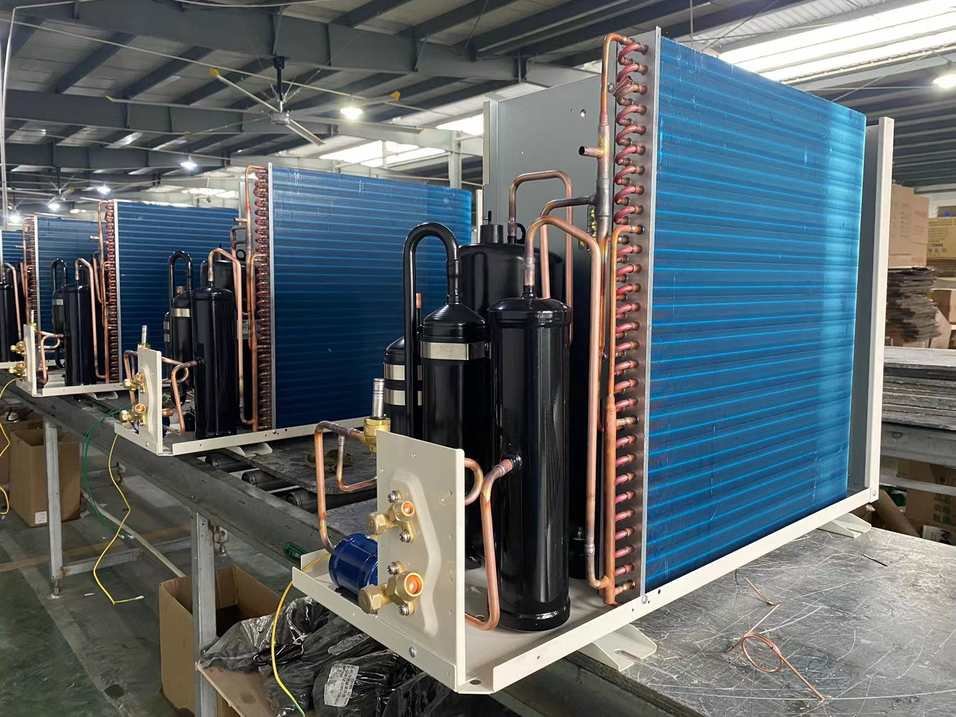
- Condensing Unit: This is the heart of the system. It's typically located outside the freezer. Its primary function is to:
- Compress the refrigerant gas, increasing its pressure and temperature.
- Cool the hot, high-pressure refrigerant gas, turning it into a high-pressure liquid.
- Circulate the refrigerant throughout the entire system.
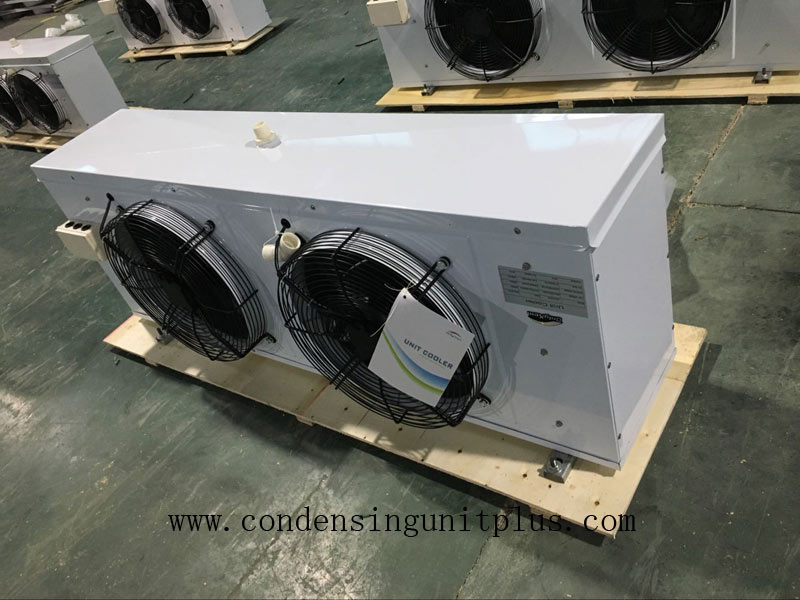
- Evaporator: This is located inside the freezer. It acts like the lungs, absorbing heat from the inside of the freezer to cool the air. Its primary function is to:
- Receive the liquid refrigerant from the condensing unit.
- Allow the refrigerant to evaporate (boil) into a gas, absorbing heat from the freezer interior in the process.
- Return the refrigerant gas back to the condensing unit to repeat the cycle.
In simple terms, the condensing unit removes heat from the refrigerant, and the evaporator absorbs heat from inside the freezer. This continuous cycle is what keeps the freezer cold.
Question 2: How do I know what size condensing unit and evaporator I need for my walk-in freezer?
Sizing these components correctly is critical. An undersized system won't maintain the proper temperature, while an oversized system can lead to inefficient operation and potentially damage to the equipment.
Factors that influence the required size include:
- Freezer Size (Cubic Feet): A larger freezer requires a more powerful system.
- Insulation Quality: Better insulation reduces the heat load and allows for a smaller system.
- Ambient Temperature: Warmer climates require more powerful systems.
- Usage Frequency (Door Openings): Frequent door openings introduce warm air and increase the load.
- Type of Products Stored: Some products generate more heat than others.
- Desired Freezer Temperature: Lower temperatures require more cooling capacity.
You should always consult with a qualified HVAC/R (Heating, Ventilation, Air Conditioning, and Refrigeration) technician to properly size your condensing unit and evaporator. They will perform a heat load calculation that considers all of these factors to determine the optimal system size for your specific application. Don't guess – get a professional assessment!
Question 3: What are some common problems that can occur with walk-in freezer condensing units and evaporators?
Like any mechanical equipment, these systems can experience problems. Here are some common issues:
- Condensing Unit:
- Compressor Failure: This is often the most expensive repair. Causes can include overheating, refrigerant leaks, and electrical problems.
- Refrigerant Leaks: Low refrigerant levels reduce cooling capacity and can damage the compressor.
- Dirty Condenser Coil: A dirty coil restricts airflow and reduces cooling efficiency.
- Fan Motor Failure: A malfunctioning fan can cause the condensing unit to overheat.
- Electrical Issues: Problems with wiring, contactors, or other electrical components.
- Evaporator:
- Ice Buildup: Excessive ice buildup reduces airflow and cooling capacity. This can be caused by a malfunctioning defrost system, air leaks, or high humidity.
- Fan Motor Failure: A broken fan disrupts airflow and can lead to temperature fluctuations.
- Refrigerant Leaks: Similar to the condensing unit, refrigerant leaks will reduce cooling.
- Defrost System Malfunctions: Problems with the defrost timer, heater, or sensor can prevent proper defrosting.
- Dirty Evaporator Coil: Dust and debris on the coil reduce heat transfer efficiency.
Regular maintenance is key to preventing many of these problems. This includes cleaning coils, inspecting for leaks, and monitoring system performance.
Question 4: How often should I maintain my walk-in freezer's condensing unit and evaporator? What does maintenance involve?
Regular maintenance is crucial for extending the lifespan of your equipment, ensuring efficient operation, and preventing costly breakdowns. A good maintenance schedule typically involves:
- Monthly:
- Visual Inspection: Check for any signs of leaks, damage, or unusual noises.
- Temperature Monitoring: Ensure the freezer is maintaining the correct temperature.
- Coil Cleaning (if easily accessible): Remove any visible dust or debris from the condenser and evaporator coils.
- Quarterly:
- Thorough Coil Cleaning: Use a coil cleaner specifically designed for HVAC/R systems.
- Fan Motor Inspection: Check for proper operation and lubrication (if applicable).
- Defrost System Check: Verify that the defrost system is functioning correctly.
- Refrigerant Level Check (by a qualified technician): If you suspect a leak, have a technician check the refrigerant levels.
- Annually (by a qualified HVAC/R technician):
- Comprehensive System Inspection: A thorough inspection of all components, including the compressor, electrical connections, and control devices.
- Refrigerant Charge Check and Adjustment: Ensure the refrigerant charge is at the optimal level.
- Leak Detection: Use specialized equipment to detect any refrigerant leaks.
- Calibration of Controls: Verify that the temperature controls and other settings are accurate.
- Compressor Oil Check (if applicable): Check the oil level and condition in the compressor.
It's highly recommended to have a qualified HVAC/R technician perform the annual maintenance. They have the expertise and equipment to identify and address potential problems before they lead to major breakdowns. Neglecting maintenance can lead to significantly higher repair costs and a shorter lifespan for your equipment.
Question 5: My walk-in freezer isn't cooling properly. What could be the cause, and what should I do?
Several factors can contribute to inadequate cooling. Here's a troubleshooting checklist:
- Check the Thermostat: Make sure the thermostat is set to the correct temperature.
- Inspect the Door Seals: Damaged or worn seals allow warm air to enter, reducing cooling efficiency. Replace damaged seals immediately.
- Check for Obstructions: Ensure that nothing is blocking the evaporator or condenser coils. Proper airflow is essential.
- Listen for Unusual Noises: Strange sounds from the condensing unit or evaporator can indicate a problem with the compressor, fan motor, or other components.
- Look for Ice Buildup: Excessive ice buildup on the evaporator coil restricts airflow and reduces cooling. This could indicate a defrost system problem.
- Check the Condenser Coil: A dirty condenser coil restricts airflow and reduces cooling efficiency. Clean the coil if it's dirty.
If you've checked these common issues and your freezer is still not cooling properly, it's time to call a qualified HVAC/R technician. Continuing to operate a malfunctioning freezer can damage the equipment and potentially spoil your stored goods. Don't attempt to diagnose or repair complex issues yourself unless you have the necessary training and experience. Refrigerant handling, electrical work, and compressor repairs should only be performed by qualified professionals.
Question 6: What are the latest energy-efficient technologies in walk-in freezer condensing units and evaporators?
Energy efficiency is increasingly important, both for reducing operating costs and minimizing environmental impact. Here are some of the latest technologies:
- Variable Speed Compressors: These compressors adjust their speed based on the cooling demand, reducing energy consumption during periods of low load. Traditional compressors operate at a fixed speed, regardless of the cooling requirements.
- Electronically Commutated (EC) Fan Motors: EC motors are significantly more efficient than traditional shaded-pole fan motors. They also offer variable speed control for even greater energy savings.
- Advanced Evaporator Coil Designs: Improved coil designs enhance heat transfer efficiency, allowing for more effective cooling with less energy.
- Electronic Expansion Valves (EEVs): EEVs precisely control the flow of refrigerant into the evaporator, optimizing system performance and energy efficiency. Traditional thermostatic expansion valves (TXVs) are less precise.
- Smart Defrost Systems: These systems use sensors and algorithms to optimize defrost cycles, minimizing the amount of energy used for defrosting. Traditional time-clock defrost systems defrost at pre-set intervals, regardless of whether it's actually needed.
- LED Lighting: Replacing traditional incandescent or fluorescent lighting with LED lights significantly reduces energy consumption and heat output inside the freezer.
- Improved Insulation: Using high-quality insulation materials reduces heat gain and lowers the cooling load.
When purchasing a new walk-in freezer or upgrading existing equipment, consider investing in these energy-efficient technologies. The upfront cost may be higher, but the long-term energy savings can be substantial.
Question 7: What are the regulations regarding refrigerants used in walk-in freezers, and how are they changing?
Refrigerant regulations are constantly evolving to address environmental concerns, particularly ozone depletion and global warming. Here's a summary of the key issues:
- Phase-out of Ozone-Depleting Substances (ODS): Refrigerants like CFCs and HCFCs, which are known to deplete the ozone layer, have been phased out under international agreements like the Montreal Protocol.
- Transition to Low-GWP (Global Warming Potential) Refrigerants: The focus is now on transitioning to refrigerants with lower global warming potential (GWP). High-GWP refrigerants, such as HFCs, contribute significantly to climate change.
- EPA Regulations: The U.S. Environmental Protection Agency (EPA) has regulations in place to manage refrigerants, including requirements for leak detection, recovery, and recycling.
- State and Local Regulations: Some states and local jurisdictions have even stricter refrigerant regulations than the federal government.
It's crucial to stay informed about the latest refrigerant regulations and ensure that your walk-in freezer is compliant. Using illegal or outdated refrigerants can result in fines and penalties. When servicing or repairing your freezer, always use EPA-approved refrigerants and follow proper handling procedures. Consult with a qualified HVAC/R technician who is knowledgeable about current refrigerant regulations.