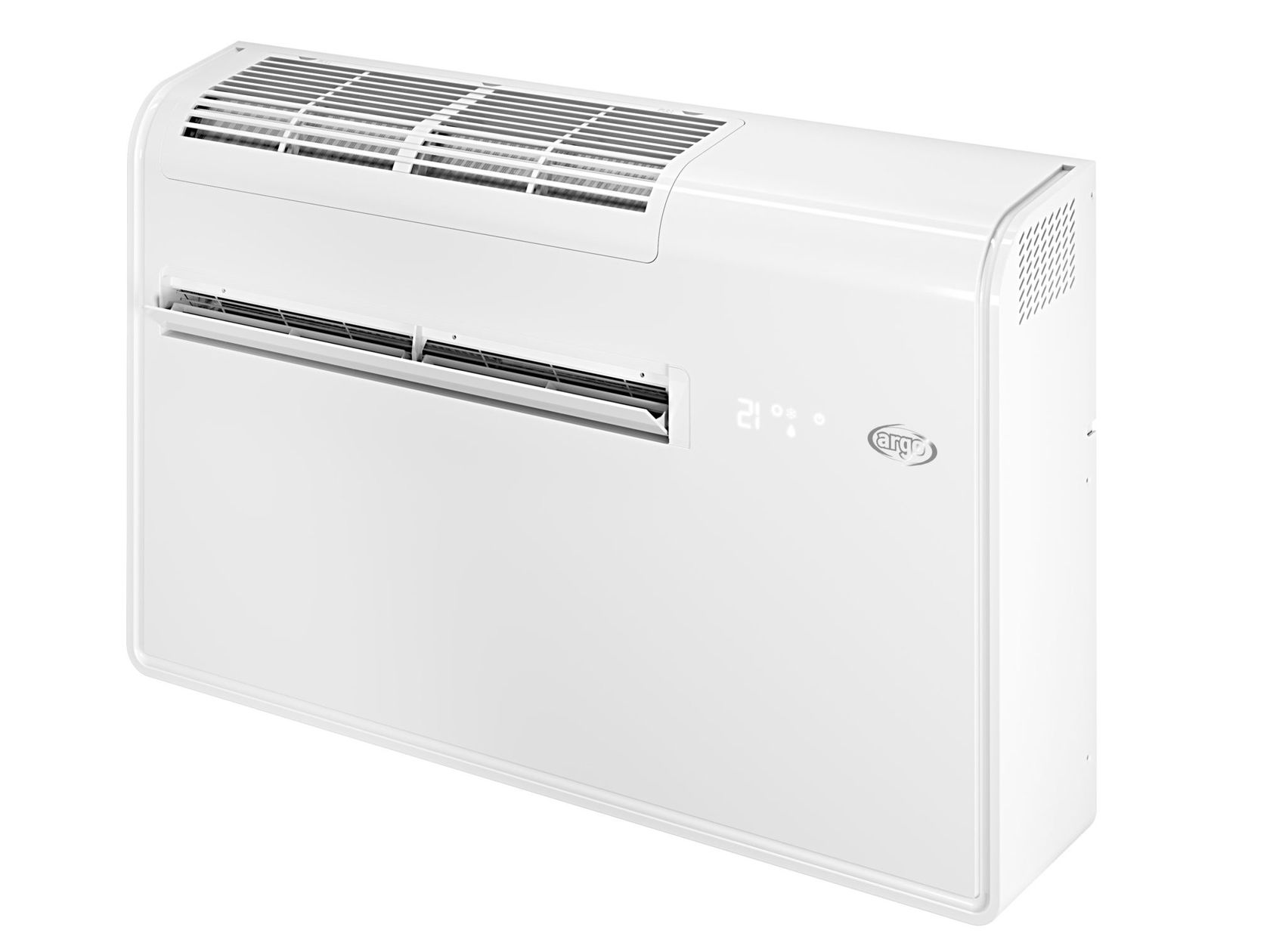
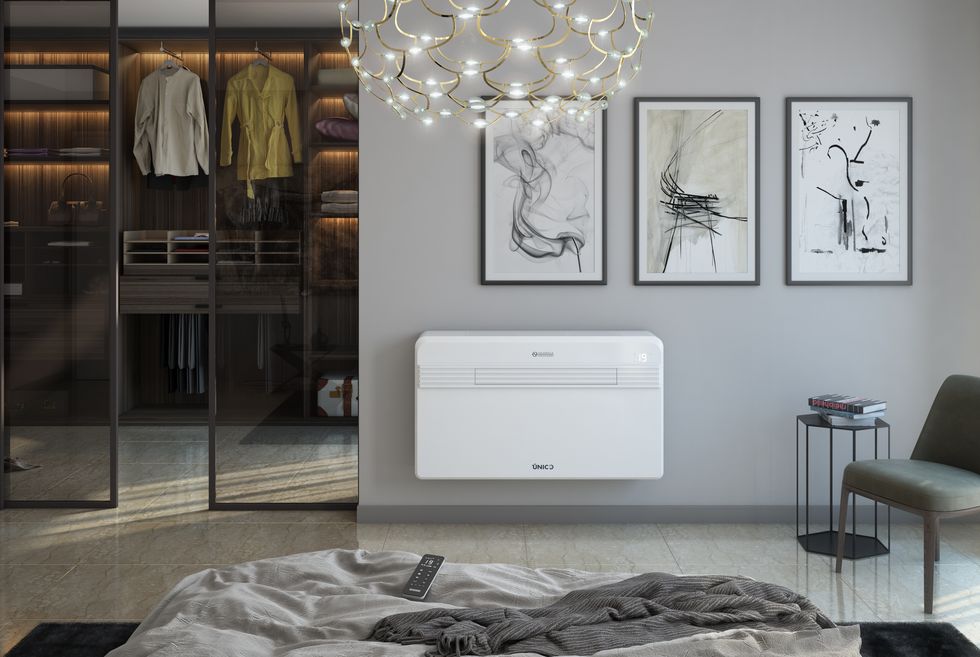
Wall Mounted Air Conditioner With No External Unit
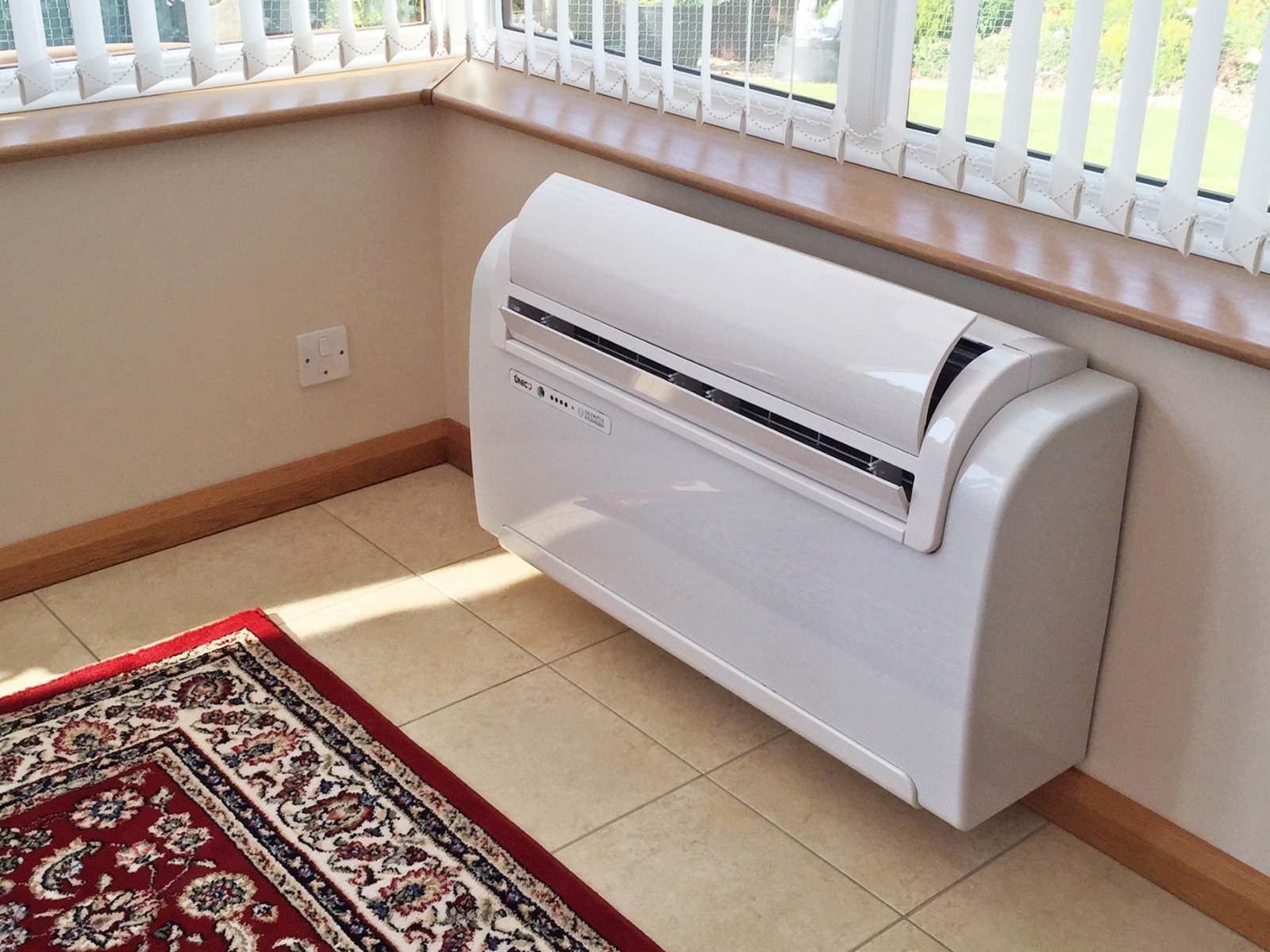
As energy costs continue to rise, homeowners and businesses alike are searching for innovative and efficient solutions to manage their heating and cooling needs. Traditional HVAC systems, with their bulky external units, can be both visually unappealing and space-consuming. Enter the world of wall-mounted air conditioners with no external unit, also known as monobloc air conditioners. These self-contained systems offer a compelling alternative, promising energy savings, ease of installation, and a streamlined aesthetic.
Understanding Wall Mounted Air Conditioners Without External Units
Unlike traditional split systems that consist of an indoor air handler and an outdoor compressor unit connected by refrigerant lines, monobloc air conditioners house all components within a single unit. This ingenious design eliminates the need for extensive ductwork or a large outdoor condenser, making them ideal for apartments, condos, smaller homes, and even commercial spaces where space is at a premium.
How They Work
The operation of a monobloc air conditioner is relatively straightforward. The unit draws in warm air from the room, cools it using a refrigerant cycle, and then expels the cooled air back into the room. The heat extracted during the cooling process is vented to the outside through two small diameter (typically 5-6 inch) ducts. These ducts, usually placed through an exterior wall or window, are responsible for expelling hot air and drawing in fresh air to cool the compressor.
Key Advantages for Energy-Conscious Consumers
- Energy Efficiency: While not all monobloc units achieve the same level of efficiency as high-end split systems with inverter technology, many models boast impressive Energy Star ratings. Look for units with a high Energy Efficiency Ratio (EER) and Seasonal Energy Efficiency Ratio (SEER). The higher these numbers, the more efficiently the unit converts electricity into cooling.
- Simplified Installation: The absence of an external unit and complex refrigerant lines dramatically simplifies the installation process. A competent DIYer or a qualified HVAC technician can typically install a monobloc unit in a few hours. This translates to lower installation costs compared to traditional systems.
- Space Saving: The compact design of monobloc units makes them perfect for spaces where a large outdoor condenser would be impractical or unsightly. They blend seamlessly into the interior décor, offering a cleaner, more modern aesthetic.
- Zoned Cooling: Monobloc units are well-suited for providing targeted cooling to specific rooms or zones within a building. This allows you to cool only the areas that are in use, further reducing energy consumption.
- Lower Maintenance: With fewer components and no external unit exposed to the elements, monobloc air conditioners generally require less maintenance than traditional split systems.
ROI and Energy Savings: Quantifying the Benefits
The return on investment (ROI) of a wall-mounted air conditioner without an external unit hinges on several factors, including the unit's energy efficiency, the local cost of electricity, and the frequency of use. Let's examine some scenarios:
Scenario 1: Apartment Dweller Reducing Summer Cooling Costs
An apartment dweller previously using a window AC unit with an EER of 8 upgrades to a monobloc unit with an EER of 11. Assuming they use the AC for 8 hours per day for 4 months of the year, and the cost of electricity is $0.15 per kWh, the annual savings could be significant. The higher EER translates directly to lower energy consumption for the same cooling output.
Scenario 2: Business Supplementing Existing HVAC System
A small business uses a monobloc unit to supplement their central HVAC system in a server room, which requires constant cooling. By isolating the cooling needs of the server room, they can avoid overcooling the entire office space, leading to considerable energy savings.
To calculate potential savings, consult the Energy Star website for energy calculators and resources. Also, consider factors like window insulation, building orientation, and climate when estimating energy consumption.
Rebates and Incentives: Lowering the Initial Investment
Many utility companies and government agencies offer rebates and incentives for the purchase of energy-efficient appliances, including air conditioners. Check with your local utility provider and state energy office to see if any rebates are available for monobloc air conditioners that meet specific energy efficiency standards. These rebates can significantly reduce the initial cost of the unit and accelerate the ROI.
Smart Home Integration: Maximizing Efficiency and Convenience
Modern monobloc air conditioners often come equipped with smart features that allow for seamless integration into a smart home ecosystem. These features can further enhance energy efficiency and provide greater control over your cooling system.
Key Smart Features:
- Wi-Fi Connectivity: Control your AC unit remotely via a smartphone app, allowing you to adjust the temperature, set schedules, and monitor energy consumption from anywhere.
- Smart Thermostats: Integrate your monobloc unit with a smart thermostat like Nest or Ecobee for automated temperature control based on occupancy and preferences.
- Voice Control: Use voice commands via Amazon Alexa or Google Assistant to adjust the temperature or turn the unit on or off.
- Sensors: Some units are equipped with sensors that detect room occupancy and automatically adjust the cooling output accordingly.
By leveraging these smart features, you can optimize your cooling schedule to minimize energy waste and maximize comfort. For example, you can set the unit to automatically turn off when you leave the house and turn back on shortly before you return.
Considerations Before Purchasing
While wall-mounted air conditioners without external units offer numerous advantages, it's important to consider the following factors before making a purchase:
- Noise Level: Since all components are housed within a single unit, monobloc air conditioners can be slightly noisier than traditional split systems. Look for models with low decibel ratings, especially if you plan to use the unit in a bedroom.
- Venting Requirements: Proper venting is crucial for the efficient operation of a monobloc unit. Ensure that you have a suitable location for the exhaust ducts and that the venting system is properly installed.
- Cooling Capacity: Choose a unit with the appropriate cooling capacity (measured in BTUs) for the size of the room you intend to cool. A unit that is too small will struggle to maintain a comfortable temperature, while a unit that is too large will cycle on and off frequently, wasting energy.
- EER and SEER Ratings: Prioritize units with high EER and SEER ratings to maximize energy savings. Compare different models and choose the one that offers the best balance of performance and efficiency.
- Price: Monobloc air conditioners can range in price from a few hundred dollars to over a thousand dollars. Consider your budget and prioritize features that are most important to you.
Installation Tips
While professional installation is recommended, some homeowners may choose to install a monobloc air conditioner themselves. If you opt for DIY installation, be sure to follow these tips:
- Read the Manufacturer's Instructions Carefully: Familiarize yourself with the specific installation requirements for your chosen model.
- Choose a Suitable Location: Select a location that is close to an exterior wall or window and that provides adequate space for the exhaust ducts.
- Drill the Vent Holes Accurately: Use a hole saw to drill the vent holes in the exterior wall or window. Ensure that the holes are the correct size and that they are properly sealed to prevent air leaks.
- Secure the Unit Properly: Mount the unit securely to the wall using the provided mounting hardware.
- Seal Any Gaps: Seal any gaps around the unit and the exhaust ducts to prevent air leaks and maximize efficiency.
The Future of Cooling
Wall-mounted air conditioners without external units represent a promising trend in the HVAC industry. As technology advances and energy efficiency standards become more stringent, we can expect to see even more innovative and energy-saving monobloc models emerge in the coming years. With their ease of installation, space-saving design, and potential for significant energy savings, these units are poised to become an increasingly popular choice for homeowners and businesses seeking sustainable and cost-effective cooling solutions.
By carefully considering your needs, researching available models, and taking advantage of rebates and incentives, you can make an informed decision and invest in a cooling solution that will save you money and contribute to a more sustainable future. Look for the Energy Star label as a starting point for your research.
Ultimately, the best HVAC system is one that perfectly balances performance, efficiency, and cost-effectiveness to meet your individual needs. Whether you are a homeowner seeking to lower your energy bills, a business upgrading to eco-friendly systems, or a smart home enthusiast adding smart thermostats and sensors, exploring the benefits of a wall-mounted air conditioner with no external unit is a worthwhile endeavor.