Wall Mounted Electric Heater For Bathroom

Bathrooms can be chilly places, especially during colder months. A wall-mounted electric heater offers a convenient and relatively affordable solution for adding supplemental heat. This guide will walk you through understanding, maintaining, and troubleshooting common issues with these heaters. While many tasks are DIY-friendly, remember safety first and know when to call a qualified HVAC professional.
Understanding Wall Mounted Electric Heaters
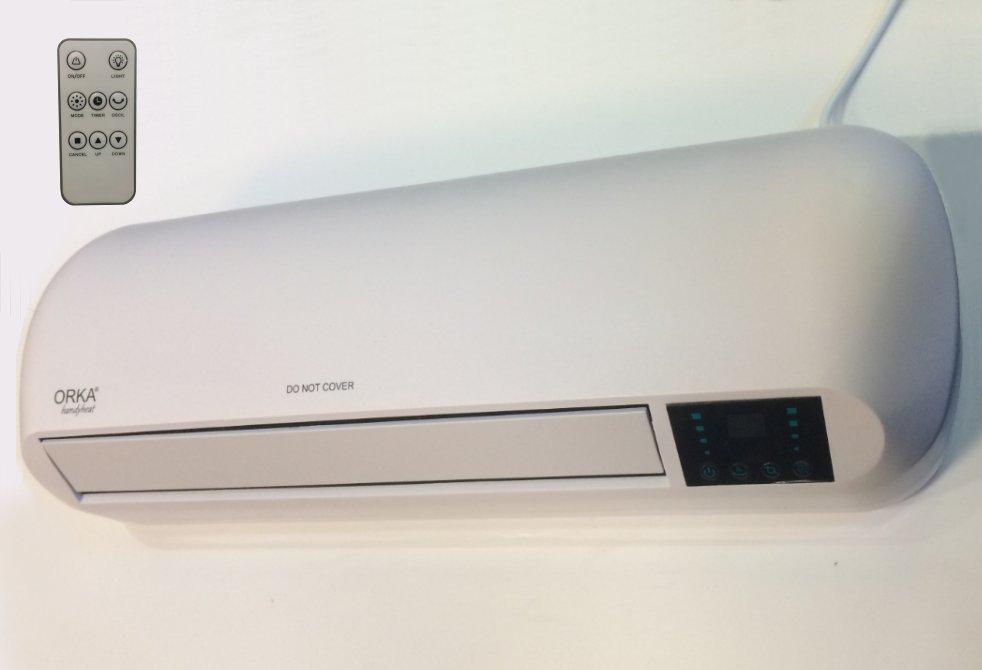
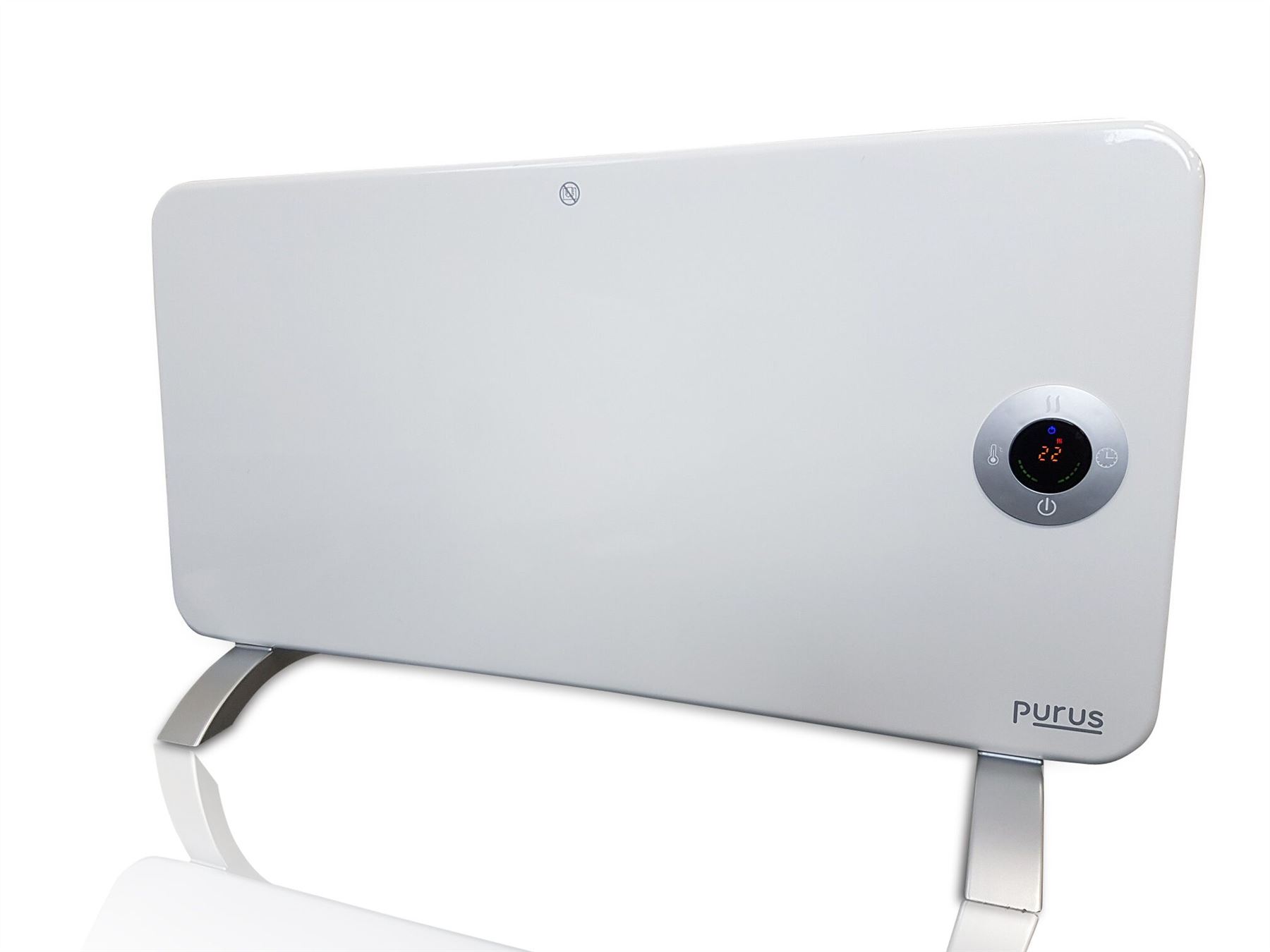
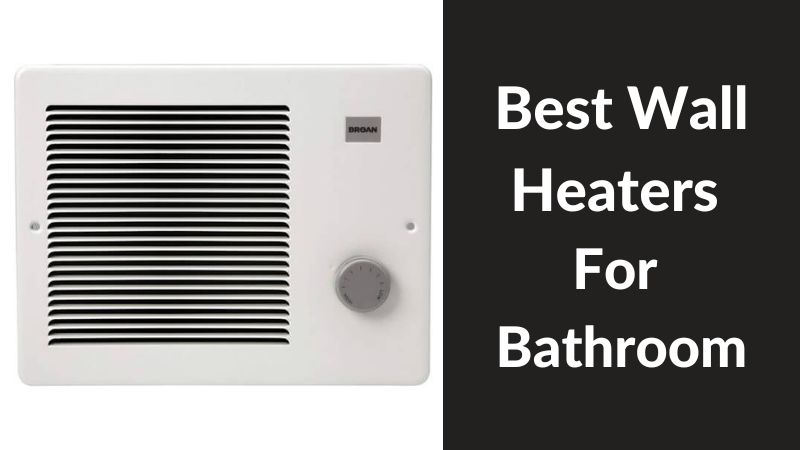
Before diving into repairs, let's understand the basics. These heaters typically use a resistance coil that heats up when electricity passes through it. A fan then blows air across the coil, distributing warm air into the room. Different types exist, including:
- Forced-air heaters: The most common type, using a fan to circulate air.
- Radiant heaters: These heat objects directly using infrared radiation.
- Convection heaters: Rely on natural convection to circulate warm air; they may be less common in bathrooms.
Features to consider include:
- Thermostat: Allows you to set and maintain a desired temperature.
- Timer: Useful for pre-heating the bathroom before use.
- Safety features: Overheat protection and tip-over shut-off are crucial.
- Wattage: Determines the heating power. Higher wattage means more heat, but also higher energy consumption. Calculate the appropriate wattage for your bathroom size.
Safety First!
Working with electricity can be dangerous. Always follow these safety precautions:
- Turn off the power: Locate the circuit breaker that controls the heater and switch it to the "OFF" position. Double-check with a non-contact voltage tester to ensure the circuit is dead.
- Never work with wet hands or in a wet environment. Water and electricity are a deadly combination.
- Read the manual: Familiarize yourself with the specific instructions for your heater model.
- Grounding: Ensure the heater is properly grounded.
- Call a professional: If you are uncomfortable with any step, or if you suspect a more serious electrical problem, contact a qualified electrician or HVAC technician.
Troubleshooting Common Problems
Here's a breakdown of common issues and how to address them:
1. Heater Not Turning On
This is a frequent problem with several potential causes:
- No Power:
- Check the circuit breaker: Make sure it hasn't tripped. If it has, reset it. If it trips again immediately, there's a short circuit, and you need to call a professional.
- Test the outlet: Use a multimeter or outlet tester to confirm the outlet is receiving power.
- Inspect the power cord: Look for any damage or fraying. A damaged cord needs replacement (or professional repair).
- Thermostat Issues:
- Verify the thermostat setting: Ensure it's set higher than the current room temperature.
- Check the thermostat's functionality: Some thermostats have a reset button. Consult the manual. If the thermostat seems defective, it may need replacement. This is typically an easy part to acquire and replace yourself.
- Overheat Protection:
- Reset the overheat protection: Many heaters have a reset button, often located on the back or side of the unit. Let the heater cool down completely before pressing the reset button.
- Internal Wiring:
- Inspect internal wiring: (After disconnecting power!) Look for loose connections or burnt wires. Tighten any loose connections. If you find burnt wires, call a professional – this indicates a more serious problem.
2. Heater Not Producing Enough Heat
If the heater turns on but doesn't provide sufficient warmth, consider these factors:
- Wattage Inadequate:
- Check the wattage rating: Ensure it's appropriate for the size of your bathroom. If the heater is too small, it simply won't be able to heat the space effectively.
- Airflow Obstruction:
- Clean the heater: Dust and debris can accumulate on the heating element and fan, reducing airflow and efficiency. Use a vacuum cleaner with a brush attachment to clean the exterior and interior (after disconnecting power!).
- Ensure proper ventilation: Make sure the heater isn't blocked by furniture or other objects.
- Heating Element Issues:
- Inspect the heating element: (After disconnecting power!) Look for any signs of damage, such as breaks or corrosion. A damaged heating element will need replacement. Use a multimeter to test its continuity.
3. Heater Making Unusual Noises
Strange noises are often indicative of mechanical problems:
- Fan Problems:
- Check for obstructions: Something might be caught in the fan blades.
- Lubricate the fan motor: Some fan motors require occasional lubrication. Consult the manual for the recommended lubricant and procedure.
- Worn bearings: Grinding or squealing noises could indicate worn fan motor bearings. Replacing the fan motor assembly is often the best solution.
- Loose Components:
- Tighten screws: Vibrations can loosen screws over time, causing rattling noises. Check all screws and tighten them carefully.
4. Heater Smells Burning
A burning smell is a serious concern and warrants immediate attention:
- Dust and Debris:
- Clean the heater: As mentioned earlier, accumulated dust can burn and create an unpleasant odor.
- Overheating:
- Check for proper ventilation: Restricted airflow can cause overheating, leading to a burning smell.
- Inspect wiring: Burnt wiring is a dangerous sign. Immediately turn off the power and call a professional.
- Malfunctioning Components:
- Suspect heating element or motor failure: A failing component can overheat and emit a burning smell. Contact a professional for diagnosis and repair.
Maintenance Tips for Longevity
Regular maintenance can extend the lifespan of your wall-mounted electric heater:
- Clean Regularly: Dust the heater and vacuum the vents regularly to prevent dust buildup. Do this at least once a month, or more frequently if you have pets.
- Inspect Periodically: Check the power cord for damage and ensure the heater is securely mounted.
- Replace Filters (if applicable): Some models have filters that need to be cleaned or replaced periodically.
Parts and Tools You Might Need
Here's a list of common parts and tools for DIY repairs:
Parts:
- Thermostat
- Heating element
- Fan motor
- Power cord
- Overheat protection reset button
- Wiring connectors
Tools:
- Screwdrivers (Phillips and flathead)
- Pliers
- Wire strippers
- Multimeter
- Non-contact voltage tester
- Vacuum cleaner with brush attachment
- Safety glasses
- Gloves
When to Call a Professional
While many tasks are DIY-friendly, certain situations require the expertise of a qualified HVAC technician or electrician:
- Electrical Issues: If you suspect a short circuit, burnt wiring, or any other serious electrical problem, call a professional immediately.
- Complex Repairs: If you're uncomfortable disassembling the heater or working with its internal components, it's best to leave it to a professional.
- Warranty Issues: Attempting to repair the heater yourself might void the warranty. Check the warranty terms before proceeding.
- Persistent Problems: If you've tried troubleshooting the problem and it persists, it's time to call a professional for diagnosis and repair.
- Gas Heaters: This article focuses on electric heaters. Gas heaters require specialized knowledge and should only be serviced by qualified professionals.
Cost Estimates for Repairs
Repair costs can vary depending on the type of problem, the cost of parts, and the labor rates in your area. Here are some rough estimates:
- Thermostat replacement: $50 - $150 (DIY: $20-$50 for the part)
- Heating element replacement: $80 - $200 (DIY: $30-$70 for the part)
- Fan motor replacement: $100 - $250 (DIY: $40-$100 for the part)
- Professional diagnosis: $75 - $150 (may be waived if you proceed with the repair)
Important Note: These are just estimates. Always get a quote from a qualified technician before proceeding with any repairs.
Choosing a New Wall Mounted Electric Heater
If your heater is beyond repair or you're looking to upgrade, consider these factors when choosing a new one:
- Size and Wattage: Calculate the appropriate wattage for your bathroom size. A general rule of thumb is 10 watts per square foot.
- Features: Look for features like a thermostat, timer, overheat protection, and tip-over shut-off.
- Energy Efficiency: Some heaters are more energy-efficient than others. Look for models with a high energy efficiency rating.
- Safety Certifications: Ensure the heater is certified by a reputable safety organization, such as UL or ETL.
- Reviews: Read online reviews to get feedback from other users.
By understanding the workings of your wall mounted electric heater, practicing safe troubleshooting, and knowing when to call a professional, you can keep your bathroom warm and comfortable for years to come. Remember, safety is paramount, and when in doubt, always seek expert help.