Washer Box P Trap Height

Understanding Washer Box P Trap Height: A Homeowner's Guide
Dealing with plumbing issues in your laundry room can be frustrating. One common question homeowners face revolves around the P trap in their washer box. Getting the height right is crucial for proper drainage and preventing sewer gases from entering your home. This guide provides a comprehensive overview of washer box P trap height, covering everything from installation to troubleshooting.
What is a Washer Box and Why Does it Need a P Trap?
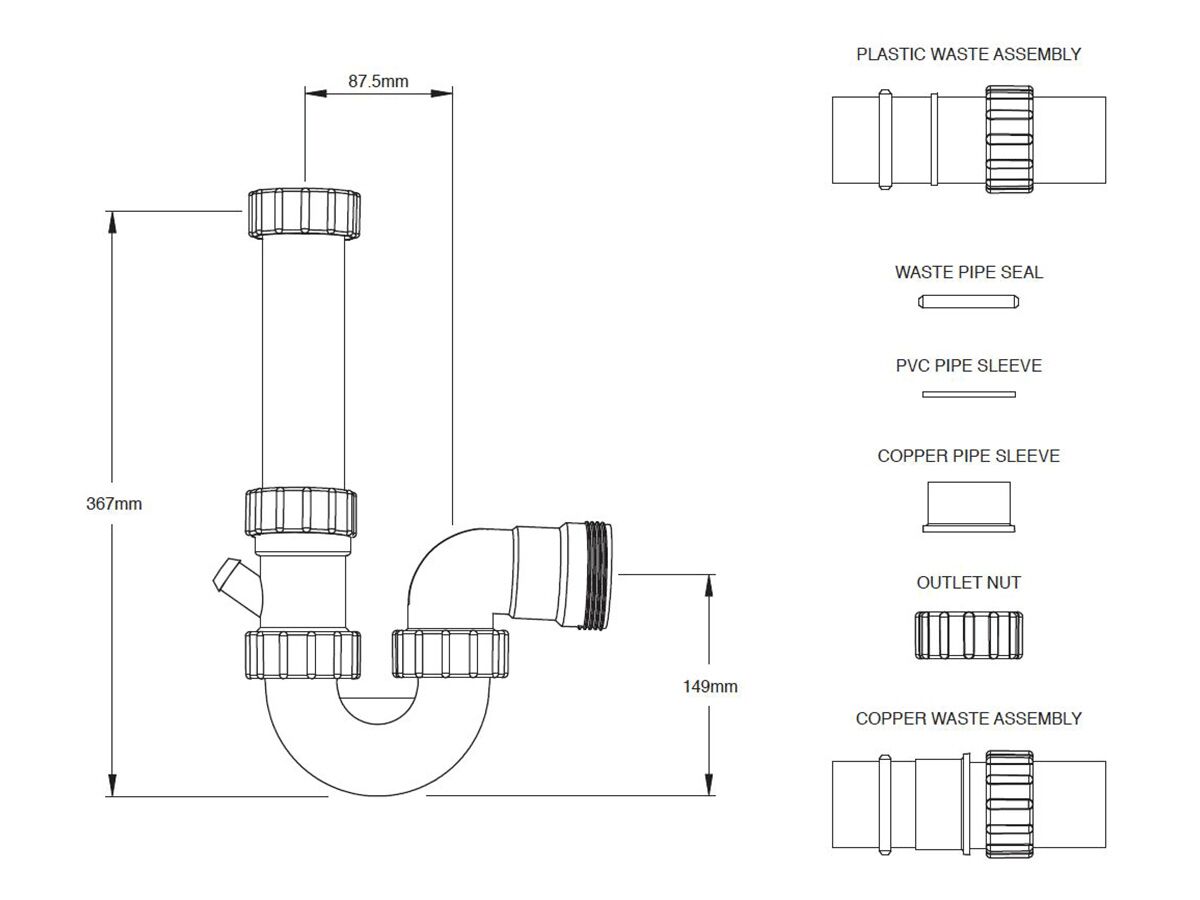
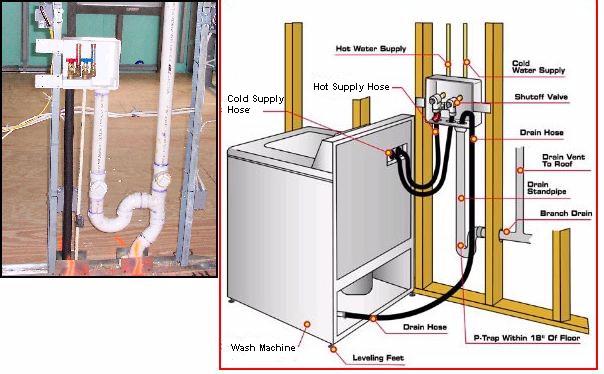
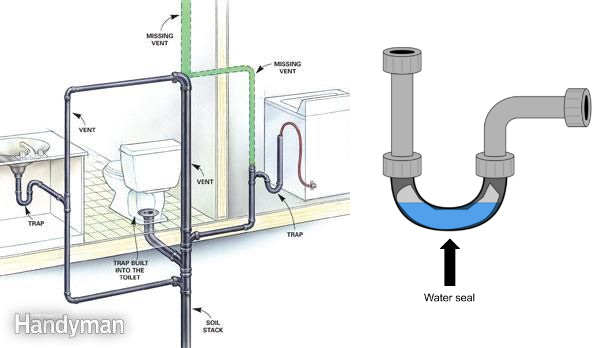
The washer box is the recessed unit in your wall that houses the hot and cold water supply valves and the drain outlet for your washing machine. Its purpose is to neatly conceal the plumbing connections and protect them from damage. The P trap, shaped like the letter "P" turned on its side, is a critical component connected to the drain outlet. It holds a small amount of water that acts as a barrier, preventing sewer gases from backing up into your home. Without a properly functioning P trap, you'll likely experience unpleasant odors.
Ideal Washer Box P Trap Height: Code Requirements and Best Practices
While local plumbing codes can vary, some general guidelines apply to the height of a washer box P trap. Adhering to these guidelines ensures proper drainage and helps prevent plumbing issues.
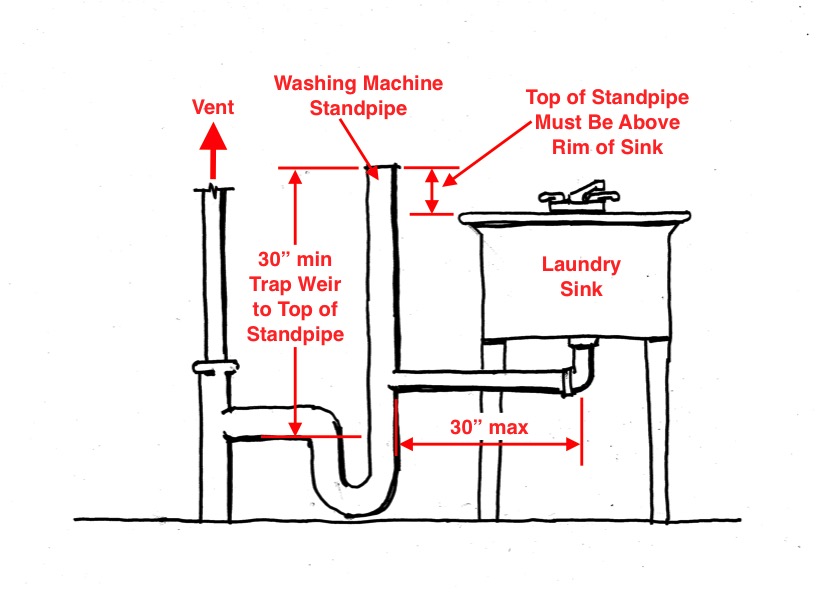
- Drain Height: Typically, the drain outlet in the washer box should be between 30 and 48 inches above the finished floor.
- Standpipe Height: The standpipe, the vertical pipe extending down from the drain outlet to the P trap, usually ranges from 18 to 30 inches.
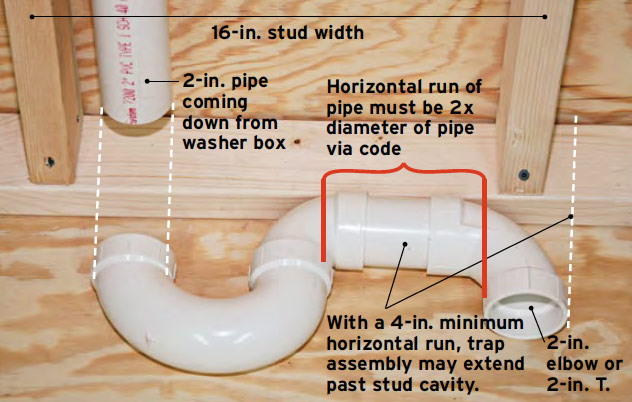
- P Trap Placement: The P trap itself should be located as close as possible to the floor while still maintaining proper drainage. The distance from the bottom of the standpipe to the inlet of the P trap should adhere to local codes.
It is very important to consult your local plumbing codes for precise measurements. These codes are in place to guarantee safe and efficient plumbing systems.
Tools and Materials for Adjusting or Replacing a Washer Box P Trap
If you need to adjust or replace your washer box P trap, here are the tools and materials you'll likely need:
- Pipe Wrench: Used for loosening and tightening threaded fittings.
- Channel-Lock Pliers: Helpful for gripping and maneuvering pipes.
- PVC Cutter or Hacksaw: For cutting PVC pipes to the correct length.
- Measuring Tape: Ensures accurate measurements for proper fitting.
- Level: To make sure the pipes are properly aligned.
- PVC Primer and Cement: Used to create a strong, watertight seal when joining PVC pipes.
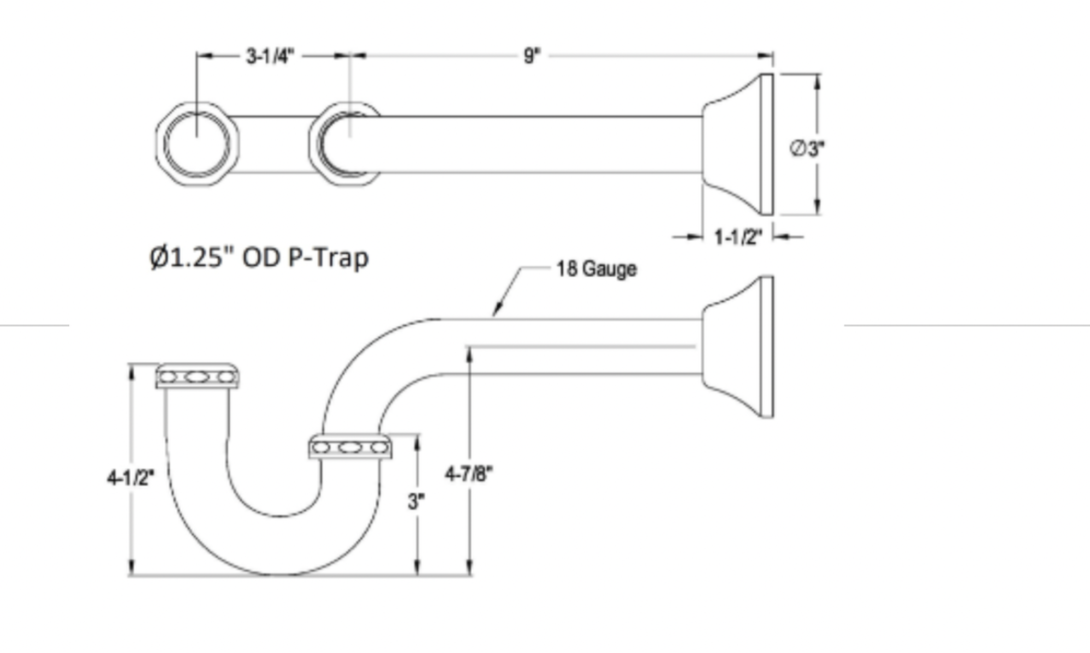
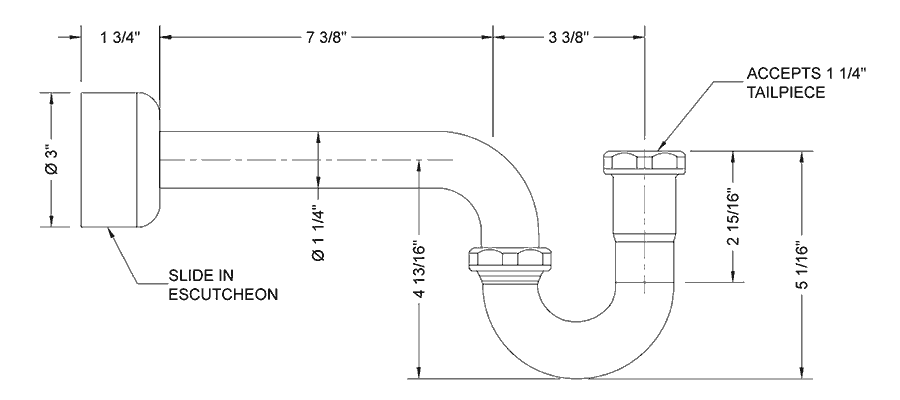
- New P Trap Kit: Includes the P trap and necessary fittings.
- Safety Glasses: Protect your eyes from debris.
- Gloves: Protect your hands.
- Old Rags or Towels: To clean up spills and messes.
Step-by-Step Guide to Adjusting a Washer Box P Trap
If the P trap height is slightly off, you might be able to adjust it without a full replacement. However, always prioritize safety and consult a professional if you are unsure.
- Turn Off the Water Supply: Locate the shut-off valves for both hot and cold water supply lines to the washing machine and turn them off.
- Disconnect the Washing Machine Hoses: Carefully disconnect the washing machine hoses from the supply valves. Have a bucket ready to catch any residual water.
- Remove the Drain Hose: Remove the washing machine drain hose from the standpipe.
- Inspect the Existing P Trap: Examine the P trap and surrounding pipes for any signs of damage, such as cracks or leaks.
- Loosen the Connections: Using a pipe wrench or channel-lock pliers, carefully loosen the connections to the P trap. If the pipes are PVC, you might need to cut them.
- Adjust the Height: Adjust the height of the standpipe or P trap as needed. This might involve cutting a section of the standpipe or adding a small extension.
- Reassemble the Connections: Reassemble the connections, ensuring they are tight and leak-proof. If using PVC, apply primer and cement to the joints before connecting them.
- Test for Leaks: Turn the water supply back on slowly and check for any leaks around the connections. If you find any leaks, tighten the connections or reapply sealant as necessary.
- Reconnect the Washing Machine: Reconnect the washing machine hoses and drain hose.
Common Problems and Troubleshooting Tips
Several problems can arise with washer box P traps. Here are some common issues and how to troubleshoot them:
- Slow Drainage: This can be caused by a clogged P trap or drain line. Try using a drain snake or plunger to clear the blockage. If the problem persists, you may need to call a plumber.
- Sewer Odors: This indicates that the P trap is not holding water or that there is a venting problem. Check the P trap for leaks and ensure that the vent pipe is clear of obstructions.
- Leaks: Leaks can occur at the connections or in the P trap itself. Tighten the connections or replace the P trap if necessary.
- Incorrect Height: If the P trap is too high or too low, it can cause drainage problems. Adjust the height as described above, ensuring it meets local code requirements.
When to Call a Professional
While some P trap adjustments can be done as DIY projects, there are situations when it's best to call a licensed plumber:
- Extensive Plumbing Damage: If you find significant damage to the plumbing system, such as corroded pipes or major leaks, a professional is needed.
- Complex Plumbing Modifications: If you need to move or reroute plumbing lines, it's best to leave this to a professional.
- Unsure of Local Codes: If you're not familiar with your local plumbing codes, a plumber can ensure that the work is done to code.
- Persistent Problems: If you've tried troubleshooting the issue yourself and it persists, a professional can diagnose and fix the problem.
Cost Considerations for Washer Box P Trap Repair
The cost of repairing or replacing a washer box P trap can vary depending on the extent of the problem and whether you hire a professional.
- DIY Repair: If you do the repair yourself, the cost will primarily be for materials, such as a new P trap kit, PVC pipes, primer, and cement. This could range from $20 to $50.
- Professional Repair: If you hire a plumber, the cost will include labor and materials. A simple P trap replacement could cost between $100 and $300, while more complex repairs could cost several hundred dollars.
Getting multiple quotes from different plumbers is always a good idea to ensure you're getting a fair price.
Preventative Maintenance for Your Washer Box P Trap
Regular maintenance can help prevent problems with your washer box P trap:
- Flush the Drain Line: Periodically flush the drain line with hot water to help prevent clogs.
- Use a Lint Trap: Install a lint trap on the washing machine drain hose to catch lint and debris before they enter the drain line.
- Avoid Overloading the Washing Machine: Overloading the washing machine can put extra strain on the drain system and contribute to clogs.
- Inspect Regularly: Regularly inspect the P trap and surrounding pipes for any signs of leaks or damage.
Conclusion
Understanding the importance of washer box P trap height and proper maintenance can save you time, money, and frustration. By following these guidelines and taking preventative measures, you can ensure that your laundry room plumbing system functions efficiently and safely. When in doubt, always consult a licensed plumber for professional assistance.