Water Dripping From Air Conditioner Outside

Seeing water dripping from your air conditioner's outdoor unit can be alarming, but it’s often a perfectly normal part of the cooling process. However, excessive dripping or dripping under unusual circumstances might indicate a problem that could impact your energy efficiency and lead to costly repairs. This article will explain why your AC unit drips water, when it’s cause for concern, and how to ensure your system is running efficiently, saving you money and reducing your carbon footprint.
Why Your AC Unit Dripping Water is Usually Normal
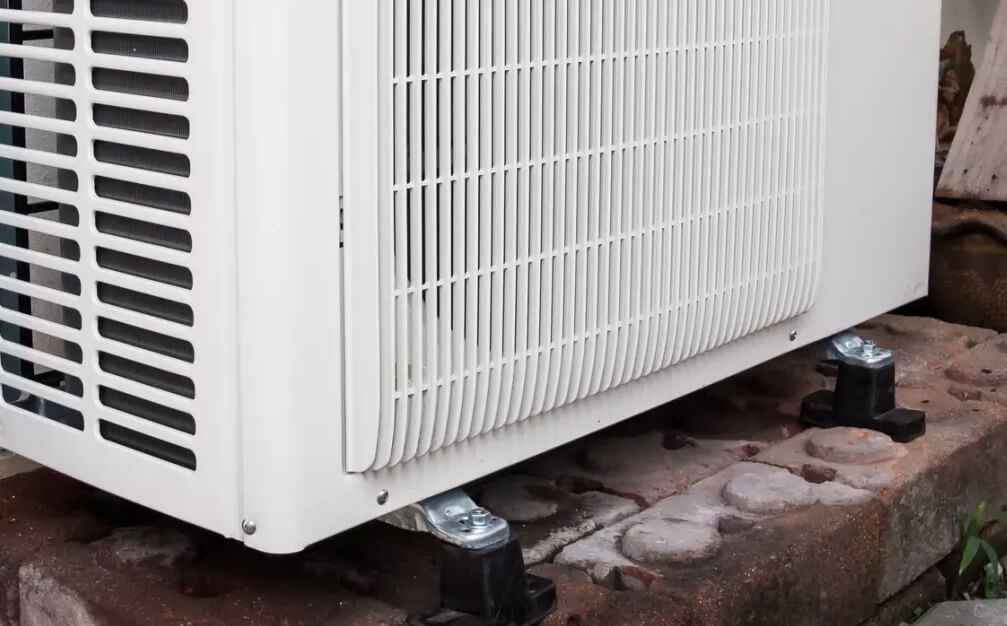
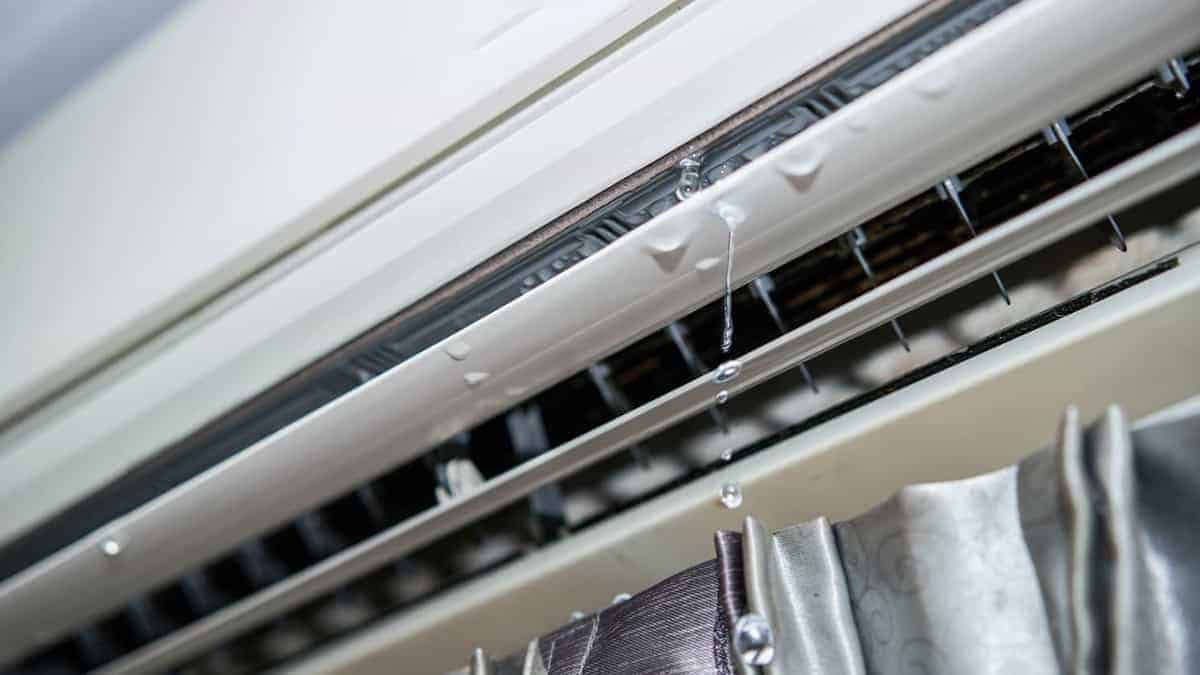
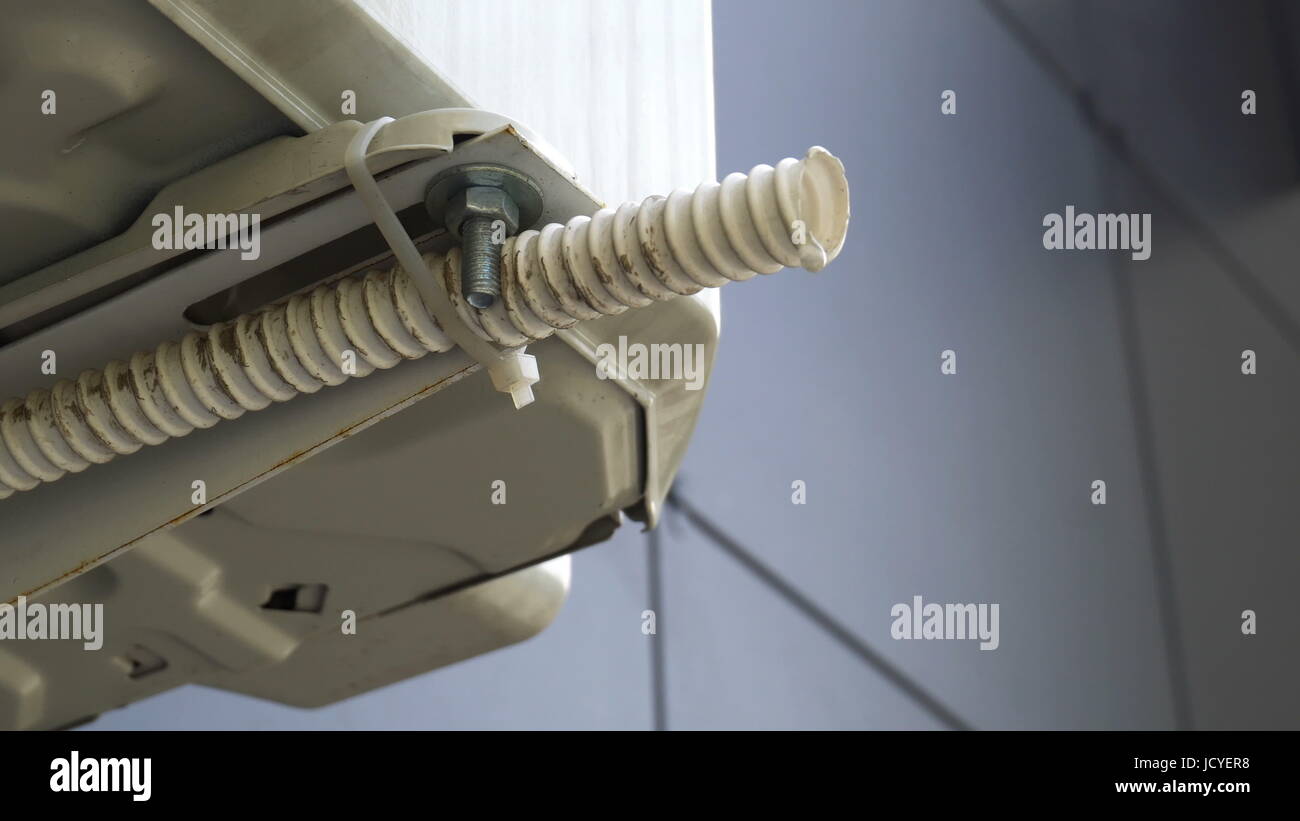
The cooling process relies on refrigerant, which absorbs heat from inside your home. This refrigerant then travels to the outdoor unit (the condenser), where it releases the heat. As the refrigerant cools, condensation forms on the evaporator coil, much like condensation on a cold glass of water on a hot day. This condensation then drips into a drain pan and is typically channeled away from your foundation through a condensate drain line.
Factors Contributing to Normal Dripping:
- Humidity: On particularly humid days, your AC unit will work harder and produce more condensation, leading to more dripping.
- AC Unit Size: A properly sized AC unit will remove moisture more effectively. An oversized unit might cycle on and off too frequently, reducing its dehumidifying capabilities and potentially leading to increased condensation and higher energy bills.
- Normal Operation: During peak cooling times, you can expect more water to drip from the unit.
When Dripping Becomes a Problem: Identifying Issues and Solutions
While some dripping is normal, there are situations where it signals underlying issues that require attention. Ignoring these problems can lead to reduced efficiency, increased energy costs, and even system failure.
Clogged Condensate Drain Line
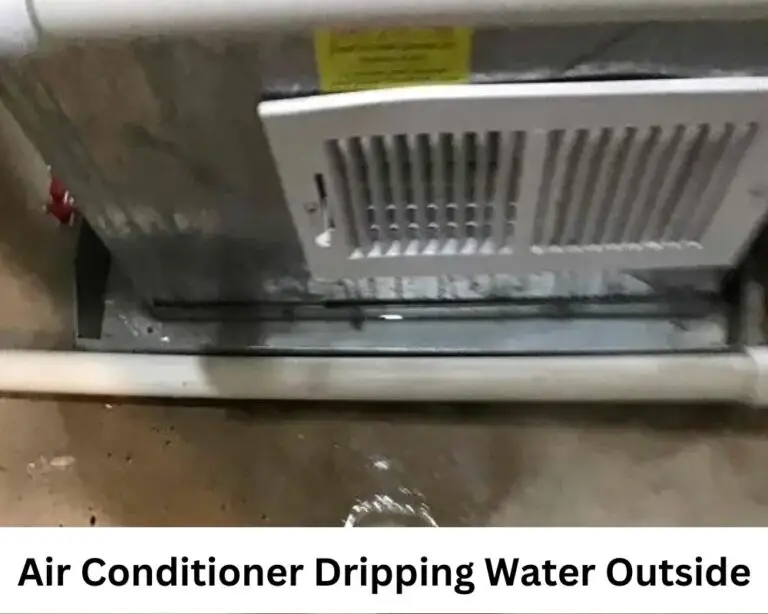
This is the most common cause of excessive dripping. Algae, mold, and mineral deposits can build up inside the drain line, causing a blockage. When the drain line is clogged, water backs up into the drain pan and overflows, potentially damaging your foundation or landscaping. A visual inspection will often reveal standing water in the drain pan or excessive dripping from the unit.
Solution:
- DIY Cleanout: You can attempt to clear the clog yourself using a wet/dry vacuum to suck out the blockage from the drain line opening. You can also try flushing the line with a mixture of hot water and vinegar.
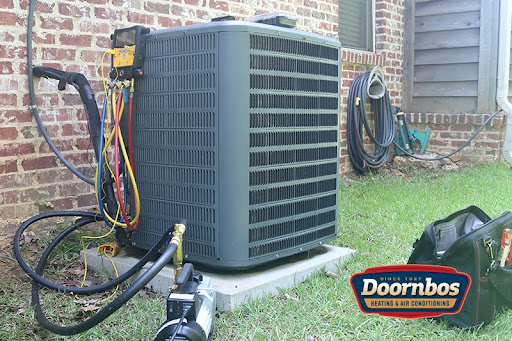
- Professional Cleaning: If the clog is persistent or difficult to reach, it's best to call an HVAC professional to clean the drain line thoroughly and prevent future blockages. Regular maintenance, including drain line cleaning, is crucial for optimal performance and can save you money in the long run.
Frozen Evaporator Coils
Another potential problem is frozen evaporator coils. This can occur when airflow is restricted, either due to a dirty air filter, blocked vents, or a malfunctioning blower motor. When the coils freeze, they prevent proper heat transfer, and when the ice melts, it can cause significant dripping.
Symptoms: Reduced airflow from vents, ice visible on the refrigerant lines, and a noticeable decrease in cooling performance.
Solutions:
- Check and Replace Air Filter: A dirty air filter is the most common culprit. Replace it with a clean filter to improve airflow. Aim to replace your air filter every 1-3 months, depending on the filter type and air quality.
- Check Vents: Ensure that all vents are open and unobstructed.
- Inspect Blower Motor: If the blower motor is not functioning correctly, it may need repair or replacement. This is best left to a qualified HVAC technician.
- Refrigerant Leak: Low refrigerant levels can also cause coils to freeze. A professional HVAC technician can detect and repair refrigerant leaks. Remember, refrigerant leaks are harmful to the environment and should be addressed immediately.
Refrigerant Leaks
As mentioned above, low refrigerant levels can lead to frozen coils, which then cause excessive dripping when the ice melts. Refrigerant leaks can also reduce your AC unit's cooling capacity and increase your energy consumption significantly. According to the EPA, leaks also contribute to ozone depletion.
Symptoms: Reduced cooling performance, hissing sound near the AC unit, ice formation on refrigerant lines, and significantly higher energy bills.
Solution: Contact a licensed HVAC technician immediately to locate and repair the leak. Replenishing the refrigerant without fixing the leak is only a temporary solution.
Damaged Drain Pan
Over time, the drain pan can corrode or crack, leading to leaks. This is more common in older AC units. A damaged drain pan will result in water dripping directly from the unit, even if the drain line is clear.
Solution: The drain pan will need to be repaired or replaced by a qualified HVAC technician.
Boosting Energy Efficiency and Saving Money
Addressing dripping issues promptly is just one step toward optimizing your AC system's energy efficiency and lowering your bills. Here are several strategies to consider:
Regular Maintenance
Schedule annual maintenance checks with a qualified HVAC technician. They can inspect and clean your system, identify potential problems early on, and ensure that it's running at peak efficiency. This proactive approach can prevent costly repairs down the line. Energy Star recommends annual maintenance as a key factor in maximizing energy savings.
Smart Thermostats
Smart thermostats learn your cooling preferences and automatically adjust the temperature based on your schedule. This can significantly reduce energy consumption when you're away or asleep. Many smart thermostats also offer features like geofencing (adjusting the temperature based on your location) and energy usage reports, providing valuable insights into your energy consumption patterns. Some utility companies offer rebates on the purchase and installation of Energy Star certified smart thermostats.
Air Sealing and Insulation
Ensure that your home is properly air-sealed and insulated. Gaps and cracks around windows, doors, and pipes can allow conditioned air to escape, forcing your AC unit to work harder and consume more energy. Adding insulation to your attic and walls can also significantly reduce heat gain in the summer and heat loss in the winter. According to the Department of Energy, proper air sealing and insulation can save homeowners up to 15% on their energy bills.
Ductwork Inspection and Sealing
Leaky ductwork can waste a significant amount of energy. Have your ductwork inspected for leaks and sealed by a professional. This can improve your AC system's efficiency and ensure that conditioned air is delivered where it's needed most. The Air Conditioning Contractors of America (ACCA) provides guidelines for proper ductwork installation and sealing.
Energy-Efficient AC Unit Upgrades
If your AC unit is old or inefficient, consider upgrading to a new, Energy Star certified model. Newer units are significantly more efficient and can save you a substantial amount of money on your energy bills over their lifespan. Look for a unit with a high SEER (Seasonal Energy Efficiency Ratio) rating. The higher the SEER rating, the more efficient the unit. Many utility companies offer rebates for upgrading to energy-efficient appliances. Check with your local utility company for available incentives.
Smart HVAC Systems and Sensors
Integrating smart sensors throughout your home can provide valuable data on temperature and humidity levels in different rooms. This data can be used to optimize your AC system's performance and ensure that each room is cooled efficiently. Some smart HVAC systems can even adjust airflow to different zones based on occupancy, further reducing energy consumption. Integrating with the grid may even allow you to save money. Some utilities offer incentive programs.
ROI and Long-Term Savings
Investing in energy-efficient HVAC solutions might seem costly upfront, but the long-term savings can be substantial. Consider the following:
- Reduced Energy Bills: Energy-efficient upgrades can significantly lower your monthly energy bills.
- Increased Home Value: Energy-efficient homes are more attractive to buyers and can command a higher resale price.
- Rebates and Incentives: Many utility companies and government agencies offer rebates and incentives for energy-efficient upgrades.
- Extended Equipment Lifespan: Proper maintenance and timely repairs can extend the lifespan of your AC system.
- Reduced Environmental Impact: By reducing your energy consumption, you're also reducing your carbon footprint and contributing to a more sustainable future.
Conclusion
While water dripping from your AC unit's outdoor component is often a normal part of the cooling process, it’s essential to understand when it signals a potential problem. By identifying and addressing these issues promptly, you can ensure that your system is running efficiently, saving you money on energy bills, and preventing costly repairs. Furthermore, investing in energy-efficient solutions like smart thermostats, air sealing, and upgraded AC units can provide long-term savings and contribute to a more sustainable lifestyle. Remember to consult with a qualified HVAC technician for regular maintenance and repairs to keep your system running smoothly for years to come.