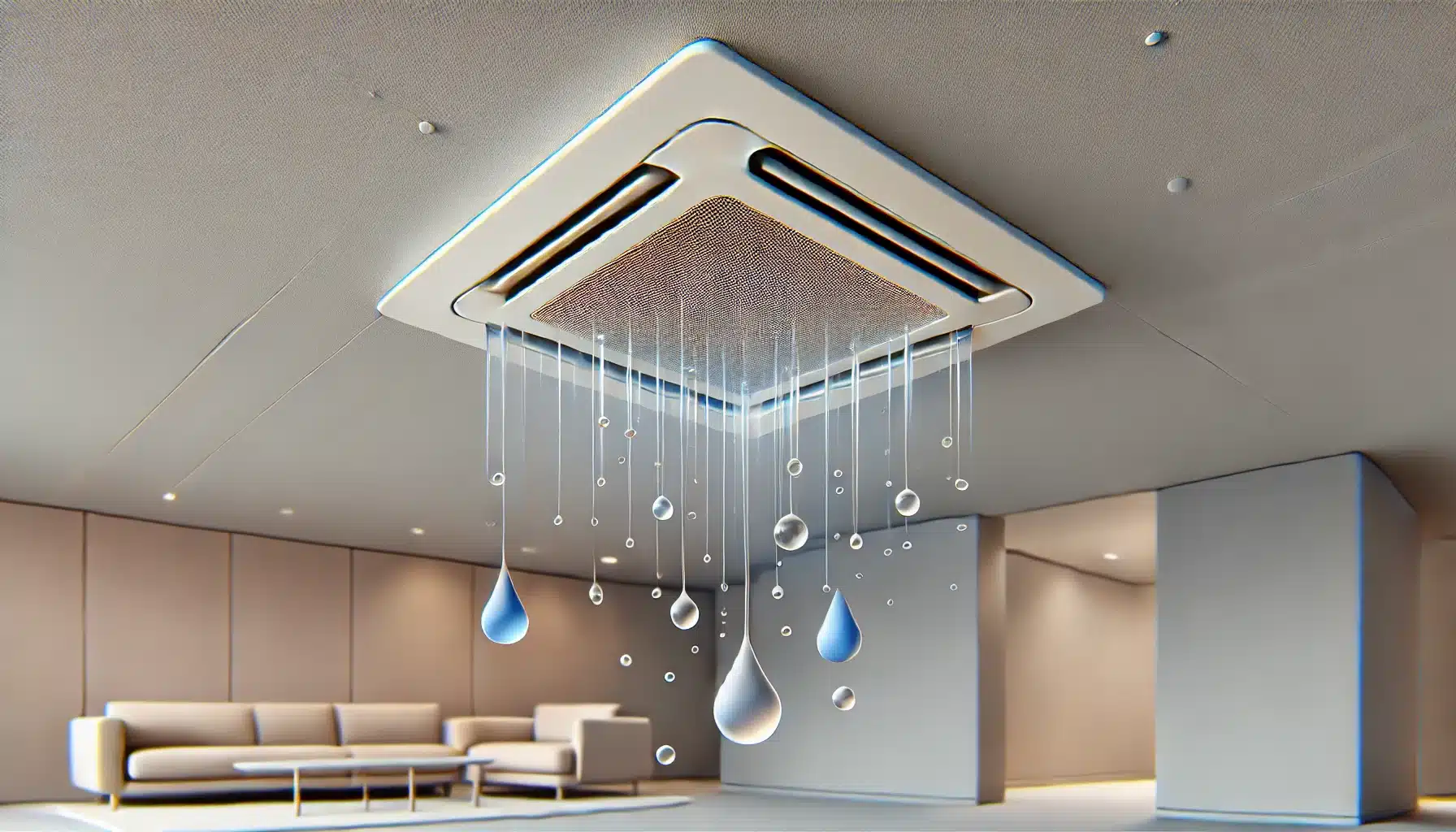
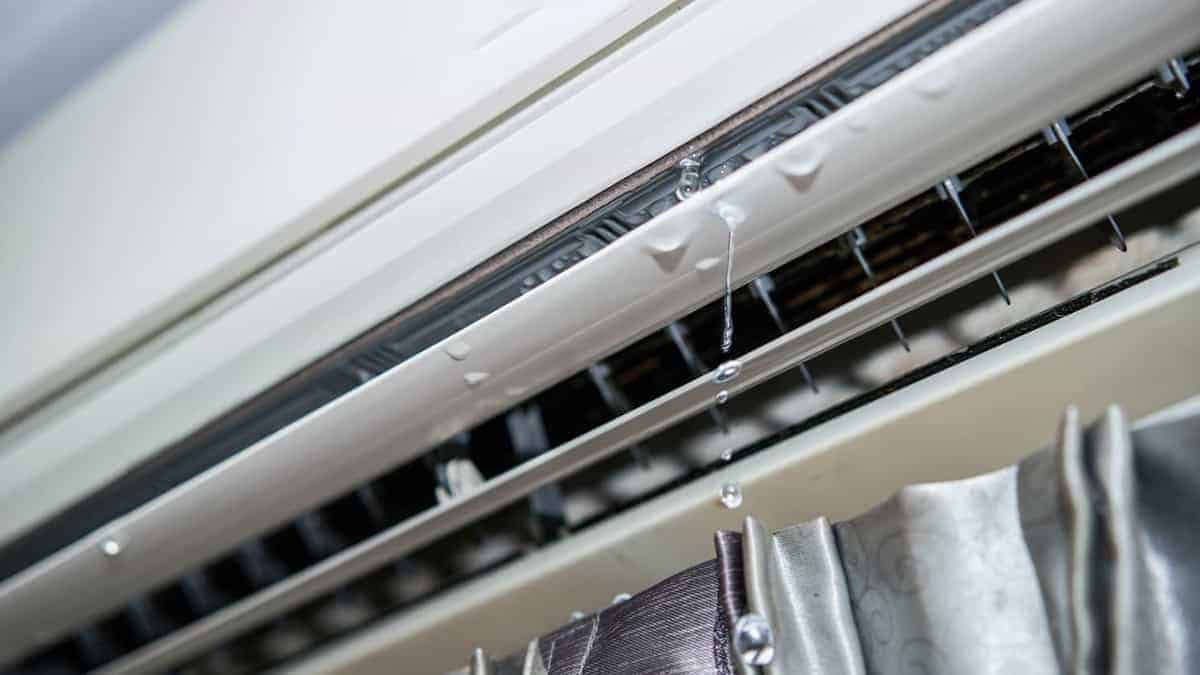
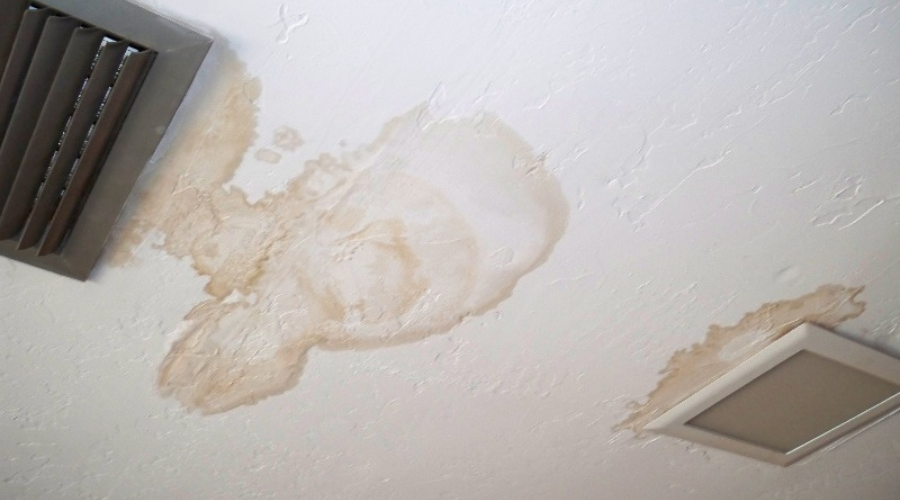
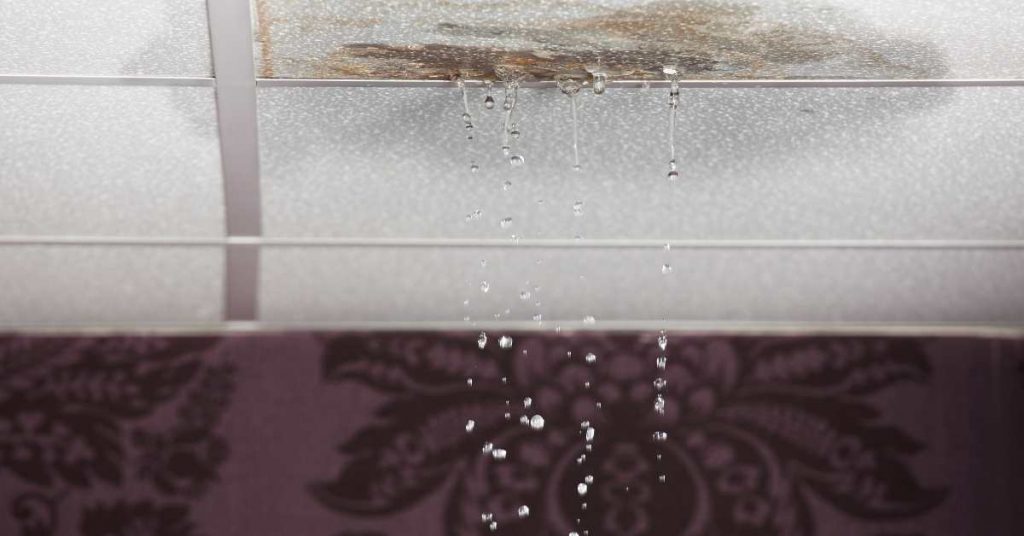
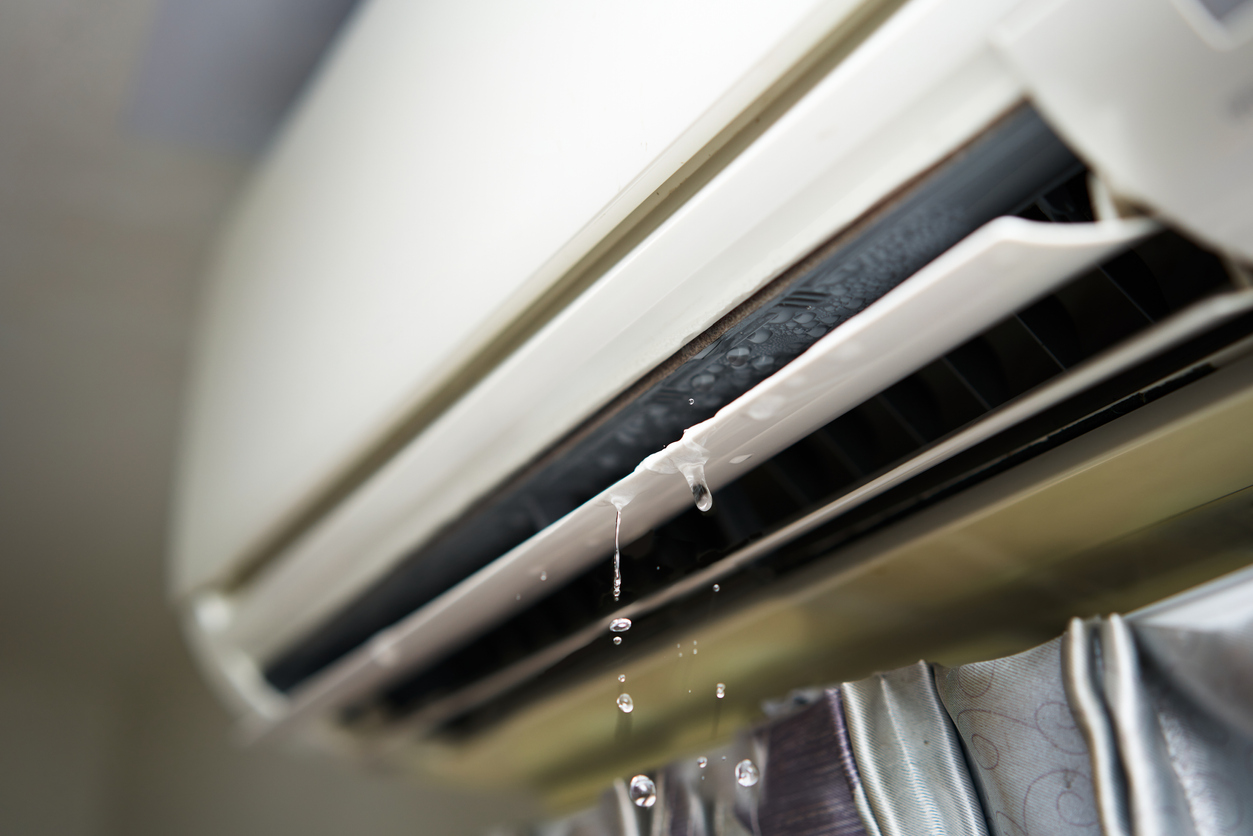
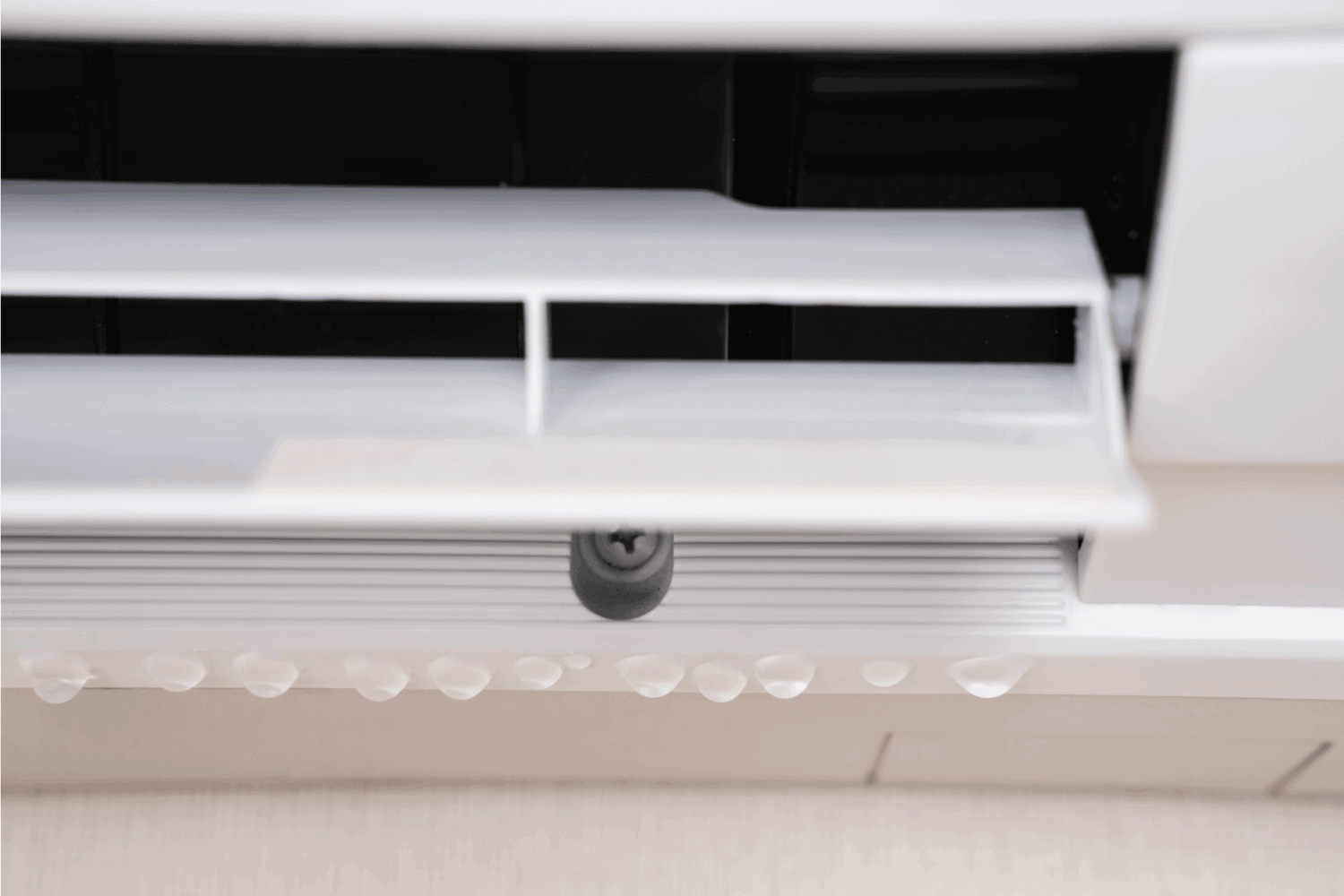
Water Dripping From Ceiling Air Conditioner
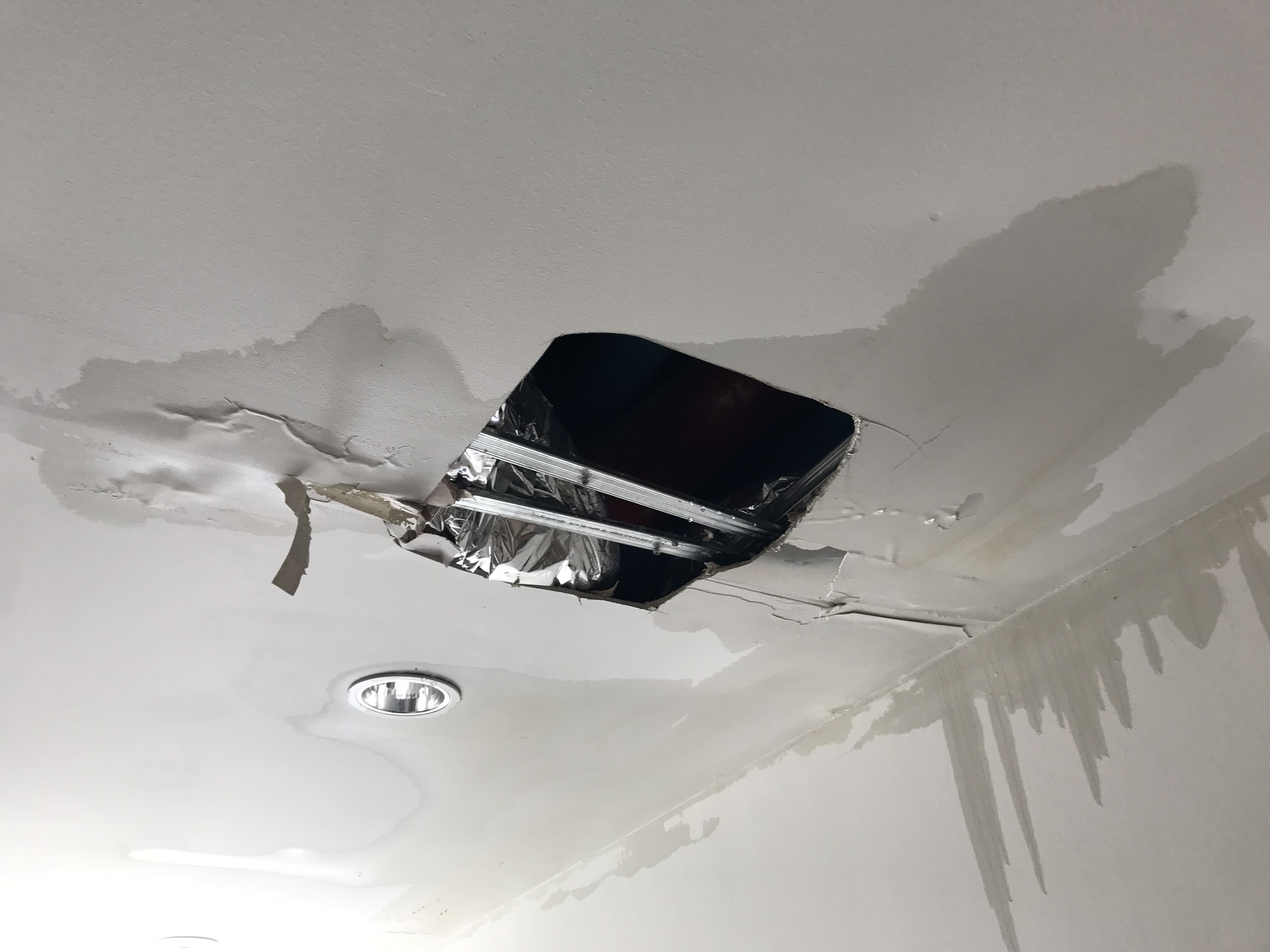
Water Dripping From Your Ceiling AC Unit: A Homeowner's Guide to Troubleshooting and Prevention
Discovering water dripping from your ceiling air conditioner is never a welcome surprise. It signals a problem, ranging from a minor inconvenience to a potentially serious issue that could damage your home. This comprehensive guide will help you understand the common causes of this problem, how to troubleshoot them, and, most importantly, how to prevent it from happening in the first place. Whether you're a homeowner, real estate investor, or HVAC professional, this information will equip you with the knowledge to address this issue effectively.
Understanding the Basics of AC Condensation
Air conditioners work by removing heat and humidity from the air. This process creates condensation, which is usually collected and drained away. However, when the drainage system malfunctions, or other factors contribute to excessive condensation, water can start dripping from the unit, often manifesting as a leak in your ceiling.
Common Causes of Water Leaks From Ceiling AC Units
Several factors can contribute to water dripping from your ceiling AC unit. Identifying the root cause is the first step towards solving the problem.
1. Clogged Condensate Drain Line
This is the most frequent culprit. The condensate drain line is a pipe that carries water away from the AC unit. Over time, algae, mold, dust, and debris can accumulate in this line, causing a blockage. When the drain line is clogged, the water backs up into the drain pan and eventually overflows, leading to leaks.
Troubleshooting: Look for the drain line outlet (usually located outside the house near the foundation). Use a wet/dry vacuum to suck out any blockage. You can also try pouring a cup of vinegar down the drain line to kill algae and mold.
2. Dirty Air Filter
A dirty air filter restricts airflow, causing the evaporator coil to become too cold. This can lead to the formation of ice on the coil. When the ice melts, the resulting water can overwhelm the drain pan and cause it to overflow.
Troubleshooting: Check your air filter regularly (at least monthly) and replace it when it's dirty. Using a higher quality air filter, such as a MERV 11 or 13, can improve air quality but might require more frequent changes.
3. Damaged or Rusted Drain Pan
The drain pan, usually made of plastic or metal, collects condensation from the evaporator coil. Over time, the pan can corrode, crack, or rust, leading to leaks. This is more common in older units.
Troubleshooting: Inspect the drain pan for any signs of damage. If it's cracked or rusted, it needs to be replaced. Consider calling a professional for this repair.
4. Low Refrigerant Levels
Low refrigerant can also cause the evaporator coil to freeze. Similar to a dirty air filter, the melting ice can overflow the drain pan. Low refrigerant usually indicates a leak in the refrigerant lines, which requires professional attention.
Troubleshooting: Low refrigerant is a complex issue. Do not attempt to add refrigerant yourself. Contact a qualified HVAC technician to locate and repair the leak, and then recharge the system.
5. Improper Installation
If your AC unit was not installed correctly, the drain line might not be properly sloped, or the drain pan might not be level. This can prevent proper drainage and lead to leaks.
Troubleshooting: A poorly installed unit requires professional evaluation. Have an experienced HVAC technician inspect the installation and make any necessary corrections.
6. High Humidity
Extremely humid conditions can increase the amount of condensation produced by your AC unit. While not directly a cause of leaks, it can exacerbate existing problems like a partially clogged drain line or a slightly damaged drain pan.
Preventive Maintenance: Avoiding Water Leaks
The best way to deal with water leaks is to prevent them from happening in the first place. Regular maintenance is key to keeping your AC unit running smoothly and preventing costly repairs.
1. Regular Air Filter Replacement
As mentioned earlier, replacing your air filter regularly (every 1-3 months, depending on usage and filter type) is crucial. A clean filter ensures proper airflow and prevents the evaporator coil from freezing.
2. Condensate Drain Line Cleaning
Clean the condensate drain line at least twice a year. You can use a wet/dry vacuum or pour a cup of vinegar down the drain line. Consider using commercially available drain line cleaners specifically designed for AC units.
3. Professional AC Tune-Ups
Schedule annual AC tune-ups with a qualified HVAC technician. During a tune-up, the technician will inspect all components of the system, including the drain pan, refrigerant levels, and electrical connections. They can identify and address potential problems before they become major issues.
4. Inspect the Drain Pan
Visually inspect the drain pan regularly for any signs of corrosion, cracks, or rust. If you notice any damage, replace the pan immediately.
5. Humidity Control
In particularly humid climates, consider using a dehumidifier to reduce the humidity levels in your home. This can help reduce the amount of condensation produced by your AC unit.
Choosing the Right AC System for Your Home
When it's time to replace your AC unit, selecting the right system is critical. Consider factors like the size of your home, your climate, and your budget. Look for units with high SEER (Seasonal Energy Efficiency Ratio) ratings for energy efficiency.
Popular AC Brands and Models
Here are a few popular AC brands and models known for their reliability and efficiency:
- Carrier: Known for its innovative technology and high-efficiency models. The Carrier Infinity series offers exceptional performance and smart home integration.
- Trane: A trusted brand with a reputation for durability and reliability. The Trane XV20i variable-speed system is a top-of-the-line option.
- American Standard: Similar to Trane, offering reliable and efficient AC systems. The American Standard Platinum 18 is a popular choice.
- Lennox: Known for its quiet operation and energy efficiency. The Lennox SL28XCV offers precise temperature control and exceptional energy savings.
- Goodman: A budget-friendly option that still offers good performance and reliability.
When comparing models, pay attention to the SEER rating, which indicates the unit's energy efficiency. A higher SEER rating means lower energy bills. Also, consider the noise level of the unit, especially if it's located near bedrooms or living areas.
AFUE (Annual Fuel Utilization Efficiency) ratings are primarily relevant for furnaces, but if you're considering a heat pump (which provides both heating and cooling), look for the HSPF (Heating Seasonal Performance Factor) rating, which measures the heating efficiency.
Understanding AC Warranties
Most AC manufacturers offer warranties on their products. The warranty typically covers parts and labor for a specific period. Be sure to read the warranty carefully to understand what is covered and what is not. Regular maintenance is often required to keep the warranty valid.
Typical warranties range from 5 to 10 years for parts and 1 to 5 years for labor. Some manufacturers offer extended warranties for an additional cost.
When to Call a Professional
While some AC problems can be handled yourself, others require the expertise of a qualified HVAC technician. Call a professional if:
- You suspect a refrigerant leak.
- You are not comfortable working with electrical components.
- The problem persists despite your troubleshooting efforts.
- The unit is under warranty and requires professional service.
Conclusion
Water dripping from your ceiling AC unit can be a frustrating problem, but with a little knowledge and preventative maintenance, you can keep your system running smoothly and avoid costly repairs. Remember to check your air filter regularly, clean the condensate drain line, and schedule annual tune-ups with a qualified HVAC technician. By taking these steps, you can ensure that your AC unit provides efficient and reliable cooling for years to come.