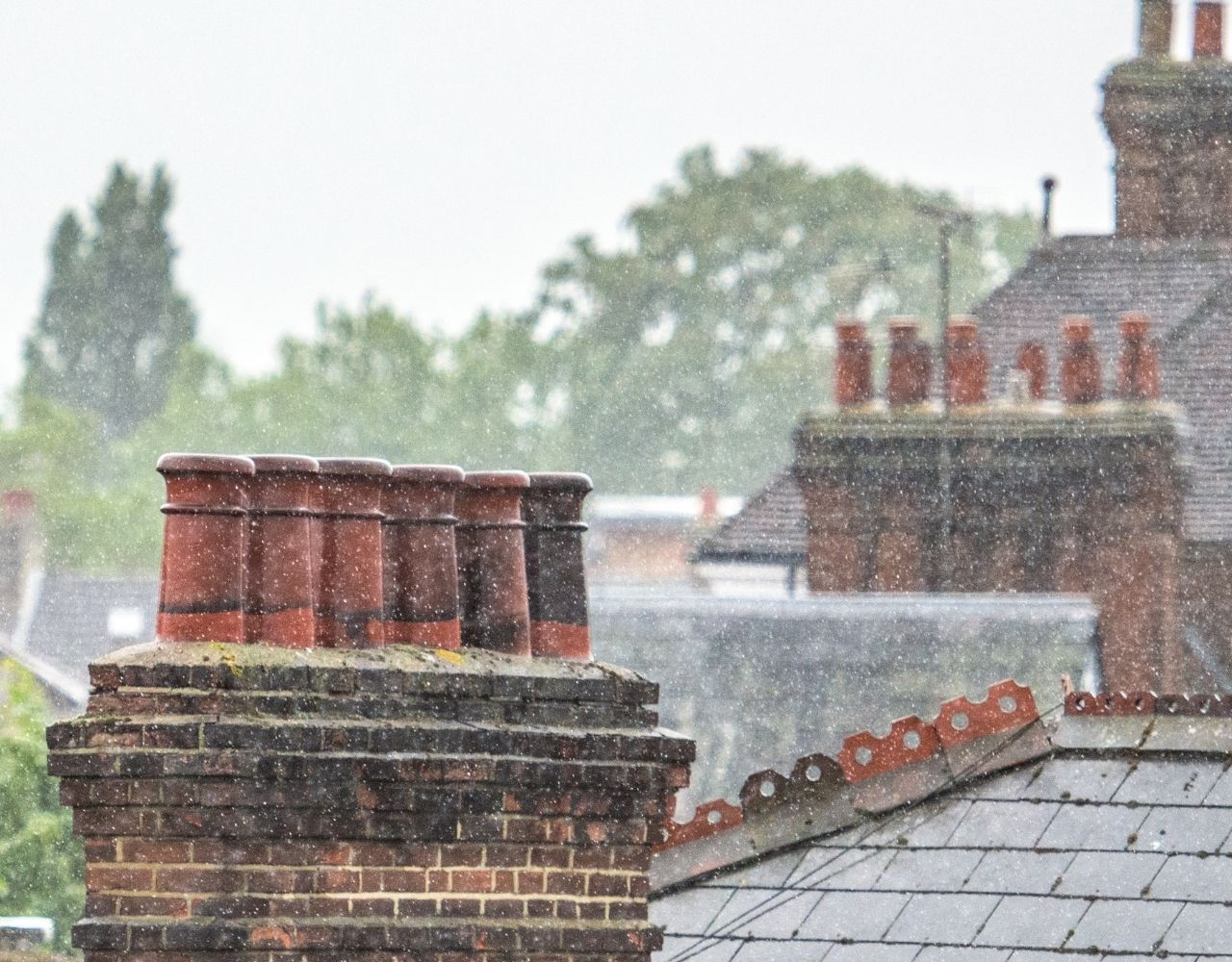
Water Dripping Into Fireplace During Rain

Let's face it: discovering water dripping into your fireplace during a rainstorm is never a welcome surprise. It suggests a problem somewhere in your chimney system, and if left unaddressed, can lead to serious structural damage and costly repairs. While complex chimney issues definitely require a professional, there are some basic troubleshooting steps you can take yourself to identify the problem and potentially implement a simple fix. Think of this like troubleshooting a malfunctioning washing machine before calling a repair technician. If the machine won't start, you first check if it's plugged in, the circuit breaker hasn't tripped, and that the water supply valves are open before assuming the motor is broken.
Understanding the Problem: Why is Your Fireplace Leaking?
Water intrusion into your fireplace is usually a sign that rainwater is finding a way into your chimney flue. This happens for several reasons, the most common of which include:
- Damaged or Missing Chimney Cap: The chimney cap is your first line of defense against the elements.
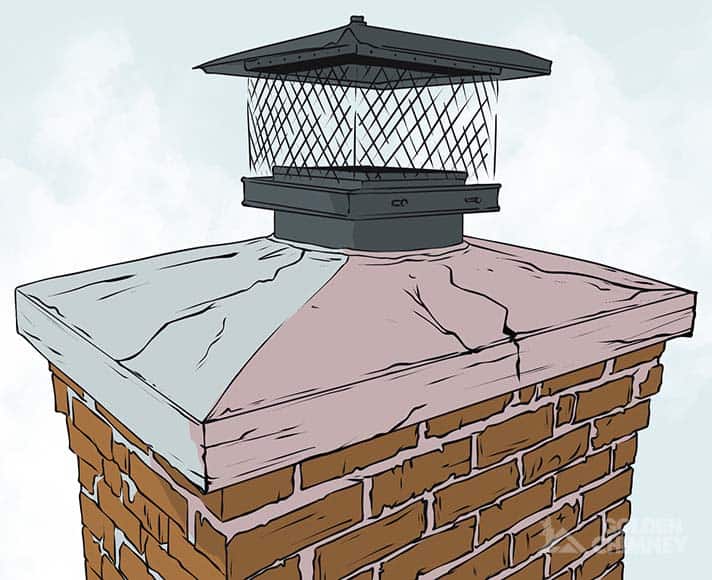
- Cracked or Deteriorated Chimney Crown: The chimney crown is the concrete slab at the top of the chimney that slopes outwards, preventing water from seeping into the brickwork.
- Flashing Issues: Flashing is the metal sheeting installed where the chimney meets the roof, creating a watertight seal.
- Damaged Mortar Joints: Over time, the mortar between the bricks can crack and crumble, allowing water to penetrate the chimney structure.
- Internal Condensation: In less common cases, especially in homes with high-efficiency furnaces or water heaters venting into the chimney, condensation can accumulate and drip down.
Step-by-Step Troubleshooting Guide
Before starting any inspection, ensure it is safe to access your roof. If you are uncomfortable working at heights, or if the weather is inclement, contact a professional chimney sweep or roofer. Safety is always paramount.
Step 1: Initial Inspection from Inside the Fireplace
Start your investigation from the fireplace itself.
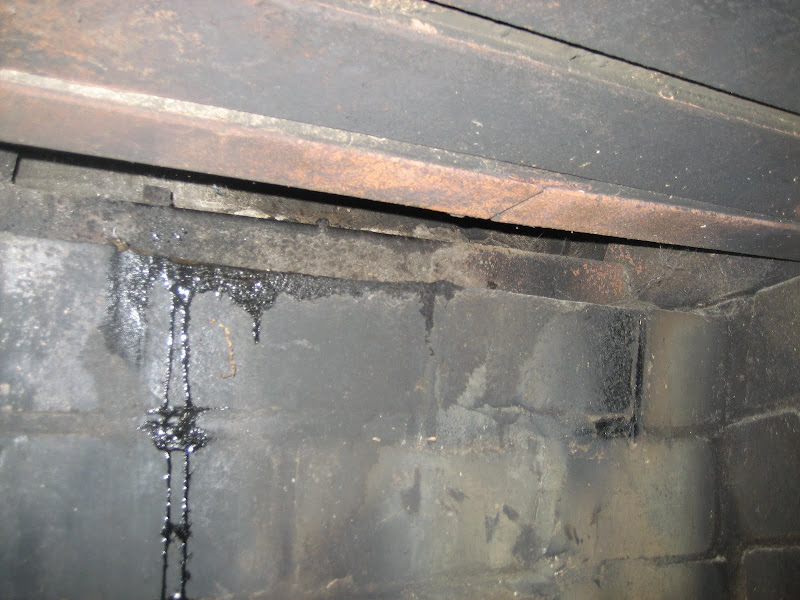
- Check for Obvious Signs of Water Damage: Look for water stains, discoloration, or mold growth around the firebox, damper, and surrounding brickwork. Note the location and extent of the damage.
- Observe the Drip: Note where the water is dripping from. Is it coming directly from the flue, from the damper area, or from the sides of the firebox? This can provide clues about the source of the leak.
- Inspect the Damper: Is the damper rusted or damaged? A malfunctioning damper can allow more moisture into the chimney.
Step 2: Inspecting the Chimney Cap
The chimney cap is the easiest element to check, and often the culprit.
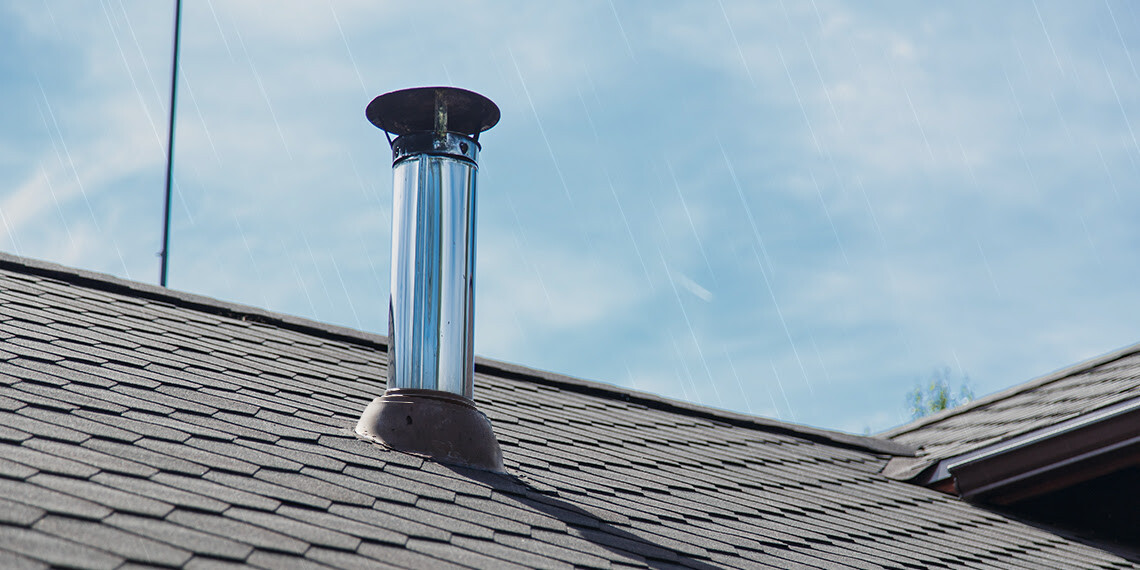
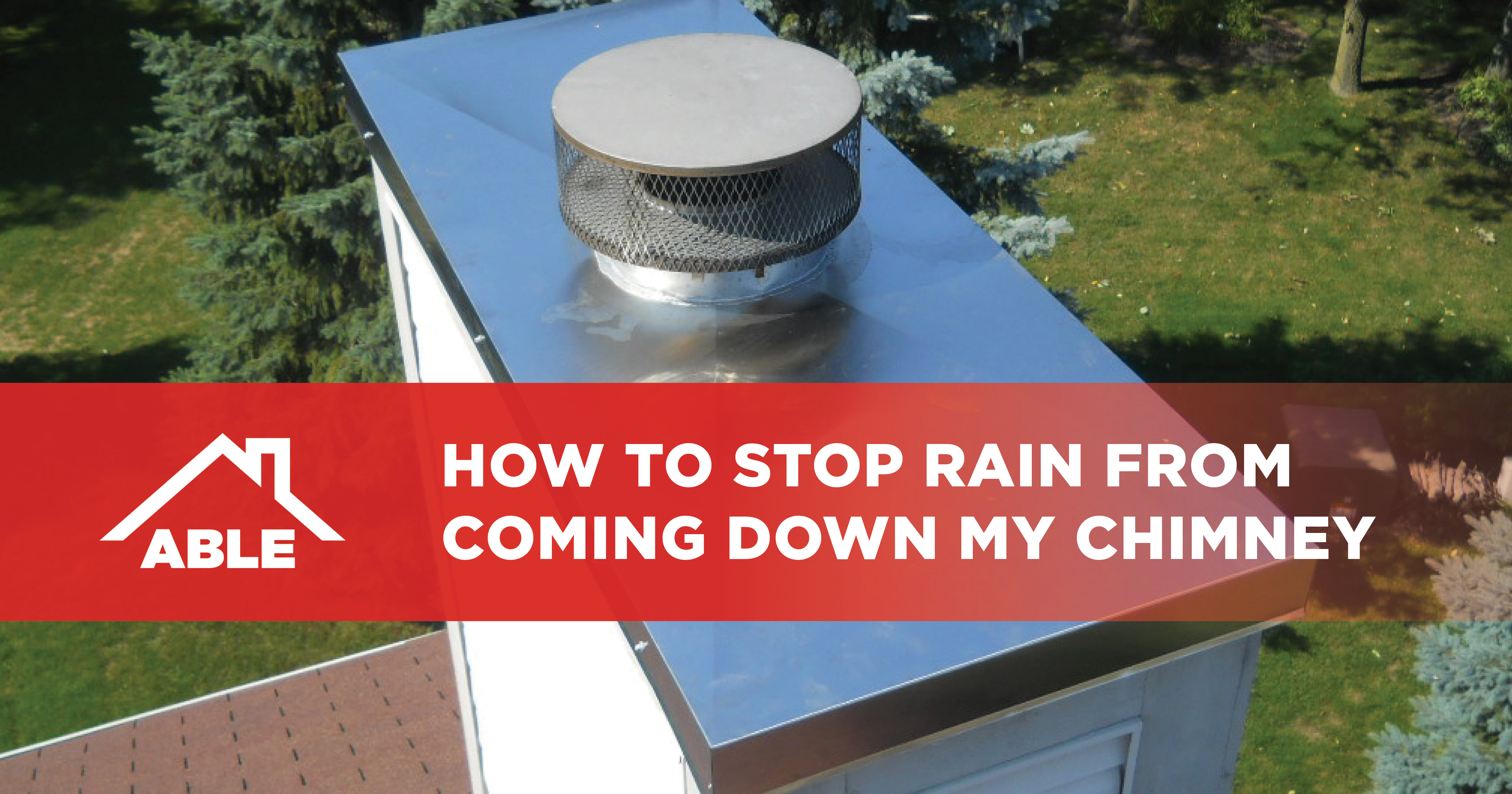
- Visual Inspection: From the ground (using binoculars if necessary) or from the roof (safely secured), check if the chimney cap is present, securely attached, and in good condition. Look for rust, holes, or missing sections.
- Loose Attachment: If you can safely reach the chimney cap, gently try to wiggle it. A loose cap allows water to run down the outside of the flue and into the chimney.
- Debris Buildup: Check for leaves, twigs, and other debris that may be blocking the cap and diverting water into the flue.
DIY Fix (Chimney Cap): If the chimney cap is loose, you may be able to tighten the screws or bolts that secure it. If the cap is damaged beyond repair, replacement is recommended. Ensure you purchase the correct size and type of cap for your chimney flue. Installation is usually straightforward, involving tightening screws or clamps. However, if you are uncomfortable working at heights, hire a professional.
Step 3: Examining the Chimney Crown
The chimney crown is the concrete slab at the top. It should slope away from the flue, diverting water away from the chimney structure.
- Cracks and Deterioration: Look for cracks, chips, or crumbling concrete on the chimney crown. Even small cracks can allow water to seep into the underlying brickwork.
- Proper Slope: Ensure the crown has a noticeable slope away from the flue. A flat or inwardly sloping crown will collect water.
- Sealing Issues: Check the seal between the flue liner and the chimney crown. This area is prone to cracking.
DIY Fix (Chimney Crown - Minor Cracks Only): For hairline cracks in the chimney crown, you may be able to apply a flexible chimney crown sealant. Clean the area thoroughly with a wire brush and apply the sealant according to the manufacturer's instructions. This is only a temporary fix for minor cracks.
If the chimney crown has significant cracks, is crumbling, or lacks a proper slope, it needs professional repair or replacement. A damaged chimney crown can lead to extensive water damage and should be addressed promptly.
Step 4: Checking the Flashing
The flashing is the metal sheeting that seals the joint between the chimney and the roof. Improperly installed or damaged flashing is a common cause of chimney leaks.
- Visual Inspection: Look for signs of rust, corrosion, or damage to the flashing. Check for gaps or separations between the flashing and the chimney or roof.
- Lifted or Missing Flashing: Strong winds can sometimes lift or tear away sections of flashing.
- Sealant Issues: Examine the sealant (usually caulk) around the flashing. Cracked or missing sealant allows water to penetrate.
DIY Fix (Flashing - Minor Sealant Issues Only): If the sealant around the flashing is cracked or missing, you can carefully remove the old sealant and apply a new bead of high-quality, waterproof caulk. Ensure the area is clean and dry before applying the caulk.
If the flashing is rusted, damaged, lifted, or missing, it requires professional repair or replacement. Working with flashing often involves specialized tools and techniques, and improper installation can lead to significant leaks and roof damage. Do not attempt to repair flashing yourself unless you have extensive roofing experience.
Step 5: Inspecting Mortar Joints
The mortar joints between the bricks of the chimney can deteriorate over time, allowing water to penetrate the chimney structure.
- Cracked or Crumbling Mortar: Look for cracks, chips, or crumbling mortar joints, especially on the exposed sides of the chimney.
- Missing Mortar: In severe cases, sections of mortar may be completely missing.
- Efflorescence: White, powdery deposits on the brickwork can indicate moisture penetration and deteriorating mortar.
DIY Fix (Mortar Joints - Very Minor Deterioration Only): For very minor surface cracks in the mortar joints, you may be able to apply a masonry crack filler. Clean the area thoroughly and apply the filler according to the manufacturer's instructions. This is a cosmetic fix and does not address underlying structural issues.
If the mortar joints are significantly cracked, crumbling, or missing, a process called "repointing" is necessary. Repointing involves removing the damaged mortar and replacing it with fresh mortar. This is a skilled trade that requires specialized tools and techniques, and is best left to a professional mason.
Step 6: Checking for Internal Condensation (Less Common)
While less common, internal condensation can contribute to water dripping into the fireplace.
- High-Efficiency Appliances: If you have a high-efficiency furnace or water heater venting into the chimney, the exhaust gases are cooler and contain more moisture, which can condense inside the flue.
- Unlined Chimney: An unlined chimney allows exhaust gases to cool more quickly, increasing the likelihood of condensation.
- Oversized Flue: An oversized flue can also contribute to condensation, as the exhaust gases do not heat the flue sufficiently to prevent condensation.
If you suspect internal condensation is the cause of the leak, consult with a qualified HVAC technician or chimney sweep. They can assess your venting system and recommend solutions such as installing a flue liner or resizing the flue.
When to Call a Professional
While some minor chimney repairs can be handled DIY, it is crucial to recognize when a professional is needed.
- Significant Chimney Crown Damage: Extensive cracking, crumbling, or missing sections of the chimney crown.
- Damaged or Missing Flashing: Rusted, lifted, or missing flashing.
- Extensive Mortar Joint Deterioration: Significant cracking, crumbling, or missing mortar joints.
- Internal Condensation: Suspected condensation issues related to high-efficiency appliances.
- Any Work at Heights You Are Uncomfortable With: Safety is paramount; do not attempt repairs if you are not comfortable working on a roof.
- Suspected Structural Damage: If you suspect any structural damage to the chimney, such as leaning or bulging, contact a professional immediately.
Attempting complex chimney repairs without the proper knowledge and tools can be dangerous and can potentially worsen the problem. A qualified chimney sweep or roofer can accurately diagnose the problem, perform the necessary repairs, and ensure that your chimney is safe and functioning properly.
Preventative Maintenance
The best way to prevent water from dripping into your fireplace is to perform regular chimney maintenance.
- Annual Chimney Inspection: Schedule an annual chimney inspection by a qualified chimney sweep.
- Regular Cleaning: Have your chimney cleaned regularly to remove creosote buildup, which can be a fire hazard and can also trap moisture.
- Address Minor Issues Promptly: Repair minor cracks or damage to the chimney crown, flashing, or mortar joints before they become major problems.
- Keep the Chimney Cap Clear: Regularly remove debris from the chimney cap to ensure proper ventilation and prevent water from entering the flue.
By following these troubleshooting steps and preventative maintenance tips, you can help keep your chimney in good condition and prevent water from dripping into your fireplace, protecting your home from costly water damage and ensuring the safe and efficient operation of your fireplace.