Water Furnace Model Number Lookup

Decoding Your Water Furnace: A Guide to Model Number Lookup
Your Water Furnace geothermal system is a sophisticated piece of equipment, responsible for keeping your home comfortable year-round. When issues arise, or you're planning maintenance, knowing your unit's model number is crucial. It's the key to unlocking accurate information, finding the right replacement parts, and understanding your system's specific capabilities. This guide will walk you through finding your Water Furnace model number, interpreting it, and using it effectively.
Why Knowing Your Model Number Matters
The model number isn't just a random string of characters. It's a code that provides vital details about your unit, including:
- Manufacturing Date: Helps determine warranty eligibility and the age of your unit.
- Unit Capacity (BTU): Indicates the heating and cooling power of your system.
- Voltage and Phase: Ensures compatibility with your home's electrical system.
- Specific Features and Options: Identifies unique components or upgrades your unit might have.
- Compatible Replacement Parts: Guarantees you're ordering the correct components for repairs.
Without the correct model number, you risk ordering the wrong parts, receiving inaccurate repair advice, or voiding your warranty. Accurate model number data helps both homeowners and HVAC professionals.
Where to Find Your Water Furnace Model Number
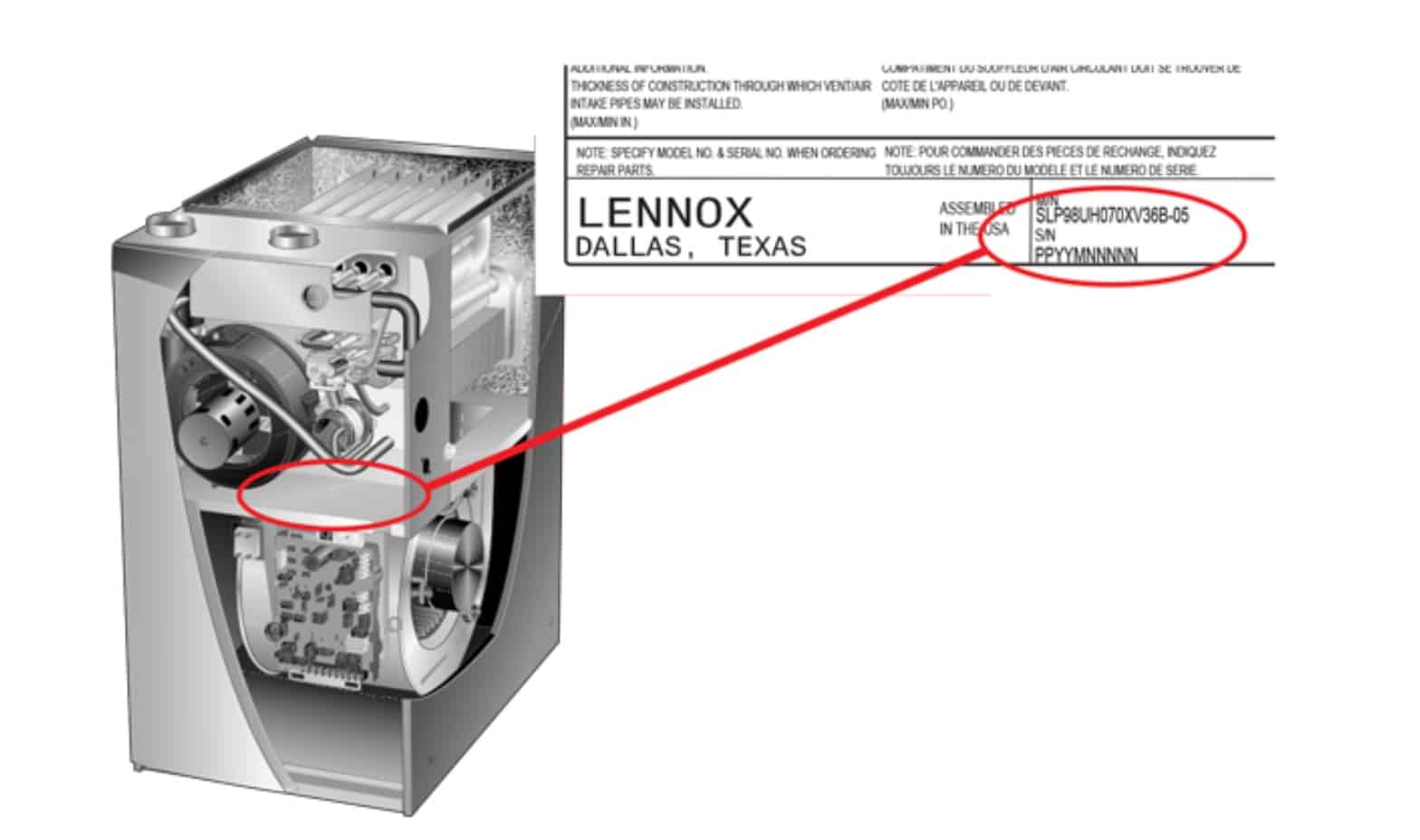
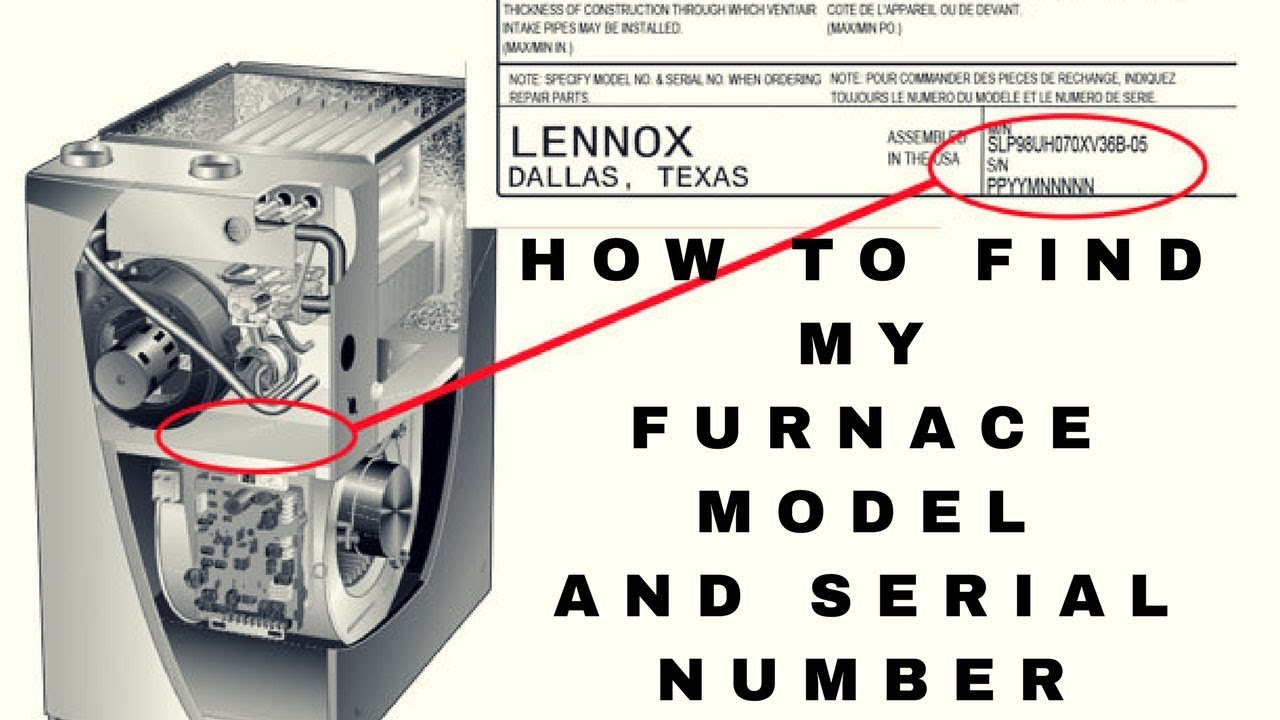
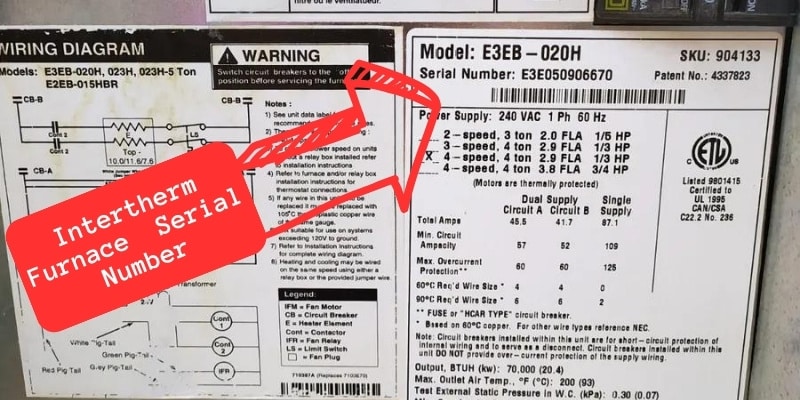
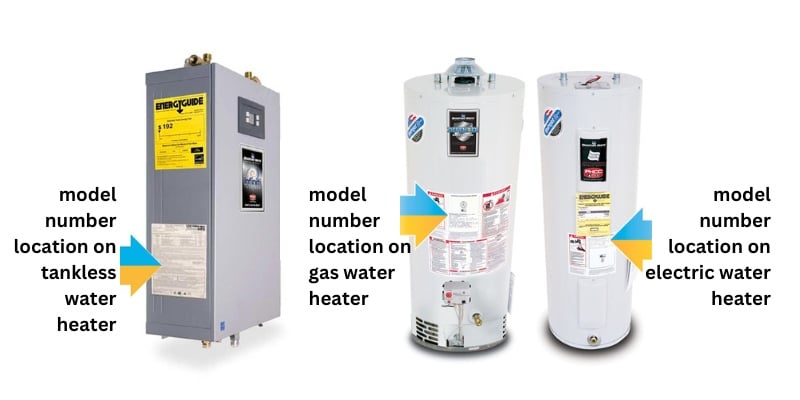
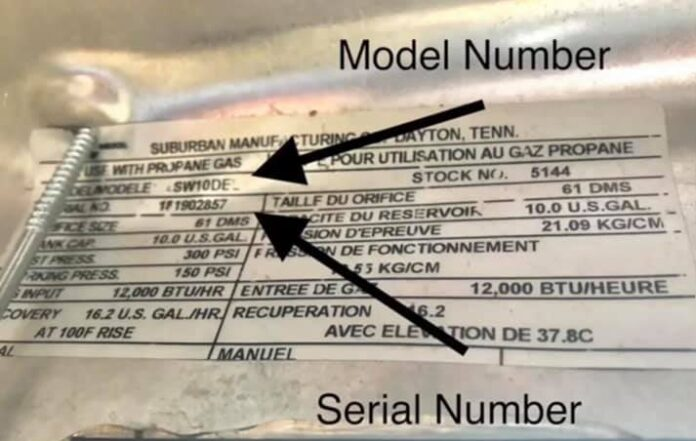
The model number is typically located on the unit's nameplate, which is a sticker or metal tag affixed to the equipment. Here are the common places to look:
Indoor Unit (Heat Pump):
- Exterior Cabinet: Check the sides, front, and back panels of the indoor unit. Often, the nameplate is visible without removing any panels.
- Inside Access Panel: If the nameplate isn't visible externally, carefully remove the access panel (after turning off the power at the breaker!) and check the inside of the cabinet. Common locations are on the blower housing or the control box.
Outdoor Unit (If Applicable - Some Systems Don't Have One):
- Exterior Cabinet: Similar to the indoor unit, inspect all sides of the outdoor cabinet.
Specific Locations to Check Based on Model Type:
- Envision Series: Look on the side panel of the unit, typically near the top.
- Synergy3D Series: Check the front panel, often near the bottom.
- 7 Series: The nameplate is usually located inside the access panel.
Important Safety Tip: Always turn off the power to your Water Furnace at the breaker before removing any access panels. Work carefully, and if you're uncomfortable, call a qualified HVAC technician.
Decoding the Model Number: A General Guide
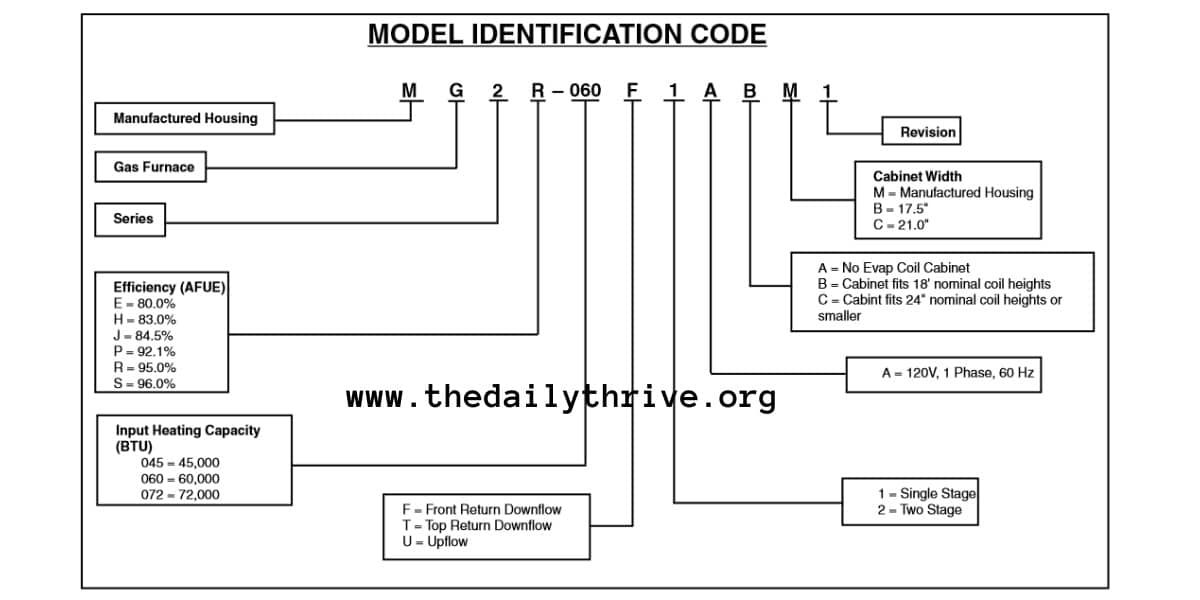
Water Furnace model numbers typically follow a specific format. While the exact format can vary depending on the model and year of manufacture, here's a general breakdown of what you might encounter:
Example Model Number: PV*H036A112CAA
This is just an example and each model has specific variations.
- PV*: Model Series (e.g., PV = Premier Variable Speed, AT = Aurora Technology)
- H: Refrigerant Type (e.g., H = R-410A)
- 036: Unit Capacity (This often represents the BTU output divided by 1000. In this example, 036 would suggest 36,000 BTU)
- A: Voltage (Check specifications manual)
- 112: Design Revision
- CAA: Factory Options
Note: This is a simplified example. Refer to your Water Furnace product manual or contact a qualified technician for a precise interpretation of your specific model number. You can often find detailed product manuals on the Water Furnace website.
What to Do with Your Model Number
Once you have your model number, you can use it in several ways:
- Troubleshooting: Search online for troubleshooting guides and FAQs specific to your model.
- Ordering Parts: Provide the model number to your HVAC supplier or online retailer to ensure you get the correct replacement parts.
- Checking Warranty Status: Contact Water Furnace or your installing dealer to verify your warranty coverage.
- Finding Manuals and Documentation: Download the product manual and other relevant documentation from the Water Furnace website.
- Getting Accurate Repair Estimates: Give the model number to your HVAC technician when requesting a service call or repair estimate. This allows them to prepare properly and provide a more accurate quote.
Common Water Furnace Problems and When to Call a Pro
While some minor issues can be addressed with basic DIY skills, many Water Furnace repairs require specialized knowledge and tools. Here's a breakdown of common problems and when it's best to call a professional:
DIY-Friendly Issues:
- Dirty Air Filter: Replace the air filter regularly (every 1-3 months) to maintain proper airflow and system efficiency.
- Thermostat Problems: Check thermostat settings, battery life, and wiring connections.
- Circuit Breaker Trips: Reset the circuit breaker. If it trips repeatedly, call an electrician or HVAC technician to investigate the underlying cause.
- Checking Condensate Drain: Ensure the condensate drain line isn't clogged. Use a wet/dry vacuum to clear any blockages.
Issues Requiring a Professional:
- Refrigerant Leaks: Handling refrigerant requires specialized equipment and certification.
- Compressor Failure: Replacing a compressor is a complex and expensive repair that should only be performed by a qualified technician.
- Blower Motor Problems: Diagnosing and repairing blower motor issues often requires specialized tools and knowledge.
- Control Board Malfunctions: Troubleshooting and repairing control boards requires advanced electrical knowledge.
- Ground Loop Issues: Ground loops are a critical part of a geothermal system and require specialized knowledge and equipment to diagnose and repair.
Tools You Might Need:
- Screwdrivers (Phillips and Flathead)
- Wrench Set
- Multimeter
- Wet/Dry Vacuum
- Air Filter
Common Replacement Parts (Based on Model Number):
- Air Filters
- Capacitors
- Contactors
- Blower Motors
- Control Boards
Estimating Repair Costs
Repair costs for Water Furnace geothermal systems can vary widely depending on the problem, the complexity of the repair, and the cost of parts. Here's a general idea of what you might expect to pay:
- Air Filter Replacement: $10 - $30 (DIY)
- Thermostat Replacement: $100 - $300 (DIY or Professional)
- Capacitor Replacement: $150 - $300 (Professional)
- Contactor Replacement: $200 - $400 (Professional)
- Blower Motor Replacement: $400 - $800 (Professional)
- Compressor Replacement: $1500 - $3000+ (Professional)
- Control Board Replacement: $300 - $700 (Professional)
- Refrigerant Leak Repair: $300 - $1000+ (Professional)
Important Note: These are just estimates. Always get a written quote from a qualified HVAC technician before authorizing any repairs.
Finding a Qualified HVAC Technician
When you need professional help with your Water Furnace system, it's crucial to choose a qualified and experienced HVAC technician. Look for technicians who:
- Are licensed and insured.
- Have experience working with geothermal systems.
- Are familiar with the Water Furnace brand.
- Offer written estimates.
- Provide a warranty on their work.
You can find qualified technicians through online directories, referrals from friends and family, or by contacting Water Furnace directly for a list of authorized dealers in your area.
Maintenance Tips to Extend the Life of Your Water Furnace
Proper maintenance can significantly extend the life of your Water Furnace system and prevent costly repairs. Here are some essential maintenance tips:
- Regularly Replace Air Filters: Dirty air filters restrict airflow and can damage the system.
- Schedule Annual Maintenance: A qualified HVAC technician can inspect and clean your system, check refrigerant levels, and identify potential problems before they become major issues.
- Keep the Area Around the Unit Clear: Ensure there's adequate airflow around the indoor and outdoor units.
- Monitor System Performance: Pay attention to any unusual noises, smells, or performance issues.
By understanding your Water Furnace system and taking proactive steps to maintain it, you can ensure years of reliable and efficient performance. Remember to always prioritize safety and consult with a qualified HVAC professional when needed.