Water Heater Closet Door Requirements
Water heaters, often tucked away in closets, are essential home appliances, but they can also be significant energy drains. Ensuring your water heater closet meets proper requirements is critical for safety, efficiency, and longevity. This article explores the specific requirements for water heater closet doors, focusing on optimizing your system for energy savings, smart home integration, and compliance with relevant guidelines.
Understanding the Importance of Proper Water Heater Closet Ventilation and Access
The location and enclosure of your water heater impact its performance more than you might realize. A poorly ventilated or inaccessible water heater can lead to several problems, including:
- Reduced Efficiency: Inadequate airflow, especially for gas-fired units, can hinder combustion efficiency, leading to higher energy consumption and increased utility bills.
- Safety Hazards: Improper ventilation can result in carbon monoxide buildup, a potentially deadly risk.
- Premature Failure: Overheating due to poor ventilation shortens the lifespan of your water heater.
- Code Violations: Many local building codes have specific requirements for water heater enclosures, and non-compliance can lead to fines or required corrections during home inspections.
Moreover, easy access to the water heater is crucial for maintenance and repairs. Imagine needing to replace a faulty component but being unable to easily reach the unit due to a poorly designed closet.
Specific Requirements for Water Heater Closet Doors
While specific regulations vary by location and type of water heater (electric, gas, tankless), some general principles govern water heater closet door requirements.
Door Size and Accessibility
The door must be large enough to allow for easy installation, removal, and maintenance of the water heater. A general guideline is that the door opening should be at least as wide as the water heater's diameter plus several inches for maneuvering. Check your local building codes for precise measurements. Many jurisdictions require a minimum width of 30 inches and a height of 80 inches for access.
Door Material and Construction
The door material is generally not as strictly regulated as ventilation and clearance requirements. However, it should be durable and fire-resistant, especially for gas-fired water heaters. Solid-core wood or metal doors are preferred. Avoid using flimsy or highly flammable materials.
Ventilation Requirements
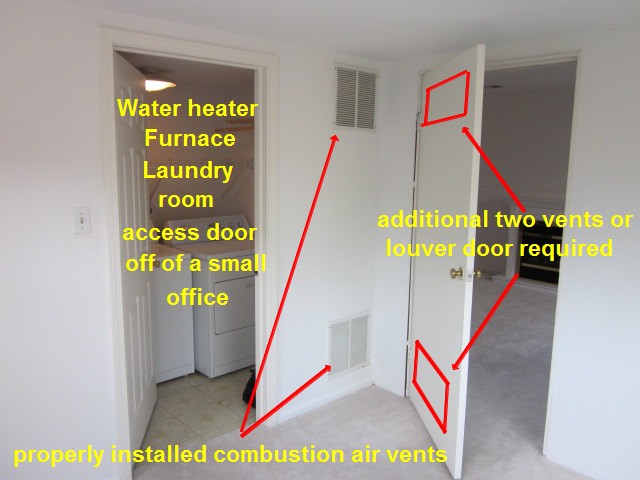
This is where things get more complex. Ventilation requirements depend heavily on the type of water heater. For gas-fired water heaters, adequate ventilation is paramount to ensure complete combustion and prevent carbon monoxide buildup. Common methods include:
- Louvered Doors: Louvered doors allow for constant airflow into the closet. The size of the louvered area depends on the BTU input of the water heater and local code requirements. A general rule of thumb is one square inch of free area per 1,000 BTU/hr input.
- Vented Doors: Similar to louvered doors, vented doors have strategically placed openings for airflow. The key is to ensure the openings are unobstructed and provide sufficient ventilation.
- Dedicated Air Ducts: In some cases, a dedicated air duct connected to the outside is required to provide fresh air to the water heater.
Electric water heaters generally have less stringent ventilation requirements since they don't produce combustion byproducts. However, adequate airflow is still important to prevent overheating and ensure efficient operation. Small vents or gaps around the door frame may be sufficient.
Clearance Requirements
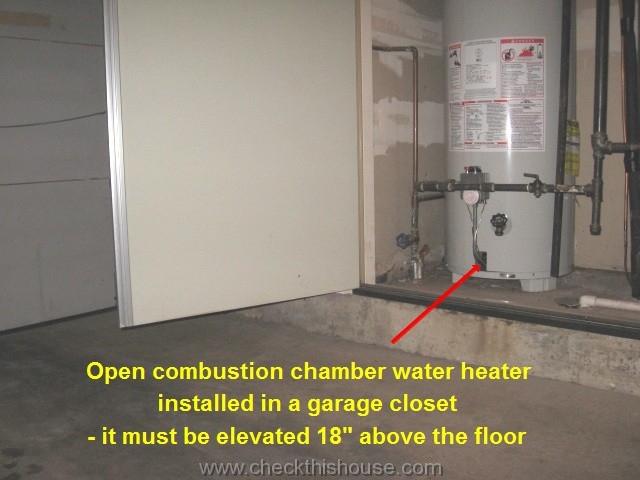
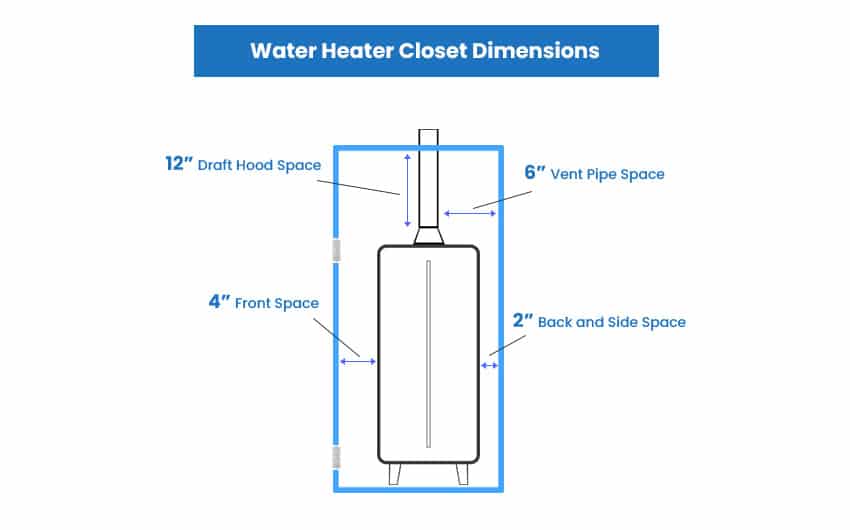
Closet door regulations are often tied to clearance requirements around the water heater. This ensures that technicians can safely access the unit for maintenance and repairs. Check your local building codes, but generally, you'll need at least 24 inches of clearance in front of the water heater and adequate space on the sides and top. The door should swing open without obstructing access to the unit.
Sealing the Door
While ventilation is essential, you don't want excessive air leakage that can waste energy. Weatherstripping around the door frame can help to minimize drafts and heat loss, especially if the closet is located in an unconditioned space. However, ensure that sealing the door doesn't compromise the required ventilation for gas-fired units.
Energy Savings and ROI of Compliant Water Heater Closets
Investing in a compliant and energy-efficient water heater closet yields significant returns over time. Here’s how:
- Reduced Energy Bills: Proper ventilation ensures efficient combustion, minimizing energy waste and lowering your monthly bills. Studies show that optimizing ventilation can improve water heater efficiency by up to 10-15%.
- Extended Water Heater Lifespan: Adequate ventilation prevents overheating, which can prematurely damage the unit. A well-ventilated water heater can last several years longer than one that is constantly overheated.
- Improved Home Safety: Compliance with building codes ensures that your water heater operates safely and reduces the risk of carbon monoxide poisoning.
- Increased Home Value: A compliant and energy-efficient water heater is a selling point for potential buyers.
Consider the long-term cost savings when evaluating the investment in upgrading your water heater closet. Even a small improvement in efficiency can translate into hundreds of dollars saved over the lifespan of the unit.
Integrating Smart Technology for Enhanced Efficiency
Smart home technology can further enhance the efficiency of your water heater. Consider these integrations:
- Smart Water Heaters: These units learn your water usage patterns and adjust heating schedules accordingly, minimizing energy waste. Many models can be controlled remotely via a smartphone app.
- Smart Thermostats: While primarily used for HVAC systems, smart thermostats can also be integrated with smart water heaters to optimize overall energy consumption.
- Leak Detection Sensors: Place leak detection sensors near the water heater to detect leaks early and prevent costly water damage.
By integrating smart technology, you can gain greater control over your water heating costs and improve the overall energy efficiency of your home. Look for Energy Star certified smart water heaters to maximize your savings.
Rebates and Incentives for Energy-Efficient Water Heaters
Many utility companies and government agencies offer rebates and incentives for installing energy-efficient water heaters. Check with your local utility provider and the Energy Star website for available programs. These rebates can significantly reduce the upfront cost of upgrading to a more efficient system.
Working with HVAC Contractors for Optimal Solutions
When upgrading or modifying your water heater closet, it's best to consult with a qualified HVAC contractor. They can assess your specific needs, ensure compliance with local building codes, and recommend the most energy-efficient solutions for your home. A professional can also help with:
- Proper Ventilation Design: Calculating the required ventilation area for your water heater.
- Safe Installation Practices: Ensuring that the water heater is installed correctly and safely.
- Energy Audits: Identifying other areas in your home where you can improve energy efficiency.
Hiring a licensed and insured contractor provides peace of mind and ensures that the job is done right. Don't hesitate to ask for references and check their credentials before hiring someone.
Beyond the Door: A Holistic Approach to Water Heater Efficiency
While the closet door is a critical component, optimizing water heater efficiency requires a holistic approach. Consider these additional factors:
- Water Heater Insulation: Insulating the water heater tank can reduce heat loss and improve efficiency.
- Pipe Insulation: Insulating the hot water pipes can minimize heat loss as water travels to your faucets.
- Lowering Water Heater Temperature: Setting the water heater temperature to 120°F is generally sufficient for most households and can save energy.
- Regular Maintenance: Flushing the water heater annually to remove sediment can improve efficiency and extend its lifespan.
By addressing all aspects of your water heating system, you can maximize energy savings and minimize your environmental impact.
Conclusion
Proper water heater closet door requirements are more than just a matter of compliance; they are essential for safety, efficiency, and longevity. By understanding the specific regulations and implementing energy-saving strategies, you can significantly reduce your energy bills, improve your home's value, and contribute to a more sustainable future. Remember to consult with a qualified HVAC contractor to ensure that your water heater closet meets all requirements and operates at peak efficiency. Investing in a compliant and energy-efficient water heating system is an investment in your home and the environment.