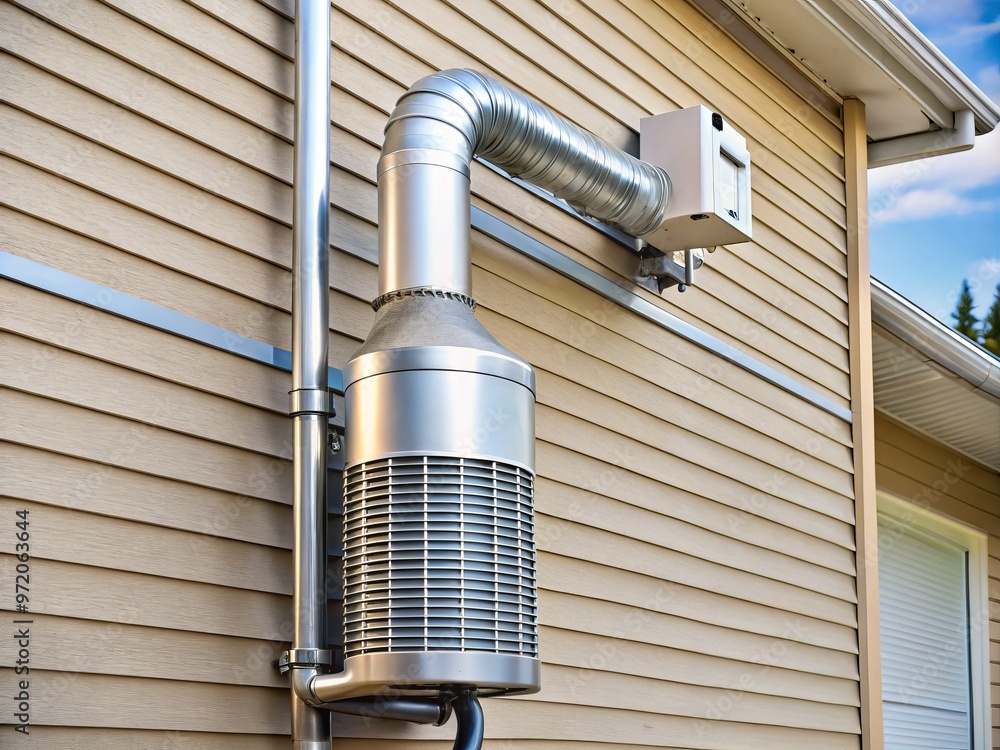
Water Heater Double Wall Vent Pipe

When upgrading or replacing your water heater, one component often overlooked is the venting system. Choosing the correct venting is crucial for safety, efficiency, and longevity. Among the various venting options, double-wall vent pipe stands out as a superior choice for many installations. This article delves into the world of double-wall vent pipes, examining their pros and cons, features, pricing, and comparisons to other venting types.
What is Double-Wall Vent Pipe?
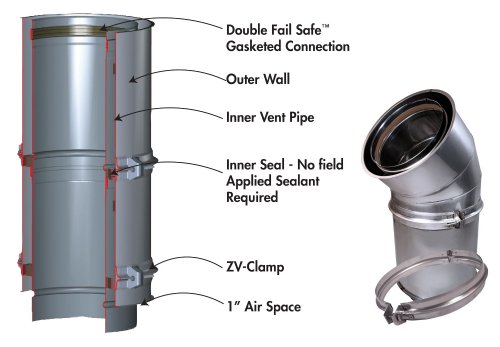
Double-wall vent pipe, as the name suggests, features two layers of metal with an air gap in between. This design significantly reduces the surface temperature of the exterior pipe compared to single-wall options. It is typically used for venting gas-fired appliances, including water heaters, furnaces, and boilers. The air gap acts as an insulator, preventing the pipe from overheating and reducing the risk of fire hazards, especially when passing through combustible materials like wood or drywall.
Pros and Cons of Double-Wall Vent Pipe
Pros:
- Enhanced Safety: The primary advantage of double-wall vent pipe is its superior safety. The reduced surface temperature minimizes the risk of igniting nearby combustible materials.
- Improved Draft: The insulation provided by the double wall helps maintain a consistent flue temperature, promoting a stronger and more reliable draft. This is crucial for efficient removal of combustion byproducts like carbon monoxide.
- Reduced Condensation: The warmer flue temperature minimizes condensation within the vent pipe. Condensation can lead to corrosion, reduced efficiency, and even vent blockage.
- Increased Lifespan: By reducing condensation and corrosion, double-wall vent pipe generally lasts longer than single-wall alternatives.
- Versatile Applications: Double-wall vent pipe can be used in a wider range of applications compared to some single-wall options, including those requiring closer proximity to combustible materials.
- Aesthetically Pleasing: Many homeowners find double-wall vent pipe more visually appealing than single-wall, particularly when exposed within the living space.
Cons:
- Higher Cost: The major drawback of double-wall vent pipe is its higher cost compared to single-wall options. The additional materials and manufacturing processes contribute to a higher price point.
- More Complex Installation: While not drastically more difficult, installing double-wall vent pipe can be slightly more complex than single-wall, requiring careful attention to proper connections and clearances.
- Larger Diameter: Double-wall pipe typically has a larger overall diameter than single-wall pipe of the same internal flue size, which can be a concern in tight spaces.
Features to Consider
When selecting double-wall vent pipe, consider the following features:
- Material: Common materials include stainless steel and galvanized steel. Stainless steel offers superior corrosion resistance and a longer lifespan, but it is also more expensive. Galvanized steel is a more budget-friendly option, but it's essential to ensure it meets local codes and is compatible with the appliance being vented.
- Diameter: Choose the correct diameter based on the appliance manufacturer's specifications. An improperly sized vent pipe can lead to inefficient operation and potentially dangerous conditions.
- Locking Mechanism: Look for vent pipes with secure and easy-to-use locking mechanisms. Common options include twist-lock and snap-lock designs.
- UL Listing: Ensure the vent pipe is UL (Underwriters Laboratories) listed. This certification indicates that the product has been tested and meets established safety standards.
- Warranty: Check the manufacturer's warranty on the vent pipe. A longer warranty provides peace of mind and protection against defects.
- Clearance Requirements: Understand the clearance requirements specified by the manufacturer and local codes. These requirements dictate the minimum distance the vent pipe must be from combustible materials.
Popular Brands and Models
Several reputable manufacturers offer high-quality double-wall vent pipe. Here are a few popular brands and models:
- Metal Fab Temp-Guard: Known for its durable construction and secure locking system. It is available in various diameters and materials.
- Selkirk Metalbestos: A trusted brand with a long history of producing reliable venting solutions. Their double-wall vent pipe is available in both stainless steel and galvanized steel.
- DuraVent DuraPlus: Offers a wide range of venting products, including double-wall vent pipe designed for various applications.
- Rheem: While primarily known for water heaters, Rheem also offers compatible venting solutions, including double-wall options specifically designed for their appliances.
Pricing
The cost of double-wall vent pipe varies depending on the material, diameter, length, and brand. As a general guideline, expect to pay:
- Galvanized Steel: $20 - $40 per linear foot.
- Stainless Steel: $40 - $80 per linear foot.
These prices are estimates and can vary based on your location and supplier. Remember to factor in the cost of fittings, connectors, and professional installation if you are not comfortable doing the work yourself.
Double-Wall vs. Other Venting Types
Several other venting options are available for gas-fired appliances. Here's a comparison of double-wall vent pipe to some common alternatives:
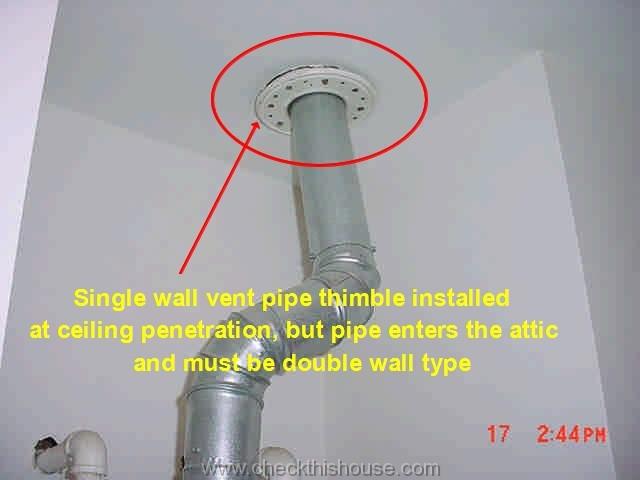
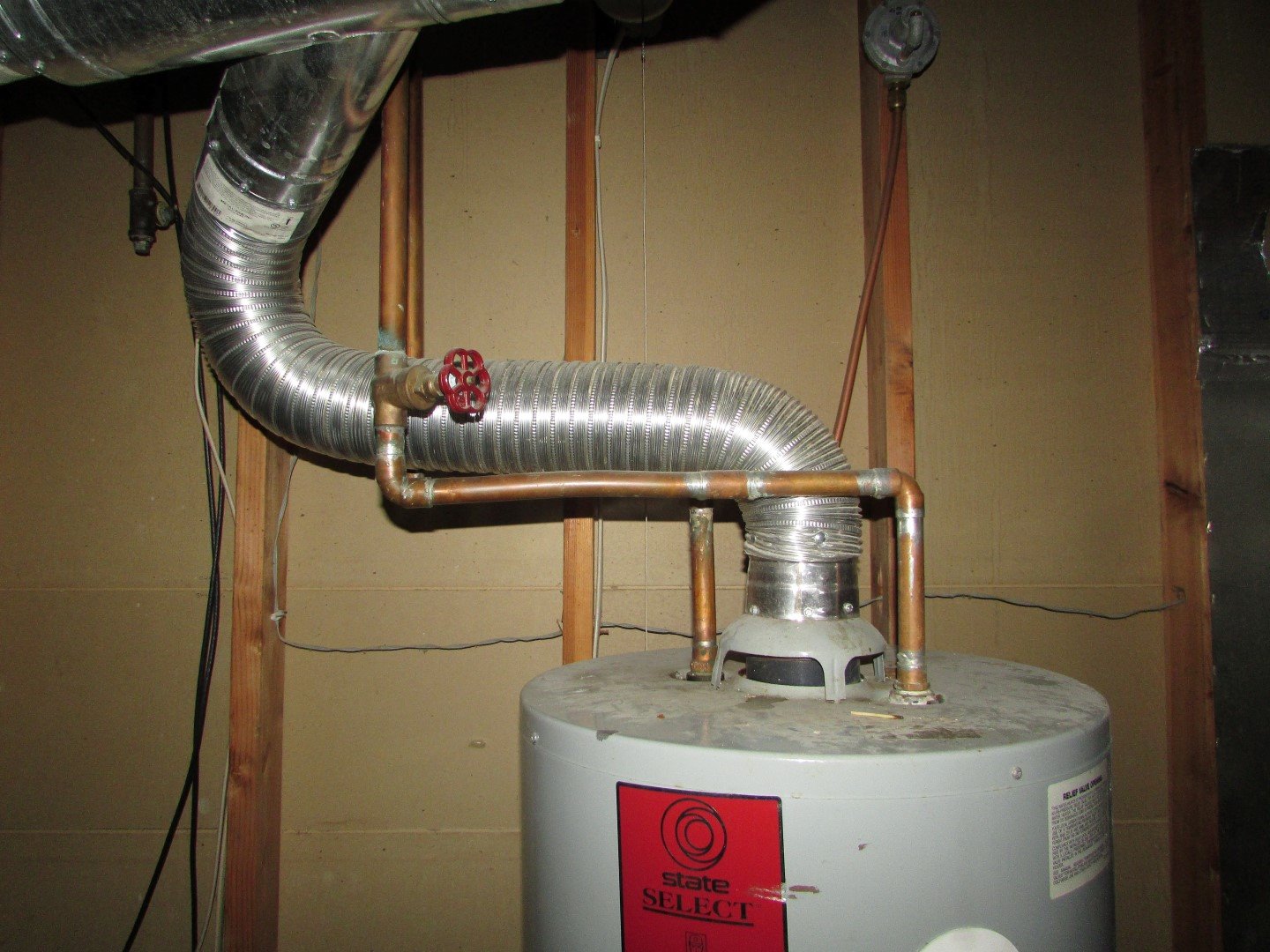
- Single-Wall Vent Pipe: Single-wall vent pipe is less expensive than double-wall but lacks the insulation and safety features. It is generally suitable only for venting appliances in open, non-combustible areas and may not meet current code requirements in many jurisdictions.
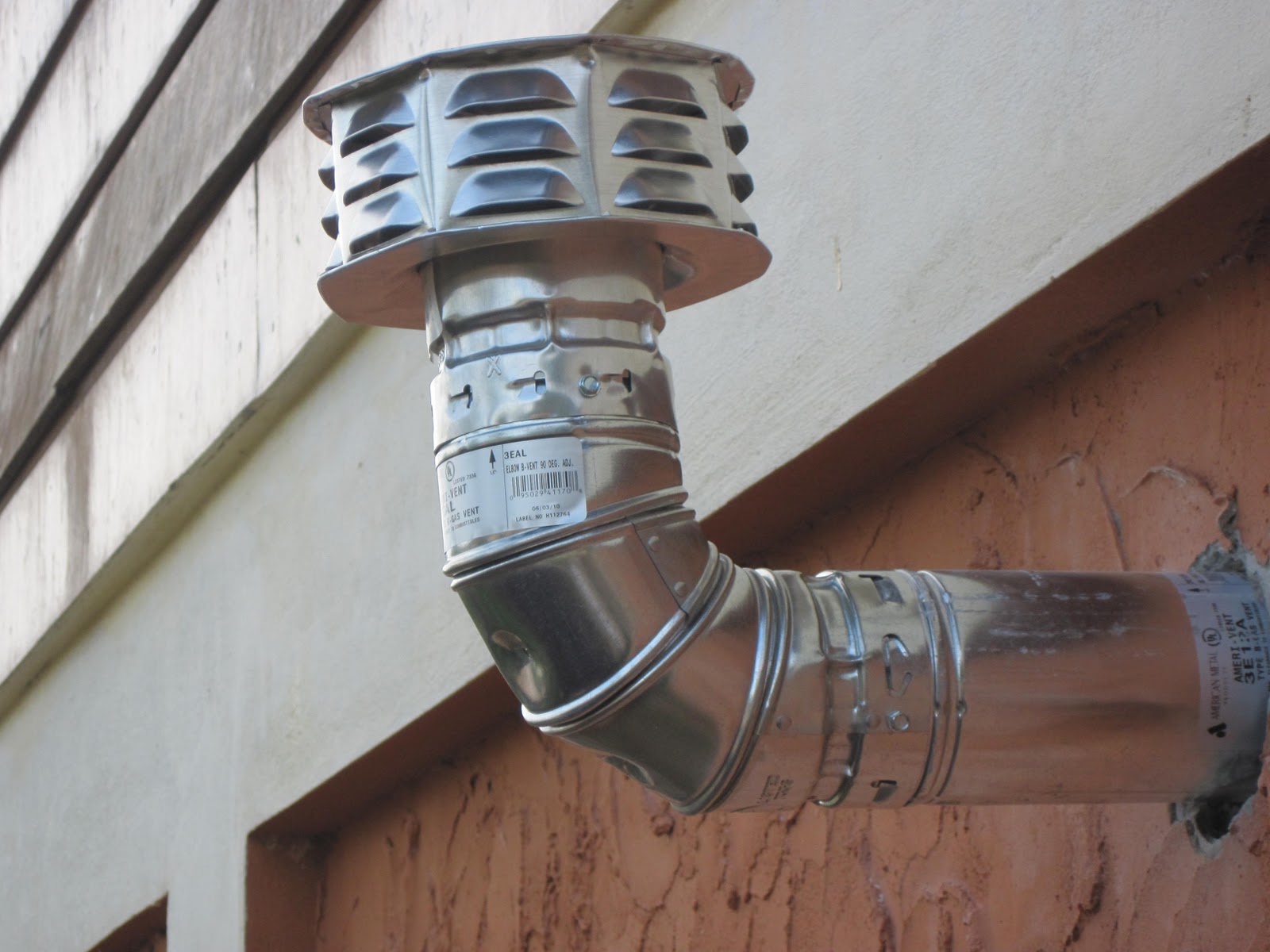
- Type B Vent: Type B vent is a double-wall venting system specifically designed for gas-fired appliances. It is similar to the double-wall vent pipe discussed in this article and often meets or exceeds safety standards. The term "Type B Vent" is often used interchangeably with "double-wall vent pipe."
- CPVC/PVC Vent: CPVC and PVC vent pipes are used for condensing appliances. Because of the low flue gas temperatures from condensing units, these plastic pipes can be safely used to vent the appliance. However, they are *not* suitable for non-condensing appliances due to the high flue temperatures.
Installation Considerations
Proper installation is crucial for the safe and efficient operation of any venting system. While some homeowners may be tempted to DIY the installation, it is generally recommended to hire a qualified HVAC professional, especially if you are not experienced with gas appliance venting. A professional will ensure that the venting system is installed according to manufacturer's specifications and local codes. Important installation considerations include:
- Clearance to Combustibles: Maintaining the proper clearance to combustible materials is essential to prevent fire hazards. Consult the manufacturer's instructions and local codes for specific clearance requirements.
- Proper Slope: The vent pipe should be sloped upwards towards the termination point to facilitate the natural flow of flue gases.
- Secure Connections: All connections must be secure and airtight to prevent leaks of combustion byproducts.
- Adequate Support: The vent pipe should be properly supported to prevent sagging or movement.
- Termination Point: The vent pipe must terminate in a location that allows for proper ventilation and prevents the re-entry of flue gases into the building.
- Carbon Monoxide Detectors: Regardless of the venting system used, it is essential to have working carbon monoxide detectors installed throughout your home.
Maintenance and Inspection
Regular maintenance and inspection are essential for ensuring the continued safe and efficient operation of your venting system. Schedule annual inspections with a qualified HVAC professional. During the inspection, the technician will check for:
- Corrosion: Look for signs of rust or corrosion on the vent pipe and fittings.
- Blockage: Check for obstructions within the vent pipe, such as nests, debris, or collapsed sections.
- Leaks: Inspect connections for leaks or gaps.
- Proper Slope: Ensure the vent pipe maintains the correct slope.
- Proper Support: Verify that the vent pipe is adequately supported.
Conclusion
Investing in a high-quality double-wall vent pipe is a smart choice for homeowners looking to enhance the safety, efficiency, and longevity of their gas-fired appliances. While it may be more expensive than single-wall options, the added safety features and reduced risk of corrosion make it a worthwhile investment. Remember to choose the correct size, material, and locking mechanism, and always prioritize professional installation to ensure the system operates safely and efficiently. By understanding the pros and cons, features, and installation requirements of double-wall vent pipe, you can make an informed decision and ensure the safe and reliable operation of your water heater and other gas appliances for years to come.