Water Heater Enclosure Door

Water heaters are essential appliances in residential and commercial buildings, providing hot water for various needs. Protecting these units is paramount, and a key component of that protection is the water heater enclosure door. This seemingly simple feature plays a critical role in safety, efficiency, and compliance. This article delves into the specifics of water heater enclosure doors, exploring their purpose, types, code compliance, and related career opportunities within the HVAC industry.
The Purpose of a Water Heater Enclosure Door
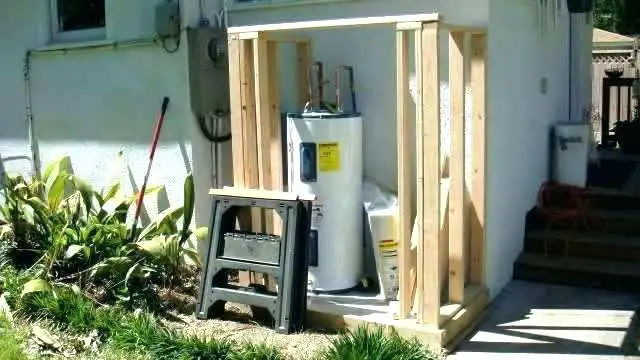
A water heater enclosure door serves several vital functions:
- Safety: It prevents accidental contact with the water heater and its potentially hot surfaces, mitigating burn risks, particularly for children and pets.
- Protection: It shields the water heater from physical damage, dust, and debris, extending its lifespan and maintaining operational efficiency.
- Code Compliance: Many building codes mandate enclosures and proper doors to ensure safety and prevent hazards like gas leaks or explosions, especially in confined spaces like garages or closets.
- Efficiency: It can contribute to slightly improved energy efficiency by reducing heat loss from the water heater to the surrounding environment, especially in uninsulated areas.
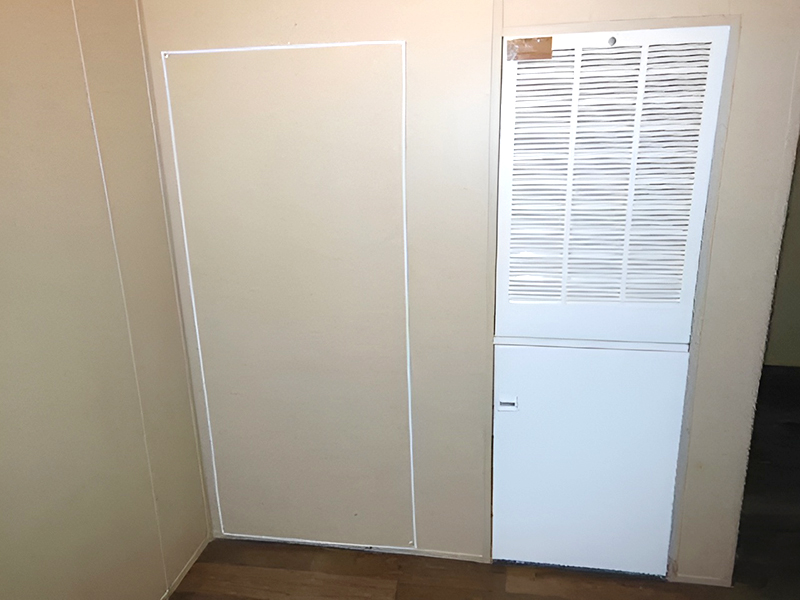
- Aesthetics: It conceals the water heater, providing a cleaner and more organized appearance in homes and businesses.
Types of Water Heater Enclosure Doors
Water heater enclosure doors come in various materials and designs to suit different requirements and preferences. Common types include:
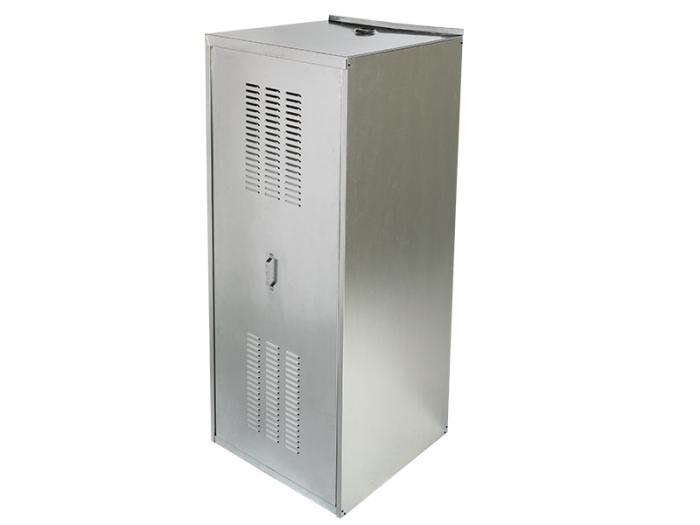
- Metal Doors: Often made of steel or aluminum, metal doors are durable, fire-resistant, and provide excellent protection. They are commonly used in commercial and industrial settings.
- Wood Doors: Wood doors offer a more aesthetically pleasing option for residential installations. They can be painted or stained to match the surrounding décor. However, they need to be fire-rated in some applications.
- Fiberglass Doors: Fiberglass doors are lightweight, corrosion-resistant, and relatively inexpensive. They are suitable for areas with high humidity or moisture.
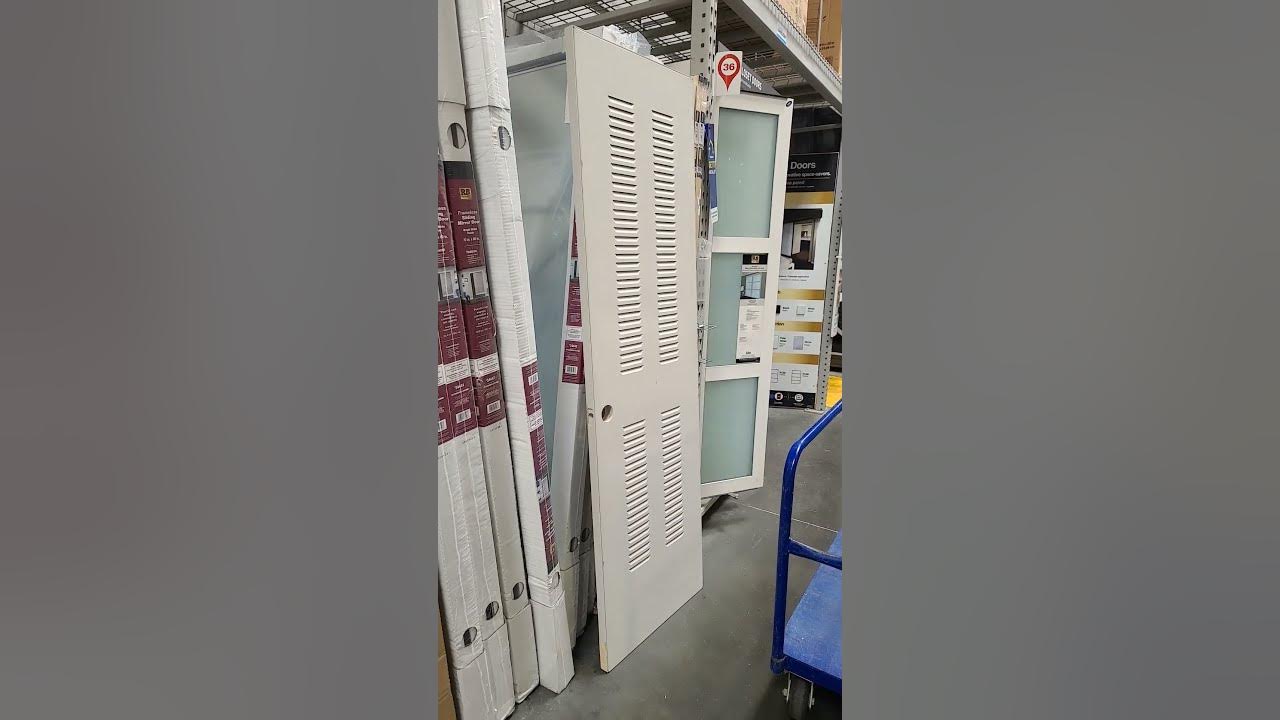
- Louvered Doors: Louvered doors feature angled slats that allow for ventilation. They are often used in enclosures that house gas-fired water heaters to ensure adequate combustion air.
- Solid Doors: Solid doors offer maximum protection and insulation. They are suitable for enclosures that require noise reduction or enhanced security.
The choice of door depends on factors such as the type of water heater (gas, electric, or propane), the location of the enclosure (garage, closet, or basement), and local building codes.
Code Compliance and Regulations
Water heater installations are governed by various codes and regulations to ensure safety and prevent hazards. The International Residential Code (IRC) and the Uniform Mechanical Code (UMC) are widely adopted in the United States and other regions. These codes specify requirements for water heater enclosures, including:
- Material Requirements: The enclosure and door must be constructed of approved materials that are resistant to fire and corrosion.
- Ventilation Requirements: Gas-fired water heaters require adequate ventilation to ensure proper combustion and prevent carbon monoxide buildup. This may involve louvered doors or ventilation openings.
- Clearance Requirements: Sufficient clearance must be maintained around the water heater for servicing and maintenance. The door must allow easy access to the unit.
- Seismic Restraints: In earthquake-prone areas, water heaters must be secured with seismic restraints to prevent them from tipping over during an earthquake. The enclosure and door should not impede the function of these restraints.
HVAC technicians must be knowledgeable about local building codes and regulations related to water heater installations and enclosures. Failure to comply with these codes can result in fines, delays, and potential safety hazards.
Career Paths in HVAC Related to Water Heater Enclosures
The HVAC industry offers a wide range of career opportunities related to water heater installations and maintenance, including those involving enclosure doors. Here are some examples:
HVAC Technician
HVAC technicians install, maintain, and repair heating, ventilation, and air conditioning systems, including water heaters. They must be proficient in reading blueprints, understanding wiring diagrams, and using specialized tools and equipment. A significant part of their job is ensuring water heaters are installed safely and according to code, which includes proper enclosure and door installation. According to the Bureau of Labor Statistics, the median annual wage for HVAC mechanics and installers was $59,620 in May 2023. The job outlook is projected to grow 6 percent from 2022 to 2032, about as fast as the average for all occupations.
Plumber
Plumbers specialize in installing and repairing water and drainage systems, including water heaters. They are responsible for connecting water lines, gas lines, and drain lines to the water heater. They must also ensure that the water heater enclosure and door are properly installed and compliant with local codes.
Building Inspector
Building inspectors ensure that construction projects comply with building codes and regulations. They inspect water heater installations to verify that they are safe and compliant with all applicable codes, including those related to enclosures and doors. Building inspectors typically need a background in construction, engineering, or architecture.
HVAC Sales Representative
HVAC sales representatives sell heating, ventilation, and air conditioning equipment, including water heaters. They must be knowledgeable about the different types of water heaters and their features, as well as the requirements for enclosures and doors. Strong communication and sales skills are essential for this role.
Certifications and Training
Several certifications and training programs can enhance your career prospects in the HVAC industry. Some relevant certifications include:
- North American Technician Excellence (NATE) Certification: NATE is a leading certification organization for HVAC technicians. Earning NATE certification demonstrates your knowledge and skills in specific areas of HVAC, such as water heater installation and maintenance.
- EPA Section 608 Certification: The Environmental Protection Agency (EPA) requires technicians who handle refrigerants to be certified under Section 608 of the Clean Air Act. While this certification is primarily related to air conditioning and refrigeration systems, it is often a prerequisite for working on any HVAC equipment.
- Certified Plumbing Professional (CPP): The Certified Plumbing Professional (CPP) certification validates a plumber's knowledge and abilities in the field. This can set them apart in the workforce.
- Vocational Training Programs: Many vocational schools and community colleges offer HVAC training programs that cover water heater installation, maintenance, and repair. These programs provide hands-on training and prepare students for entry-level positions in the industry.
- Apprenticeships: Apprenticeships offer a combination of on-the-job training and classroom instruction. They are a great way to learn the trade and earn a living at the same time.
Continuous learning is essential in the HVAC industry. Staying up-to-date with the latest technologies, codes, and regulations will help you advance your career and provide the best possible service to your customers.
Real-World Examples
Consider the following scenarios to illustrate the importance of water heater enclosure doors:
Scenario 1: Residential Installation
A homeowner installs a new gas-fired water heater in their garage. The local building code requires the water heater to be enclosed with a fire-rated door. The homeowner installs a solid wood door that is not fire-rated. During a routine inspection, the building inspector identifies the violation and requires the homeowner to replace the door with a fire-rated door to comply with the code. This illustrates the importance of understanding and adhering to local building codes.
Scenario 2: Commercial Installation
A commercial building owner installs a new electric water heater in a mechanical room. The water heater is located in an area accessible to employees and customers. To prevent accidental contact with the hot surfaces of the water heater, the owner installs a metal enclosure with a locking door. This ensures the safety of building occupants and reduces the risk of burns or injuries.
Industry Trends and Future Outlook
The HVAC industry is constantly evolving, with new technologies and trends emerging all the time. Some key trends related to water heaters include:
- Tankless Water Heaters: Tankless water heaters are becoming increasingly popular due to their energy efficiency and space-saving design. These units heat water on demand, eliminating the need for a storage tank.
- Heat Pump Water Heaters: Heat pump water heaters use electricity to transfer heat from the surrounding air to the water, making them more energy-efficient than traditional electric water heaters.
- Smart Water Heaters: Smart water heaters can be controlled remotely using a smartphone app. They can also be programmed to heat water during off-peak hours, saving energy and money.
- Hybrid Water Heaters: Hybrid water heaters combine the features of tankless and tank-type water heaters. They offer the benefits of both types, such as on-demand hot water and energy efficiency.
The demand for skilled HVAC technicians is expected to remain strong in the coming years, driven by factors such as population growth, increasing construction activity, and the need to replace aging HVAC systems. As energy efficiency and sustainability become increasingly important, the demand for technicians with expertise in energy-efficient water heaters and other green technologies will also increase.
Conclusion
The water heater enclosure door is a seemingly small component with significant implications for safety, efficiency, and code compliance. HVAC professionals must understand the different types of doors, their purpose, and the relevant codes and regulations. By staying up-to-date with the latest technologies and trends, you can enhance your career prospects and contribute to a safer and more sustainable built environment. Whether you're a student, a seasoned technician, or an employer, understanding the nuances of water heater enclosure doors is an investment in a successful and responsible future for the HVAC industry.