Water Heater Gas Line Sediment Trap

Understanding the intricacies of HVAC systems is crucial for success in this rapidly evolving field. One often overlooked, yet critically important, component is the sediment trap on a gas-fired water heater. This article will delve into the purpose, installation, and importance of sediment traps, offering insights for students, seasoned technicians, and employers alike.
What is a Water Heater Gas Line Sediment Trap?
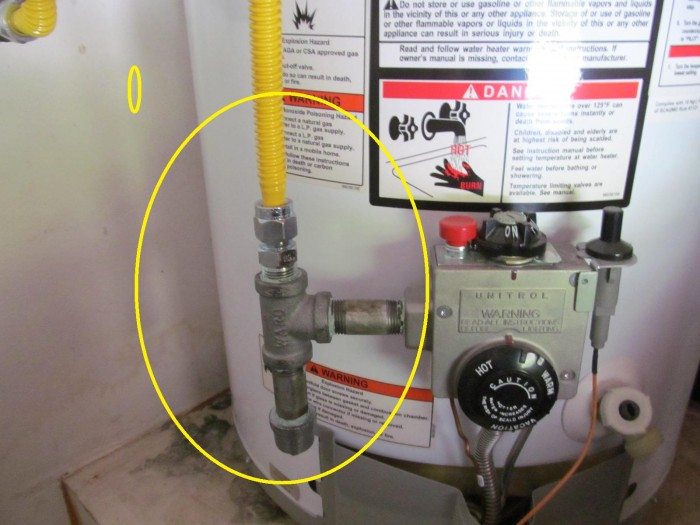
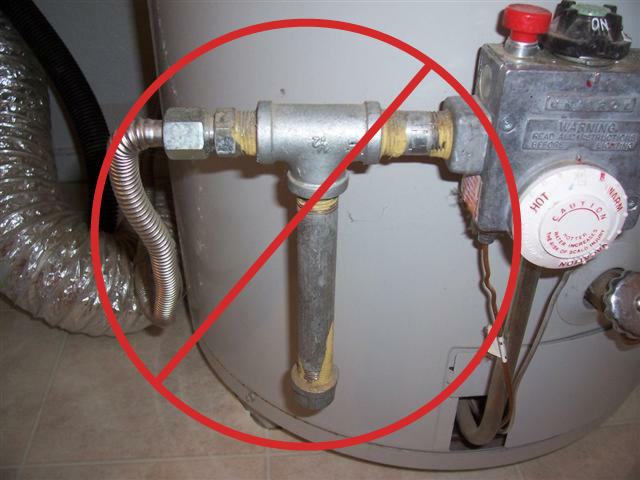
A sediment trap, also known as a drip leg, is a short, capped section of pipe installed vertically in the gas supply line leading to a gas-fired appliance, most commonly a water heater. Its primary function is to capture any sediment, debris, or moisture present in the gas line, preventing it from entering the appliance's gas valve and burner assembly. This simple device can significantly extend the lifespan and improve the efficiency of the water heater.
Why are Sediment Traps Important?
The gas supplied to homes and businesses, while generally clean, can contain trace amounts of contaminants like rust, scale, pipe dope, and even moisture. Without a sediment trap, these contaminants would eventually accumulate within the water heater's gas valve, leading to:
- Reduced Gas Flow: Sediment buildup can restrict the flow of gas, causing the burner to operate inefficiently and potentially leading to incomplete combustion.
- Pilot Light Issues: A clogged pilot light orifice is a common symptom of sediment in the gas line.
- Gas Valve Failure: Over time, sediment can damage the delicate internal components of the gas valve, requiring costly repairs or replacement.
- Safety Hazards: Incomplete combustion can produce carbon monoxide (CO), a dangerous, odorless gas.
Proper Installation of a Sediment Trap: A Step-by-Step Guide
Correct installation is paramount for a sediment trap to function effectively. Here's a general overview. Always consult local codes and the manufacturer's instructions for specific requirements:
- Location: The sediment trap must be installed as close as possible to the water heater's gas valve inlet, before any flexible gas connectors.
- Orientation: It should be installed vertically, extending downwards from a tee fitting in the horizontal gas supply line.
- Materials: Use the same type of piping material as the existing gas line (typically black iron or steel).
- Length: The vertical section of the sediment trap should be at least 3 inches long. Some codes require it to be longer. Check your local codes.
- Capping: The bottom of the sediment trap must be capped with a threaded cap, allowing for easy cleaning.
- Sealing: Use a gas-rated pipe thread sealant (pipe dope) on all threaded connections.
- Testing: After installation, test all connections for leaks using a gas leak detector or a soap solution.
Important Note: Working with gas lines can be dangerous. If you are not a qualified and licensed professional, do not attempt to install or modify gas piping. Always consult a licensed HVAC technician or plumber.
Career Opportunities in HVAC: The Importance of Gas Line Expertise
The HVAC industry offers a wide range of career paths, and expertise in gas line installation and maintenance is highly valued. According to the Bureau of Labor Statistics, the median annual wage for HVACR technicians was $51,390 in May 2022. The job outlook is projected to grow 6 percent from 2022 to 2032, about as fast as the average for all occupations. This growth is driven by the increasing demand for energy-efficient HVAC systems and the need to replace aging equipment.
Here are some common career paths for HVAC professionals with gas line expertise:
- HVAC Technician: Installs, maintains, and repairs heating, ventilation, air conditioning, and refrigeration systems.
- HVAC Installer: Specializes in the installation of new HVAC systems, including gas piping.
- HVAC Service Technician: Focuses on diagnosing and repairing malfunctioning HVAC equipment.
- HVAC Sales Engineer: Designs and sells HVAC systems to commercial and industrial clients.
- HVAC Contractor: Owns and operates an HVAC business, overseeing projects and managing technicians.
Salaries and Career Progression
Entry-level HVAC technicians typically start with an apprenticeship or vocational training program. As they gain experience and obtain certifications, their earning potential increases significantly. Here's a general overview of salary ranges:
- Entry-Level Technician (0-2 years experience): $35,000 - $45,000 per year
- Mid-Level Technician (3-5 years experience): $45,000 - $60,000 per year
- Senior Technician (5+ years experience): $60,000 - $80,000+ per year
- HVAC Contractor: Earning potential varies widely depending on the size and success of the business.
Certifications: Enhancing Your Credentials and Earning Potential
Obtaining industry-recognized certifications can significantly enhance your credentials and earning potential as an HVAC professional. Some of the most valuable certifications include:
- NATE (North American Technician Excellence): NATE certification is a widely recognized standard of excellence in the HVAC industry. It demonstrates a technician's knowledge and skills in specific areas, such as gas heating, air conditioning, and refrigeration.
- EPA 608 Certification: Required for technicians who handle refrigerants. There are different types of EPA 608 certifications depending on the type of equipment being serviced.
- HVAC Excellence: Another respected certification organization that offers various certifications for HVAC technicians.
- State and Local Licenses: Many states and municipalities require HVAC technicians to be licensed. Licensing requirements vary by location.
Investing in certifications not only improves your technical skills but also demonstrates your commitment to professionalism and quality, making you a more valuable asset to employers.
Sediment Trap Maintenance: Keeping Systems Running Smoothly
Regular maintenance is essential to ensure the long-term performance of a sediment trap. The recommended maintenance schedule depends on factors such as the age of the gas piping and the quality of the gas supply. Generally, sediment traps should be inspected and cleaned annually. Here's how to clean a sediment trap:
- Turn off the gas supply to the water heater.
- Carefully unscrew the cap at the bottom of the sediment trap.
- Remove any accumulated sediment, debris, or moisture.
- Reinstall the cap, ensuring a tight seal.
- Turn the gas supply back on and test for leaks.
Properly maintaining the sediment trap can prevent costly repairs and extend the life of the water heater.
The Future of HVAC: Embracing New Technologies
The HVAC industry is constantly evolving, with new technologies emerging regularly. Some of the key trends shaping the future of HVAC include:
- Smart HVAC Systems: Smart thermostats and connected HVAC systems allow for remote monitoring and control, optimizing energy efficiency and comfort.
- High-Efficiency Equipment: Manufacturers are developing increasingly efficient HVAC equipment to meet stricter energy standards and reduce carbon emissions.
- Renewable Energy Integration: Solar thermal and geothermal energy are being integrated into HVAC systems to reduce reliance on fossil fuels.
- Advanced Diagnostics: Technicians are using advanced diagnostic tools, such as infrared cameras and ultrasonic leak detectors, to quickly identify and resolve problems.
Real-World Example: From Apprentice to HVAC Business Owner
Consider the story of Maria, who started her HVAC career as an apprentice at a local company. She dedicated herself to learning the trade, mastering skills like gas line installation, refrigerant handling, and electrical troubleshooting. She obtained her NATE certification and her state HVAC license. After several years of experience, she decided to start her own HVAC business. Her deep understanding of HVAC systems, combined with her business acumen, allowed her to build a successful company that provides high-quality service to residential and commercial clients. Maria's story is a testament to the opportunities available in the HVAC industry for those who are willing to work hard and continuously learn.
Conclusion
The sediment trap, while a seemingly small component, plays a vital role in the proper functioning and longevity of gas-fired water heaters. For HVAC students, apprentices, and experienced technicians, understanding its purpose, installation, and maintenance is essential for providing quality service and ensuring customer satisfaction. For employers, hiring skilled workers with expertise in gas line installation and safety is crucial for maintaining a reputable and successful business. As the HVAC industry continues to evolve, embracing new technologies and prioritizing ongoing training will be key to success.