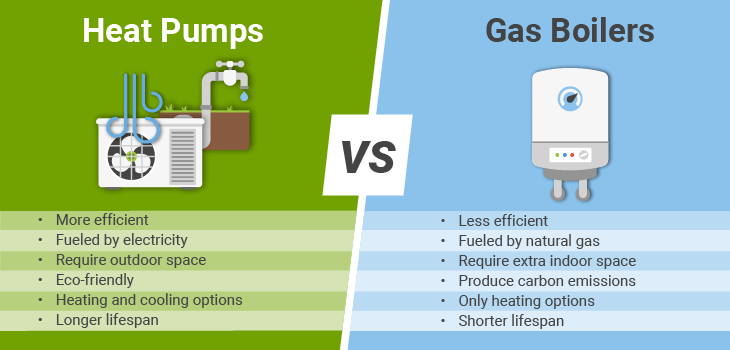
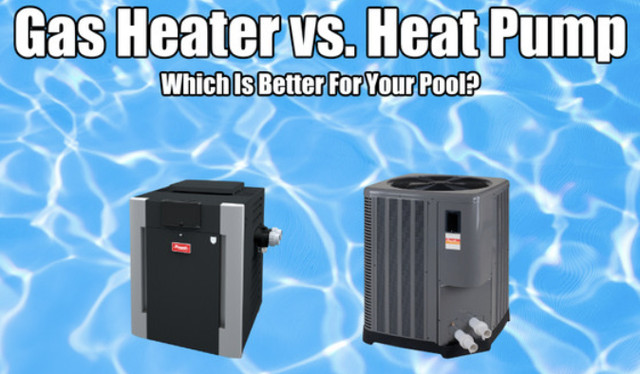
Water Heater Heat Pump Vs Gas
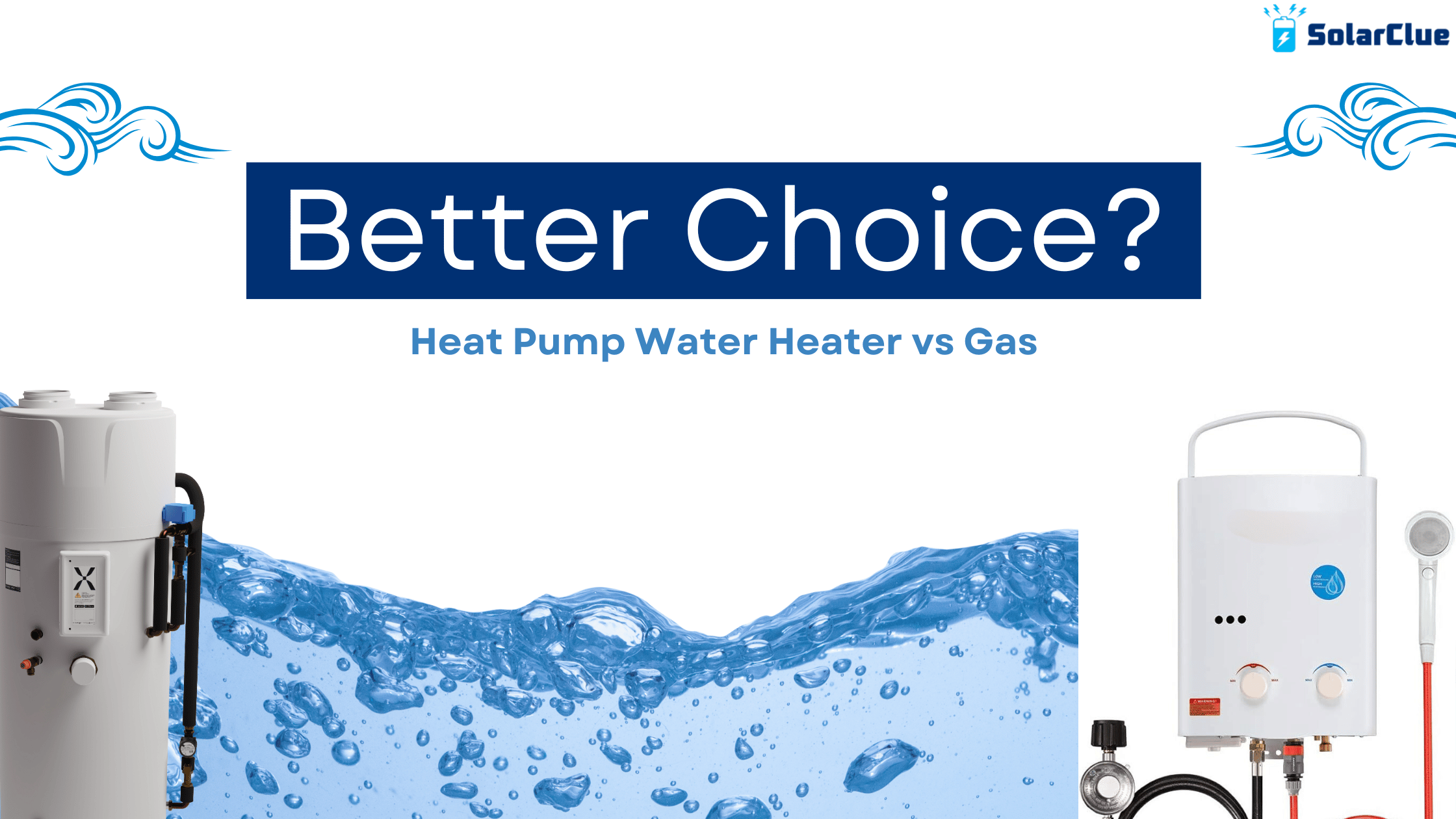
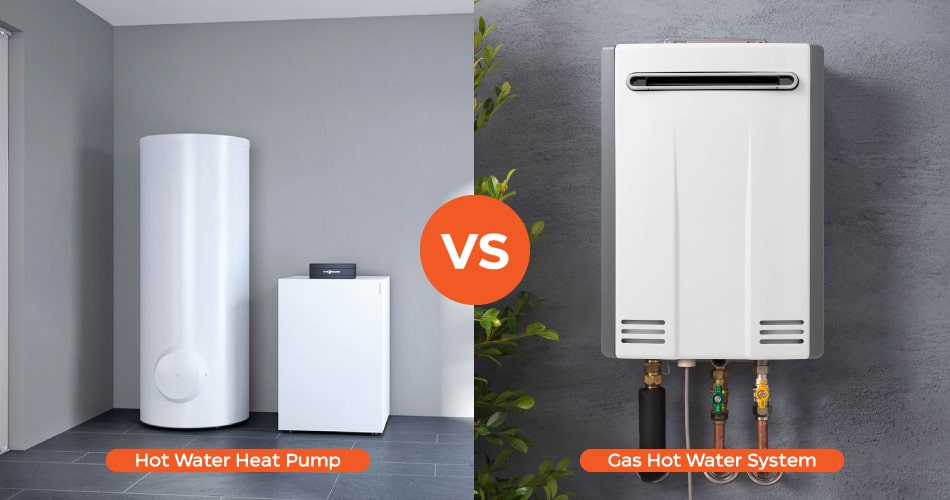
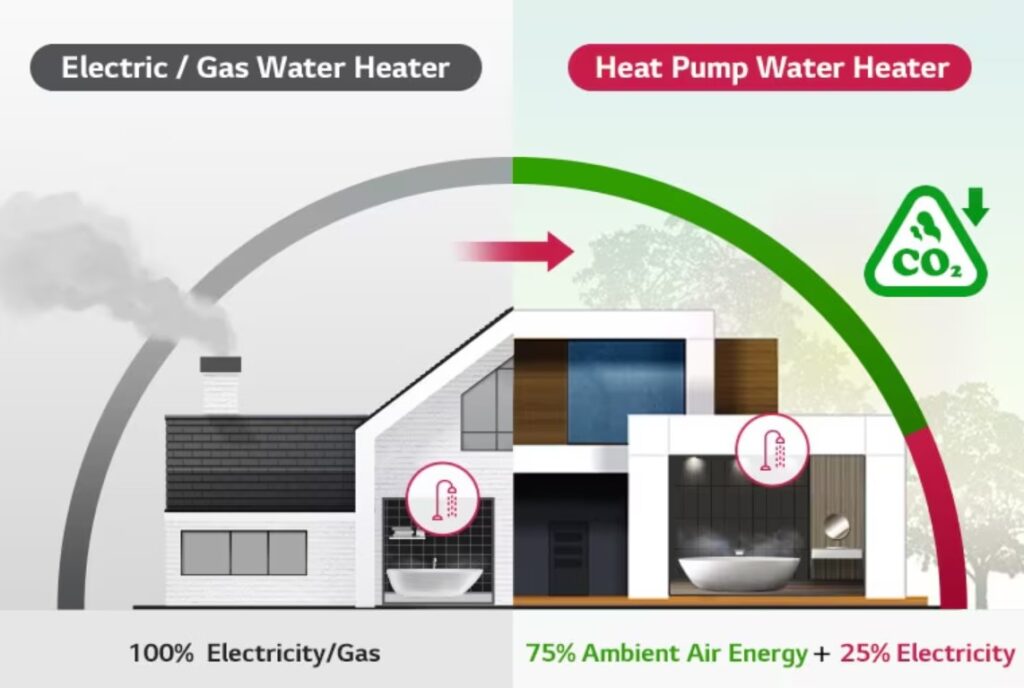
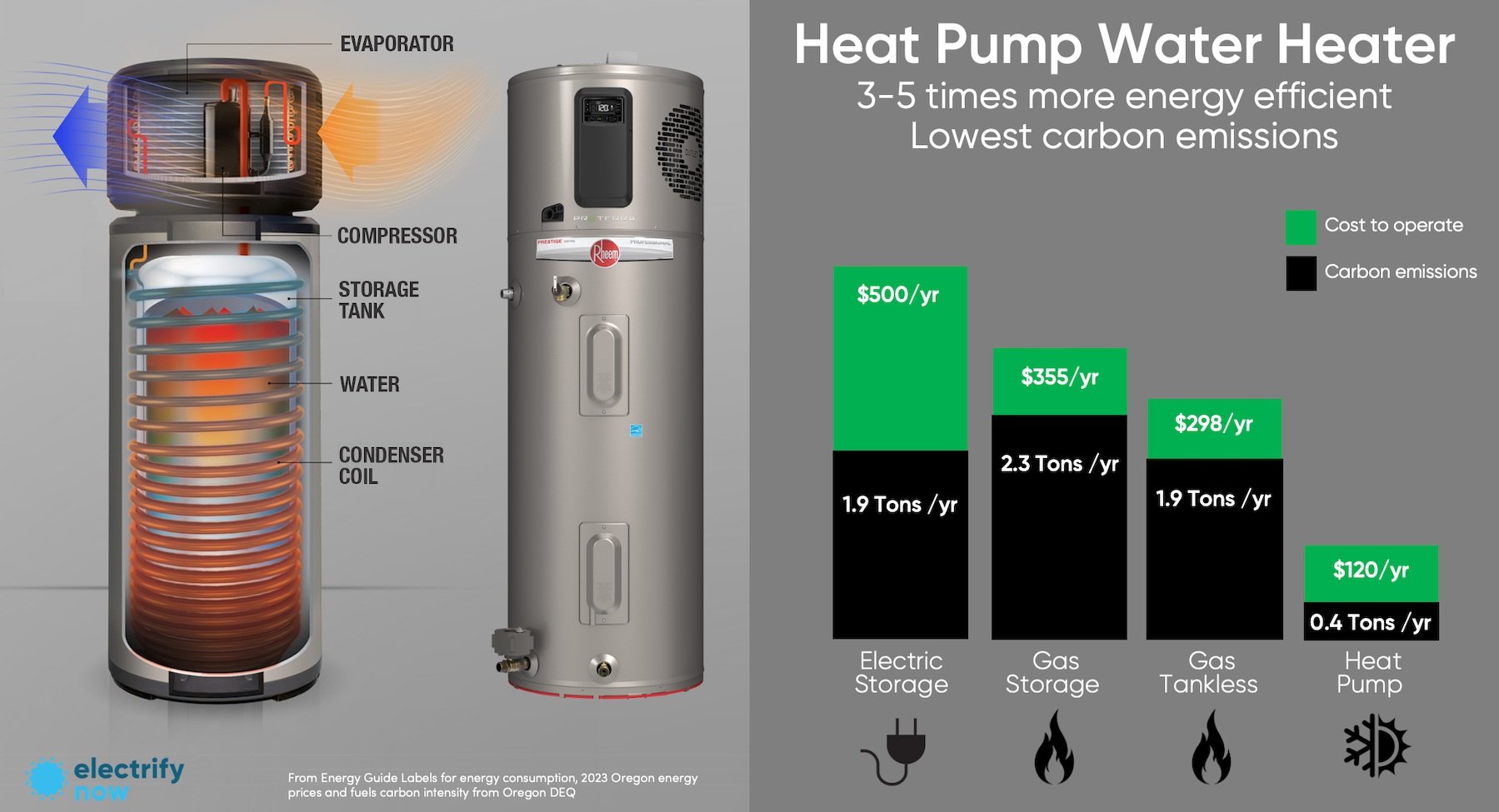
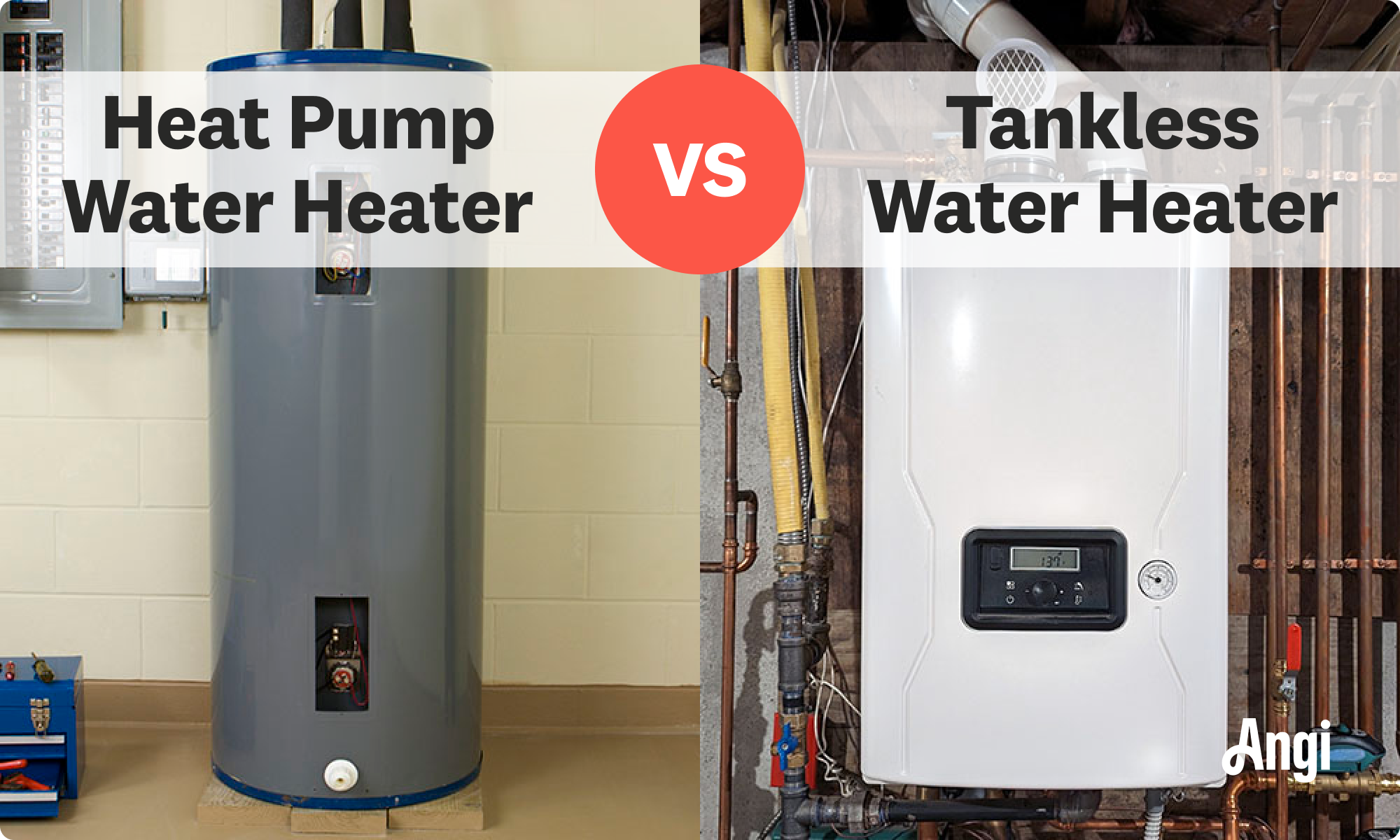
Waking up to a cold shower is a homeowner's nightmare. When your hot water vanishes, the culprit could be your water heater. Whether you have a heat pump or a gas-powered unit, understanding the basics of troubleshooting can save you time, money, and a chilly start to your day. This guide will walk you through common problems, diagnostic steps, and simple fixes, helping you determine when it's time to call a professional.
Common Problem: No Hot Water
Let's start with the most common and frustrating issue: absolutely no hot water. Before you panic, systematically investigate. It's easy to jump to conclusions, but a methodical approach will lead to the quickest solution.
Step 1: Check the Obvious – Power and Gas Supply
This may seem trivial, but it's the first and often overlooked step. For both heat pump and gas water heaters:
- Circuit Breaker (Heat Pump): Go to your electrical panel and check the circuit breaker dedicated to the water heater. Is it tripped (in the "off" or middle position)? If so, flip it completely off, then back on. If it trips again immediately, do not continue trying to reset it. This could indicate a serious electrical fault, and you need to call an electrician immediately.
- Gas Supply (Gas Heater): Check that the gas supply valve to the water heater is fully open. It's usually a lever or handle on the gas pipe leading directly to the unit. Make sure it's parallel with the pipe. Also, check that other gas appliances are working (stove, furnace). If none are working, there might be a problem with your main gas line, in which case contact your gas company. Do not attempt to fix a gas line issue yourself.
If the circuit breaker is fine and the gas valve is open, proceed to the next steps.
Step 2: Heat Pump Water Heater – Check the Display and Error Codes
Heat pump water heaters are generally more sophisticated than gas heaters, offering diagnostic information on a display panel. Consult your owner's manual for specific error codes, but here are some common troubleshooting steps:
- Error Codes: Write down any error codes displayed. The owner's manual will provide explanations and possible solutions. Common codes relate to compressor issues, refrigerant leaks, or sensor malfunctions.
- Operating Mode: Verify the operating mode. Many heat pump water heaters have different modes (e.g., "Heat Pump Only," "Hybrid," "Electric Resistance Only"). Ensure it's in a mode that should be actively heating water. "Vacation" mode, for example, may prevent heating.
- Airflow: Check for obstructions around the air inlet and outlet vents. Heat pump water heaters need good airflow to function efficiently. Blocked vents can lead to overheating and shutdown. Clear any debris, dust, or obstructions.
- Filter: Some heat pump models have an air filter that needs periodic cleaning. A dirty filter restricts airflow, reducing efficiency and potentially causing the unit to shut down. Consult your owner's manual to locate and clean the filter.
If, after these steps, the heat pump is still not producing hot water, and especially if you have a complex error code, it's time to call a qualified HVAC technician.
Step 3: Gas Water Heater – Check the Pilot Light (If Applicable)
Many older gas water heaters have a pilot light. If the pilot light is out, the main burner won't ignite.
- Locate the Pilot Light Assembly: This is usually near the bottom of the tank, often behind a small panel. Consult your owner's manual for the exact location.
- Follow Lighting Instructions: Most water heaters have instructions printed directly on the unit. Carefully follow these instructions to relight the pilot light. Typically, you'll need to turn a knob to the "Pilot" position, press and hold a button to release gas, and use a spark igniter or match to light the pilot. Be extremely careful when working with gas.
- Pilot Light Won't Stay Lit: If the pilot light lights but goes out as soon as you release the button, there might be a problem with the thermocouple (a safety device that senses the pilot light flame). This is a common issue. While you can technically replace the thermocouple yourself, it's often best left to a professional, especially if you're not comfortable working with gas.
- Newer Models with Electronic Ignition: If your gas water heater has electronic ignition (no pilot light), you'll likely hear a clicking sound as it attempts to ignite. If it fails to ignite, there could be a problem with the igniter, gas valve, or control board. These issues typically require professional repair.
If you smell gas at any time, immediately evacuate the area and call your gas company.
Step 4: Check the Thermostat Setting
For both heat pump and gas water heaters, ensure the thermostat is set to an appropriate temperature. A setting that's too low will obviously result in lukewarm or cold water. A setting that's too high can be dangerous (scalding) and waste energy.
- Location: The thermostat is usually located behind an access panel on the side of the tank.
- Adjusting the Temperature: Use a screwdriver or dial to adjust the temperature. A comfortable and energy-efficient setting is typically around 120°F (49°C).
- Digital Thermostats: Some newer models have digital thermostats with more precise temperature control.
If the thermostat is set correctly and you're still not getting hot water, the thermostat itself might be faulty. Replacing a thermostat is a relatively simple DIY project for many gas heaters (after turning off the gas and water!), but can be more complicated and best left to professionals for heat pumps.
Problem: Not Enough Hot Water
Another common complaint is getting some hot water, but not enough to meet your needs – for example, a short shower or not enough for a full load of laundry.
Step 1: Check for Simultaneous Usage
The most obvious cause is simply using more hot water than the heater can supply at once. Are you running the dishwasher, washing machine, and taking a shower simultaneously? Try staggering your hot water usage to see if that resolves the problem.
Step 2: Sediment Buildup (Tank Heaters – Both Gas and Heat Pump)
Over time, sediment (mineral deposits) can accumulate in the bottom of the water heater tank. This sediment reduces the tank's capacity and insulates the water from the burner or heating element, making it less efficient.
- Flushing the Tank: Flushing the tank is a relatively simple DIY task that can significantly improve performance. Consult your owner's manual for specific instructions, but the general process involves:
- Turning off the power or gas to the water heater.
- Turning off the cold water supply to the heater.
- Connecting a garden hose to the drain valve at the bottom of the tank.
- Running the hose to a safe location (e.g., a floor drain or outside).
- Opening the drain valve to flush out the sediment.
- Repeat until the water runs clear.
Be careful when draining hot water.
Step 3: Dip Tube Issues (Tank Heaters)
The dip tube is a pipe inside the tank that carries cold water to the bottom of the tank to be heated. If the dip tube is cracked or broken, cold water can mix with the hot water at the top of the tank, reducing the overall temperature and available hot water. This is less common in newer heaters.
- Symptoms: Feeling warm, then cold, then warm again while using hot water.
- Diagnosis: Requires disconnecting the cold water supply line and inspecting the dip tube. This is usually best left to a professional, as it involves working with plumbing connections and potentially lifting the water heater itself.
Step 4: Undersized Water Heater
If you consistently run out of hot water despite staggering your usage and flushing the tank, your water heater may simply be too small for your household's needs. This is especially common if you've recently added family members or appliances that use a lot of hot water. Upgrading to a larger tank or a tankless water heater might be necessary. Consult with a plumber to determine the appropriate size for your needs.
Problem: Leaking Water Heater
A leaking water heater is a serious problem that can cause water damage to your home. Address it immediately.
Step 1: Identify the Source of the Leak
Carefully inspect the water heater to determine where the water is coming from. Common leak locations include:
- Connections: Around the water inlet and outlet pipes, the pressure relief valve, or the drain valve.
- Tank: Cracks or rust on the tank itself.
- Pressure Relief Valve: This valve is designed to release pressure if it gets too high. A small amount of water discharge is normal during heating cycles, but a constant leak indicates a problem.
Step 2: Tighten Connections (If Applicable)
If the leak is coming from a connection, try tightening the fitting with a wrench. Be careful not to overtighten, as this can damage the threads. If tightening doesn't stop the leak, you may need to replace the fitting or apply Teflon tape to the threads.
Step 3: Pressure Relief Valve Issues
If the pressure relief valve is leaking, try lifting and releasing the lever on the valve a few times. This may dislodge any debris that's preventing it from sealing properly. If the valve continues to leak, it needs to be replaced. This is a relatively simple DIY project, but turn off the water supply and power/gas to the heater first.
Step 4: Tank Leaks
If the leak is coming from the tank itself, the water heater needs to be replaced. There's no reliable way to repair a leaking tank. Turn off the water supply and power/gas to the heater to prevent further damage and call a plumber immediately.
When to Call a Professional
While many water heater problems can be diagnosed and fixed by homeowners, there are certain situations where professional help is essential:
- Gas Leaks: If you smell gas at any time, evacuate the area and call your gas company immediately.
- Electrical Issues: If the circuit breaker trips repeatedly, or if you suspect any electrical problems, call an electrician.
- Complex Error Codes: If your heat pump water heater displays error codes that you don't understand or can't resolve with the owner's manual, call an HVAC technician.
- Tank Leaks: A leaking water heater tank needs to be replaced by a qualified plumber.
- Working with Gas Lines: Any work involving gas lines should be performed by a licensed gas fitter.
- Refrigerant Issues (Heat Pumps): If you suspect a refrigerant leak in your heat pump water heater, call an HVAC technician.
- You're Uncomfortable: If you're not comfortable working with gas, electricity, or plumbing, it's always best to call a professional.
By following these troubleshooting steps, you can diagnose and fix many common water heater problems. Remember to prioritize safety and call a professional when necessary. With a little knowledge and effort, you can keep your hot water flowing smoothly.