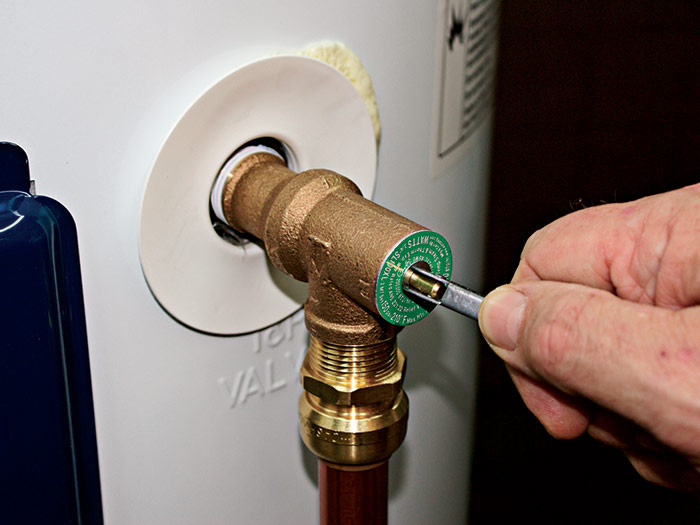
Water Heater Leaking From Drain Valve
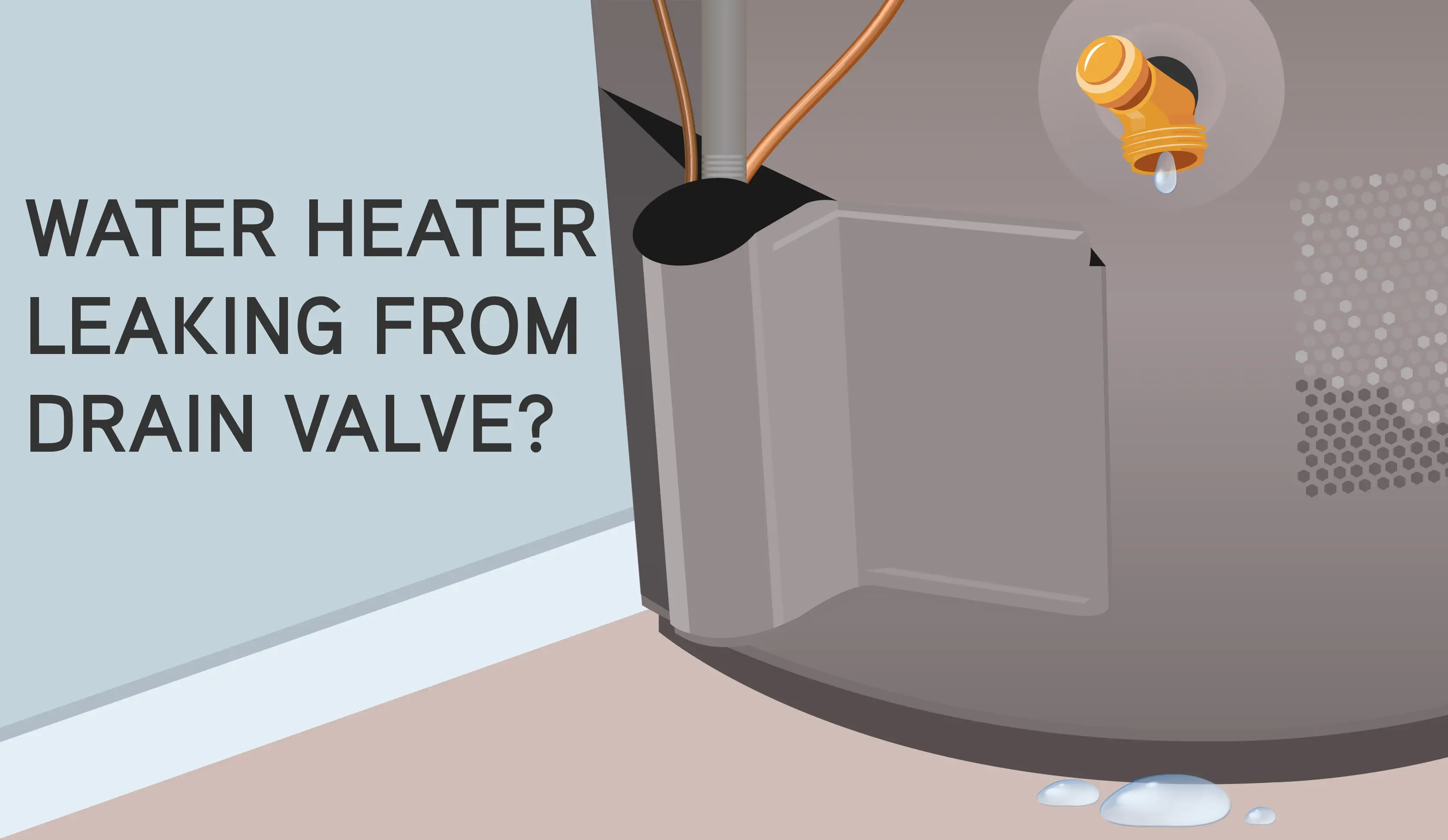
Water Heater Leaking From Drain Valve: Troubleshooting, Repair, and Replacement Guide
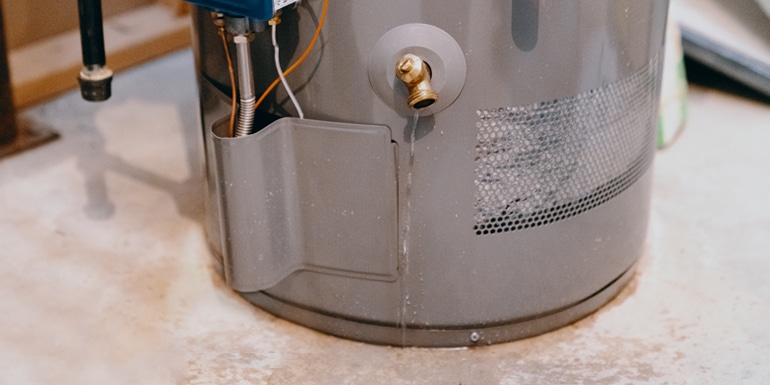
Discovering a leak from your water heater's drain valve can be a homeowner's nightmare. It signals potential problems that, if left unattended, can lead to water damage, increased energy bills, and even premature water heater failure. This comprehensive guide will walk you through the common causes of a leaking drain valve, troubleshooting steps, repair options, and when it's time to consider a complete water heater replacement.
Understanding the Water Heater Drain Valve
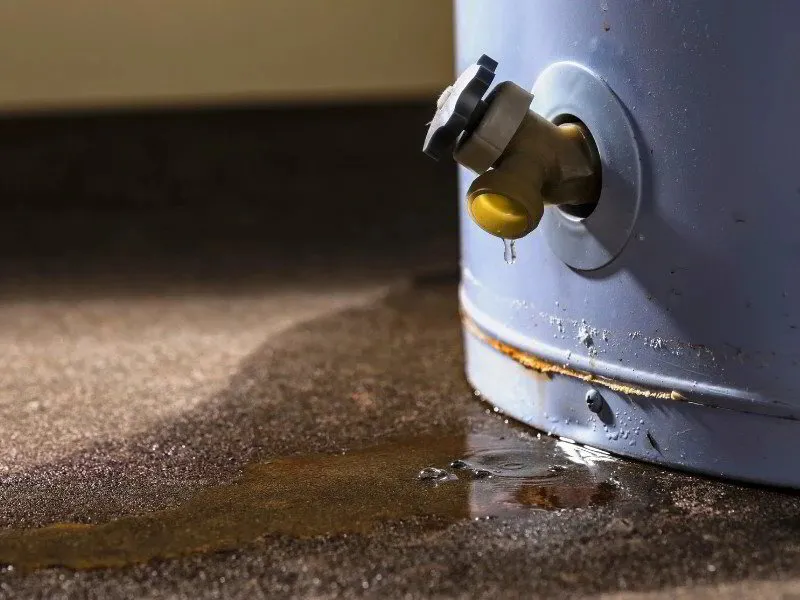
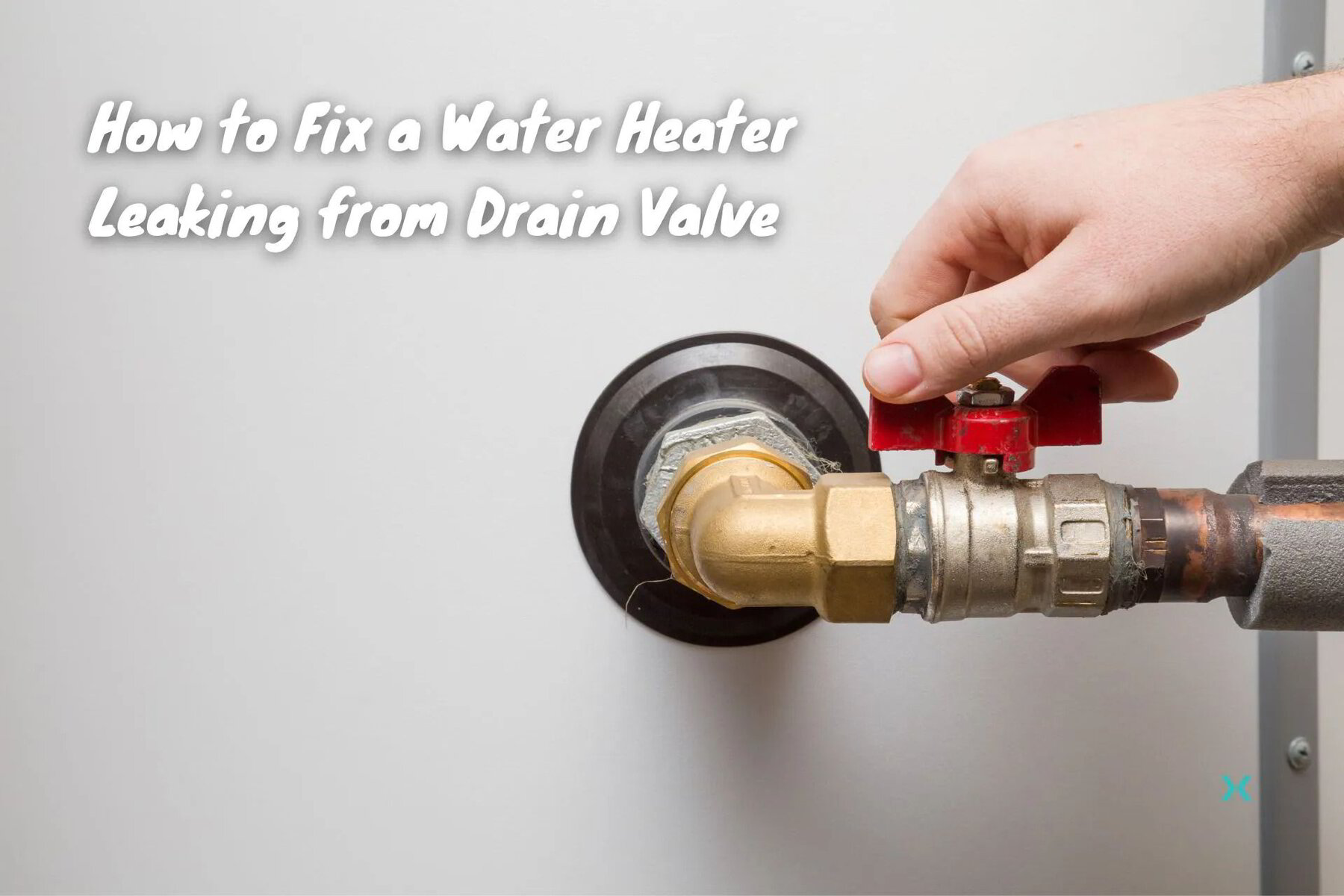
The drain valve, typically located at the bottom of your water heater, serves a crucial purpose. It allows you to drain the tank for sediment removal, maintenance, or when the unit needs to be shut down for repairs. A properly functioning drain valve is essential for the longevity and efficiency of your water heater. Most drain valves are made of plastic, though some older models feature brass valves. Plastic valves, while more affordable, are more prone to cracking and leaking over time.
Common Causes of a Leaking Drain Valve
Several factors can contribute to a leaking drain valve. Identifying the root cause is the first step towards resolving the issue:
- Sediment Buildup: Over time, sediment from hard water can accumulate in the bottom of the tank and interfere with the valve's sealing mechanism. This is one of the most common causes.
- Corrosion: Mineral deposits and hard water can corrode the valve, especially in older units.
- Loose Connection: The valve might simply be loose. Check the connection between the valve and the tank.
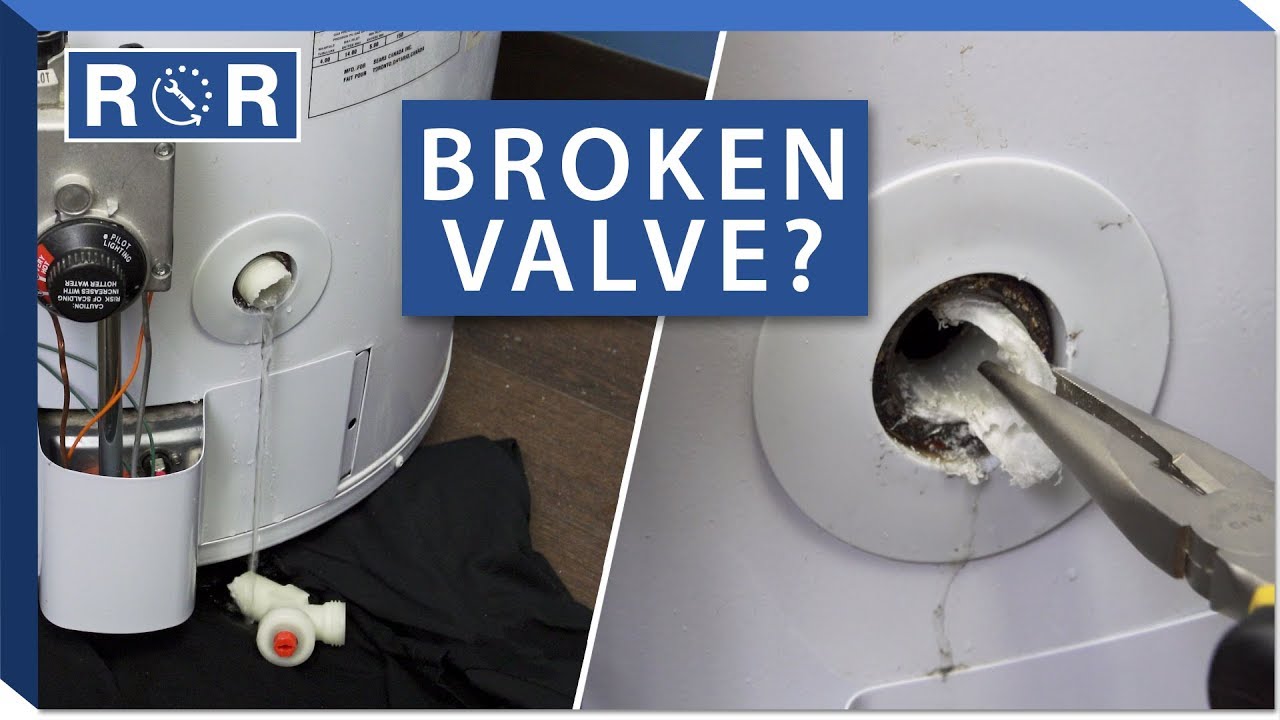
- Cracked or Damaged Valve: Physical damage or wear and tear can lead to cracks in the valve body, resulting in leaks. Plastic valves are particularly susceptible to this.
- Worn-Out Washer: Inside the valve, a rubber washer provides a seal. This washer can deteriorate over time, leading to leaks.
Troubleshooting a Leaking Drain Valve
Before calling a plumber, try these troubleshooting steps:
- Inspect the Valve: Carefully examine the valve for any visible cracks or damage.
- Tighten the Connection: Using a wrench, gently tighten the valve connection to the tank. Be careful not to overtighten, as this could damage the valve or the tank.
- Flush the Tank: If sediment buildup is suspected, flush the tank to remove debris. Connect a hose to the drain valve and run the water until it clears. This can sometimes dislodge sediment that is interfering with the seal.
- Check the Washer: If the leak persists after flushing, the washer might be the culprit. Replacing the washer is a relatively simple repair.
Repairing a Leaking Drain Valve
Depending on the cause of the leak, you have a few repair options:
- Tightening the Valve: As mentioned earlier, gently tightening the valve might be all it takes to stop the leak.
- Replacing the Washer: This is a common repair. Turn off the water supply to the water heater and drain the tank partially. Disassemble the valve and replace the old washer with a new one of the same size and type.
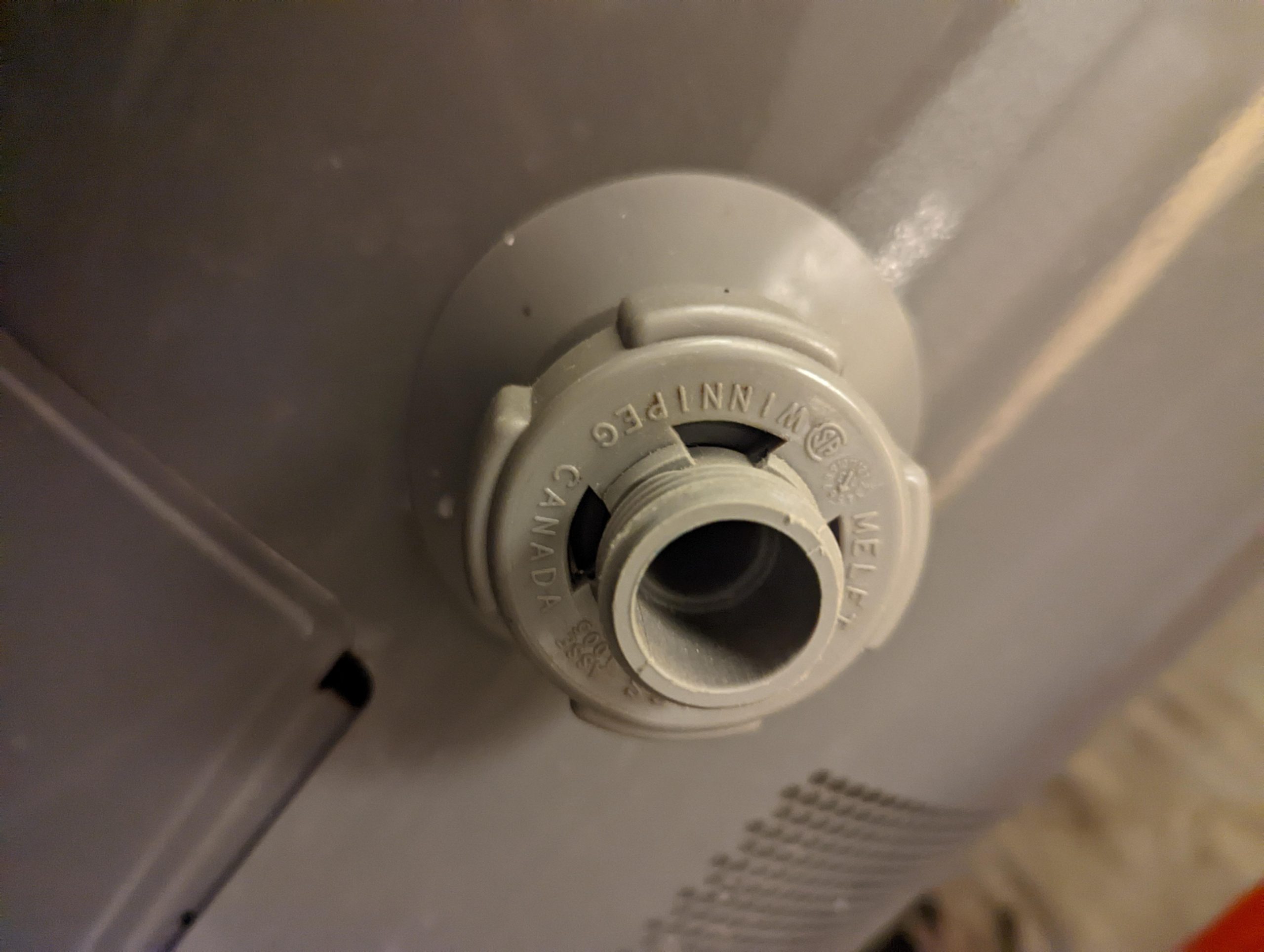
- Replacing the Drain Valve: If the valve is cracked or severely corroded, replacing it is the best option. This involves draining the tank completely, unscrewing the old valve, and installing a new one. Ensure the new valve is compatible with your water heater model. Using Teflon tape on the threads will help ensure a watertight seal.
Important Safety Note: Always turn off the power to the water heater (either at the breaker or the gas valve) before attempting any repairs. If you are not comfortable working with plumbing or electrical components, it's best to call a qualified plumber.
When to Consider Water Heater Replacement
While a leaking drain valve can often be repaired, there are situations where replacing the entire water heater is the more practical solution. Consider replacement if:
- The Water Heater is Old: Most water heaters have a lifespan of 8-12 years. If your unit is nearing or exceeding this age, it's likely nearing the end of its life.
- Extensive Corrosion: If the tank itself is showing signs of significant corrosion, it's only a matter of time before it starts leaking. Replacing the drain valve won't address the underlying issue.
- Frequent Repairs: If you're constantly dealing with leaks or other problems, it might be more cost-effective to replace the water heater than to continue patching it up.
- Decreased Efficiency: Older water heaters are often less energy-efficient than newer models. Replacing it with a newer, more efficient model can save you money on your energy bills in the long run.
Choosing a New Water Heater
If you decide to replace your water heater, consider the following factors:
- Type: Choose between traditional tank water heaters, tankless water heaters, heat pump water heaters (hybrid), and solar water heaters. Tankless models offer on-demand hot water and can be more energy-efficient, but they typically have a higher upfront cost. Heat pump models are even more energy-efficient but also more expensive initially.
- Size: Select a water heater with the appropriate capacity for your household's hot water needs. A general rule of thumb is 40-50 gallons for a household of 1-2 people, 50-60 gallons for 3-4 people, and 60-80 gallons for 5 or more people.
- Energy Efficiency: Look for models with high energy factor (EF) ratings. A higher EF rating indicates greater energy efficiency.
- Fuel Type: Choose between gas, electric, and propane. The best option depends on the availability and cost of each fuel in your area.
- Brand and Model: Research different brands and models to find one that offers a good balance of performance, reliability, and price.
Popular Water Heater Brands and Models
Here are some of the top water heater brands and models currently on the market:
- Rheem: Rheem offers a wide range of water heaters, including gas, electric, and tankless models. Their *ProTech* and *Marathon* series are particularly popular.
- Bradford White: Bradford White is known for its high-quality, durable water heaters. Their *Defender Safety System* is a popular feature.
- A. O. Smith: A. O. Smith offers a variety of water heaters, including high-efficiency models. The *Signature Premier* line is a good choice for energy-conscious homeowners.
- Navien: Specializes in tankless water heaters, know for their high efficiency and reliability.
When comparing models, pay attention to features such as self-cleaning mechanisms, digital displays, and smart home integration.
Water Heater Warranties
Water heater warranties typically cover parts and labor for a specific period. Warranty periods can vary from 3 to 12 years, depending on the brand and model. Be sure to read the warranty carefully to understand what is covered and what is not. Proper installation and maintenance are often required to keep the warranty valid.
Preventive Maintenance
Regular maintenance can help prevent drain valve leaks and extend the life of your water heater. Here are some tips:
- Flush the Tank Annually: This removes sediment buildup that can damage the drain valve and reduce the efficiency of the water heater.
- Inspect the Anode Rod: The anode rod protects the tank from corrosion. Replace it every few years, or as needed.
- Check the Temperature and Pressure Relief Valve (TPR Valve): This valve prevents excessive pressure buildup in the tank. Test it regularly to ensure it's functioning properly.
- Insulate the Tank: Insulating the tank can reduce heat loss and lower your energy bills.
Cost Considerations
The cost of repairing a leaking drain valve can range from a few dollars for a replacement washer to a few hundred dollars for a new valve and professional installation. The cost of replacing a water heater can vary widely depending on the type, size, and brand. Expect to pay anywhere from $500 to $3000 for a new water heater, including installation. Tankless models are typically more expensive than tank models.
Conclusion
A leaking drain valve is a common water heater problem that can often be resolved with simple troubleshooting and repair. However, if the problem persists or if your water heater is old or corroded, it might be time to consider replacement. By understanding the causes of drain valve leaks, following the troubleshooting steps outlined in this guide, and considering the factors involved in choosing a new water heater, you can make an informed decision that will keep your home supplied with hot water for years to come. Always prioritize safety and consult with a qualified plumber if you are unsure about any aspect of water heater repair or replacement.
:max_bytes(150000):strip_icc()/replace-leaking-water-heater-drain-valve-2719059-hero-3a545748bf324afdaf4e97641095447e.jpg)
:max_bytes(150000):strip_icc()/replace-leaking-water-heater-drain-valve-2719059-08-5c58bea2bdf34a6499b9bb2d6e991322.jpg)
:max_bytes(150000):strip_icc()/replace-leaking-water-heater-drain-valve-2719059-05-285628241c22475c8ae71d2bf46a26c6.jpg)