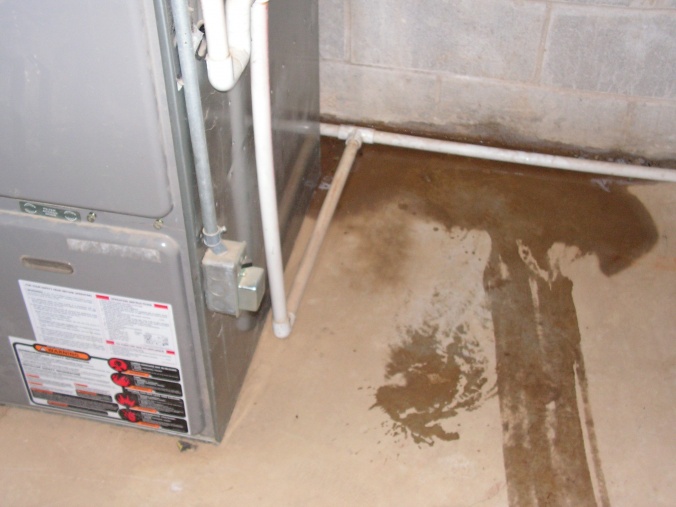
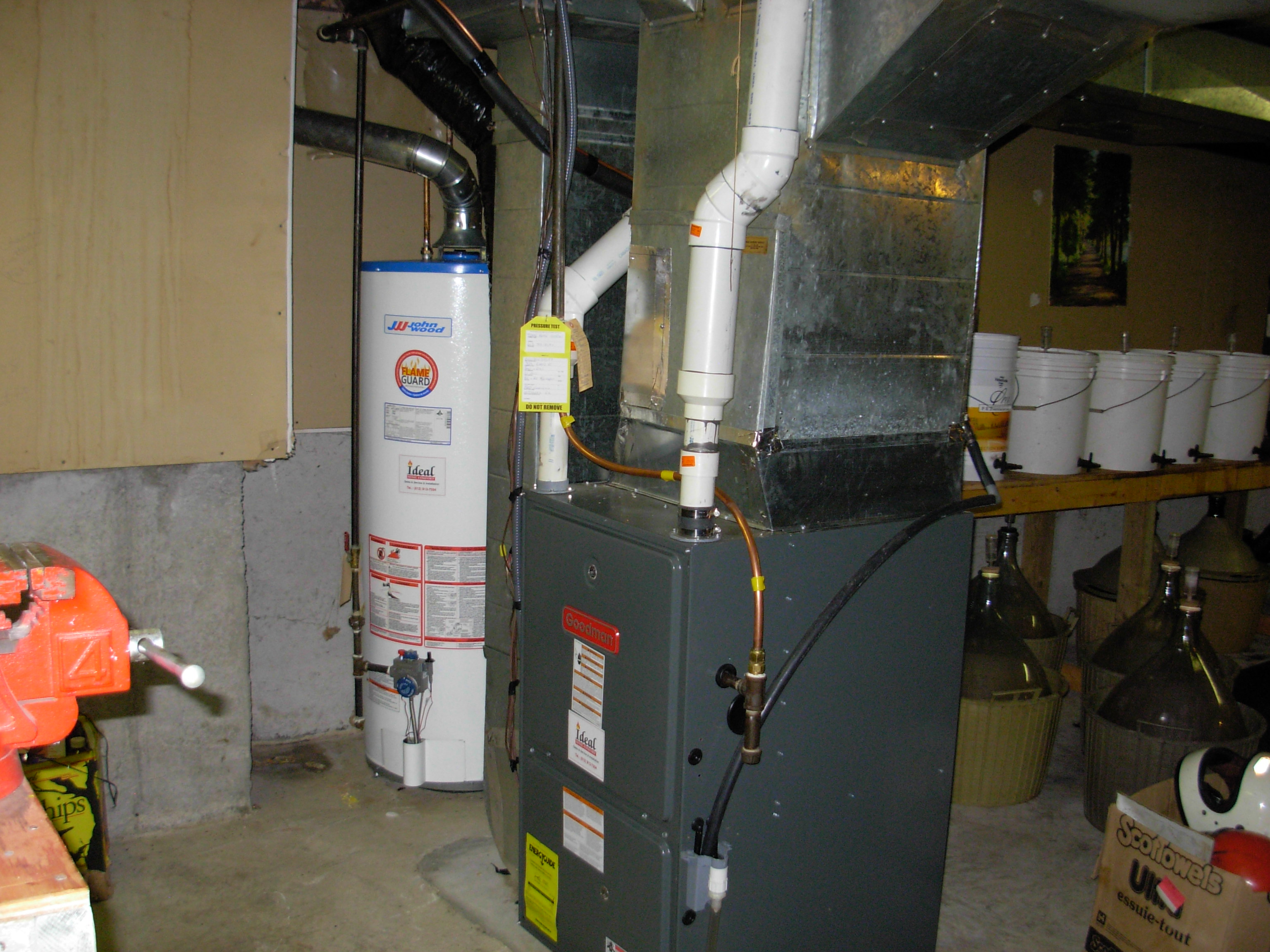
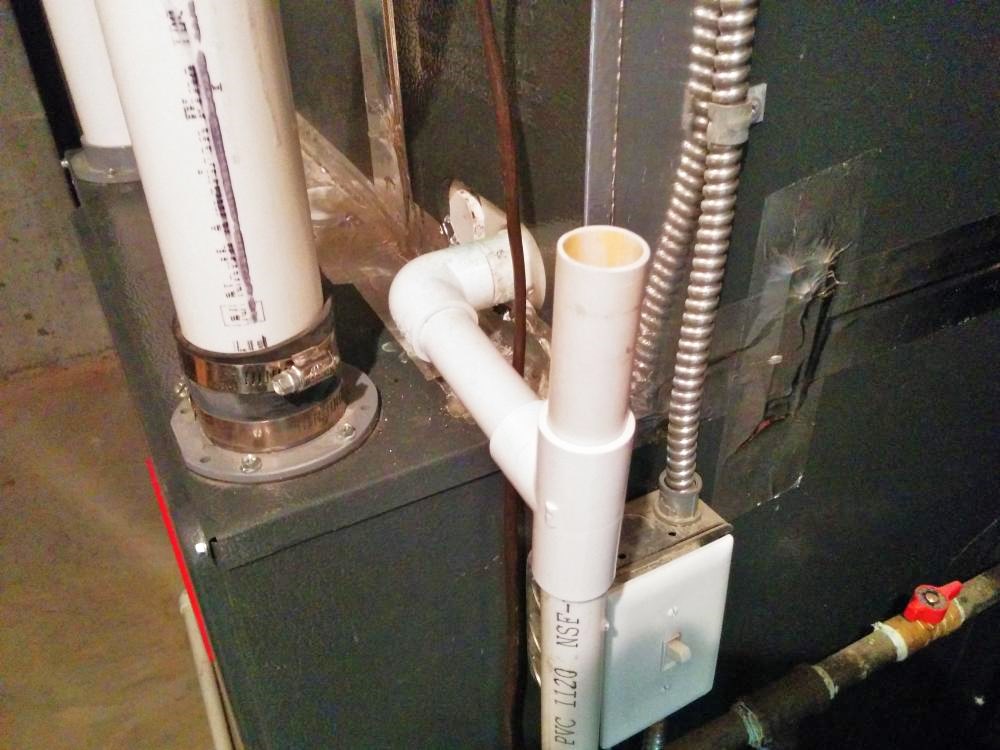
Water In Goodman Furnace

Finding water in or around your Goodman furnace can be alarming. Furnaces, by their very nature, are designed to generate heat, not handle significant amounts of water. Understanding the potential sources of this water is the first step in diagnosing and resolving the issue. This guide will walk you through the common causes of water in a Goodman furnace, how to identify them, and what steps you can take.
Identifying Water Sources in Your Goodman Furnace
Pinpointing the source of the water is crucial for effective troubleshooting. Consider these common culprits:
Condensation from the Flue
Modern, high-efficiency furnaces, often referred to as condensing furnaces, are designed to extract more heat from the exhaust gases. This process inevitably produces condensation, which is then drained away. The flue is the pipe that vents these exhaust gases outside.
- How it happens: As hot exhaust gases cool, water vapor condenses. This is a normal part of the operation of a high-efficiency furnace.
- The problem: If the flue is improperly installed, damaged, or excessively long, condensation can pool and leak back into the furnace. Additionally, a blocked or frozen flue can cause a backup of condensation. Think of it like a clogged drain in your sink; the water has nowhere to go but up (or in this case, back into the furnace).
- What to look for: Check the flue pipe for any visible damage, disconnections, or sags. Also, inspect the area around the furnace for signs of condensation dripping from the flue.
Condensate Drain Issues
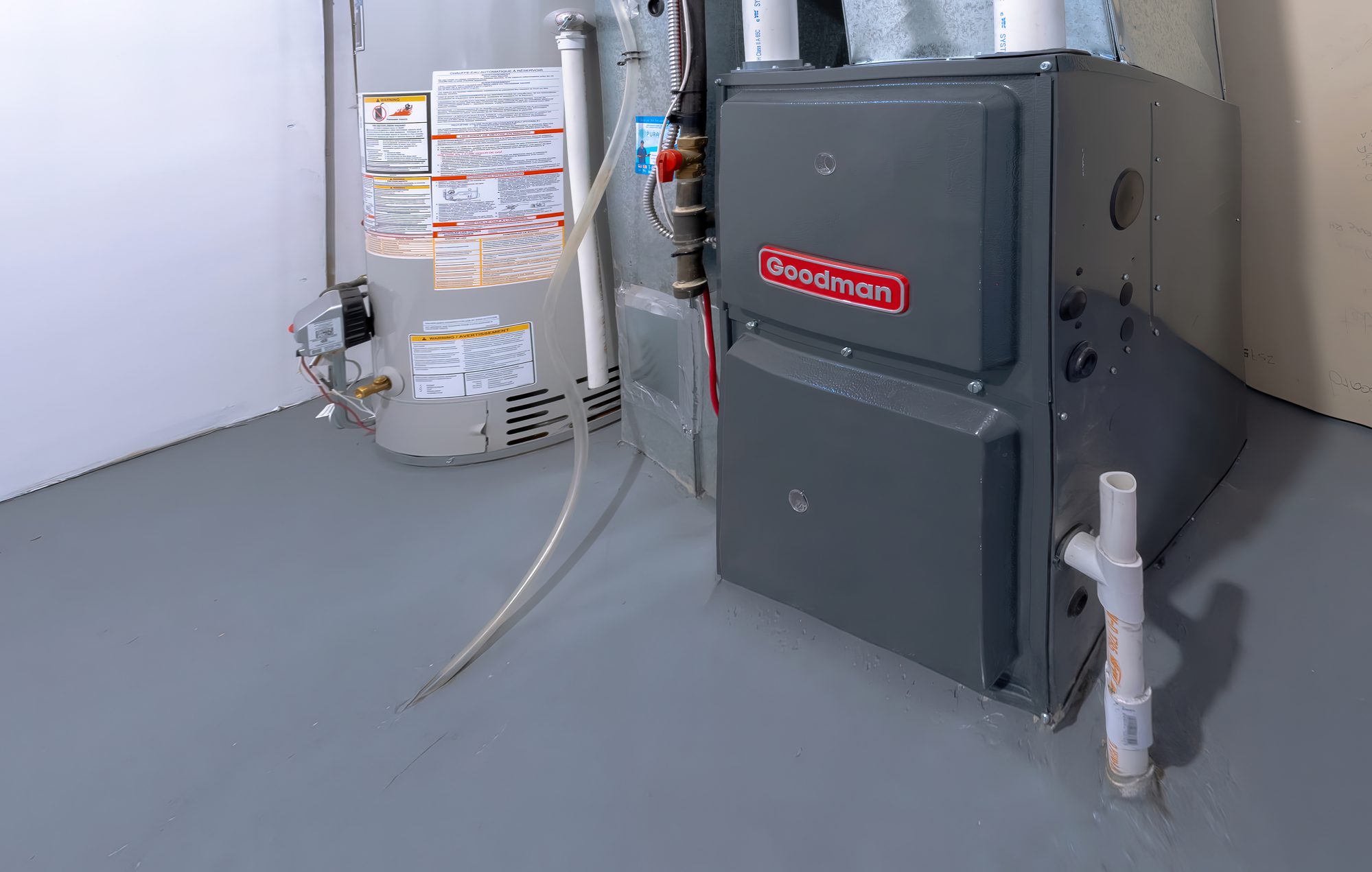
The condensate drain system is designed to remove the water produced during the condensation process. It typically consists of a drain line, a condensate pump (in some models), and a drain opening.
- How it happens: Condensate drain lines can become clogged with algae, dirt, or debris. If the line is blocked, the water will back up and potentially overflow into the furnace cabinet. A faulty condensate pump can also cause water to accumulate.
- The problem: A clogged drain prevents water from escaping, leading to leaks and potential damage to the furnace.
- What to look for: Inspect the condensate drain line for clogs. You can often clear minor clogs yourself with a wet/dry vacuum or a stiff wire. Check the condensate pump to ensure it's running properly. Listen for any unusual noises coming from the pump.
Humidifier Problems (If Applicable)
If your Goodman furnace is equipped with a humidifier, it could be a source of the water leak.
- How it happens: Humidifiers add moisture to the air, and if they malfunction, they can leak. Common issues include cracked housings, leaky water lines, or a malfunctioning float valve.
- The problem: A leaking humidifier can introduce excess water into the furnace area.
- What to look for: Carefully inspect the humidifier for any signs of leaks. Check the water supply line and the humidifier housing for cracks or damage.
Heat Exchanger Damage (Serious Concern)
The heat exchanger is a critical component of your furnace. It's responsible for transferring heat from the combustion gases to the air that is circulated throughout your home. This is the most serious potential cause of water inside a furnace.
- How it happens: Over time, the heat exchanger can develop cracks or holes due to corrosion or thermal stress. When this happens, condensation, and potentially combustion gases, can leak into the air stream.
- The problem: A cracked heat exchanger is a safety hazard. It can allow carbon monoxide, a deadly odorless gas, to enter your home. It can also lead to water leaking into the furnace.
- What to look for: Unfortunately, it's difficult to visually inspect the heat exchanger without specialized equipment. Signs that might indicate a problem include a musty or unusual odor coming from the vents, soot around the furnace, or the furnace shutting down unexpectedly. If you suspect a cracked heat exchanger, turn off your furnace immediately and call a qualified HVAC technician.
External Leaks
Sometimes, the water source isn't the furnace itself, but an external leak near the furnace.
- How it happens: Leaks from plumbing fixtures, roofs, or other sources can drip onto or near the furnace.
- The problem: Water damage to the furnace or surrounding areas.
- What to look for: Check for any nearby pipes, plumbing fixtures, or roof leaks that could be dripping water onto the furnace.
Troubleshooting Water in Your Goodman Furnace
Once you've identified the potential source of the water, you can begin troubleshooting. Always turn off the power to the furnace before attempting any repairs.
Checking and Clearing the Condensate Drain
- Locate the drain line: The condensate drain line is usually a PVC pipe that runs from the furnace to a drain.
- Check for clogs: Disconnect the drain line at the furnace and use a wet/dry vacuum to suck out any debris. You can also try using a stiff wire to break up any clogs.
- Flush the line: Pour a small amount of water down the drain line to ensure it's flowing freely.
- Inspect the drain pan: The drain pan is located beneath the furnace. Check it for any cracks or damage.
- Condensate Pump: If you have a condensate pump, ensure it is plugged in and operating. If the pump is full of water but isn't pumping, it may need to be replaced.
Inspecting the Flue
- Visual Inspection: Check the flue pipe for any visible damage, disconnections, or sags.
- Ensure Proper Slope: The flue pipe should slope downwards away from the furnace to allow condensation to drain properly.
- Check for Obstructions: Make sure the flue is clear of any obstructions, such as bird nests or debris.
Humidifier Inspection
- Visual Inspection: Carefully inspect the humidifier for any signs of leaks.
- Water Supply Line: Check the water supply line and the humidifier housing for cracks or damage.
- Float Valve: Make sure the float valve is operating correctly.
Addressing External Leaks
If you've determined that the water is coming from an external source, address the leak promptly to prevent further damage.
When to Call a Professional
While some issues, such as a clogged condensate drain, can be resolved yourself, other problems require the expertise of a qualified HVAC technician. It's crucial to contact a professional if:
- You suspect a cracked heat exchanger.
- You're not comfortable working with electrical components or gas lines.
- You've tried troubleshooting the problem yourself but haven't been able to resolve it.
- You notice any unusual odors, such as a musty smell or the smell of gas.
A qualified technician has the tools and knowledge to diagnose and repair complex furnace problems safely and effectively.
Preventative Maintenance
The best way to prevent water-related issues with your Goodman furnace is to schedule regular preventative maintenance. An HVAC technician can inspect your furnace for potential problems, clean the condensate drain, and ensure that all components are functioning properly. Here's a short list of actions you can take:
- Schedule Annual Inspections: Have your furnace inspected annually by a qualified HVAC technician.
- Replace Air Filters Regularly: A dirty air filter can restrict airflow and cause the furnace to overheat, potentially leading to condensation problems.
- Clear Debris Around the Unit: Make sure the area around your furnace is clear of any debris that could obstruct airflow.
- Keep Drain Lines Clear: Periodically check and clear your condensate drain lines to prevent clogs.
Understanding High-Efficiency Furnaces and Condensation
It's important to reiterate that condensation is a normal part of the operation of high-efficiency furnaces. These furnaces are designed to extract as much heat as possible from the combustion gases, which inevitably results in condensation. The key is to ensure that the condensation is properly drained away from the furnace. Think of it like your car's exhaust; you wouldn't expect water to be in the passenger seat, would you? It should be directed away properly through the tailpipe.
By understanding the potential causes of water in your Goodman furnace and taking preventative measures, you can help ensure that your furnace operates safely and efficiently for years to come.
Disclaimer: This guide is for informational purposes only and should not be considered a substitute for professional advice. If you're not comfortable working on your furnace, please contact a qualified HVAC technician. Improper repairs can be dangerous and may void your warranty.