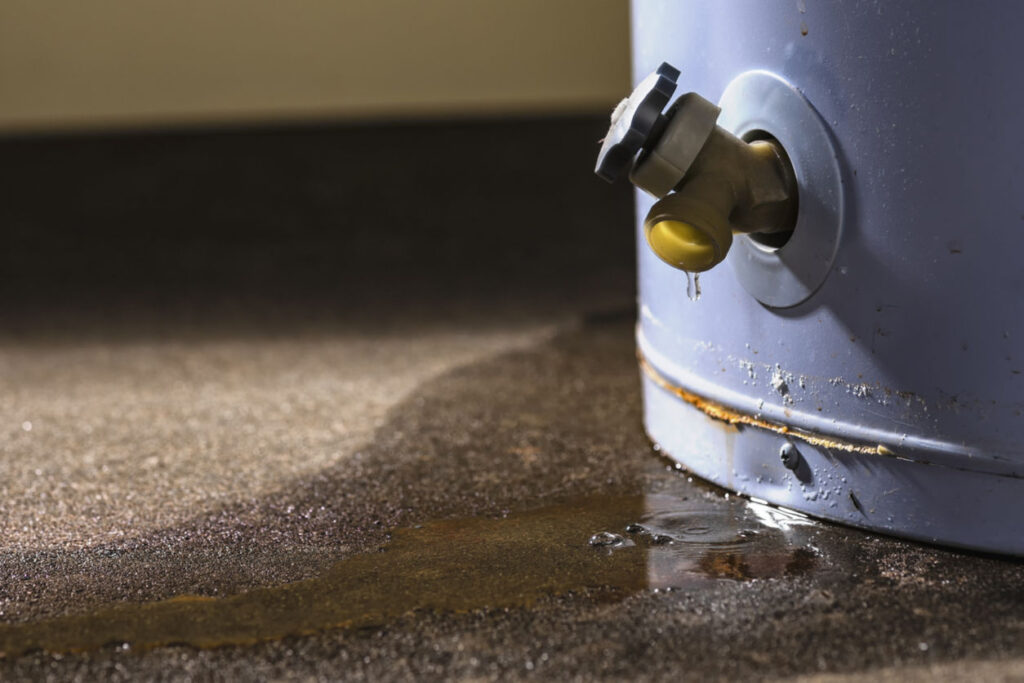
Water Leaking From Bottom Of Boiler
Water Leaking From Bottom of Boiler: Troubleshooting, Career Implications, and Industry Insights
A leaking boiler is a common problem faced by homeowners and a frequent service call for HVAC technicians. While it might seem straightforward, identifying the source of the leak and implementing the correct repair requires a blend of diagnostic skills, practical knowledge, and understanding of boiler systems. This article provides a comprehensive guide to troubleshooting water leaks from the bottom of a boiler, while also exploring the career implications for HVAC professionals and offering insights into industry trends.
Understanding Boiler Systems and Leak Sources
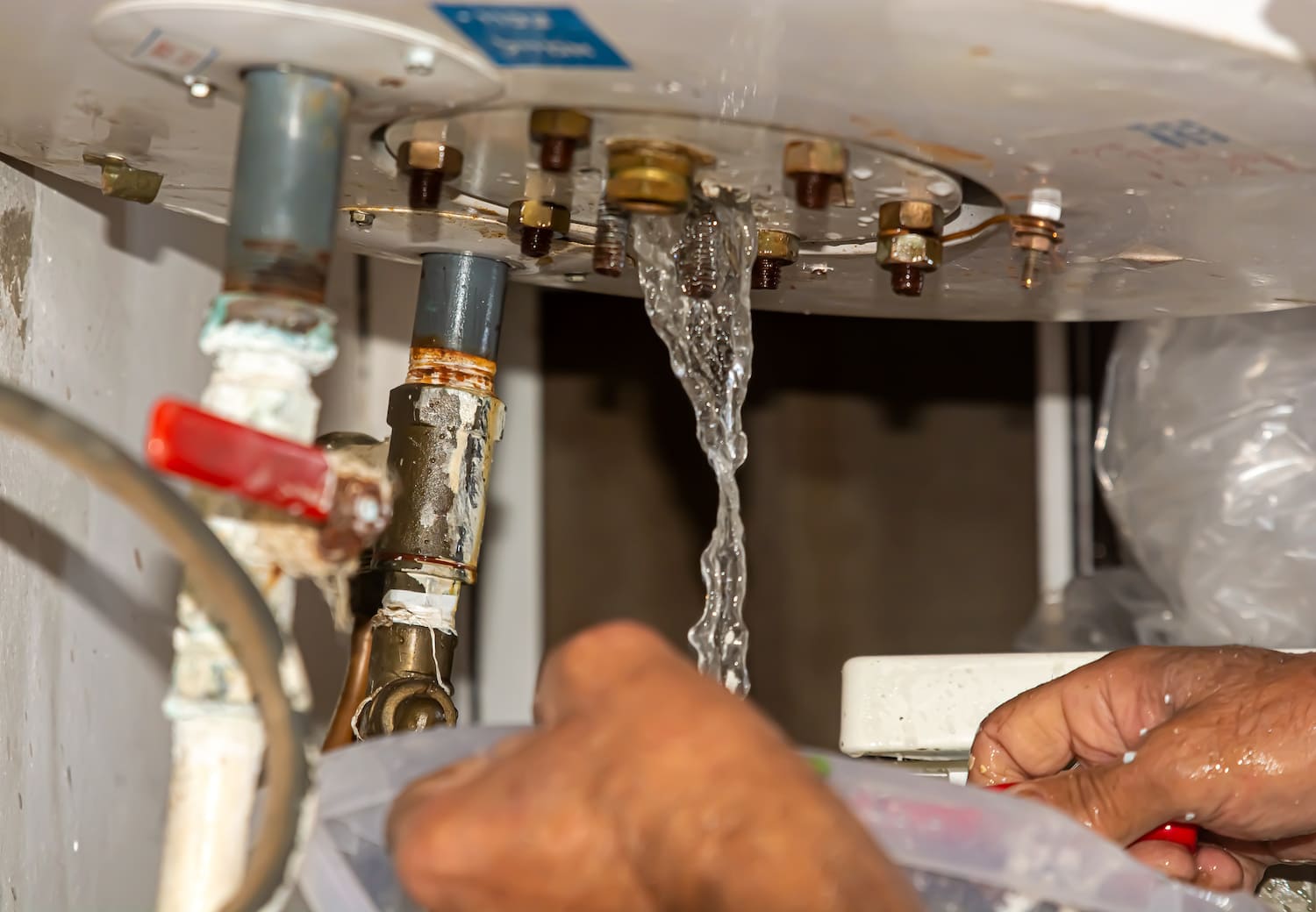
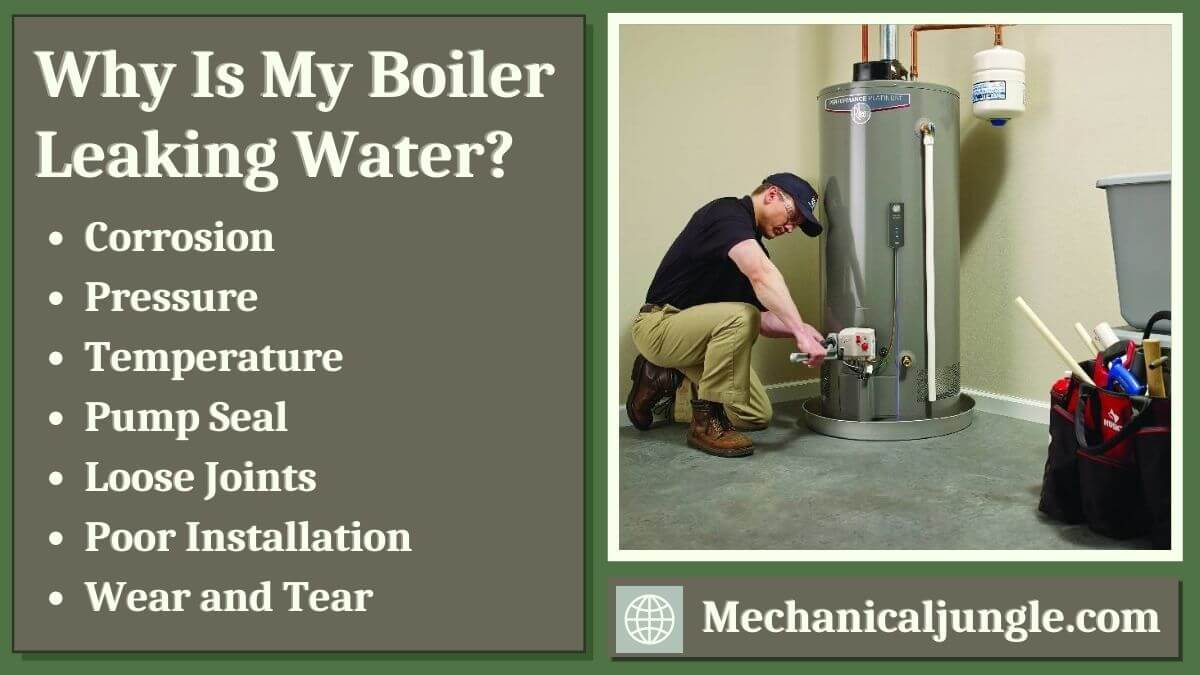
Boilers are closed heating systems that heat water or create steam for space heating and domestic hot water. When water leaks from the bottom of a boiler, it indicates a breach in the system's integrity. Common causes include:
- Corrosion: Over time, corrosion can weaken boiler components, especially near the bottom where sediment tends to accumulate.
- Cracked Heat Exchanger: This is a serious issue. A cracked heat exchanger can leak water and pose a safety hazard by allowing combustion gases to escape.
- Faulty Seals and Gaskets: Seals and gaskets around fittings, pumps, and valves can degrade and leak over time.
- Pressure Relief Valve (PRV): The PRV is designed to release excess pressure. If it's constantly dripping, it could indicate over-pressurization or a faulty valve.
- Condensate Leaks: In condensing boilers, leaks can occur in the condensate drain system.
- Pump Leaks: Circulator pumps can leak at the pump housing or around the shaft seal.
- Sediment Buildup: Excessive sediment can cause localized corrosion and leaks.
- Pipe Connections: Leaks can occur at pipe connections due to loose fittings, corroded pipes, or improper installation.
Troubleshooting a Boiler Leak: A Step-by-Step Approach
HVAC technicians follow a systematic approach to diagnose boiler leaks:
- Safety First: Before starting any work, turn off the boiler and disconnect the power supply. Allow the boiler to cool down.
- Identify the Leak Source: Carefully inspect the boiler, paying close attention to the bottom. Look for visible signs of water, rust, or corrosion. Trace the leak back to its origin. Use a flashlight and mirror for hard-to-reach areas.
- Check the Pressure: Observe the boiler's pressure gauge. If the pressure is consistently high, the PRV may be releasing water.
- Inspect Components: Examine the heat exchanger, pump, valves, and pipe connections for signs of damage or corrosion.
- Test the PRV: Manually test the PRV to ensure it's functioning correctly.
- Evaluate Water Quality: Analyze the boiler water for signs of corrosion or excessive mineral content.
Repairing Boiler Leaks
The repair method depends on the cause of the leak:
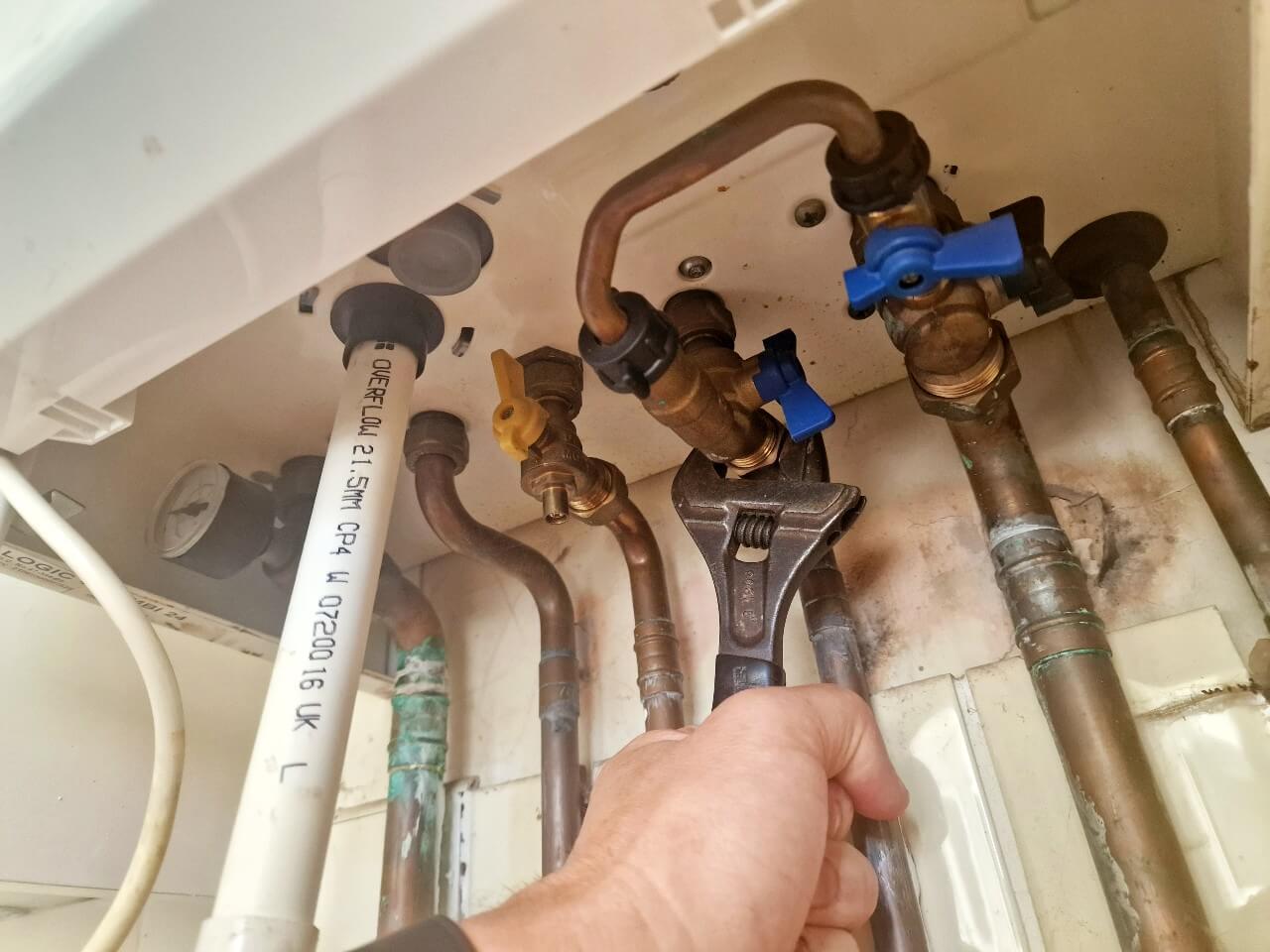
- Tightening Connections: Loose fittings can often be tightened to stop leaks.
- Replacing Seals and Gaskets: Deteriorated seals and gaskets should be replaced with new ones.
- Repairing or Replacing Pipes: Corroded or damaged pipes may need to be repaired or replaced.
- Replacing the PRV: A faulty PRV should be replaced with a new one of the correct pressure rating.
- Flushing the System: Flushing the boiler can remove sediment buildup. Consider adding a corrosion inhibitor to the water.
- Heat Exchanger Repair or Replacement: A cracked heat exchanger requires professional repair or replacement. This is a complex and potentially dangerous task.
- Pump Repair or Replacement: Leaking pumps may need to be repaired or replaced.
Important Note: Heat exchanger repair and any work involving gas lines should only be performed by licensed and qualified HVAC technicians.
Career Paths in Boiler Maintenance and Repair
The ability to diagnose and repair boiler leaks is a valuable skill for HVAC technicians. Here are some career paths that involve boiler work:
- HVAC Service Technician: Service technicians are responsible for installing, maintaining, and repairing HVAC systems, including boilers.
- Boiler Technician: Some technicians specialize in boiler maintenance and repair, focusing on large commercial and industrial boiler systems.
- HVAC Installer: Installers install new boiler systems and replace old ones.
- Maintenance Technician: Maintenance technicians perform routine maintenance on boilers and other equipment in commercial and industrial buildings.
Industry Certifications and Training
Earning industry certifications can enhance your skills and increase your earning potential. Some relevant certifications include:
- NATE (North American Technician Excellence): NATE offers certifications in various HVAC specialties, including heating and air conditioning.
- EPA Section 608 Certification: Required for technicians who handle refrigerants. While boilers don't use refrigerants, many HVAC technicians work on both heating and cooling systems.
- Manufacturer-Specific Training: Many boiler manufacturers offer training programs on their specific equipment.
- State and Local Licensing: Many states and localities require HVAC technicians to be licensed.
A well-rounded education is also crucial. Many technicians start with an apprenticeship or vocational training program, followed by on-the-job experience. Associate's degrees in HVAC technology are also available.
Salary and Job Outlook
The job outlook for HVAC technicians is excellent. According to the U.S. Bureau of Labor Statistics, the employment of HVAC mechanics and installers is projected to grow 6 percent from 2022 to 2032, about as fast as the average for all occupations. About 38,000 openings for HVAC mechanics and installers are projected each year, on average, over the decade.
The median annual wage for HVAC mechanics and installers was $59,620 in May 2023. The lowest 10 percent earned less than $35,670, and the highest 10 percent earned more than $97,780. Factors affecting salary include experience, location, certifications, and employer.
Experienced boiler technicians, especially those with specialized certifications and experience with large commercial and industrial systems, can command higher salaries.
"With the increasing demand for energy-efficient heating systems, skilled boiler technicians are in high demand. Investing in training and certifications can lead to a rewarding and well-paying career." - John Smith, HVAC Industry Analyst
HVAC Industry Trends and Boiler Technology
The HVAC industry is constantly evolving, with new technologies and trends emerging regularly. Some key trends related to boiler technology include:
- High-Efficiency Boilers: Condensing boilers offer significantly higher efficiency than traditional boilers.
- Smart Boilers: Smart boilers can be controlled remotely and can monitor their performance.
- Renewable Energy Integration: Boilers can be integrated with renewable energy sources, such as solar thermal systems.
- Variable Speed Pumps: Variable speed pumps can optimize boiler performance and reduce energy consumption.
HVAC technicians need to stay up-to-date on these trends to remain competitive. Continuous learning and professional development are essential for success in the HVAC industry.
Employer Considerations: Hiring and Training Skilled Boiler Technicians
For employers in the HVAC industry, finding and retaining skilled boiler technicians is crucial. Here are some strategies for attracting and developing talent:
- Offer Competitive Salaries and Benefits: Attract and retain top talent by offering competitive compensation packages.
- Provide Training and Development Opportunities: Invest in training programs to help technicians develop their skills and knowledge.
- Support Certification Efforts: Encourage technicians to pursue industry certifications and provide financial assistance.
- Create a Positive Work Environment: Foster a positive and supportive work environment to improve employee morale and retention.
- Partner with Trade Schools and Apprenticeship Programs: Collaborate with local trade schools and apprenticeship programs to recruit new talent.
By investing in their workforce, employers can ensure they have the skilled technicians needed to meet the growing demand for boiler services.
In conclusion, understanding the causes of water leaks in boilers, developing strong troubleshooting skills, and pursuing relevant certifications are essential for success in the HVAC industry. The demand for skilled boiler technicians is strong, and those who invest in their training and development can look forward to a rewarding and well-paying career.