Water Pressure Booster Pump And Tank

Boost Your Savings: Understanding Water Pressure Booster Pumps and Tanks for Energy Efficiency
Low water pressure can be more than just an inconvenience; it can impact your energy bills and the efficiency of your appliances. A water pressure booster pump and tank system can be the solution, and it's increasingly recognized as a valuable component for both residential and commercial buildings looking to optimize energy usage and lower costs.
What is a Water Pressure Booster System?
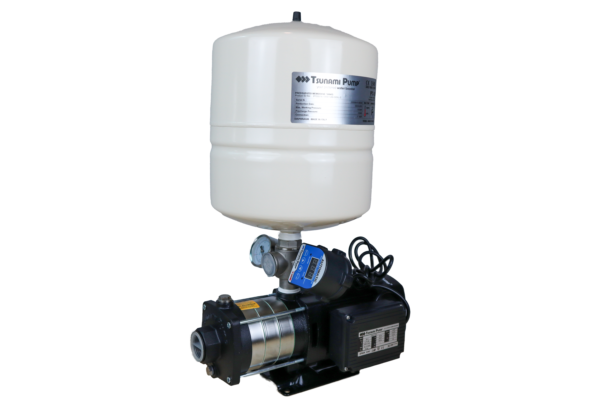
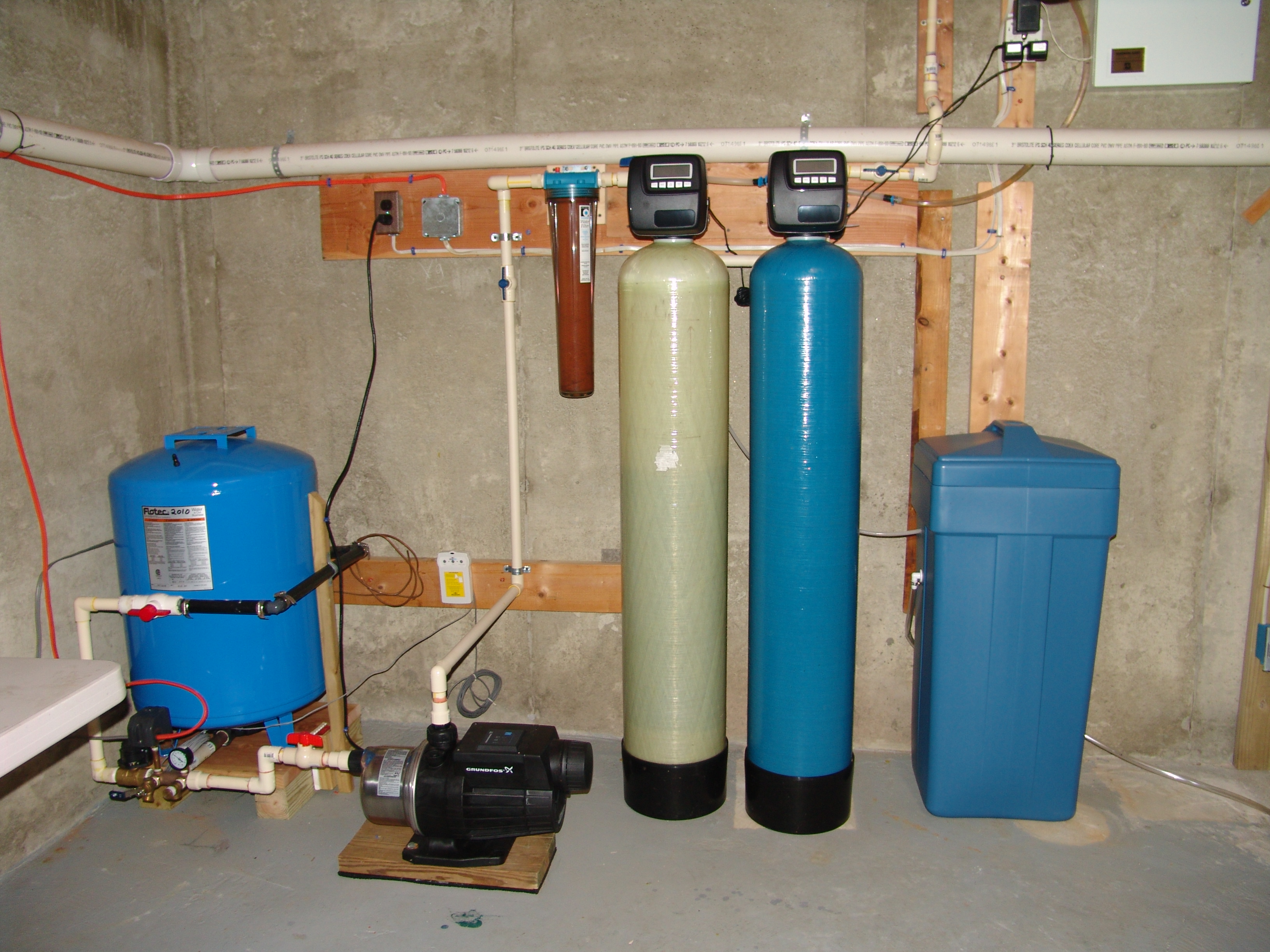
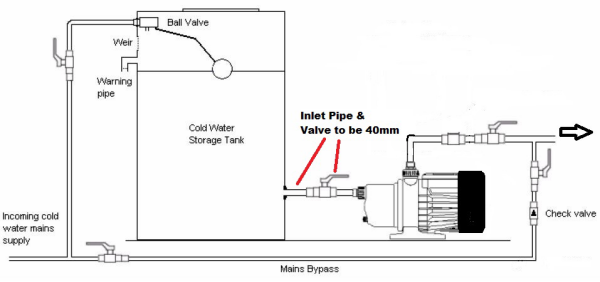
At its core, a water pressure booster system is designed to increase the water pressure in your plumbing system. It typically consists of two main components:
- The Pump: This is the workhorse of the system. It draws water from the main supply and increases its pressure. Pumps come in various sizes and configurations, depending on the demand and existing water pressure.
- The Tank (Pressure Tank): This tank stores a volume of water under pressure, allowing the pump to cycle less frequently. This reduces wear and tear on the pump and provides a more consistent water pressure.
Together, these components ensure you have adequate water pressure for showers, faucets, appliances, and even irrigation systems, without straining your existing plumbing infrastructure.
Why Consider a Booster System for Energy Efficiency?
The connection between water pressure and energy efficiency might not be immediately obvious, but it's significant. Here's how a properly installed and maintained booster system can help you save:
- Optimized Appliance Performance: Many appliances, such as dishwashers, washing machines, and tankless water heaters, require a minimum water pressure to operate efficiently. Low pressure forces them to work harder and longer, consuming more energy. According to Energy Star, inefficient appliances can increase your energy bill by up to 30%. A booster system ensures these appliances operate at their optimal efficiency.
- Reduced Water Waste: Low water pressure often leads to longer shower times and more water wasted while waiting for taps to fill. Increased pressure can shorten these times, directly contributing to water conservation and lowering your water bill, which indirectly lowers your energy bill if you heat your own water.
- Consistent Hot Water Delivery: Inconsistent water pressure can disrupt the flow of hot water, leading to fluctuations in temperature. A booster system helps maintain a consistent flow, preventing temperature drops and reducing the need to constantly adjust the faucet, ultimately saving energy.
- Lower Pump Cycling with a Pressure Tank: Without a pressure tank, the pump would need to turn on and off frequently, every time you use a small amount of water. This constant cycling wastes energy and shortens the lifespan of the pump. The tank acts as a buffer, providing a reserve of pressurized water and allowing the pump to run less often.
- Preventing Backflow Problems: In areas with fluctuating water pressure, booster pumps, especially those with variable frequency drives (VFDs), can help prevent backflow into the municipal water supply. While primarily a safety measure, preventing backflow also contributes to overall system stability and energy efficiency.
Choosing the Right System: Key Considerations
Selecting the right water pressure booster system is crucial for maximizing energy savings and ensuring long-term reliability. Here are some factors to consider:
- Water Pressure Requirements: Determine the current water pressure in your home or building and the desired pressure. An HVAC contractor can use a simple pressure gauge to assess current levels.
- Flow Rate Requirements: Estimate the peak flow rate you need, considering the number of fixtures and appliances that will be used simultaneously.
- Pump Type: Choose a pump that is appropriately sized for your needs. Options include single-stage, multi-stage, and submersible pumps. Variable Frequency Drive (VFD) pumps are gaining popularity due to their ability to adjust the pump speed based on demand, resulting in significant energy savings. A VFD pump reduces energy consumption by only supplying the necessary amount of pressure.
- Tank Size: Select a tank size that is adequate for your flow rate requirements. A larger tank will reduce pump cycling, but it may also take up more space.
- Energy Efficiency Ratings: Look for pumps with high-efficiency motors and variable speed drives. These pumps will consume less energy and save you money in the long run.
- Noise Level: Some pumps can be noisy. Consider models with noise-dampening features or install the pump in a location where noise is less of a concern.
- Smart Home Integration: Some modern booster systems can be integrated with smart home systems. This allows you to monitor water pressure, track energy consumption, and even receive alerts if there are any issues with the system.
Installation and Maintenance
Proper installation and maintenance are essential for ensuring the longevity and efficiency of your water pressure booster system.
- Professional Installation: It is highly recommended to have a qualified HVAC contractor install your booster system. This will ensure that the system is properly sized, installed, and configured for your specific needs. They can also check for any potential plumbing issues that could affect the system's performance.
- Regular Maintenance: Regularly inspect the pump and tank for leaks or other signs of damage. Clean the pump strainer and check the tank's pre-charge pressure. Follow the manufacturer's recommendations for maintenance.
Cost and ROI: Is a Booster System Worth It?
The initial cost of a water pressure booster system can range from a few hundred to several thousand dollars, depending on the size and complexity of the system. However, the long-term benefits can outweigh the initial investment. Here's a breakdown of the ROI:
- Reduced Energy Bills: As mentioned earlier, a booster system can significantly reduce your energy bills by optimizing appliance performance and reducing water waste.
- Extended Appliance Lifespan: By ensuring adequate water pressure, a booster system can help extend the lifespan of your appliances.
- Increased Home Value: A well-maintained booster system can be a valuable selling point when you decide to sell your home.
- Potential Rebates and Incentives: Many utility companies offer rebates and incentives for installing energy-efficient water pressure booster systems. Check with your local utility company to see if any programs are available in your area. The Database of State Incentives for Renewables & Efficiency (DSIRE) is a great resource for finding available rebates.
To calculate your potential ROI, consider the following:
- Estimate your current water and energy consumption related to appliances and fixtures affected by low water pressure.
- Research the energy and water savings potential of a booster system.
- Factor in the cost of the system, installation, and maintenance.
- Consider any available rebates or incentives.
A comprehensive ROI analysis will help you determine if a water pressure booster system is a worthwhile investment for your specific needs.
Smart Home Integration: Taking Efficiency to the Next Level
Integrating your water pressure booster system with a smart home system opens up even more opportunities for energy savings and convenience. Here are some examples:
- Remote Monitoring and Control: Monitor water pressure and pump performance from your smartphone or tablet. Adjust settings remotely to optimize energy consumption.
- Leak Detection: Smart systems can detect leaks and automatically shut off the water supply to prevent water damage and waste.
- Automated Scheduling: Schedule the pump to run only during peak demand periods to further reduce energy consumption.
- Integration with Smart Thermostats: Coordinate water heater operation with your smart thermostat to optimize energy usage. For example, you can program the water heater to preheat water before you typically take a shower.
By leveraging smart home technology, you can take control of your water pressure and energy consumption, maximizing your savings and minimizing your environmental impact.
Conclusion: A Smart Investment for a Sustainable Future
A water pressure booster pump and tank system is a smart investment for homeowners and businesses looking to save energy, reduce water waste, and improve the performance of their appliances. By carefully considering your needs, choosing the right system, and integrating it with smart home technology, you can unlock significant energy savings and contribute to a more sustainable future. Consult with a qualified HVAC contractor to determine the best solution for your specific needs and start boosting your savings today.