Water Pressure Regulator Leaking From Screw

Water pressure regulators are vital components in any plumbing system, especially those supporting HVAC equipment like boilers and some types of chillers. These regulators safeguard your pipes and appliances from excessive pressure from the municipal water supply. However, like any mechanical device, they can malfunction, and one common issue is leaking from the screw. Understanding why this happens, how to diagnose it, and what solutions are available can save you money and prevent potential water damage. This guide explores the causes of screw leaks in water pressure regulators, troubleshooting steps, and when it’s time to call a professional.
Understanding Water Pressure Regulators
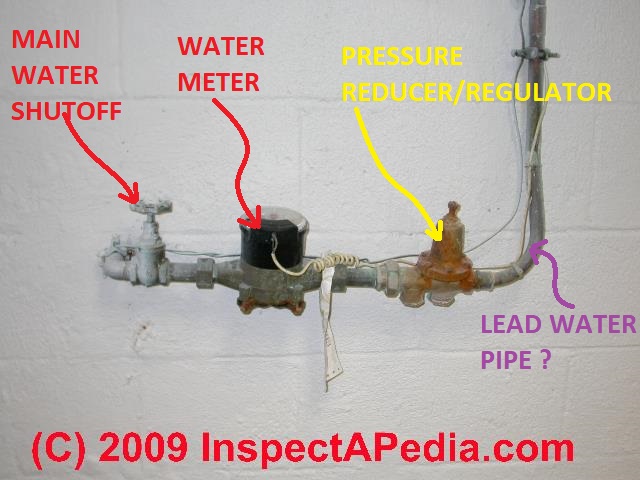
Before diving into the specifics of screw leaks, it's essential to understand the function of a water pressure regulator. These devices reduce the incoming water pressure from the main water line to a safe and manageable level for your home's plumbing system. This is crucial because high water pressure can stress pipes, leading to leaks, burst pipes, and damage to appliances like water heaters, washing machines, and dishwashers. A properly functioning regulator extends the lifespan of your plumbing system and ensures optimal performance of water-using appliances. They are particularly important in systems connected to HVAC equipment that depends on proper water pressure.
Why Regulated Water Pressure Matters for HVAC
Some HVAC systems, particularly older boiler systems and certain commercial chiller setups, directly use or rely on water pressure for optimal operation. Overly high or fluctuating pressure can damage boiler components, reduce cooling efficiency in chillers, and even cause leaks within the HVAC unit itself. Maintaining consistent and regulated water pressure is therefore paramount for the longevity and efficiency of these systems.
Common Causes of Water Pressure Regulator Leaks From Screws
Several factors can contribute to a water pressure regulator leaking from the screw. Here are some of the most common:
- Corrosion: Over time, the regulator's internal components, including the screws and surrounding metal, can corrode due to exposure to water and minerals. This corrosion weakens the screw threads and creates pathways for water to escape.
- Loose Screws: Vibration, water hammer, or simply age can cause the screws to loosen, compromising the seal and allowing water to leak.
- Worn-Out Seals: Many regulators use O-rings or other seals around the screws to prevent leaks. These seals can degrade over time due to wear and tear, chemical exposure, or temperature fluctuations, leading to leaks.
- High Water Pressure Spikes: Although the regulator's job is to control high pressure, extreme spikes can still exert excessive force on the regulator's components, potentially damaging the screws or seals.
- Sediment and Debris: Sediment and debris in the water supply can accumulate around the screws and seals, interfering with their ability to create a tight seal.
- Freeze Damage: In colder climates, water inside the regulator can freeze and expand, cracking the housing or damaging the screws and seals.
- Manufacturing Defects: While less common, manufacturing defects in the regulator itself can also lead to leaks.
Troubleshooting a Leaking Water Pressure Regulator
Before calling a plumber, you can try a few simple troubleshooting steps to identify the cause of the leak and potentially fix it yourself.
- Visually Inspect the Regulator: Carefully examine the regulator for signs of corrosion, cracks, or other damage. Look closely at the screws and the surrounding area.
- Tighten the Screws: Using a screwdriver, gently tighten the screws that are leaking. Be careful not to overtighten them, as this can strip the threads or damage the regulator housing.
- Check the Water Pressure: Use a water pressure gauge to measure the water pressure in your home. If the pressure is excessively high, even after the regulator, it could indicate a problem with the regulator's internal mechanism.
- Clean the Area Around the Screws: Use a clean cloth to wipe away any sediment or debris that may be accumulating around the screws.
Solutions for a Leaking Water Pressure Regulator
The appropriate solution for a leaking water pressure regulator depends on the cause and severity of the leak.
Minor Leaks: Temporary Fixes
For minor leaks, you might consider these temporary fixes:
- Teflon Tape: Remove the screw, wrap Teflon tape around the threads, and re-tighten the screw. This can help create a tighter seal.
- Plumber's Putty: Apply a small amount of plumber's putty around the base of the screw to create a temporary seal.
Important Note: These are temporary solutions and should not be considered permanent fixes. If the leak persists or worsens, you should replace the regulator.
Replacing the Regulator: A More Permanent Solution
If the leak is caused by corrosion, worn-out seals, or internal damage, replacing the regulator is the best course of action. Replacing a water pressure regulator is a relatively straightforward plumbing task, but it's important to follow these steps carefully:
- Turn Off the Water Supply: Locate the main water shut-off valve and turn it off.
- Relieve the Pressure: Open a faucet downstream from the regulator to relieve any remaining pressure in the pipes.
- Disconnect the Old Regulator: Use a wrench to disconnect the old regulator from the water pipes. Be prepared for some water to spill out.
- Install the New Regulator: Apply Teflon tape to the threads of the new regulator and connect it to the water pipes. Make sure to orient the regulator in the correct direction, as indicated by the arrow on the regulator body.
- Turn On the Water Supply: Slowly turn on the main water supply valve and check for leaks around the new regulator.
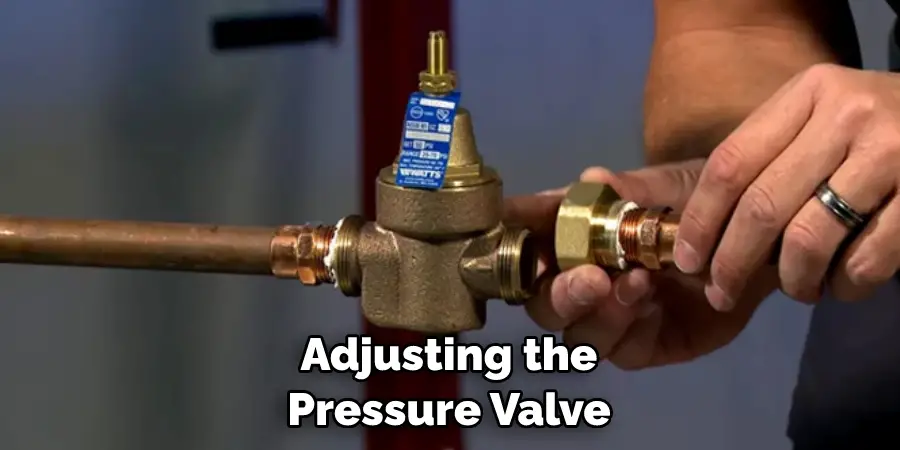
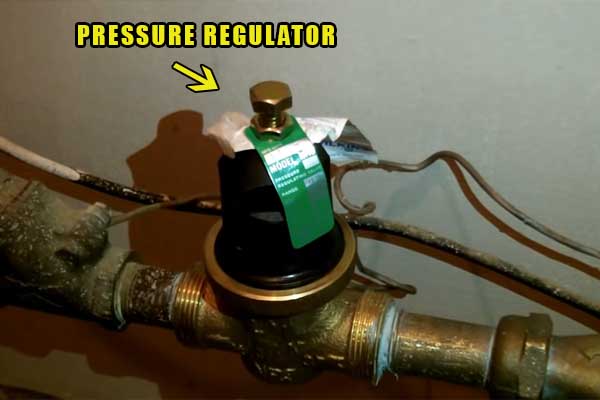
- Adjust the Pressure: Use the adjustment screw on the regulator to set the desired water pressure. Consult your local plumbing code or a qualified plumber for the recommended pressure.
Choosing a New Water Pressure Regulator: Key Considerations
When selecting a new water pressure regulator, consider the following factors:
- Size: Choose a regulator that is the correct size for your plumbing system. The size is typically indicated by the diameter of the pipe connections.
- Material: Brass regulators are generally more durable and corrosion-resistant than plastic regulators.
- Pressure Range: Select a regulator with a pressure range that is appropriate for your home's water pressure needs.
- Brand Reputation: Choose a regulator from a reputable brand known for quality and reliability.
Popular Brands of Water Pressure Regulators
Several brands offer high-quality water pressure regulators. Here are a few well-regarded options:
- Watts: Watts is a leading manufacturer of plumbing and HVAC products, including water pressure regulators. Their regulators are known for their durability and reliability.
- Honeywell: Honeywell is another well-known brand that offers a wide range of water pressure regulators for residential and commercial applications.
- Cash Acme: Cash Acme is a popular choice for homeowners looking for affordable and reliable water pressure regulators.
- Zurn Wilkins: Zurn Wilkins specializes in high-performance water pressure regulators for demanding applications.
When to Call a Professional Plumber
While some water pressure regulator issues can be resolved with DIY solutions, there are situations where it's best to call a professional plumber:
- You are not comfortable working with plumbing.
- The leak is severe or persistent.
- You suspect that the regulator is internally damaged.
- You are unsure how to replace the regulator.
- You need help adjusting the water pressure.
- The water pressure remains high even after replacing the regulator.
Preventative Maintenance for Water Pressure Regulators
To extend the lifespan of your water pressure regulator and prevent leaks, consider these preventative maintenance tips:
- Install a Water Filter: A water filter can remove sediment and debris from the water supply, preventing them from accumulating around the regulator's screws and seals.
- Inspect the Regulator Regularly: Check the regulator for signs of corrosion, leaks, or damage at least once a year.
- Have the Regulator Serviced by a Professional: Consider having a plumber inspect and service your regulator every few years.
Water Pressure and HVAC Efficiency: A Final Note
Remember, maintaining proper water pressure is not just about preventing leaks; it's also about ensuring the optimal performance of your HVAC system. Regularly checking and maintaining your water pressure regulator can help you save money on energy bills and extend the lifespan of your HVAC equipment. Don't underestimate the importance of this often-overlooked plumbing component!