Water Pump For Hot Water Tank

A water pump for a hot water tank, often referred to as a recirculation pump, is a device designed to keep hot water readily available at your faucets. Instead of waiting for the cold water in the pipes to flush out before hot water arrives, a recirculation pump ensures a constant supply of heated water, saving you time, water, and energy. This guide provides a comprehensive overview of water pumps for hot water tanks, covering their types, benefits, installation, maintenance, and factors to consider when choosing one.
Understanding Recirculation Systems
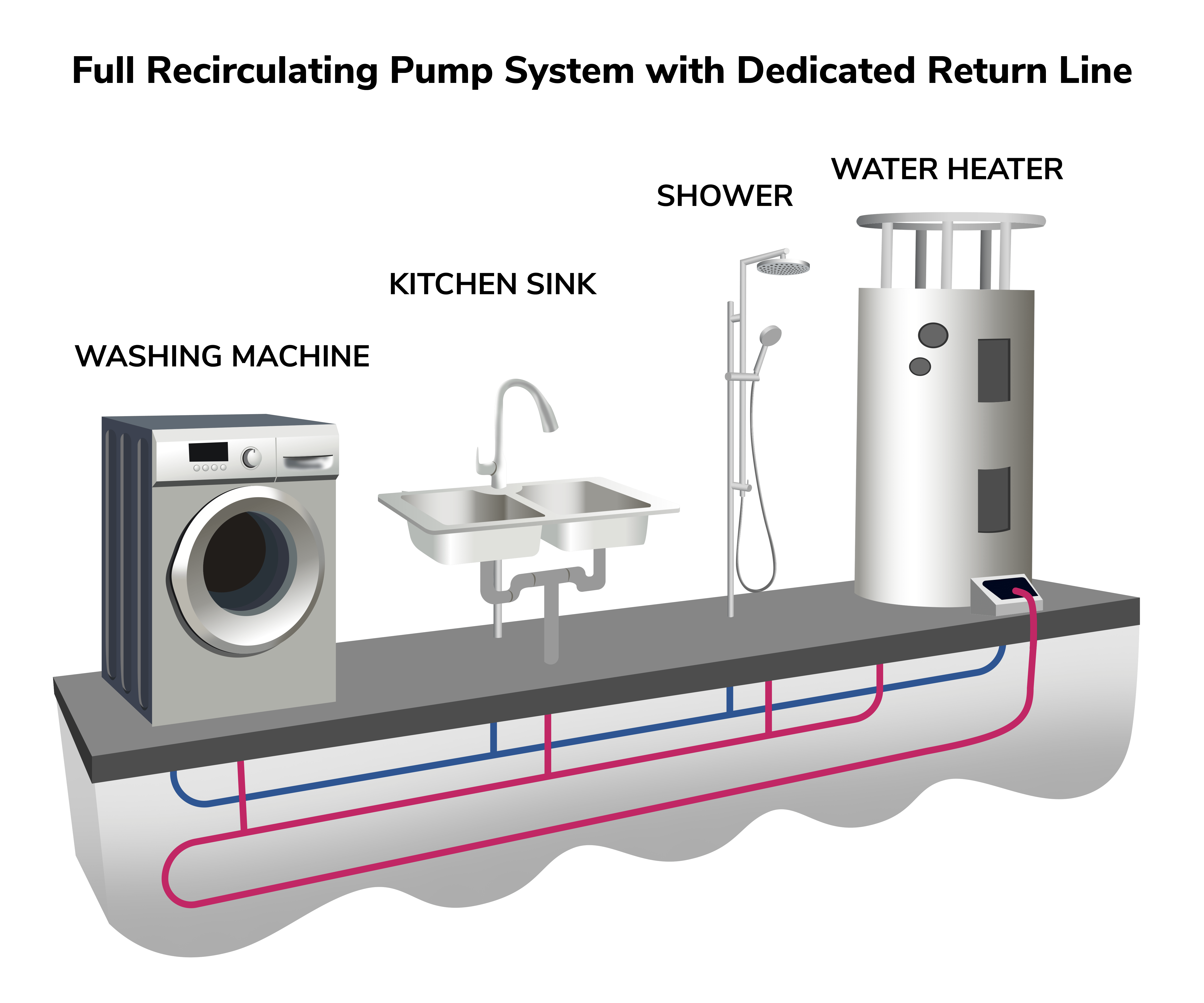
Before diving into the specifics of pumps, it's important to understand how a recirculation system works. Think of it as a closed loop. A pump is installed either at the water heater or at the furthest fixture from the water heater. This pump pushes the cooled water in the pipes back to the water heater, where it's reheated, and then sent back through the supply lines. This continuous cycle ensures that hot water is always close to your taps.
There are primarily two types of recirculation systems:
- Dedicated Return Line Systems: These systems have a separate dedicated pipe (the return line) that runs from the furthest fixture back to the water heater. This is the most efficient type of system as it provides a clear path for the water to circulate.
- Comfort Valve Systems (or Crossover Systems): These systems use the existing cold water line as the return path. A special valve, often called a comfort valve, is installed under the sink of the furthest fixture. This valve allows the cooled hot water to flow into the cold water line, which then returns to the water heater. This type is easier to install as it doesn't require running a new pipe, but it can slightly cool the cold water supply.
Types of Recirculation Pumps
Several types of recirculation pumps are available, each with its own advantages and disadvantages:
Standard Recirculation Pumps
These are the most common type and are designed for continuous or timed operation. They are typically made of bronze or stainless steel to resist corrosion. They are durable and reliable but consume more energy compared to on-demand pumps.
On-Demand Recirculation Pumps
Also known as push-button pumps, these pumps are activated only when needed. You press a button (often located near the faucet) which triggers the pump to circulate hot water to the fixture. Once the hot water arrives, the pump automatically shuts off. These pumps are more energy-efficient than standard pumps as they only run when requested.
Smart Recirculation Pumps
These pumps offer advanced features such as learning algorithms, temperature sensors, and programmable timers. They can learn your hot water usage patterns and automatically adjust the pump's operation to optimize energy savings and convenience. Some models can also be controlled remotely via a smartphone app.
Tankless Water Heater Recirculation Pumps
These pumps are specifically designed to work with tankless water heaters. Tankless water heaters don't store hot water, so a recirculation pump is even more beneficial in these systems. Some tankless water heaters have built-in recirculation pumps, while others require an external pump.
Benefits of a Hot Water Recirculation System
Installing a hot water recirculation system offers several significant benefits:
- Instant Hot Water: The most obvious benefit is the immediate availability of hot water at your faucets and showers. No more waiting and wasting water while the cold water flushes out.
- Water Conservation: By eliminating the need to run the tap until hot water arrives, you can save a significant amount of water over time. This is especially beneficial in areas with water shortages or high water bills. Consider the environmental impact - less water waste is always a plus.
- Energy Savings: While the pump itself consumes some energy, the overall energy savings can be substantial. You're not wasting energy heating water that goes down the drain. Smart pumps further optimize energy savings by learning your usage patterns.
- Convenience: The convenience of instant hot water is undeniable, especially during cold weather.
Installation
The installation process varies depending on the type of recirculation system and pump you choose. Here's a general overview:
Dedicated Return Line System Installation
- Planning: Carefully plan the route of the return line from the furthest fixture back to the water heater. Ensure the pipe is properly supported and insulated.
- Plumbing: Connect the return line to the hot water supply line at the furthest fixture and to the cold water inlet of the water heater.
- Pump Installation: Install the recirculation pump according to the manufacturer's instructions. Typically, it's installed on the return line near the water heater.
- Electrical Connection: Connect the pump to a power source. Some pumps plug into a standard outlet, while others require hardwiring.
Comfort Valve System Installation
- Valve Installation: Install the comfort valve under the sink of the furthest fixture. This valve connects the hot and cold water lines.
- Pump Installation: Install the recirculation pump according to the manufacturer's instructions. Typically, it's installed on the hot water outlet of the water heater.
- Electrical Connection: Connect the pump to a power source.
Important Note: If you're not comfortable working with plumbing and electrical wiring, it's best to hire a qualified plumber to install the recirculation system.
Maintenance
Recirculation pumps generally require minimal maintenance. However, here are a few tips to keep your system running smoothly:
- Regular Inspection: Periodically inspect the pump and piping for leaks or corrosion.
- Cleaning: Clean the pump impeller (the rotating part) if it becomes clogged with debris. Refer to the manufacturer's instructions for cleaning procedures.
- Timer/Settings Adjustments: For pumps with timers or learning capabilities, review and adjust the settings as needed to optimize performance and energy savings.
Factors to Consider When Choosing a Recirculation Pump
Selecting the right recirculation pump depends on several factors:
- System Type: Determine whether you have a dedicated return line system or if you'll be using a comfort valve system.
- Pump Type: Choose between standard, on-demand, or smart pumps based on your needs and budget. Consider the energy efficiency of each type.
- Flow Rate: Select a pump with an appropriate flow rate for your plumbing system. A pump that is too small won't circulate the water effectively, while a pump that is too large can cause excessive pressure. Check the manufacturer's specifications to ensure compatibility.
- Head Pressure: Head pressure refers to the pump's ability to overcome the resistance of the piping system. Ensure the pump has sufficient head pressure to circulate water through your plumbing.
- Water Heater Type: Consider whether you have a tank or tankless water heater. Some pumps are specifically designed for tankless systems.
- Plumbing Material: Ensure the pump is compatible with the material of your plumbing pipes (e.g., copper, PVC, PEX).
- Power Consumption: Check the pump's power consumption to estimate the operating costs.
- Noise Level: Consider the noise level of the pump, especially if it's located near living areas. Some pumps are designed for quiet operation.
- Brand Reputation and Warranty: Choose a reputable brand with a good warranty. This provides peace of mind and ensures that you're getting a quality product. Research customer reviews before making a purchase.
- Budget: Recirculation pumps range in price from a few hundred dollars to over a thousand dollars. Set a budget and choose a pump that meets your needs within your price range.
Common Problems and Troubleshooting
While recirculation pumps are generally reliable, some common problems can occur:
- Pump Not Working: Check the power supply, circuit breaker, and pump wiring. If the pump is getting power but not running, the impeller may be clogged.
- No Hot Water: Ensure the pump is circulating water correctly. Check the valves and piping for obstructions. The thermostat on the water heater may also need adjustment.
- Pump Running Constantly: If the pump is running constantly, the timer may be set incorrectly, or there may be a leak in the system. Check the plumbing for leaks and adjust the timer settings.
- Noisy Pump: A noisy pump may indicate a worn-out bearing or a clogged impeller. Clean the impeller or replace the pump if necessary.
If you encounter any problems that you can't resolve, it's best to consult with a qualified plumber.
Conclusion
A hot water recirculation system is a valuable investment for homeowners who want instant hot water, water conservation, and energy savings. By understanding the different types of systems and pumps available, considering the factors discussed above, and performing regular maintenance, you can choose and maintain a system that provides years of reliable service. Make an informed decision based on your specific needs and plumbing setup. Whether you opt for a simple on-demand pump or a sophisticated smart system, the benefits of a hot water recirculation system are undeniable.

:max_bytes(150000):strip_icc()/hot-water-recirculating-system-2719054-hero-0ef09bc1eaa1449995ca867d754e50a9.jpg)


.png)