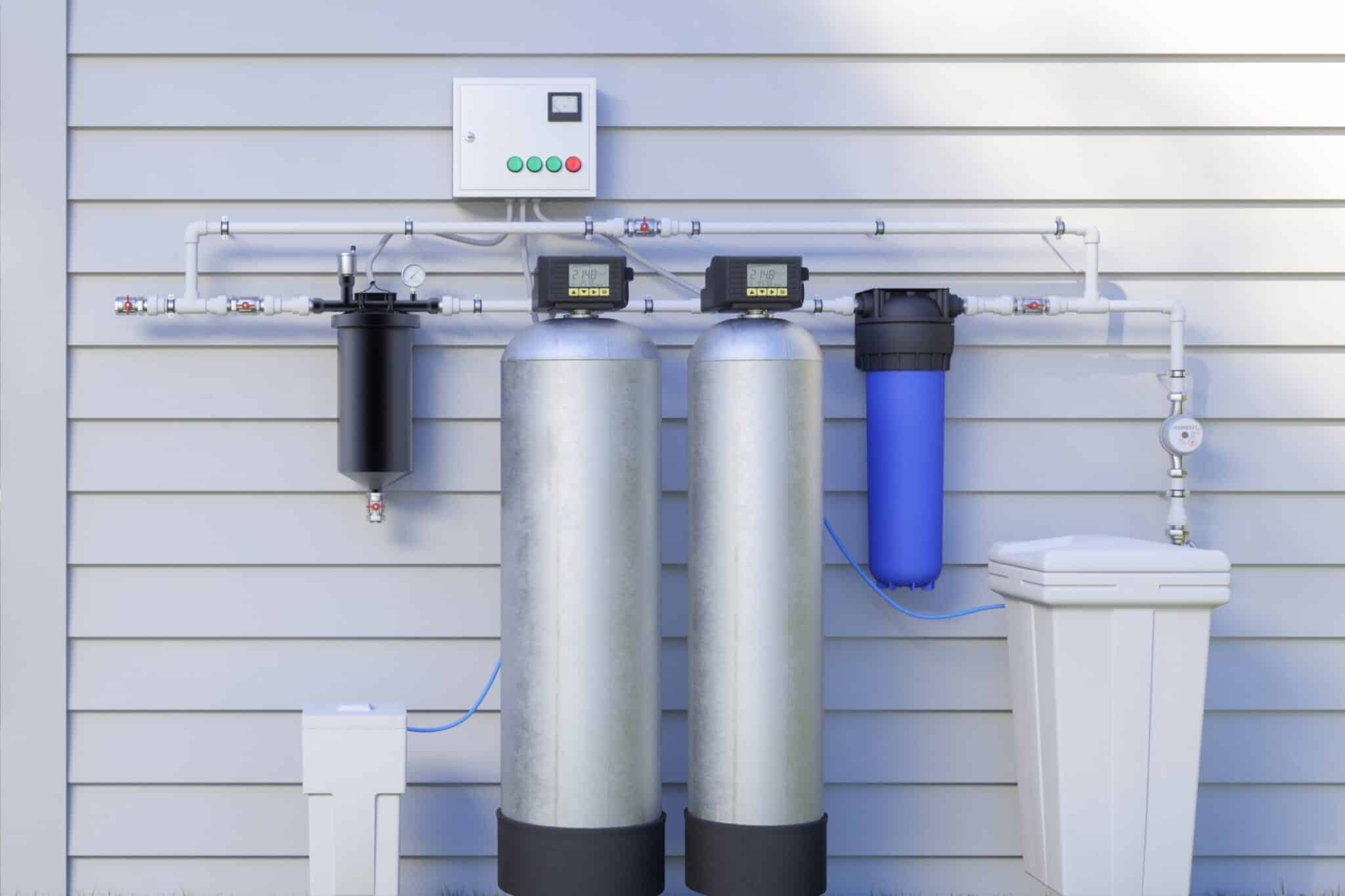
Water Softener System For Tankless Water Heater

Protecting Your Investment: Why a Water Softener is Essential for Tankless Water Heaters
Tankless water heaters, also known as on-demand water heaters, have become increasingly popular due to their energy efficiency and space-saving design. However, their sophisticated technology makes them particularly vulnerable to the damaging effects of hard water. Investing in a water softener system can significantly extend the lifespan and optimize the performance of your tankless water heater, ultimately saving you money and hassle in the long run.
The Hard Water Problem: A Tankless Water Heater's Worst Enemy
Hard water contains high concentrations of minerals, primarily calcium and magnesium. As water heats, these minerals precipitate out of the solution and form scale, a hard, crusty buildup that accumulates inside pipes, fixtures, and appliances. In a tankless water heater, scale buildup is particularly problematic because:
- Reduced Efficiency: Scale acts as an insulator, reducing the heat transfer efficiency of the heating element. This means your tankless water heater has to work harder to heat the water, consuming more energy and increasing your utility bills.
- Overheating: Excessive scale buildup can cause the heating element to overheat, potentially leading to premature failure and costly repairs.
- Restricted Water Flow: Scale can narrow the internal passageways of the tankless water heater, restricting water flow and reducing the hot water output. This can result in inconsistent water temperatures and longer wait times for hot water.
- Voided Warranty: Many tankless water heater manufacturers require the use of softened water to maintain the validity of their warranty. Failing to do so can result in denial of warranty claims for scale-related issues.
Water Softener Systems: The Solution to Hard Water Woes
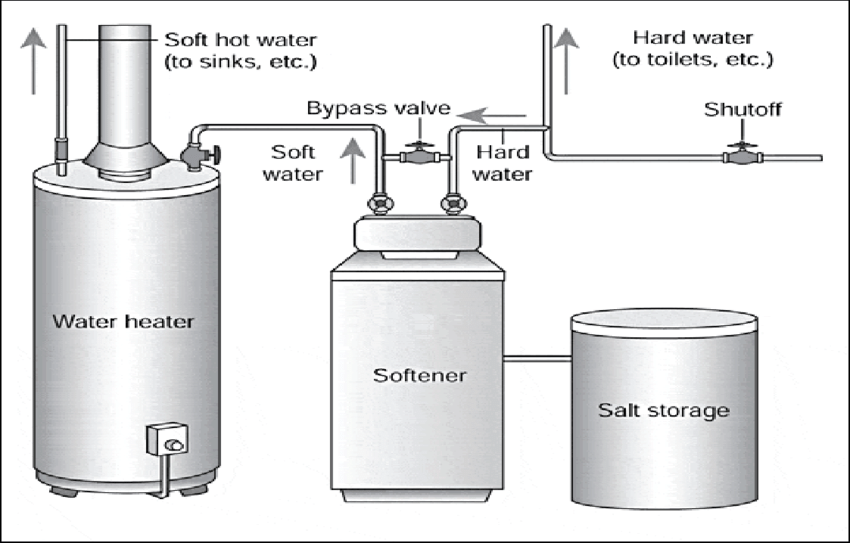
A water softener system removes calcium and magnesium ions from hard water through a process called ion exchange. The system typically consists of a mineral tank filled with resin beads, a brine tank, and a control valve. As hard water flows through the mineral tank, the resin beads attract and hold the calcium and magnesium ions, replacing them with sodium or potassium ions. The brine tank contains a concentrated salt solution that is used to regenerate the resin beads, periodically flushing away the accumulated calcium and magnesium.
Choosing the Right Water Softener System for Your Tankless Water Heater
Selecting the appropriate water softener system depends on several factors, including your water hardness level, water consumption, and budget.
Key Considerations:
- Water Hardness: This is measured in grains per gallon (GPG) or parts per million (PPM). A water test can determine the hardness of your water supply. The higher the GPG or PPM, the more hardness needs to be removed.
- Water Consumption: Estimate your average daily water consumption based on the number of people in your household and your typical water usage habits.
- Softener Capacity: The capacity of a water softener is measured in grains. Choose a system with a capacity that is sufficient to handle your water hardness and consumption needs. An undersized system will require more frequent regeneration, while an oversized system may be inefficient.
- Flow Rate: Ensure that the water softener has a flow rate that is adequate for your tankless water heater's maximum flow rate. A restricted flow rate can reduce the performance of your tankless water heater.
- Regeneration Type: Water softeners use different regeneration methods, including time-initiated, meter-initiated, and smart regeneration. Meter-initiated regeneration is generally more efficient than time-initiated, as it regenerates based on actual water usage. Smart regeneration systems use sensors and algorithms to optimize the regeneration process.
- Salt Type: Water softeners typically use rock salt, solar salt, or potassium chloride. Rock salt is the cheapest option but contains impurities that can accumulate in the brine tank. Solar salt is a purer form of salt, while potassium chloride is a salt-free alternative that is suitable for people on low-sodium diets.
Types of Water Softeners
Several types of water softeners are available on the market, each with its own advantages and disadvantages.
- Salt-Based Water Softeners: These are the most common type of water softener and are highly effective at removing hard water minerals. They require regular salt replenishment.
- Salt-Free Water Conditioners: These systems do not remove hard water minerals but instead alter their molecular structure to prevent them from forming scale. They require no salt and produce no wastewater. However, they may not be as effective as salt-based water softeners for very hard water.
- Dual-Tank Water Softeners: These systems have two mineral tanks, allowing for continuous soft water even during regeneration. They are ideal for households with high water consumption.
Popular Water Softener Brands and Models
Here are a few popular water softener brands and models known for their reliability and performance:
- Whirlpool: Whirlpool offers a range of water softeners suitable for various household sizes and water hardness levels. Their models are known for their ease of installation and user-friendly controls.
- GE: GE water softeners are another popular choice, offering features such as SmartDispense technology and automatic salt level monitoring.
- EcoPure: EcoPure water softeners are designed for efficiency and affordability. They offer models with demand-initiated regeneration and space-saving designs.
- Aquasana: Aquasana offers both salt-based water softeners and salt-free water conditioners. Their Rhino series is a popular choice for whole-house filtration.
- WaterBoss: WaterBoss water softeners are known for their compact design and high flow rates.
When comparing models, consider factors such as the system's capacity, flow rate, regeneration type, and warranty. Read online reviews and consult with a plumbing professional to determine the best option for your specific needs.
Installation and Maintenance
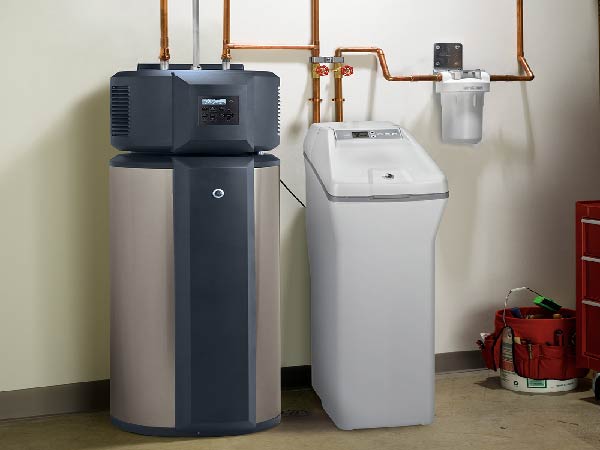
Water softener installation can be a DIY project for experienced homeowners, but it is generally recommended to hire a qualified plumber. Proper installation is crucial to ensure the system operates efficiently and safely. Maintenance typically involves:
- Adding Salt: Regularly check the salt level in the brine tank and replenish as needed.
- Cleaning the Brine Tank: Periodically clean the brine tank to remove sediment and salt buildup.
- Checking for Leaks: Inspect the system for leaks and repair any leaks promptly.
- Professional Service: Schedule annual maintenance with a qualified technician to ensure optimal performance and prevent potential problems.
Cost Considerations
The cost of a water softener system varies depending on the type of system, capacity, features, and installation costs. Salt-based water softeners typically range in price from $500 to $2,000, while salt-free water conditioners may cost slightly more. Installation costs can range from $200 to $500 or more, depending on the complexity of the installation. Ongoing costs include the cost of salt or potassium chloride and the cost of maintenance.
While the initial investment in a water softener system may seem significant, it can save you money in the long run by extending the lifespan of your tankless water heater, reducing energy consumption, and preventing costly repairs. Furthermore, soft water offers numerous other benefits, such as cleaner clothes, shinier hair, and less soap scum in your bathrooms.
Tankless Water Heaters and Water Quality
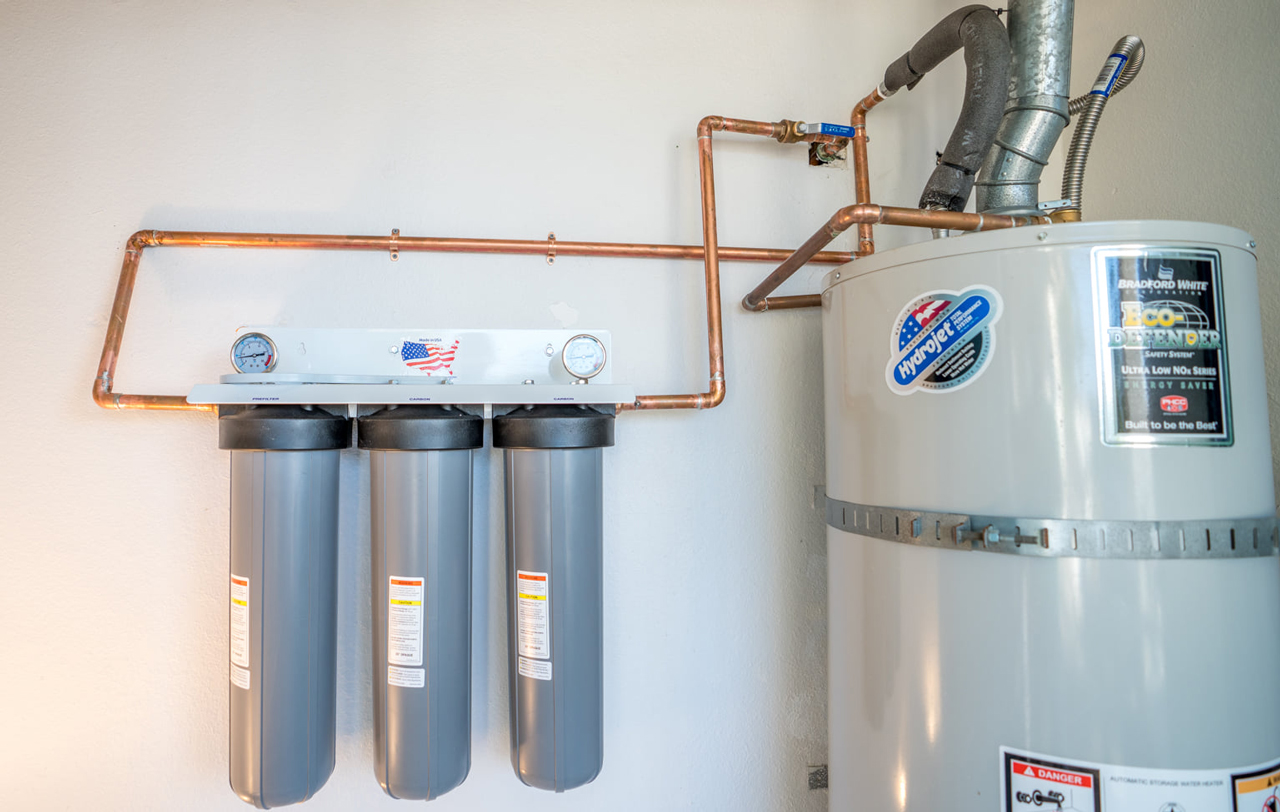
While we've focused on hard water, it's important to consider other water quality factors that can affect your tankless water heater. Sediment, iron, and other contaminants can also cause problems. Consider a whole-house water filter in addition to a water softener for optimal water quality and appliance protection.
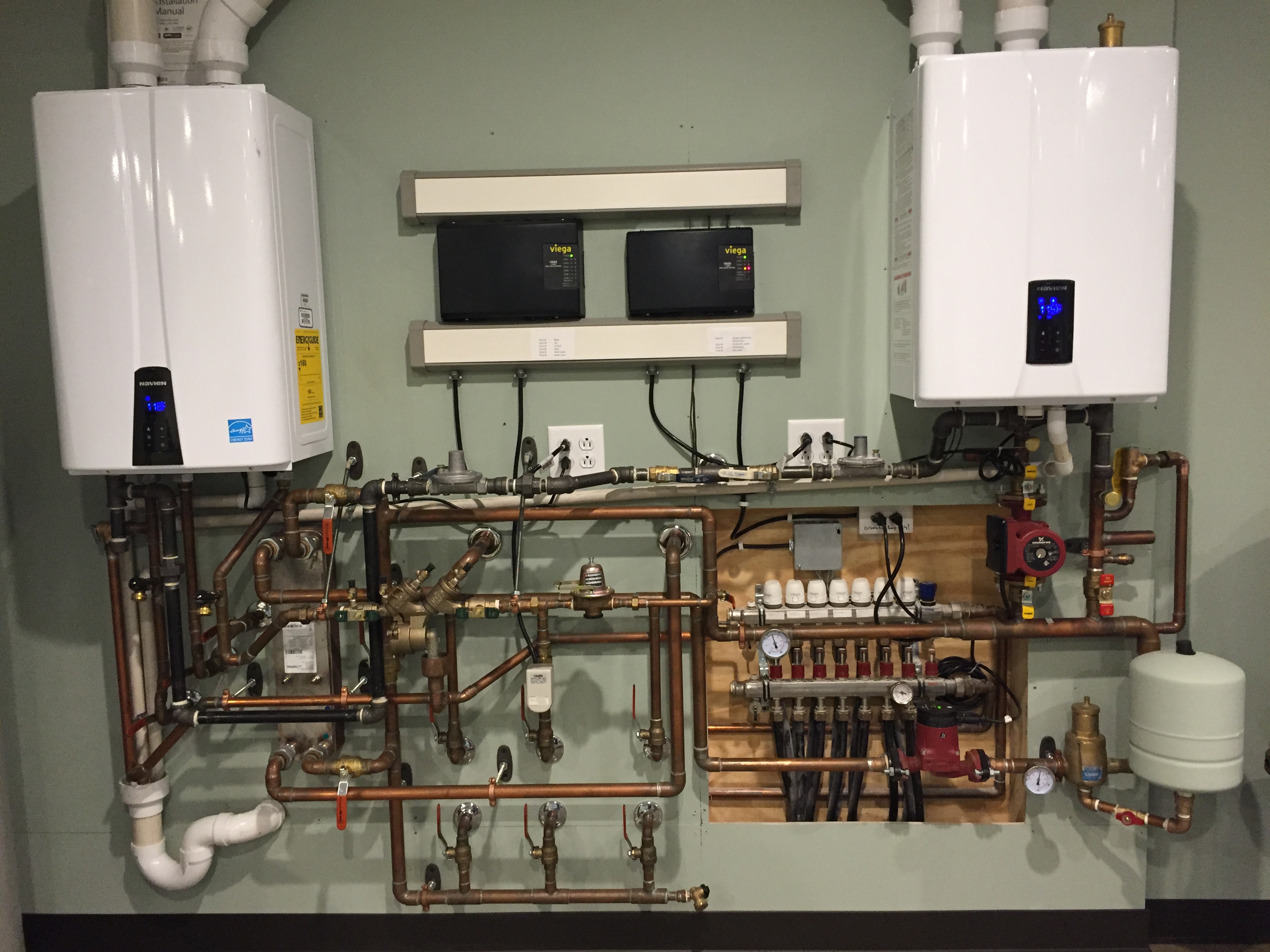
When selecting a tankless water heater, consider models with built-in scale prevention features. Some manufacturers, like Rinnai and Navien, offer models with advanced features designed to mitigate the effects of hard water.
Conclusion: Protecting Your Investment for Long-Term Performance
Investing in a water softener system is a smart decision for anyone who owns or is considering purchasing a tankless water heater. By removing hard water minerals, a water softener can protect your investment, optimize performance, and save you money in the long run. Carefully consider your water hardness level, water consumption, and budget when choosing a water softener system, and don't hesitate to consult with a qualified plumbing professional for expert advice. Protecting your tankless water heater with a quality water softener is an investment in the longevity and efficiency of your home's hot water system.