Weep Holes Above Lintels
Understanding weep holes above lintels is crucial for maintaining the structural integrity and longevity of your building. This guide explains what they are, why they are important, and how to ensure they function correctly.
What is a Lintel?
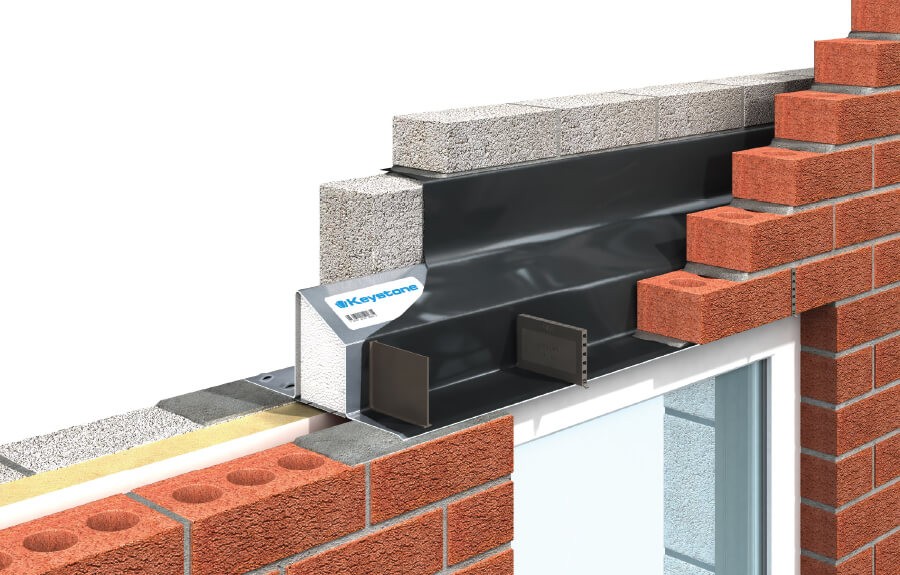
Before diving into weep holes, let's define a lintel. A lintel is a horizontal structural member that spans an opening, such as a window or a door. Think of it as a beam that supports the weight of the wall above the opening.
Lintels are typically made of materials like steel, concrete, stone, or wood, depending on the design and load requirements of the building. Their primary function is to redistribute the load, preventing the weight from directly pressing down on the window or door frame and causing damage.
What are Weep Holes?
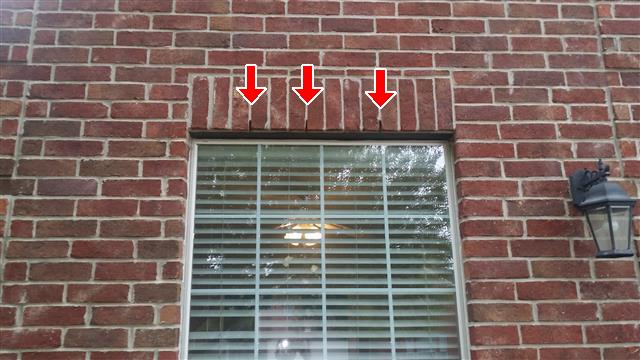
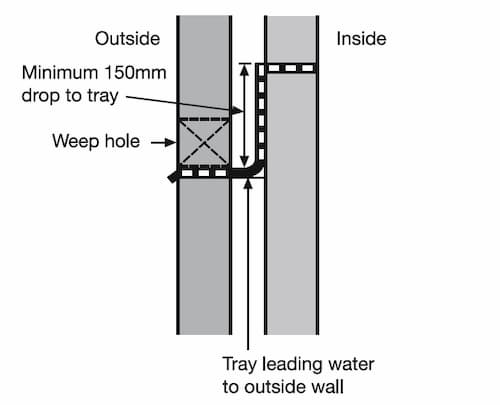
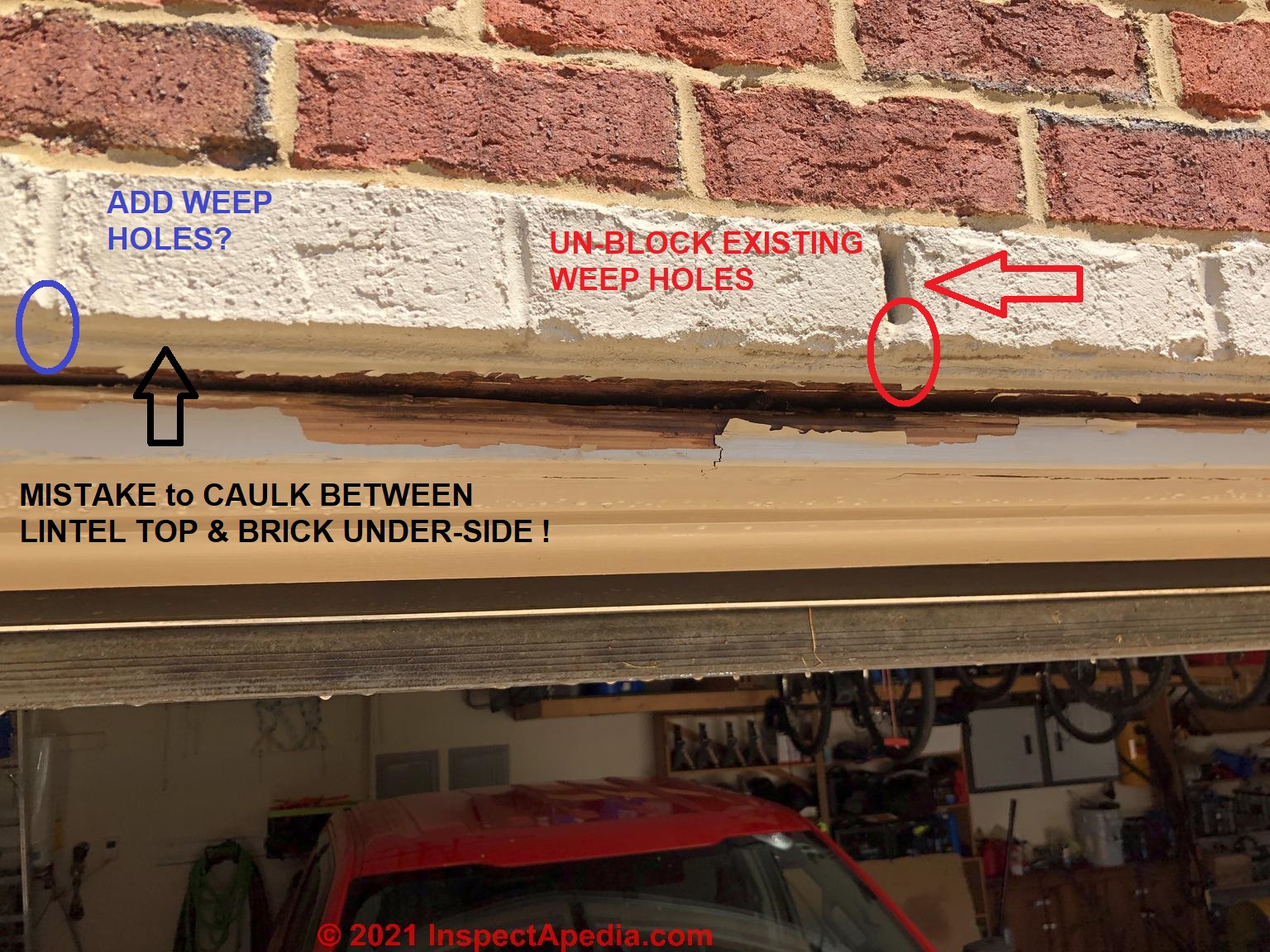
Weep holes are small openings or gaps intentionally left in the construction of a wall, usually just above a lintel. They are designed to allow water that has penetrated the wall cavity to escape to the exterior. Imagine them as tiny escape routes for trapped moisture.
These holes are usually spaced at regular intervals and are relatively small, typically around ¼ to ⅜ of an inch in diameter. Their size and spacing are critical for their effectiveness without compromising the wall's appearance or structural integrity.
Why are Weep Holes Above Lintels Important?
The area above a lintel is particularly vulnerable to moisture accumulation for several reasons:
- Rain Penetration: Rain can be driven into the wall through cracks, porous materials, or imperfect sealing around windows and doors.
- Condensation: Temperature differences between the interior and exterior can lead to condensation forming within the wall cavity.
- Rising Damp: In some cases, moisture can rise from the ground through capillary action in the building materials.
Without weep holes, this moisture can cause a range of problems:
- Material Degradation: Water can lead to the corrosion of steel lintels, the rotting of wood lintels, and the spalling or cracking of brick and mortar. This weakens the lintel and compromises its ability to support the wall above.
- Freeze-Thaw Damage: In colder climates, water trapped in the wall can freeze and expand, putting pressure on the surrounding materials and causing them to crack or crumble.
- Mold and Mildew Growth: Damp conditions within the wall cavity create an ideal environment for mold and mildew to thrive. This can lead to health problems for occupants and further damage to the building materials.
- Efflorescence: Water migrating through masonry can dissolve salts within the brick or mortar. As the water evaporates on the surface, it leaves behind a white, powdery deposit called efflorescence. While not structurally damaging in small amounts, it can be unsightly and indicative of underlying moisture issues.
In essence, weep holes act as a preventative measure, allowing water to escape before it can cause these problems. They protect the structural integrity of the lintel and the overall health of the building.
How Weep Holes Work
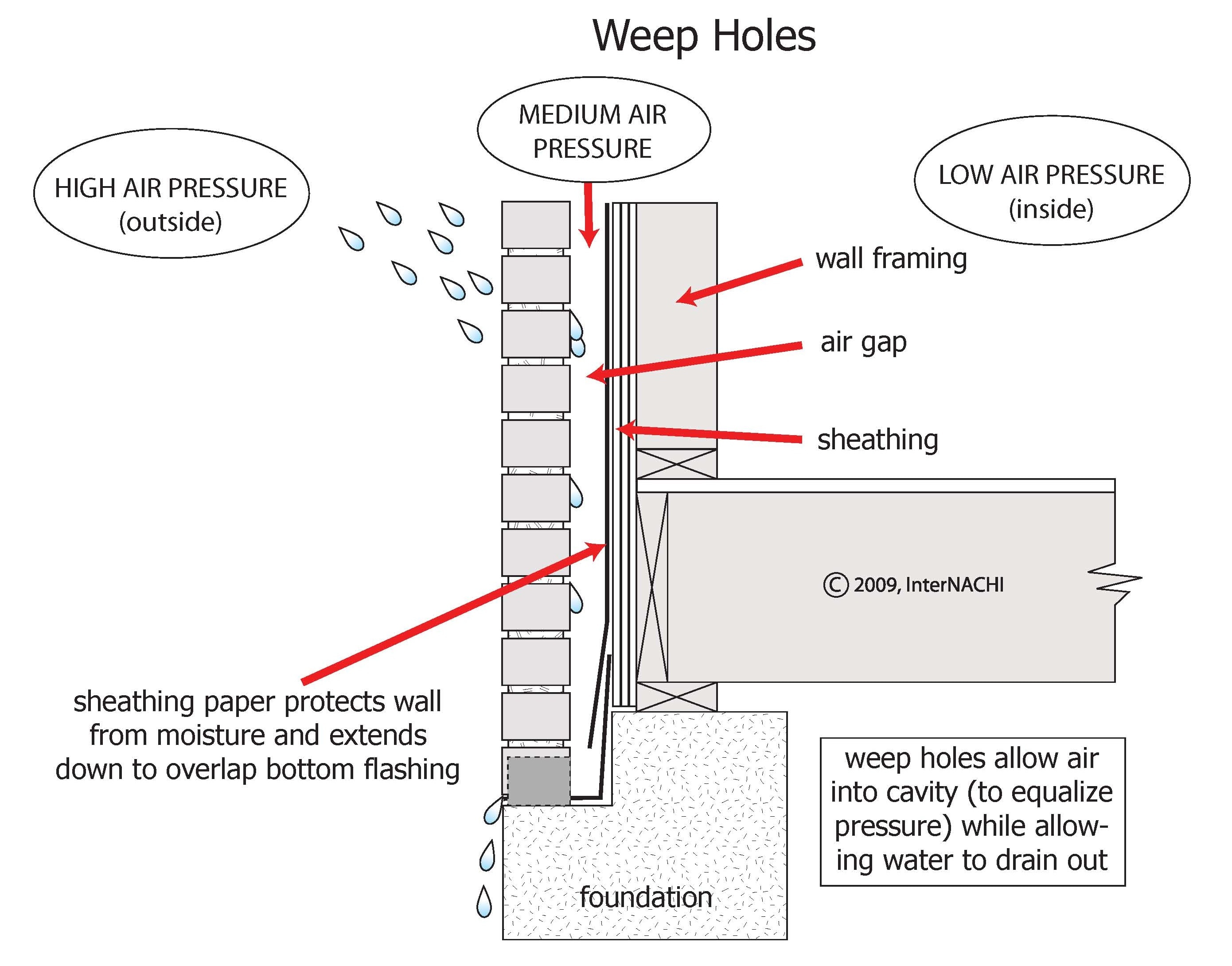
Weep holes rely on gravity and air circulation to function effectively. Water that enters the wall cavity flows downwards and collects on the flashing above the lintel. The weep holes then provide an exit point for this water, allowing it to drain out of the wall. Air circulation through the weep holes also helps to dry out the wall cavity, preventing moisture buildup.
Think of it like a drainage system for your walls. Just as gutters and downspouts direct rainwater away from your foundation, weep holes direct water away from the lintel and wall cavity.
Types of Weep Holes
While the basic function of weep holes remains the same, there are different types of weep hole designs:
- Open Head Joints: These are simply gaps left in the mortar joints between bricks. They are the most common type of weep hole and are relatively easy to install.
- Plastic Weep Hole Tubes: These are small plastic tubes inserted into the mortar joints. They provide a more defined and consistent opening for water to escape. They also help prevent insects from entering the wall cavity.
- Rope Wicks: These are lengths of absorbent rope inserted into the mortar joints. They act as a wick, drawing water out of the wall cavity.
The choice of weep hole type depends on the specific construction details, aesthetic preferences, and local building codes.
Proper Installation of Weep Holes
The effectiveness of weep holes hinges on proper installation. Here are some key considerations:
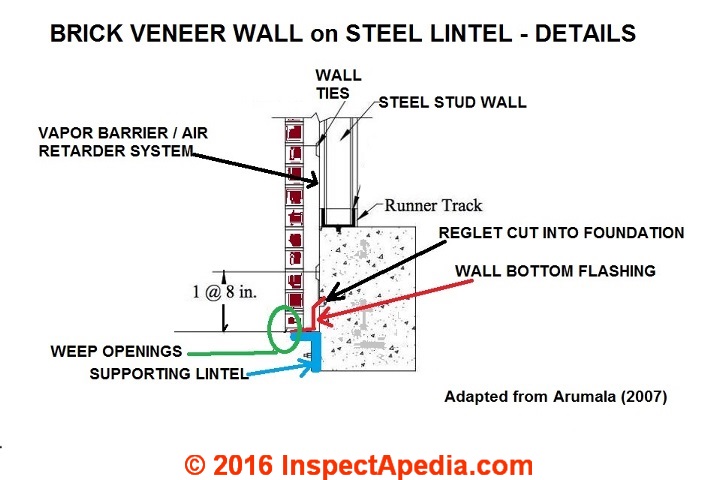
- Placement: Weep holes should be located directly above the flashing, which is a waterproof barrier that directs water outwards. They are typically spaced at intervals of 24 to 32 inches along the lintel.
- Size: The weep holes should be large enough to allow water to drain freely but small enough to prevent insects or debris from entering.
- Cleanliness: The weep holes must be kept clear of mortar droppings or other obstructions that could block the flow of water.
- Flashing: Proper flashing is essential. The flashing should extend beyond the face of the wall to direct water away from the building. It must also be properly integrated with the wall's waterproofing system. Think of flashing as the raincoat of your wall. It sheds water and protects the underlying structure.
Maintaining Weep Holes
Even with proper installation, weep holes can become blocked over time by debris, insects, or plant growth. Regular maintenance is essential to ensure they continue to function effectively.
Here are some maintenance tips:
- Inspect regularly: Check weep holes at least twice a year for any signs of blockage.
- Clear obstructions: Use a small tool, such as a wire or screwdriver, to remove any debris from the weep holes.
- Control vegetation: Trim back any plants that are growing near the weep holes to prevent them from becoming blocked.
- Insect control: Consider using insect screens or repellents to prevent insects from nesting in the weep holes.
Neglecting weep hole maintenance can undo all the benefits of having them in the first place. Make it a part of your routine building maintenance schedule.
Signs of Weep Hole Problems
If you notice any of the following signs, it could indicate a problem with your weep holes:
- Water stains below the lintel: This indicates that water is not draining properly and is instead running down the face of the wall.
- Efflorescence on the wall: This is a sign that water is migrating through the masonry and depositing salts on the surface.
- Spalling or cracking of the brick or mortar: This is a sign of moisture damage and freeze-thaw cycling.
- Mold or mildew growth: This indicates excessive moisture within the wall cavity.
- Rusting lintel: This is a sign of moisture penetrating the lintel area.
If you observe any of these signs, it's important to investigate the problem and take corrective action as soon as possible. This may involve clearing blocked weep holes, repairing damaged flashing, or addressing other sources of moisture intrusion.
When to Consult a Professional
While some weep hole maintenance tasks can be performed by homeowners, more complex issues may require the expertise of a qualified professional. Consider consulting a contractor, mason, or structural engineer if you encounter any of the following situations:
- Extensive damage to the brick or mortar: If the brick or mortar is severely cracked or spalled, it may require professional repair or replacement.
- Corroded or damaged lintel: A severely corroded or damaged lintel may need to be replaced.
- Persistent moisture problems: If you are unable to identify and correct the source of moisture intrusion, a professional can help diagnose the problem and recommend appropriate solutions.
- Structural concerns: If you have any concerns about the structural integrity of the wall, consult a structural engineer.
Building Codes and Regulations
Building codes and regulations often specify requirements for weep holes, including their size, spacing, and placement. It's important to check your local building codes to ensure that your weep holes comply with all applicable requirements. These regulations are in place to safeguard the structural integrity and longevity of buildings.
Conclusion
Weep holes above lintels are small but crucially important features that protect buildings from moisture damage. By understanding their function, proper installation, and maintenance, you can help ensure the long-term health and structural integrity of your property. Regular inspection and prompt attention to any signs of problems will pay dividends in preventing costly repairs down the road. Remember, proactive maintenance is always more cost-effective than reactive repairs.