Weil Mclain Flame Sensor

The flame sensor, often a small but crucial component in your heating system, plays a vital role in ensuring safe and efficient operation. In Weil-McLain boilers, a leading brand recognized for its quality and reliability, the flame sensor is specifically designed to work in conjunction with their sophisticated control systems. This article delves into the intricacies of Weil-McLain flame sensors, exploring their function, troubleshooting, and maintenance, offering valuable insights for homeowners, HVAC technicians, and facility managers alike.
Understanding the Weil-McLain Flame Sensor
At its core, the flame sensor is a safety device. Its primary function is to detect the presence of a flame within the combustion chamber of your Weil-McLain boiler. If the sensor doesn't detect a flame when the system calls for heat, it signals the control board to shut off the gas supply, preventing a potentially dangerous buildup of unburned fuel. This is a critical safety feature, safeguarding against explosions and carbon monoxide leaks.
In Weil-McLain boilers, the flame sensor typically operates on a principle called flame rectification. This involves using the flame itself to conduct a small electrical current. Here's how it works:
- A small AC (alternating current) voltage is applied to the flame sensor.
- When a flame is present, it acts as a rectifier, changing the AC current to a DC (direct current) current.
- The control board monitors this DC current. If the current is within a specific range, it confirms the presence of a stable flame.
- If the current is absent or outside the acceptable range, the control board interprets this as a flame failure and shuts down the gas valve.
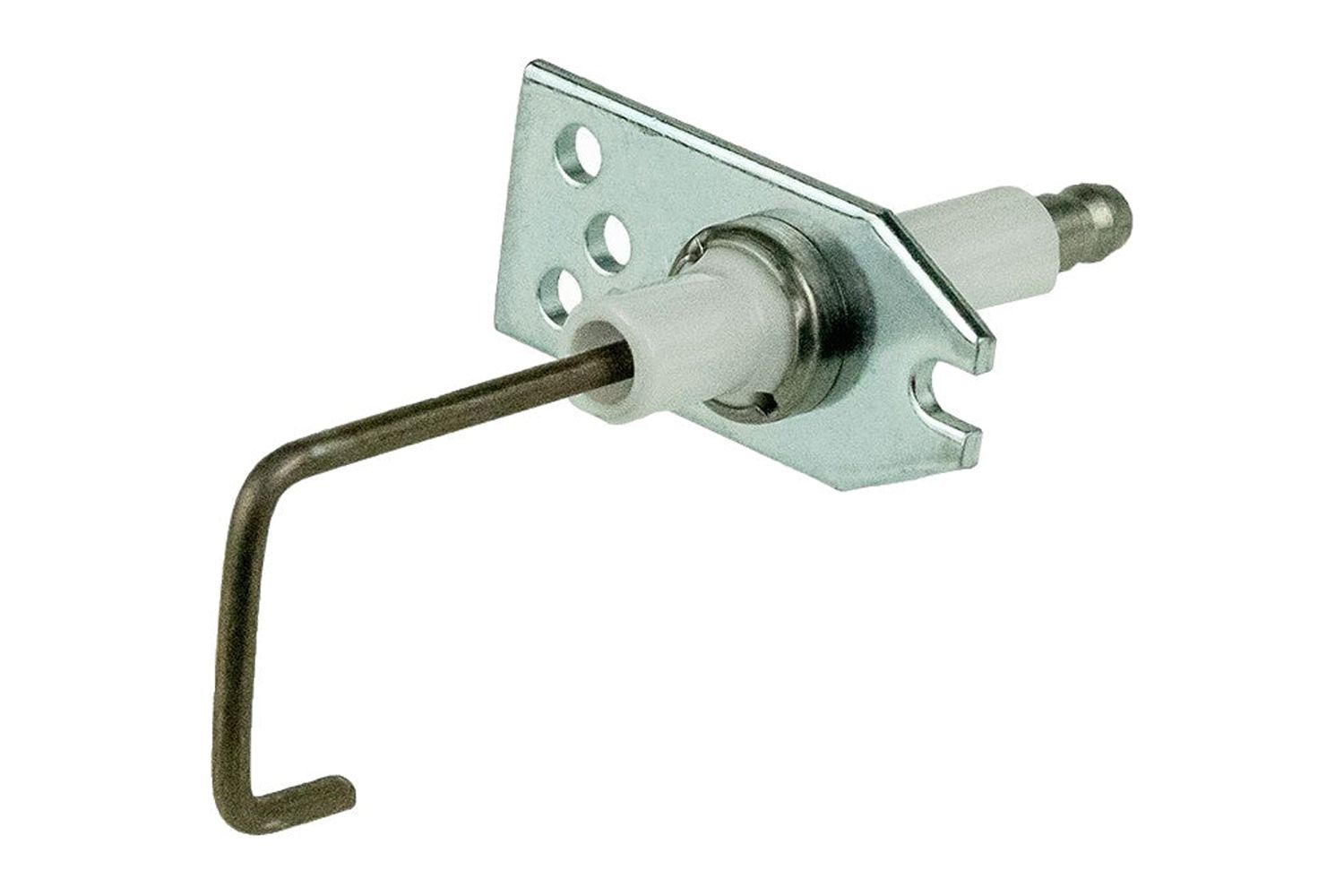
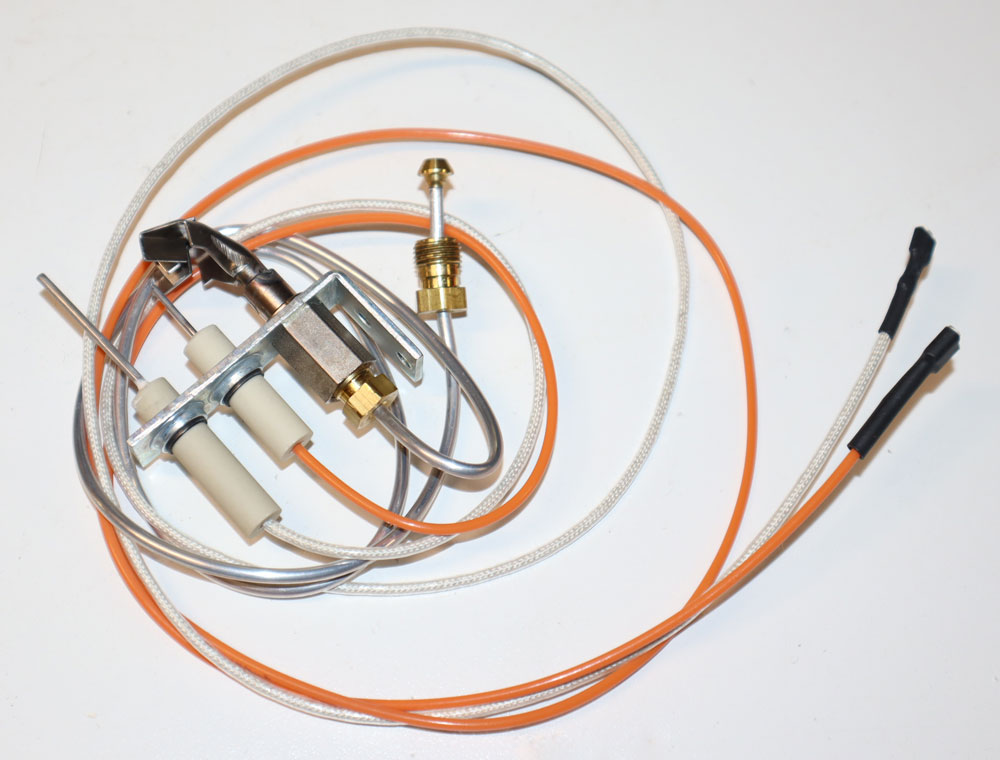
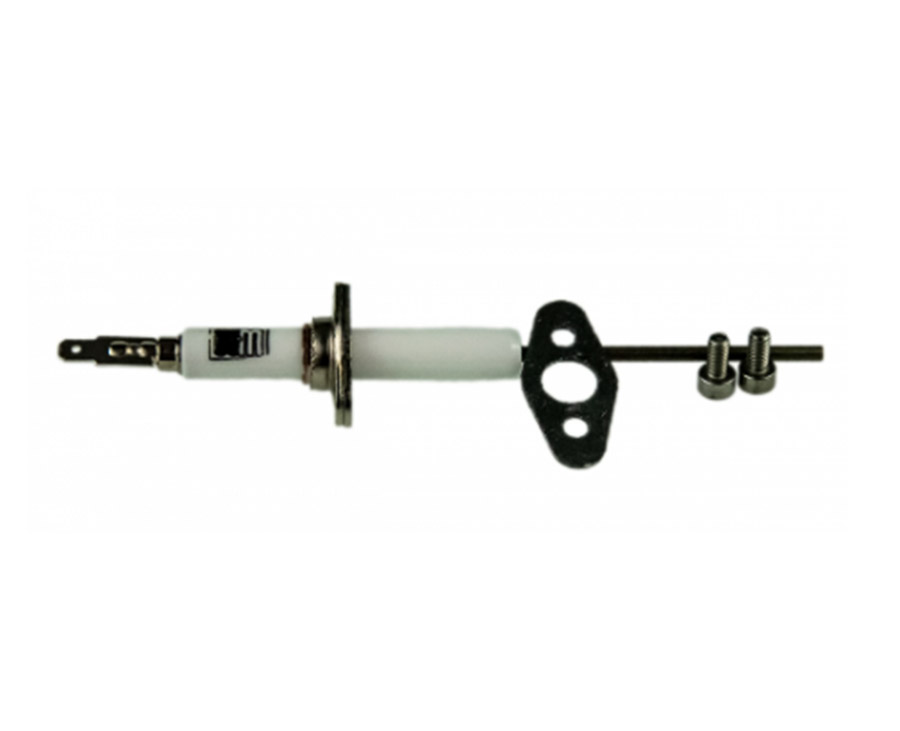
Weil-McLain boilers utilize different types of flame sensors depending on the model and age of the unit. The most common type is a flame rod, a thin, metallic rod that extends into the flame. Other models might use specialized sensors integrated within the burner assembly.
Specific Weil-McLain Models and Flame Sensors
Weil-McLain offers a diverse range of boilers, each with specific flame sensor requirements. Here are a few examples:
- Ultra Series: These high-efficiency condensing boilers often feature advanced flame sensors that are integrated with the boiler's sophisticated control system.
- CGa Series: These cast-iron boilers, known for their durability, typically use a standard flame rod.
- GV Series: Similar to the CGa series, these boilers also commonly employ a flame rod system.
Always refer to the Weil-McLain service manual for your specific boiler model to ensure proper flame sensor identification and maintenance procedures.
Troubleshooting Flame Sensor Issues
A malfunctioning flame sensor is a common cause of heating system problems. When the sensor fails, the boiler might experience intermittent operation, frequent shutdowns, or a complete inability to start. Here are some common symptoms of a faulty Weil-McLain flame sensor:
- Boiler starts and then shuts down after a few seconds or minutes: This is the most typical symptom. The boiler ignites, but the flame sensor fails to detect the flame, causing the control board to shut down the gas valve.
- Boiler lockout: The control board might enter a lockout mode after repeated flame failures, requiring manual reset.
- Error codes: Many Weil-McLain boilers display error codes that specifically indicate a flame sensor problem. Consult the service manual for your model to interpret these codes.
Common Causes of Flame Sensor Failure
Several factors can contribute to flame sensor failure:
- Dirt and deposits: Soot, dust, and other contaminants can accumulate on the flame sensor, interfering with its ability to detect the flame. This is the most common cause of flame sensor issues.
- Corrosion: Over time, the flame sensor can corrode due to exposure to high temperatures and combustion byproducts.
- Cracks or damage: Physical damage to the flame sensor rod or its wiring can disrupt its functionality.
- Weak flame signal: A weak flame, caused by issues such as improper gas pressure or burner problems, can prevent the sensor from generating a sufficient DC current.
- Faulty wiring: Loose or damaged wiring connections can interrupt the signal between the flame sensor and the control board.
- Control board issues: In rare cases, the problem might lie within the control board itself, rather than the flame sensor.
Troubleshooting Steps
Before replacing the flame sensor, follow these troubleshooting steps:
- Visual inspection: Carefully inspect the flame sensor for any signs of dirt, corrosion, cracks, or damage. Clean the sensor with a fine emery cloth or steel wool to remove any deposits. Be gentle to avoid damaging the sensor.
- Check wiring connections: Ensure that all wiring connections to the flame sensor and control board are secure and free of corrosion.
- Measure flame signal: Using a multimeter, measure the DC current generated by the flame sensor when the boiler is operating. Consult the Weil-McLain service manual for your model to determine the acceptable current range. A low current reading indicates a potential problem with the sensor or the flame itself.
- Test the flame: Observe the flame. It should be a stable, blue flame. A yellow or flickering flame could indicate combustion issues.
Important Safety Note: Always turn off the power to the boiler before performing any troubleshooting or maintenance. If you are not comfortable working with electrical components or gas lines, consult a qualified HVAC technician.
Replacing the Weil-McLain Flame Sensor
If troubleshooting reveals that the flame sensor is indeed faulty, replacement is usually a straightforward process. However, it's crucial to follow the manufacturer's instructions and safety precautions.
- Turn off the power to the boiler.
- Locate the flame sensor. It's typically located near the burner assembly. Refer to the service manual for the exact location.
- Disconnect the wiring from the flame sensor.
- Remove the old flame sensor. It's usually held in place by a screw or clip.
- Install the new flame sensor. Ensure it is properly positioned and secured.
- Reconnect the wiring.
- Turn on the power to the boiler.
- Test the boiler operation. Verify that the boiler starts and runs without any flame failure issues.
Always use a genuine Weil-McLain replacement flame sensor to ensure proper compatibility and performance. Using generic or aftermarket sensors can compromise the safety and efficiency of your boiler.
Cost of Replacement
The cost of replacing a Weil-McLain flame sensor typically ranges from $50 to $200, depending on the model and where you purchase the replacement part. Labor costs for professional installation can add another $100 to $300, depending on the complexity of the job and the hourly rate of the HVAC technician.
Preventative Maintenance
Regular maintenance is key to preventing flame sensor problems and extending the life of your Weil-McLain boiler. Here are some preventative maintenance tips:
- Annual inspection and cleaning: Have your boiler professionally inspected and cleaned annually by a qualified HVAC technician. This includes cleaning the flame sensor and checking its wiring connections.
- Proper combustion: Ensure that your boiler is properly tuned and that the combustion is optimized. This helps to minimize soot and deposit buildup on the flame sensor.
- Air filter maintenance: Keep the air filters clean to ensure proper airflow to the burner. Restricted airflow can lead to incomplete combustion and increased soot production.
- Monitor boiler operation: Pay attention to the boiler's operation and any unusual noises or error codes. Address any issues promptly to prevent further damage.
By following these preventative maintenance tips, you can minimize the risk of flame sensor failure and ensure that your Weil-McLain boiler operates safely and efficiently for years to come.
Conclusion
The Weil-McLain flame sensor is a critical safety component that protects against potential hazards in your heating system. Understanding its function, troubleshooting common issues, and performing regular maintenance can help you keep your boiler running smoothly and safely. Whether you're a homeowner, HVAC technician, or facility manager, this knowledge empowers you to address flame sensor problems effectively and ensure the reliable operation of your Weil-McLain boiler.