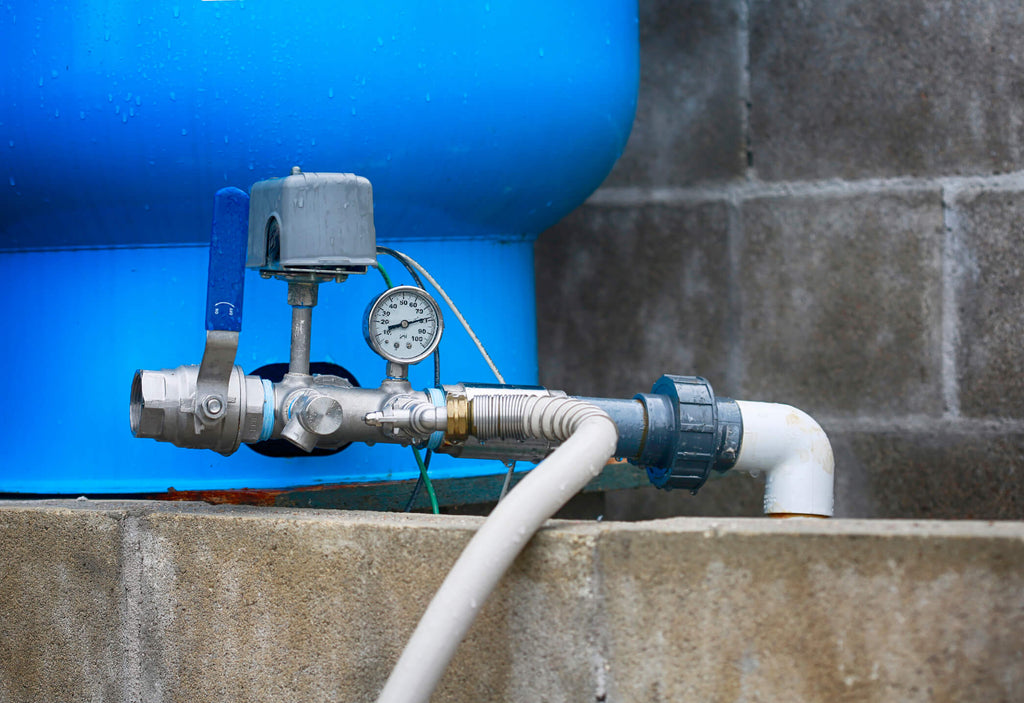
Well Water Tank Pressure Relief Valve

A pressure relief valve (PRV) on a well water tank is a crucial safety device designed to protect your water system from over-pressurization. Understanding its function, maintenance, and potential issues is vital for homeowners, HVAC technicians, and facility managers alike. This article delves into the intricacies of well water tank PRVs, covering their purpose, operation, troubleshooting, and replacement.
Understanding Well Water Tank Systems and Pressure
Before discussing the PRV, it's essential to grasp the basics of a well water system. Most residential well systems use a submersible pump located within the well itself. This pump pushes water up into a pressure tank located in your home. The pressure tank stores water under pressure, providing a readily available supply and preventing the pump from constantly cycling on and off. This cycling, also known as short-cycling, puts undue stress on the pump, shortening its lifespan and wasting energy.
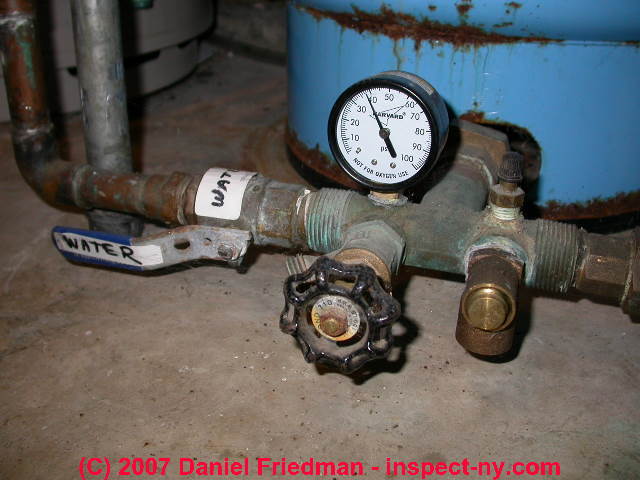
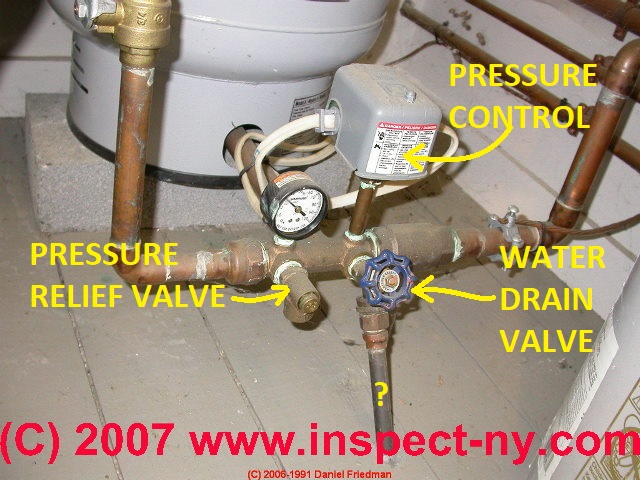
The pressure within the tank is typically controlled by a pressure switch. This switch monitors the water pressure and activates the pump when the pressure drops below a pre-set low point (e.g., 40 psi) and shuts it off when the pressure reaches a pre-set high point (e.g., 60 psi). This 40/60 pressure setting is a common residential setup, but others exist depending on the system design and household needs. The air cushion within the tank, maintained by either a bladder or air volume control, is crucial for proper pressure regulation. Loss of this air cushion can lead to waterlogging and frequent pump cycling.
Why is a Pressure Relief Valve Necessary?
Several scenarios can lead to over-pressurization in a well water tank, making the PRV a critical safety component:
- Faulty Pressure Switch: If the pressure switch malfunctions and fails to shut off the pump, the pressure can rise uncontrolled.
- Pump Malfunction: A pump that is excessively powerful or improperly calibrated could also cause over-pressurization.
- Thermal Expansion: In rare cases, thermal expansion of water within a closed system can contribute to a pressure increase.
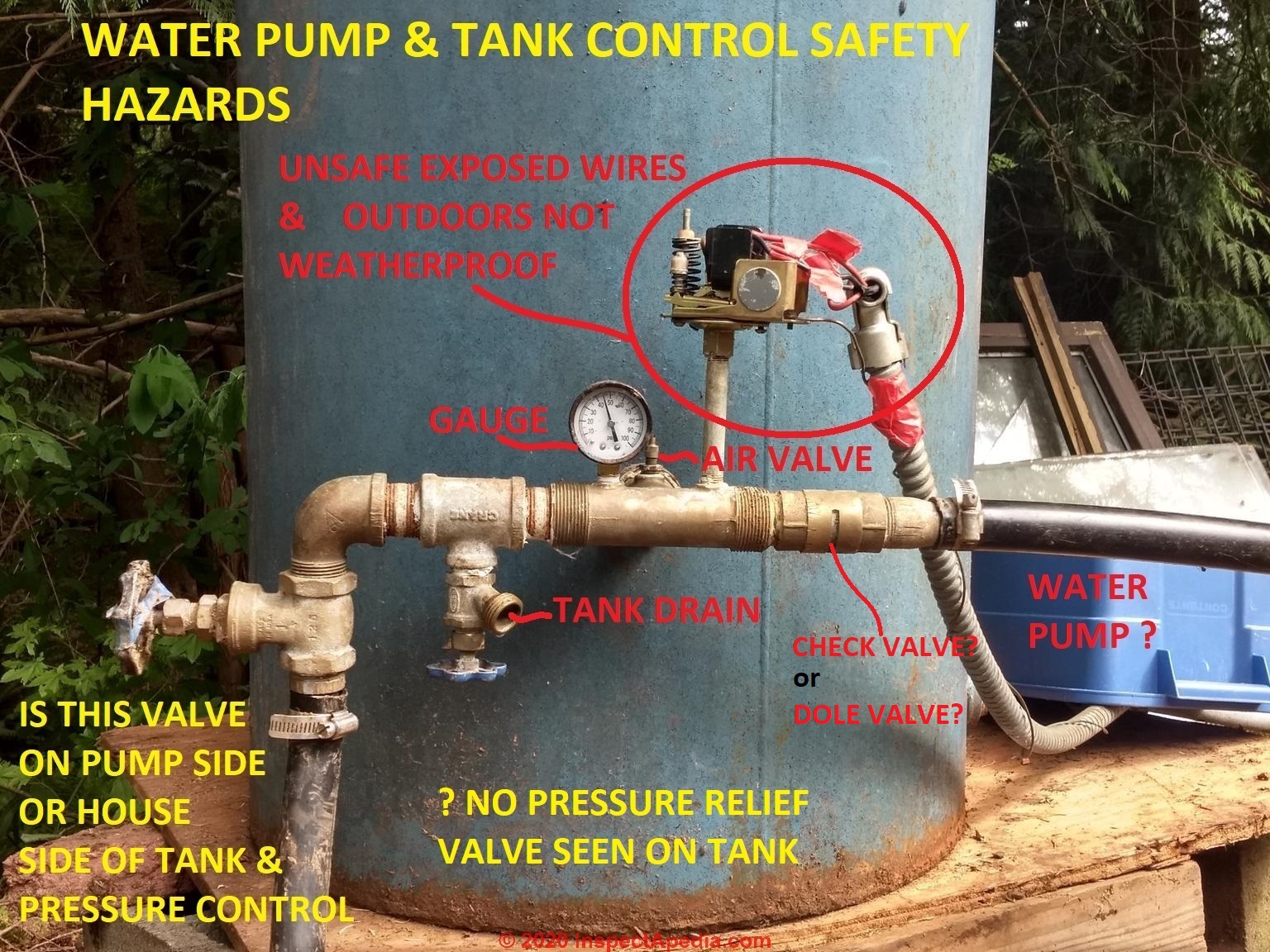
Without a functioning PRV, excessive pressure could cause catastrophic damage, including bursting pipes, tank rupture, and even potential injury to occupants. A PRV provides a controlled release of pressure, preventing these hazardous situations.
The Anatomy and Operation of a Pressure Relief Valve
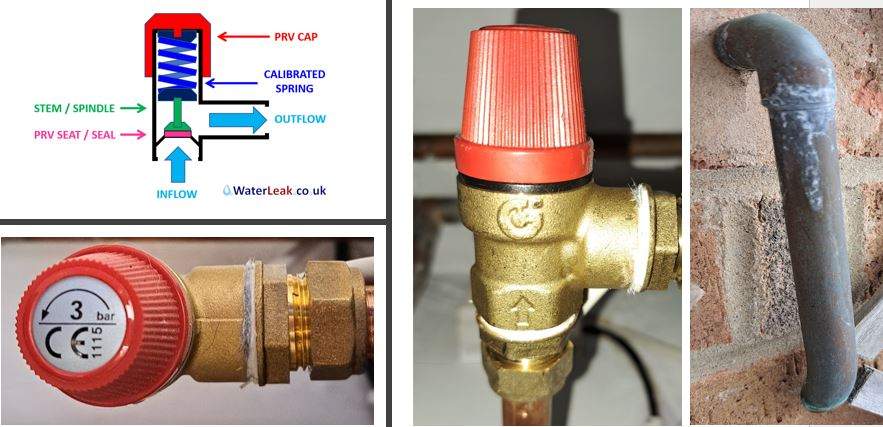
A typical PRV for a well water tank is a spring-loaded valve designed to open and release pressure when it exceeds a pre-set limit. It usually consists of the following key components:
- Body: The main housing of the valve, typically made of brass or bronze.
- Inlet Port: Connects to the pressure tank.
- Outlet Port: Directs the released water to a safe drain location. It's crucial this discharge is visible and directed safely, away from electrical components and areas where people could slip.
- Spring: Provides the force that keeps the valve closed under normal operating pressure.
- Disc/Poppet: Seals the inlet port, preventing water from escaping until the set pressure is reached.
- Adjustment Mechanism (Sometimes): Some PRVs have an adjustable spring tension, allowing you to fine-tune the relief pressure. However, most residential PRVs are factory-set and non-adjustable.
The PRV operates on a simple principle. As pressure within the tank rises, it exerts force on the disc/poppet, opposing the spring's tension. When the pressure exceeds the valve's set point (typically 75 or 100 psi), the spring compresses, allowing the disc/poppet to lift and release water through the outlet port. Once the pressure drops below the set point, the spring forces the disc/poppet back into place, resealing the valve.
Inspecting and Maintaining Your Pressure Relief Valve
Regular inspection and maintenance of your PRV are essential to ensure its proper function. Here's a checklist for homeowners and technicians:
- Visual Inspection: Check the valve for signs of corrosion, leaks, or physical damage. Look for mineral buildup, which can impede its operation.
- Manual Testing: Periodically (at least annually) manually test the valve by lifting the test lever (if equipped). This releases water and verifies that the valve is not stuck. Be cautious when testing, as the water released may be under significant pressure. Direct the water flow safely.
- Check Discharge Pipe: Ensure the discharge pipe is clear and unobstructed. It should lead to a safe drain location and be visible.
- Verify Set Point: Check the valve's set point (stamped on the valve body) to ensure it matches the system requirements. Don't attempt to change a non-adjustable valve's set point.
If the PRV is constantly leaking or fails to operate properly during testing, it needs to be replaced. Don't attempt to repair a faulty PRV; replacement is the only reliable solution.
Troubleshooting Common Pressure Relief Valve Issues
Several issues can arise with PRVs, indicating potential problems with the valve itself or the overall well water system:
- Constant Leaking: This is the most common problem. It could be caused by debris lodged in the valve seat, a corroded or damaged valve seat, or a weak spring. Repeated short bursts of water often indicate a waterlogged tank.
- Failing to Open at Set Pressure: This is a dangerous situation, indicating the valve is stuck or the spring is too strong. It requires immediate attention. Check the pressure gauge on the tank during pump operation; if it exceeds the PRV setpoint without the valve opening, shut down the pump immediately and call a qualified technician.
- Chattering or Vibrating: This can be caused by high flow rates or pressure fluctuations. It may indicate an undersized valve or a problem with the pump's control system.
Replacing a Pressure Relief Valve
Replacing a PRV is a relatively straightforward task, but it's crucial to follow proper safety precautions. Always turn off the power to the well pump and relieve the pressure in the tank before starting the replacement. Here's a step-by-step guide:
- Turn off the pump breaker.
- Depressurize the system: Open a faucet in the house to relieve the pressure in the tank.
- Disconnect the old valve: Use appropriate wrenches to disconnect the old PRV from the tank and the discharge pipe. Be prepared for some residual water to drain out.
- Inspect the threads: Clean the threads on the tank connection and the discharge pipe. Use pipe dope or Teflon tape to ensure a leak-proof seal.
- Install the new valve: Carefully thread the new PRV onto the tank connection and the discharge pipe. Tighten the connections securely, but avoid over-tightening.
- Turn on the pump breaker.
- Check for leaks: Once the pump refills the tank, inspect the connections for leaks. Tighten as needed.
- Test the valve: Manually test the valve to ensure it operates correctly.
When selecting a replacement PRV, ensure it has the same set point and connection size as the original. Using a PRV with a different set point could compromise the safety of your system. Brass or bronze valves are generally preferred for their durability and corrosion resistance. The cost of a PRV typically ranges from $20 to $50, depending on the size and material. Labor costs for professional installation can vary depending on the complexity of the job, but typically range from $100 to $200.
Integrating PRV Information into HVAC System Management
For facility managers and HVAC technicians working on larger buildings with well water systems, the PRV is an integral part of the overall system safety and efficiency. Consider the following:
- Regular Inspection Schedules: Implement a routine inspection schedule for all PRVs in the building. Document the inspection results and any maintenance performed.
- System-Wide Pressure Monitoring: Install pressure gauges at strategic points in the water system to monitor pressure fluctuations and identify potential problems early.
- Training: Ensure maintenance personnel are properly trained on the operation, maintenance, and troubleshooting of well water systems and PRVs.
- Integration with Building Automation Systems (BAS): In advanced systems, consider integrating pressure monitoring data from the well water system into the BAS. This allows for real-time monitoring and automated alerts if pressure exceeds pre-set limits.
By understanding the function, maintenance, and potential issues related to well water tank pressure relief valves, homeowners, HVAC technicians, and facility managers can ensure the safe and efficient operation of their water systems.