Wet Bulb Temperature Vs Dew Point
Many homeowners experience that uncomfortable, sticky feeling inside their homes, even when the temperature isn't particularly high. You might notice condensation on windows, musty smells, or even the dreaded appearance of mold. Often, the culprit isn't just the temperature itself, but rather high humidity levels. Understanding the relationship between Wet Bulb Temperature and Dew Point can be key to diagnosing and addressing these issues.
Understanding the Basics
Before diving into troubleshooting, let's clarify what these terms mean:
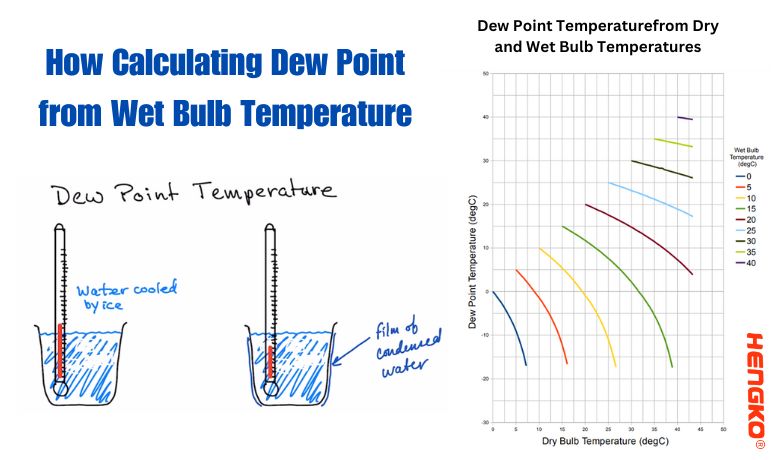
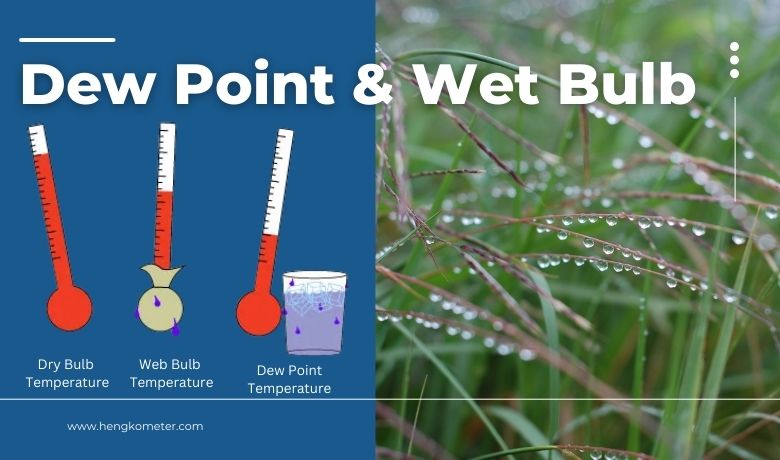
- Dew Point: The dew point is the temperature to which air must be cooled to become saturated with water vapor. In simpler terms, it's the temperature at which dew (or condensation) will start to form. A higher dew point means more moisture in the air.
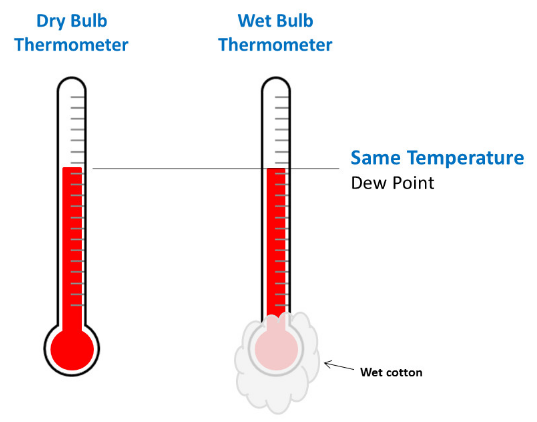
- Wet Bulb Temperature: The wet bulb temperature is the temperature a parcel of air would have if cooled to saturation (100% relative humidity) by the evaporation of water into it, with the latent heat being supplied by the parcel. It's measured by wrapping a wet cloth around the bulb of a thermometer and allowing the water to evaporate. Wet bulb temperature is always lower than the dry bulb (regular air) temperature, but will be identical to the dry bulb temperature if the air is already saturated (100% relative humidity). The difference between wet bulb and dry bulb temperatures indicates the amount of moisture the air can still hold.
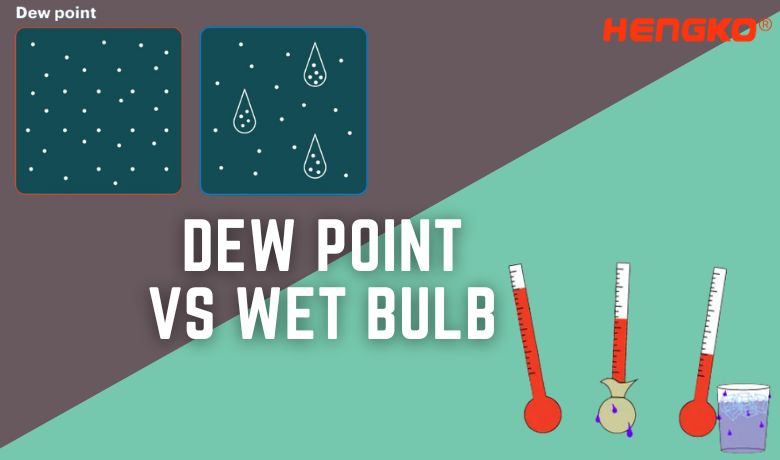
Essentially, the dew point tells you how much moisture is already present, while the wet bulb temperature considers both the moisture already present and the cooling effect of evaporation. Comparing these two, along with the ambient (dry bulb) temperature, gives you a comprehensive picture of your indoor air's condition.
The Problem: High Humidity & Its Consequences
The scenario: You walk into your home on a moderately warm day (let's say 75°F/24°C). The thermostat reads a comfortable temperature, but the air feels heavy and clammy. You might even see beads of moisture forming on a cold glass or window. This is a sign of high humidity.
High humidity can lead to several problems:
- Discomfort: It inhibits the evaporation of sweat, making you feel hotter and stickier.
- Mold and Mildew Growth: Excess moisture creates a breeding ground for these unwanted organisms.
- Damage to Belongings: Humidity can warp wood, damage fabrics, and corrode metal.
- Health Issues: Mold and mildew can trigger allergies and respiratory problems.
Step-by-Step Diagnosis
Here's how to diagnose a potential humidity problem using wet bulb temperature and dew point:
Step 1: Gather Your Tools
You'll need the following:
- Thermometer: A standard indoor/outdoor thermometer will work to measure the dry-bulb (ambient) temperature.
- Hygrometer (Optional but Recommended): A hygrometer measures relative humidity directly. Many digital thermometers include a hygrometer function.
- Small Cloth or Cotton Ball: To create a wet-bulb thermometer.
- Water: At room temperature.
- A Fan (Optional): To ensure adequate airflow for accurate wet-bulb measurement.
- A Note Pad and Pen: To record your measurements.
Step 2: Measure Dry-Bulb Temperature
Place your thermometer in the center of the room you suspect has a humidity issue. Ensure it's away from direct sunlight, drafts, and heat sources (like lamps or radiators). Wait at least 15 minutes for the thermometer to stabilize, then record the dry-bulb temperature.
Step 3: Create a Wet-Bulb Thermometer
Wrap the bulb of the thermometer with a small piece of damp cloth or cotton ball. Ensure the cloth is thoroughly wet but not dripping. Use room-temperature water.
Step 4: Measure Wet-Bulb Temperature
Place the wet-bulb thermometer in the same location as the dry-bulb thermometer. If you have a fan, gently direct it towards the thermometer to increase airflow and speed up evaporation. Avoid placing the fan too close, as the thermometer should measure evaporation from the room's natural humidity.
Wait for the temperature to stabilize. This may take several minutes. You'll notice the temperature dropping as the water evaporates. The lowest stable temperature it reaches is your wet-bulb temperature. Record this number.
Step 5: (Optional) Measure Relative Humidity with a Hygrometer
If you have a hygrometer, place it near the thermometers and record the relative humidity (RH) reading.
Step 6: Calculate or Find the Dew Point
There are a few ways to determine the dew point:
- Online Dew Point Calculator: Several free online calculators can calculate the dew point based on your dry-bulb temperature and either wet-bulb temperature or relative humidity. Simply enter the values you measured.
- Dew Point Chart: You can also use a psychrometric chart (easily found online) to find the dew point. Locate your dry-bulb and wet-bulb temperatures on the chart, and where they intersect, you can read the corresponding dew point.
- Using Relative Humidity (if available): If you have a hygrometer reading, use the dry-bulb temperature and relative humidity in a dew point calculator.
Step 7: Analyze Your Results
Now, let's analyze your findings:
- High Dew Point: A high dew point (above 65°F/18°C) indicates significant moisture in the air. A dew point above 70°F/21°C is considered very humid.
- Small Difference Between Dry-Bulb and Wet-Bulb: A small difference between the dry-bulb and wet-bulb temperatures suggests that the air is already holding a lot of moisture and can't absorb much more through evaporation. The closer these temperatures are, the higher the humidity.
- High Relative Humidity: A relative humidity above 60% is generally considered high and can lead to discomfort and potential mold growth.
Example: Let's say you measure a dry-bulb temperature of 75°F (24°C), a wet-bulb temperature of 68°F (20°C), and calculate a dew point of 66°F (19°C). This indicates high humidity levels, as both the dew point and relative humidity are elevated.
DIY Fixes: Lowering Indoor Humidity
If your measurements confirm high humidity, try these DIY solutions:
1. Improve Ventilation
- Open Windows (When Appropriate): On days with lower outdoor humidity, open windows to allow fresh air to circulate and dilute the humid indoor air. Check your local weather forecast before opening windows.
- Use Exhaust Fans: Run exhaust fans in bathrooms and kitchens when showering, cooking, or washing dishes. These fans vent moisture directly outside. Make sure they are clean and functioning properly.
- Ensure Proper Attic Ventilation: A poorly ventilated attic can trap heat and moisture, contributing to overall humidity levels in your home. Check your attic vents to ensure they are not blocked by insulation or debris.
2. Control Moisture Sources
- Fix Leaks: Repair any leaky faucets, pipes, or roofs immediately. Even small leaks can contribute significantly to indoor humidity.
- Cover Aquariums: Fish tanks release moisture into the air. Covering them can help reduce evaporation.
- Dry Clothes Outdoors: If possible, dry your clothes on a clothesline outside instead of using a dryer. If you must use a dryer, ensure it's properly vented to the exterior.
- Vent Portable Heaters Properly: Unvented combustion heaters (like kerosene heaters) release moisture into the air as a byproduct of burning fuel. Use properly vented heaters when needed and make sure they are in good working condition.
3. Use Dehumidifiers
- Choose the Right Size: Select a dehumidifier with a capacity appropriate for the size of the room or area you want to dehumidify. Look for models with a humidistat to automatically maintain a desired humidity level.
- Empty Regularly: Dehumidifiers collect water, so you'll need to empty the collection tank regularly. Some models can be connected to a drain for continuous operation.
- Place Strategically: Position the dehumidifier in the most humid area of your home, or in a central location to maximize its effectiveness.
4. Improve Air Circulation
- Use Fans: Circulating air helps to evaporate moisture and prevent stagnant air pockets where mold can grow. Use ceiling fans, floor fans, or box fans to improve airflow.
- Ensure Furniture Placement Allows Airflow: Avoid blocking vents with furniture. Ensure there is adequate space around furniture for air to circulate freely.
When to Call a Professional
While many humidity problems can be addressed with DIY solutions, certain situations require professional intervention:
- Persistent High Humidity: If you've tried the DIY fixes and your humidity levels remain consistently high, there may be an underlying issue that requires professional diagnosis and repair.
- Visible Mold Growth: If you see significant mold growth, especially black mold, it's crucial to contact a professional mold remediation service. They can safely remove the mold and address the underlying moisture problem.
- Structural Damage: If you suspect that high humidity has caused structural damage to your home (e.g., warped wood, water stains, peeling paint), consult a qualified contractor or home inspector.
- HVAC System Issues: If you suspect that your air conditioning system is not functioning properly and contributing to high humidity, contact an HVAC technician. A malfunctioning AC unit may not be effectively removing moisture from the air.
- Complex Problems: If you're unsure of the source of the humidity or the best course of action, it's always wise to consult with a professional. They can conduct a thorough assessment and recommend appropriate solutions.
Professional Services to Consider:
- HVAC Technician: Can diagnose and repair issues with your air conditioning system that may be contributing to high humidity. They can check refrigerant levels, airflow, and drainage.
- Mold Remediation Specialist: Can safely remove mold and address the underlying moisture problems. They use specialized equipment and techniques to prevent mold from returning.
- Home Inspector: Can assess your home for potential moisture problems and structural damage. They can identify leaks, ventilation issues, and other factors that contribute to high humidity.
- Contractor: Can repair structural damage caused by high humidity, such as warped wood or water-damaged walls.
Prevention is Key
Once you've addressed a humidity problem, take steps to prevent it from recurring:
- Regularly Monitor Humidity Levels: Use a hygrometer to monitor indoor humidity levels and take action if they start to rise.
- Maintain Good Ventilation: Ensure adequate ventilation throughout your home, especially in bathrooms and kitchens.
- Address Leaks Promptly: Repair any leaks as soon as they are detected.
- Properly Maintain Your HVAC System: Schedule regular maintenance for your air conditioning system to ensure it's functioning efficiently.
By understanding the relationship between wet bulb temperature and dew point, and taking proactive steps to control humidity, you can create a more comfortable and healthy living environment for yourself and your family.