What Are 2 Effects Of Deforestation
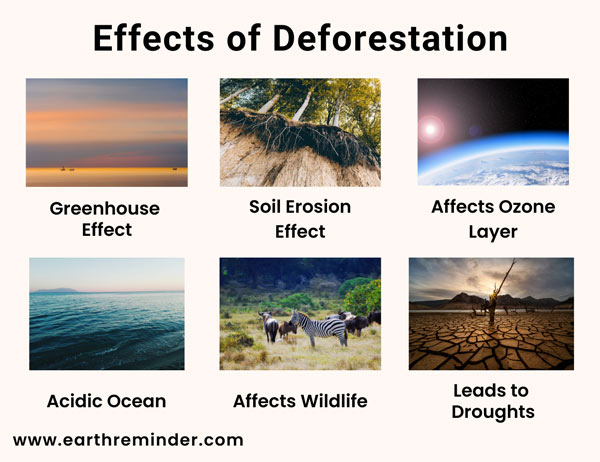
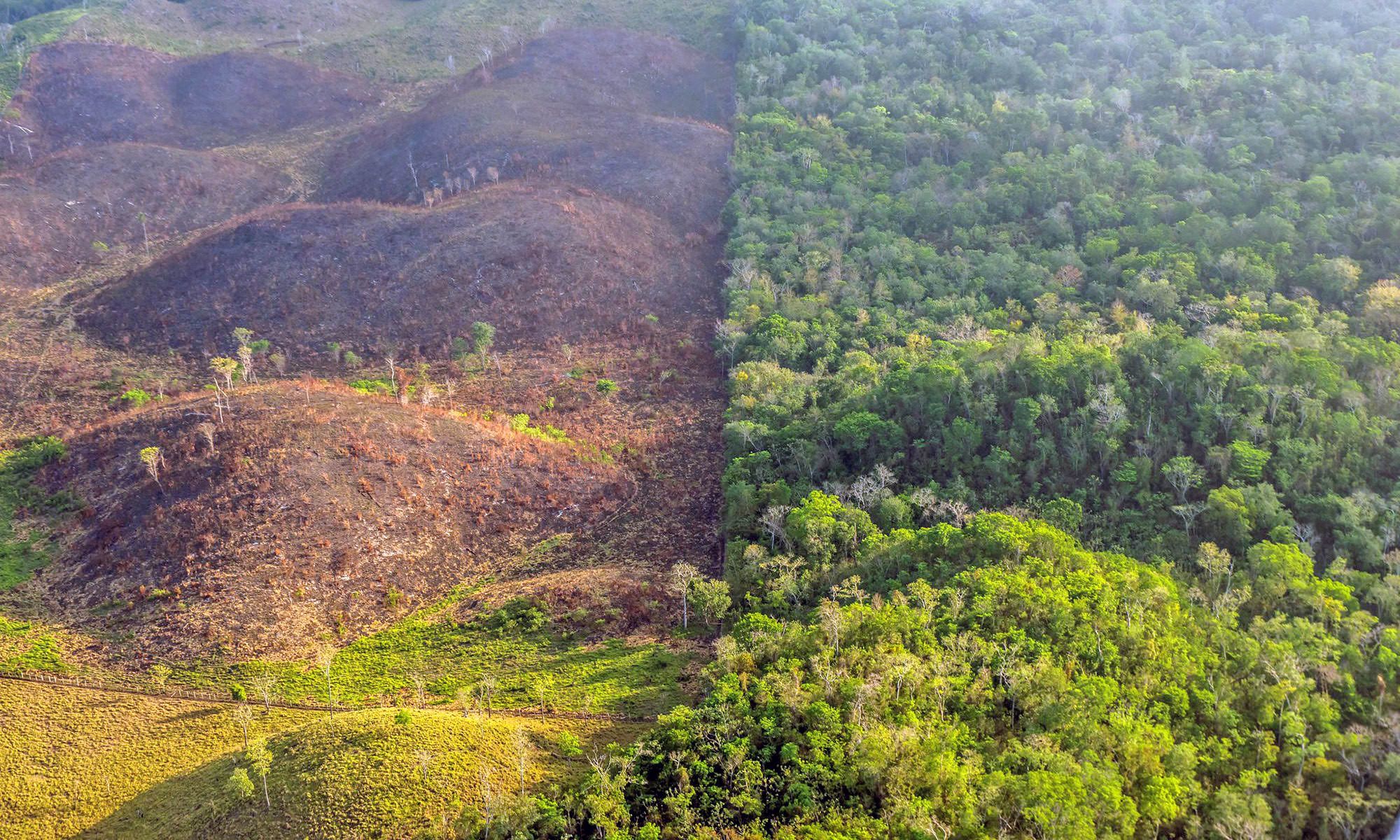
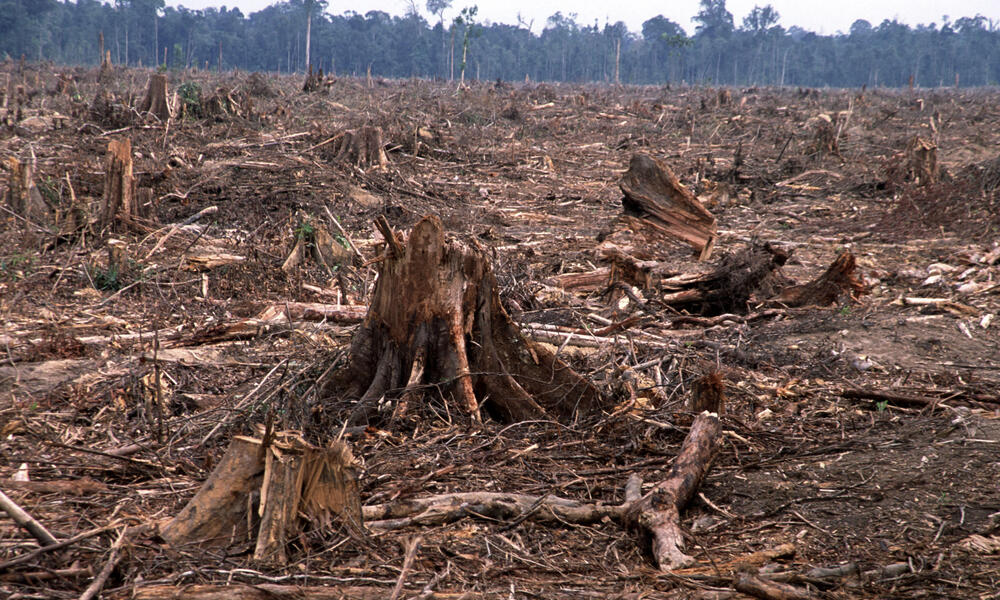
Have you noticed your once vibrant garden struggling, or your basement experiencing sudden flooding after even moderate rainfall? These seemingly isolated issues could be connected to a larger environmental problem: deforestation. While it might seem distant, deforestation, the clearing of forests for other land uses, can have very real and noticeable effects on your home and local environment.
This article will guide you through understanding two major effects of deforestation and how they might be impacting you, along with some steps you can take to mitigate these problems.
Effect 1: Increased Soil Erosion and Runoff
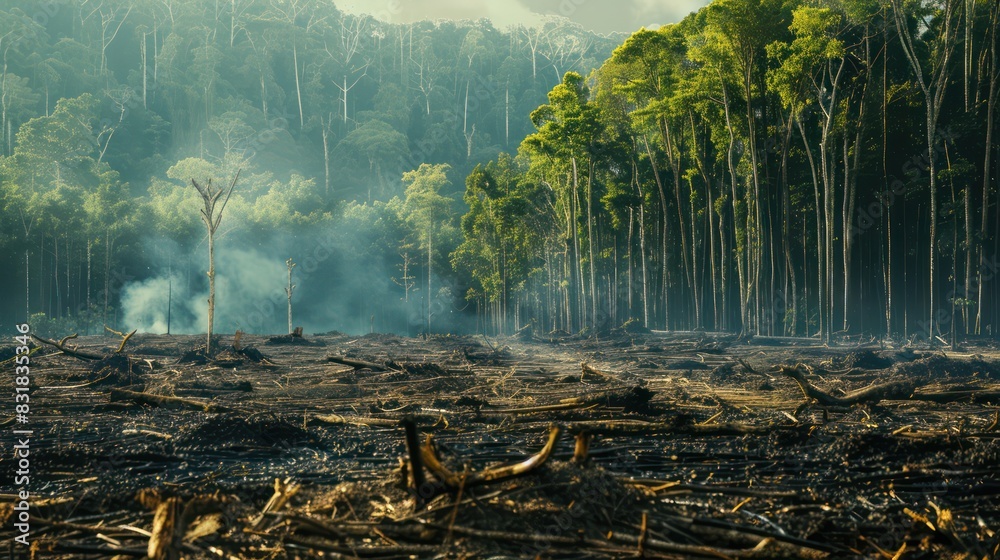
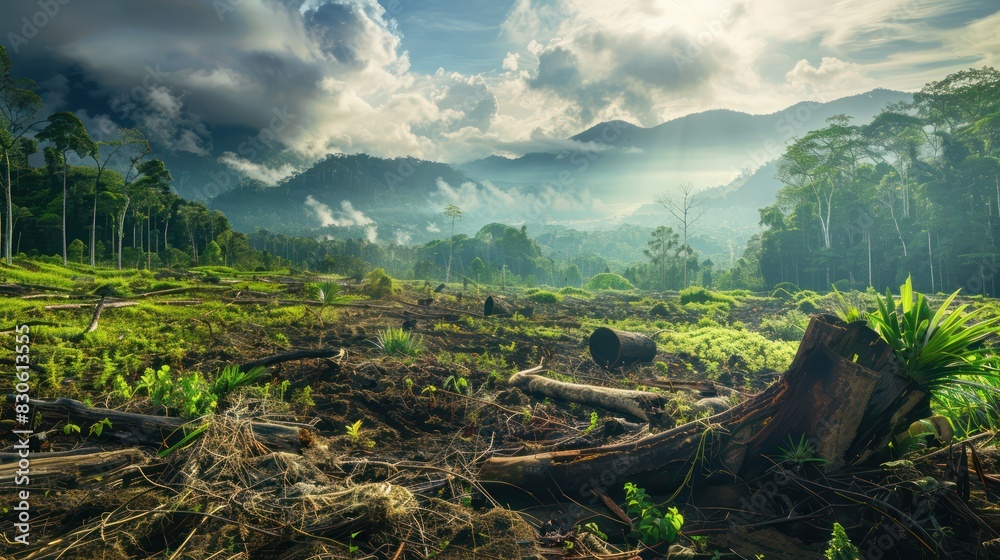
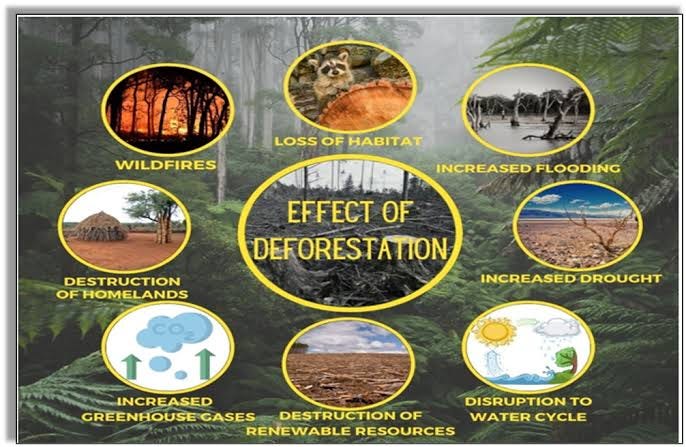
One of the most significant consequences of deforestation is increased soil erosion and runoff. Trees and their root systems act as natural anchors, holding the soil in place. When forests are cleared, this protective layer is removed, leaving the soil vulnerable to the elements. Rainwater, no longer intercepted by tree canopies and absorbed by roots, flows freely over the surface, carrying topsoil with it.
Diagnosis: Identifying Erosion and Runoff Issues
Here's how to determine if soil erosion and runoff are affecting your property:
- Examine your garden and landscaping: Look for areas where soil has been washed away, exposing plant roots or creating ruts and gullies. Are your plants struggling despite proper watering and fertilization? This could indicate a loss of topsoil.
- Check your gutters and downspouts: Are they frequently clogged with sediment and debris? Excessive sediment buildup is a sign of soil erosion upstream.
- Inspect your foundation: Look for signs of water damage, such as cracks, dampness, or mold growth. Increased runoff can saturate the soil around your foundation, leading to structural problems.
- Observe drainage patterns after rainfall: Do you notice water flowing rapidly across your property, carrying soil and debris with it? Is there standing water in areas that used to drain quickly?
- Consider your location: Are you downhill from a construction site, farmland, or other areas where trees have been recently removed? If so, you're at a higher risk of experiencing increased runoff.
DIY Fixes: Mitigating Erosion and Runoff
Fortunately, there are several steps you can take to address soil erosion and runoff on your property:
- Plant ground cover: Ground cover plants, such as creeping thyme, clover, or pachysandra, help to stabilize the soil and prevent erosion. Choose varieties that are appropriate for your climate and soil conditions.
- Install erosion control blankets: These biodegradable mats are made from materials like straw or coconut fiber and help to protect bare soil from erosion. They're particularly useful on slopes or in areas where vegetation is difficult to establish. You can typically find these at your local home improvement store.
- Consider adding mulch: Mulch helps to prevent erosion by shielding the soil from direct impact of rainfall. It also helps to retain moisture and suppress weed growth. Options include wood chips, bark, or straw.
- Build terraces or retaining walls: On sloped areas, terraces or retaining walls can help to slow down runoff and prevent soil from washing away. Even small, DIY projects can make a difference.
- Improve drainage: Install French drains or swales to redirect water away from your foundation and other vulnerable areas. Ensure your gutters and downspouts are properly maintained and extended to direct water away from your home.
- Plant trees and shrubs: Replanting trees and shrubs, even in your own yard, can contribute to reducing overall runoff and erosion. Choose native species that are well-suited to your local environment.
When to Call a Professional:
If you're experiencing severe erosion, significant foundation damage, or persistent drainage problems, it's time to consult a professional. A landscape architect or civil engineer can assess your property, identify the underlying causes of the problem, and recommend more comprehensive solutions, such as grading, retaining wall construction, or drainage system installation.
Specifically, call a professional if:
- You notice significant cracks in your foundation.
- Water is consistently pooling around your foundation.
- You're experiencing frequent flooding in your basement or crawl space.
- DIY solutions have not been effective in addressing the problem.
- You suspect the erosion is due to a larger issue beyond your property line (e.g., upstream construction).
Effect 2: Disrupted Water Cycles and Increased Risk of Flooding
Deforestation significantly disrupts the natural water cycle. Forests act as natural sponges, absorbing rainfall and releasing it slowly over time. When trees are removed, this natural regulation is lost, leading to increased runoff and a higher risk of flooding. Reduced evapotranspiration (the process by which water is transferred from the land to the atmosphere by evaporation from the soil and other surfaces and by transpiration from plants) also leads to drier conditions in some areas and increased precipitation in others.
Diagnosis: Identifying Water Cycle Disruptions and Flood Risks
Here's how to assess if deforestation-related water cycle disruptions are affecting your area:
- Monitor local weather patterns: Have you noticed more frequent and intense rainfall events? Are droughts becoming more common? These could be signs of a disrupted water cycle.
- Check local news and reports: Are there reports of increased flooding in your area? Are local water sources, like rivers and streams, experiencing fluctuations in water levels?
- Observe water levels in nearby bodies of water: Are rivers and streams rising and falling more rapidly after rainfall? Is there evidence of increased sediment deposition in these water bodies?
- Assess your property's vulnerability to flooding: Is your home located in a floodplain or near a waterway? Have you experienced flooding in the past?
- Look for changes in local vegetation: Are trees and plants struggling to survive due to drought conditions? Are wetlands drying up?
DIY Fixes: Mitigating Flood Risks and Promoting Water Conservation
While you can't single-handedly reverse the effects of deforestation, you can take steps to reduce your vulnerability to flooding and promote water conservation:
- Improve your home's flood resistance: Install a sump pump, elevate appliances, and seal cracks in your foundation. Consider flood insurance if you live in a high-risk area.
- Create a rain garden: A rain garden is a shallow depression planted with native plants that helps to capture and filter rainwater runoff. This reduces runoff and recharges groundwater.
- Install rain barrels: Rain barrels collect rainwater from your roof, which you can then use to water your garden or wash your car. This reduces your reliance on municipal water sources and helps to manage stormwater runoff.
- Practice water conservation: Reduce your water consumption by fixing leaks, installing low-flow fixtures, and watering your lawn efficiently.
- Support reforestation efforts: Donate to organizations that are working to restore forests and promote sustainable forestry practices.
- Advocate for sustainable land management policies: Contact your elected officials and urge them to support policies that protect forests and promote responsible land use planning.
- Properly dispose of waste: Ensure that yard waste and other debris are disposed of properly to prevent clogging of waterways and drainage systems.
When to Call a Professional:
If you're facing significant flood risks, experiencing repeated flooding, or need help designing and implementing comprehensive stormwater management solutions, it's important to consult a professional. A flood mitigation specialist, hydrologist, or landscape architect can assess your property, identify vulnerabilities, and recommend appropriate solutions.
Specifically, call a professional if:
- Your home has been flooded multiple times.
- You're experiencing structural damage due to flooding.
- You need assistance with floodproofing your home.
- You require a comprehensive stormwater management plan for your property.
- You're unsure how to properly design and install drainage systems or rain gardens.
Conclusion
While the effects of deforestation can seem overwhelming, understanding the problem and taking proactive steps can make a significant difference. By addressing soil erosion, runoff, and flood risks, you can protect your property, conserve water, and contribute to a more sustainable future. Remember, even small actions can add up to create a positive impact. Don't underestimate the power of your individual efforts to protect our environment. By understanding how deforestation can affect our homes and communities, we can all take steps to mitigate these impacts and work towards a more sustainable future. Knowledge is power, and by being informed and proactive, we can protect our properties and the environment.