What Are Carbon Monoxide Detectors For
The Silent Killer: Understanding Carbon Monoxide Detectors and HVAC Systems
When upgrading your HVAC system, you're likely focused on energy efficiency (SEER, AFUE, and HSPF ratings), comfort, and cost. However, there's another critical consideration often overlooked: carbon monoxide (CO) detection. While a new, properly installed HVAC system is designed to operate safely, relying solely on that assumption is a dangerous gamble. This guide explains why carbon monoxide detectors are essential, especially when you have combustion-based heating systems like furnaces or boilers.
What is Carbon Monoxide?
Carbon monoxide is an odorless, colorless, and tasteless gas produced by the incomplete burning of fuels like natural gas, propane, oil, wood, and even gasoline. It's a silent killer because you can't detect it with your senses. When inhaled, CO replaces oxygen in your bloodstream, leading to serious health problems and even death. Symptoms of CO poisoning can mimic the flu, including headaches, dizziness, nausea, and fatigue. Prolonged exposure can lead to loss of consciousness and death.
Why are Carbon Monoxide Detectors Important with HVAC Systems?
Combustion-based HVAC systems, like furnaces and boilers, rely on burning fuel to generate heat. If the combustion process is incomplete or if the system's venting is compromised, carbon monoxide can leak into your home. Here's why CO detectors are crucial:
- Detect Leaks Early: CO detectors provide an early warning system, alerting you to the presence of dangerous levels of carbon monoxide before it reaches a life-threatening concentration.
- Protection from Aging Systems: Older HVAC systems are more prone to developing cracks in heat exchangers or experiencing venting problems, increasing the risk of CO leaks. Even a well-maintained system can develop issues over time.
- Safeguarding Against Improper Installation: While professional HVAC installers are trained to ensure safe operation, errors can occur. A CO detector provides a backup layer of protection.
- Protecting During Power Outages: Using alternative heating sources like generators or kerosene heaters during power outages significantly increases the risk of CO poisoning. A working CO detector is essential in these situations.
- Legal Requirements: Many states and municipalities require carbon monoxide detectors in homes, especially those with fuel-burning appliances. Check your local building codes for specific requirements.
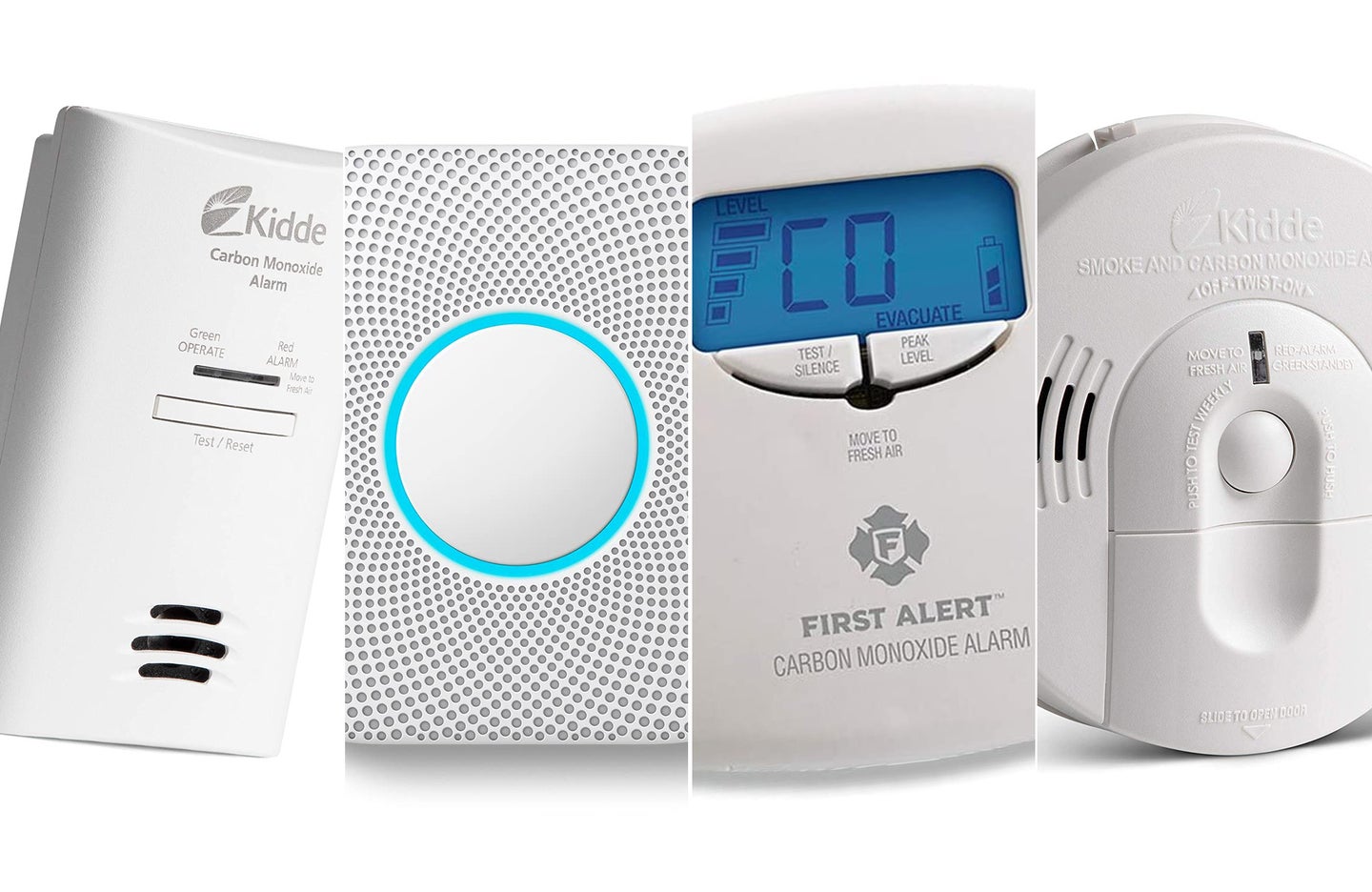
Types of Carbon Monoxide Detectors
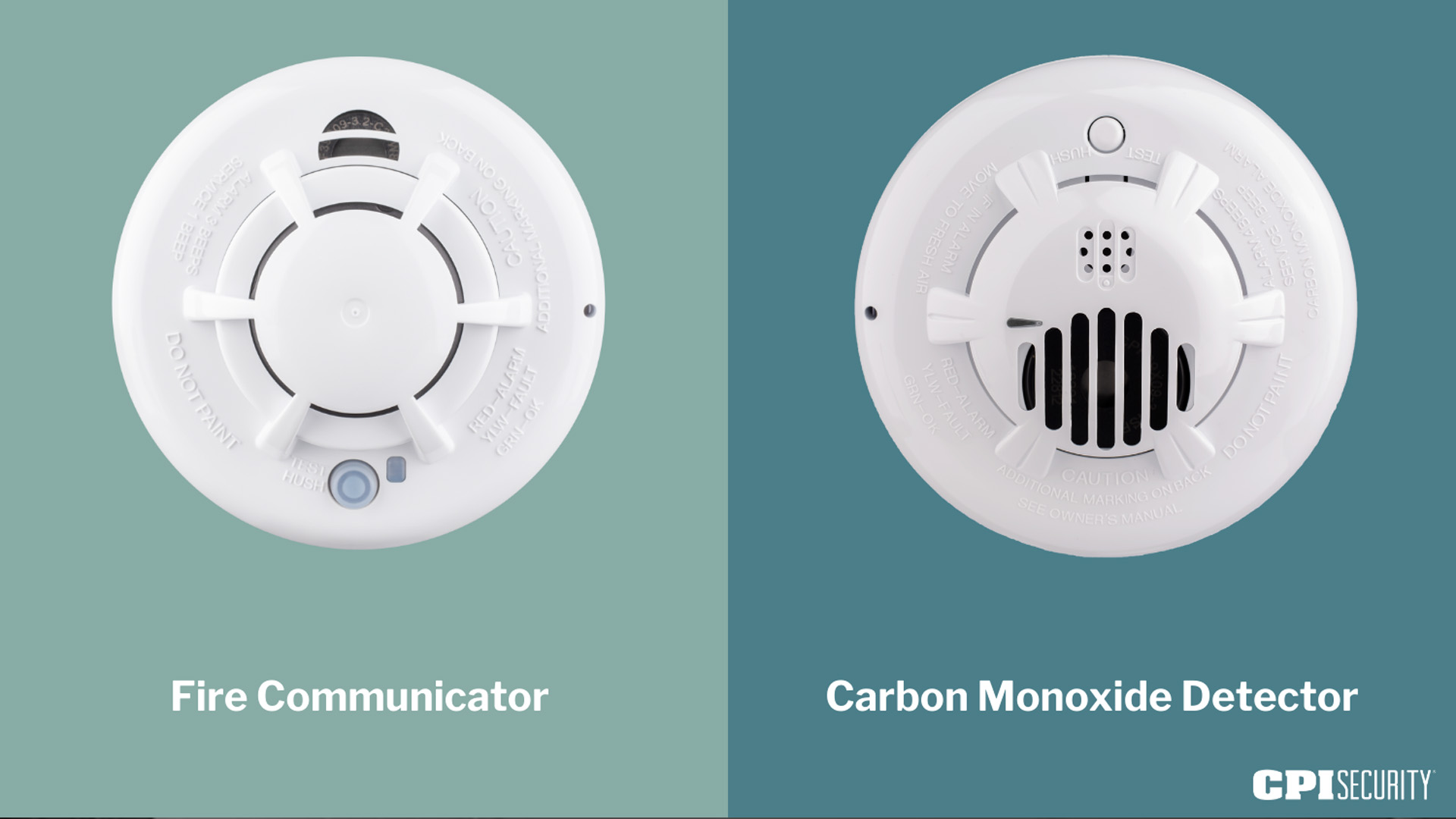
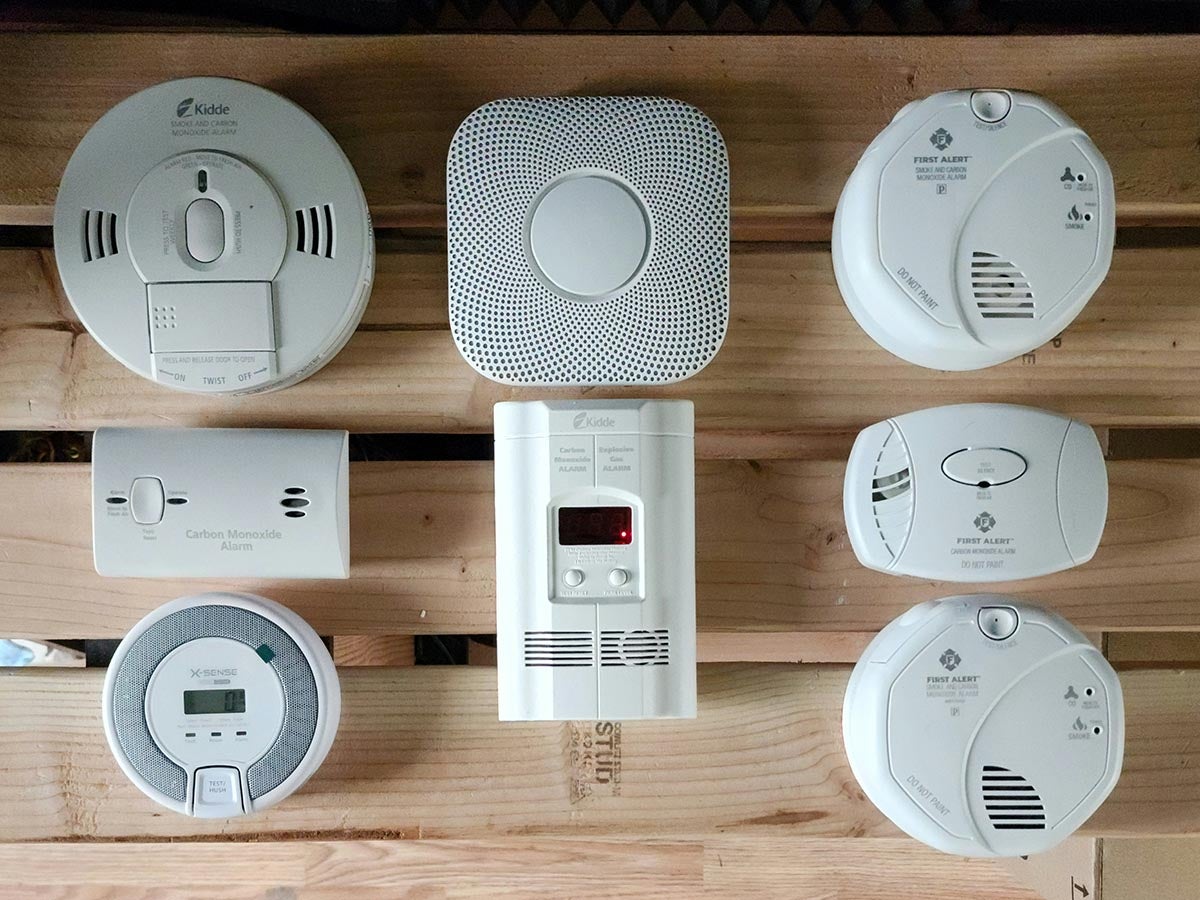
There are several types of CO detectors available, each with its own advantages and disadvantages:
- Electrochemical Sensors: These are the most common type and are generally considered the most reliable. They use a chemical reaction to detect CO levels.
- Biomimetic Sensors: These sensors use a gel that changes color in the presence of CO. They're less common than electrochemical sensors.
- Metal Oxide Semiconductor Sensors: These sensors measure changes in electrical resistance caused by CO. They're often less expensive but may be less accurate.
CO detectors are also available in various formats:
- Battery-Powered: These detectors offer flexibility in placement and are easy to install. They require regular battery replacements.
- Hardwired with Battery Backup: These detectors are connected to your home's electrical system and have a battery backup in case of a power outage. They offer the most reliable protection.
- Smart Detectors: These detectors connect to your home's Wi-Fi network and can send alerts to your smartphone or other devices. Some smart detectors also integrate with smart home systems.
Features to Look For in a Carbon Monoxide Detector
When choosing a CO detector, consider the following features:
- UL Certification: Look for detectors that are certified by Underwriters Laboratories (UL). This ensures that the detector meets industry safety standards.
- Digital Display: A digital display shows the current CO level in parts per million (ppm), allowing you to monitor CO levels even before the alarm sounds.
- Peak Level Memory: This feature records the highest CO level detected, which can be helpful in identifying intermittent CO leaks.
- End-of-Life Warning: CO detectors have a limited lifespan (typically 5-10 years). An end-of-life warning indicates when the detector needs to be replaced.
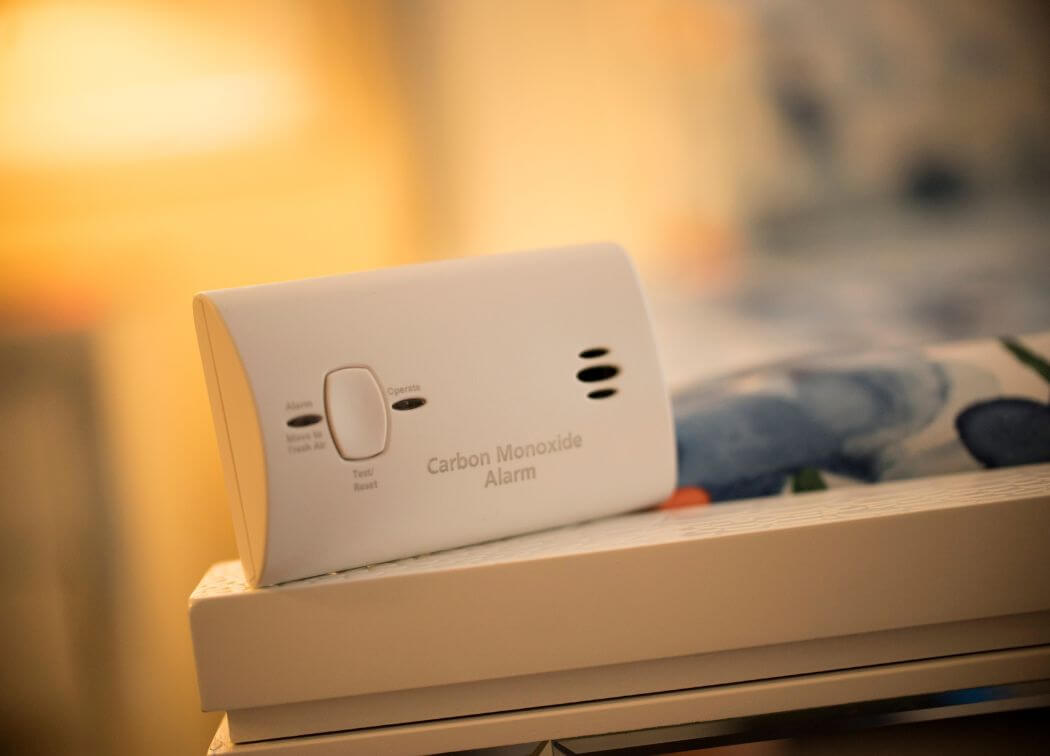
- Test/Reset Button: This button allows you to test the detector's functionality and silence the alarm.
- Voice Alarm: Some detectors announce the presence of carbon monoxide with a voice alarm, which can be especially helpful for those with hearing impairments.
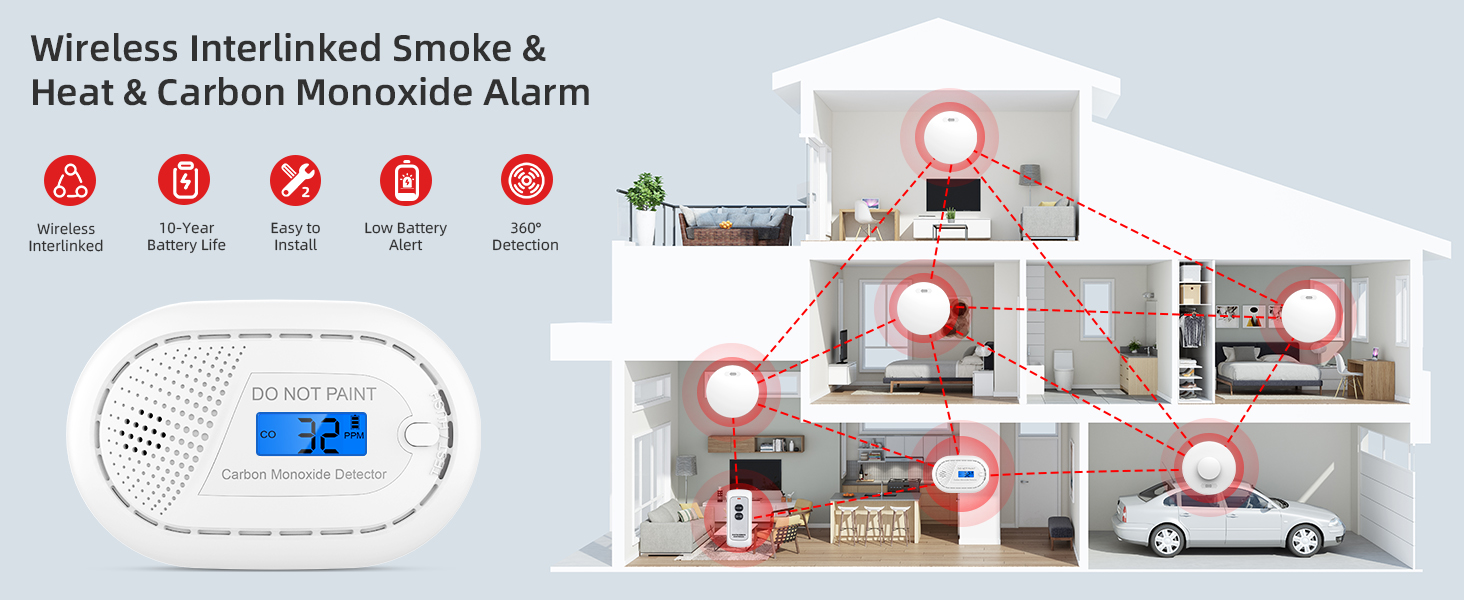
Where to Install Carbon Monoxide Detectors
Proper placement of CO detectors is crucial for effective protection. Follow these guidelines:
- Install on every level of your home: CO can spread throughout the house, so it's important to have detectors on each floor, including the basement.
- Place outside sleeping areas: Detectors should be located in hallways or areas adjacent to bedrooms to wake you up if CO is present while you're sleeping.
- Avoid placing near fuel-burning appliances: Don't place detectors directly next to furnaces, boilers, water heaters, or stoves, as this can trigger false alarms.
- Follow manufacturer's instructions: Always refer to the manufacturer's instructions for specific placement recommendations.
Maintenance and Testing
Regular maintenance is essential to ensure your CO detectors are working properly:
- Test regularly: Test your CO detectors at least once a month by pressing the test button.
- Replace batteries: Replace batteries at least once a year, or more frequently if the detector indicates a low battery. Many recommend replacing batteries when you change your clocks for daylight saving time.
- Clean regularly: Gently vacuum the detector's exterior to remove dust and debris.
- Replace detectors: Replace CO detectors every 5-10 years, or according to the manufacturer's recommendations.
Integrating CO Detection with HVAC Systems
Some advanced HVAC systems offer integrated carbon monoxide detection features. These systems can automatically shut down the furnace or boiler if CO is detected, providing an extra layer of safety. Consider these features when choosing a new HVAC system:
- CO Shut-Off: This feature automatically shuts down the heating system if CO is detected, preventing further leaks.
- Remote Monitoring: Some smart HVAC systems can send alerts to your smartphone or other devices if CO is detected, even when you're away from home.
Popular HVAC Brands and Models with Safety Features
While this article focuses on CO detectors, it's also important to choose an HVAC system from a reputable manufacturer known for safety and reliability. Here are a few popular brands and models known for their safety features and efficient operation:
- Carrier: Carrier offers a wide range of furnaces with features like sealed combustion chambers and electronic ignition, which help reduce the risk of CO leaks. Models like the Infinity series boast high AFUE ratings (up to 98.5%) for energy efficiency. Carrier furnaces also have excellent warranties.
- Trane: Trane furnaces are known for their durability and reliability. Many Trane models feature a stainless steel heat exchanger, which is less prone to cracking and leaking. The XV95 furnace, for example, has a 97% AFUE rating.
- Lennox: Lennox offers a variety of high-efficiency furnaces with advanced safety features. The SLP98DF furnace boasts an impressive 98.7% AFUE rating and features a sealed combustion chamber.
- Rheem: Rheem offers a range of budget-friendly furnaces with reliable performance. Their Prestige series features a modulating gas valve for precise temperature control and improved efficiency.
Important Note: Regardless of the brand or model you choose, always have your HVAC system professionally installed and maintained by a qualified technician. Proper installation and maintenance are crucial for safe and efficient operation.
Cost Considerations
The cost of carbon monoxide detectors varies depending on the type and features. Basic battery-powered detectors can cost as little as $15-20, while smart detectors with advanced features can cost $50-100 or more. Hardwired detectors typically cost more than battery-powered models due to the added installation costs. When budgeting for a new HVAC system, factor in the cost of CO detectors to ensure complete safety. Also consider the cost of professional installation and regular maintenance.
Warranties
Pay attention to the warranty offered on your CO detector. Most detectors come with a limited warranty, typically ranging from 1 to 5 years. Be sure to read the warranty terms and conditions carefully to understand what is covered and what is not. Similarly, review the warranties offered by different HVAC manufacturers. Longer warranties often indicate greater confidence in the product's reliability.
Conclusion: Prioritize Safety with Carbon Monoxide Detectors
Upgrading your HVAC system is an investment in your comfort and energy efficiency. However, don't overlook the importance of safety. Carbon monoxide detectors are a crucial safety device that can protect you and your family from the dangers of CO poisoning. By understanding the risks, choosing the right detectors, and maintaining them properly, you can ensure a safe and healthy home environment. Remember to always consult with a qualified HVAC professional for installation, maintenance, and any safety concerns related to your heating and cooling systems.


:max_bytes(150000):strip_icc()/kidde-carbon-monoxide-detector-2a56fd110bb640d4beeb56adc3218a7f.jpg)