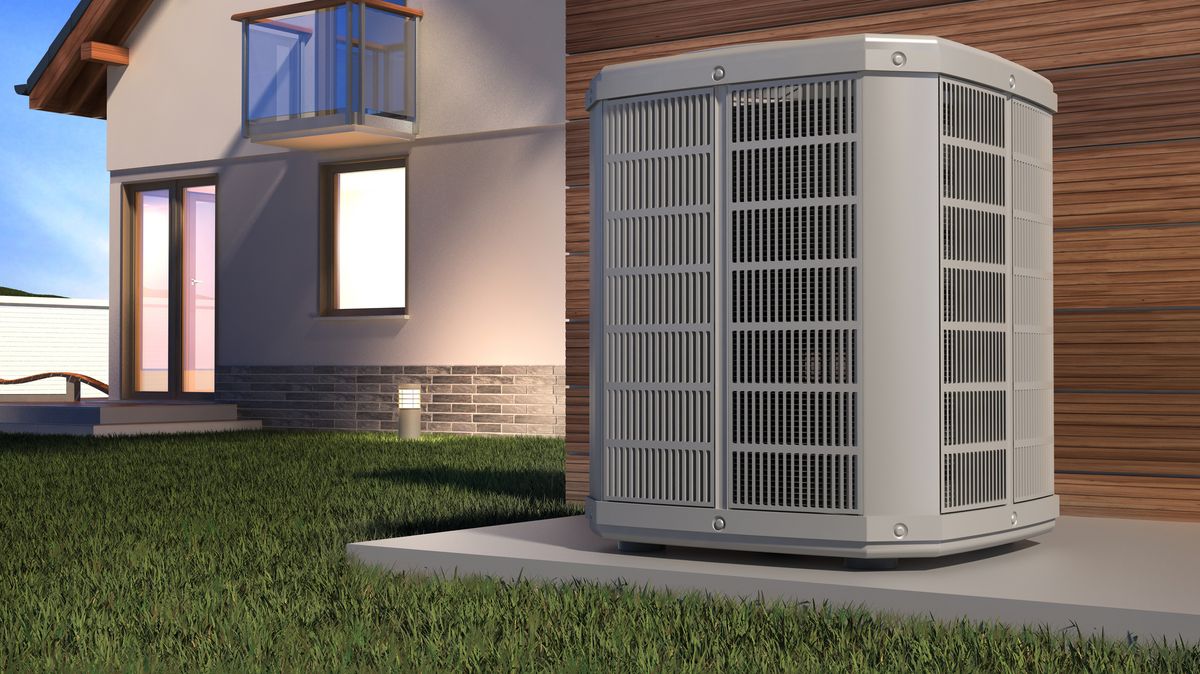
What Are Heat Pumps For Homes
Frequently Asked Questions About Heat Pumps for Homes
Heat pumps are becoming increasingly popular as a versatile and energy-efficient solution for home heating and cooling. But what exactly are they, and how do they work? This FAQ addresses common questions to help you understand heat pumps and whether they're right for your home.
Q1: What exactly is a heat pump and how does it work?
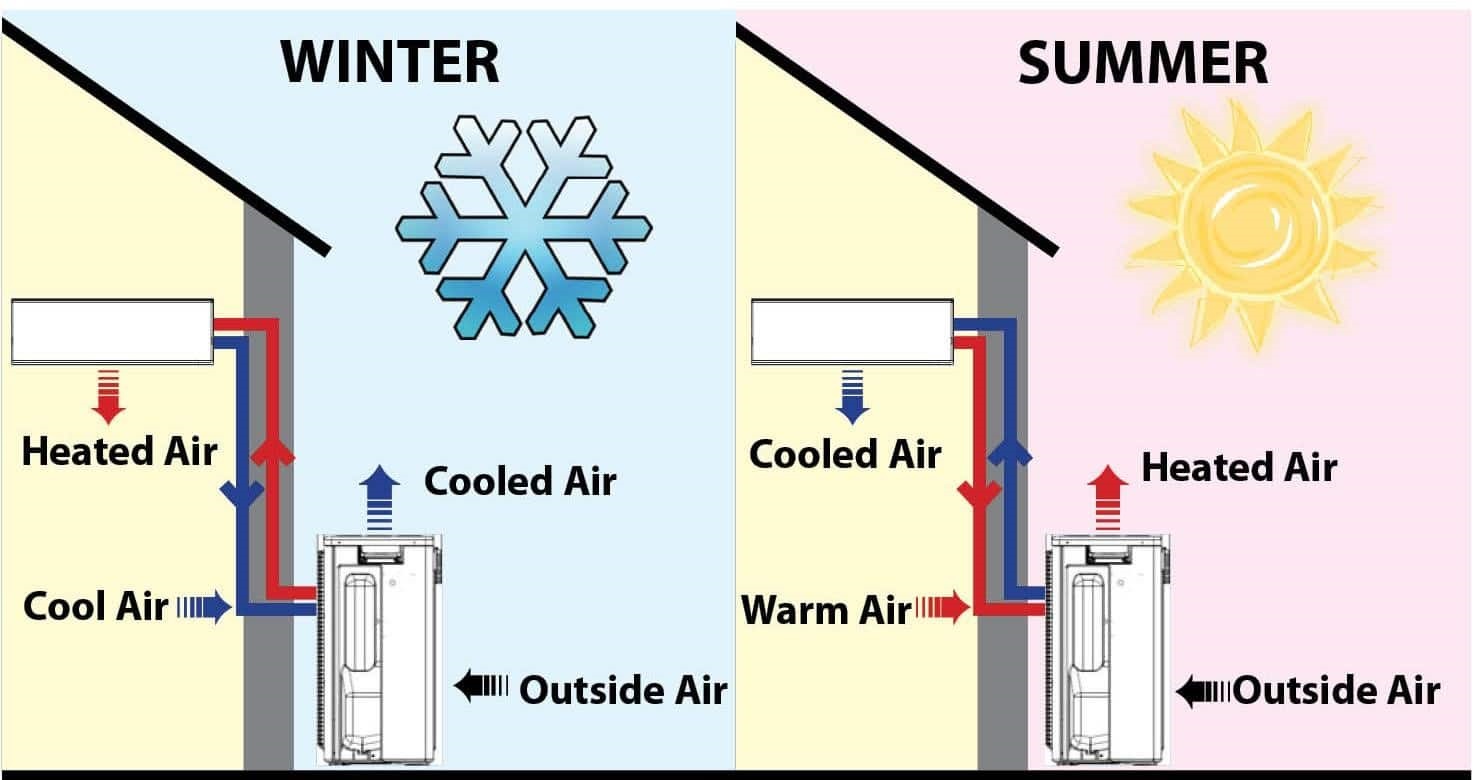
A heat pump is an electrical device that transfers heat from one place to another. Unlike furnaces that *generate* heat by burning fuel, heat pumps *move* existing heat. Think of it like a refrigerator, but instead of cooling the inside compartment, it can also warm it up.
Here’s a simplified explanation:
- In Heating Mode: The heat pump extracts heat from the outside air (even in cold temperatures) and transfers it inside your home. It uses a refrigerant that cycles between liquid and gas, absorbing and releasing heat during the process. This heat is then distributed through your home's ductwork or individual units, depending on the type of heat pump.
- In Cooling Mode: The process is reversed. The heat pump extracts heat from inside your home and releases it outside, effectively cooling your living space.
The key benefit is that moving heat is significantly more energy-efficient than generating it. This translates to lower energy bills, especially in moderate climates.
Q2: What are the different types of heat pumps available for homes?
There are several types of heat pumps, each with its own advantages and suitability for different climates and homes:
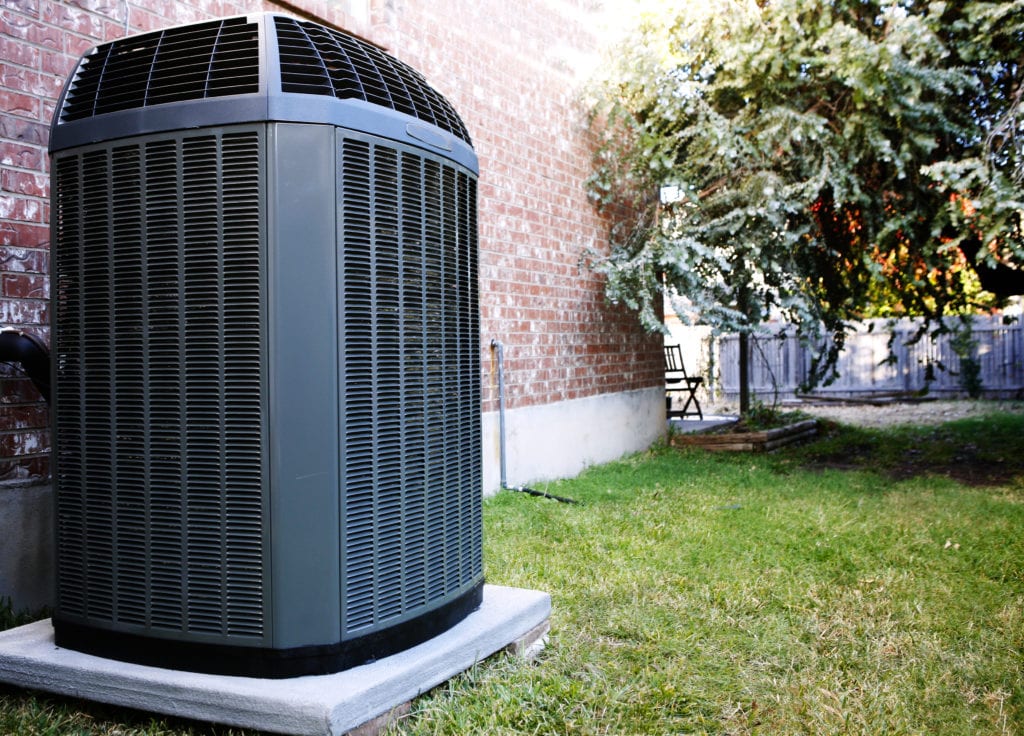
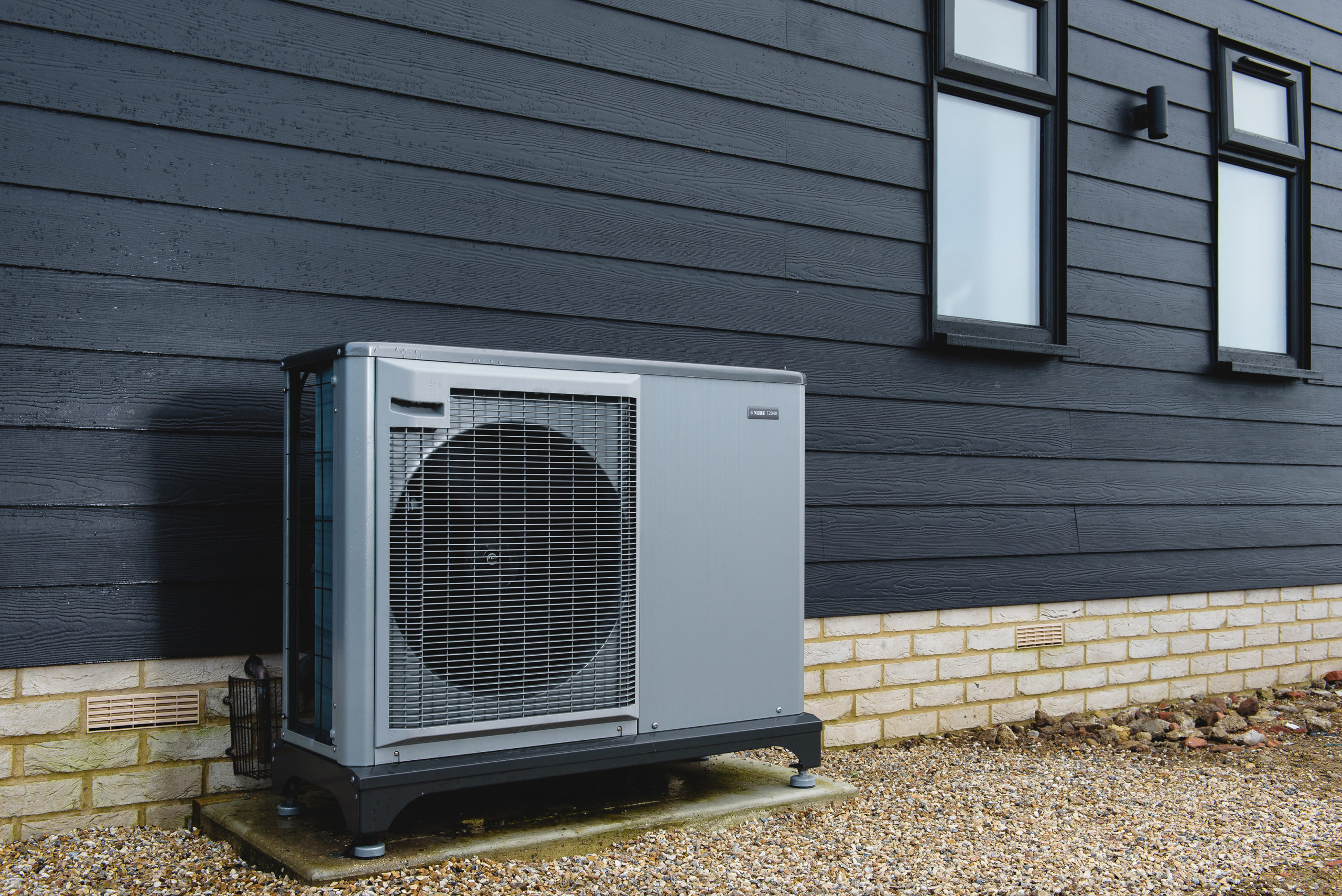
- Air-Source Heat Pumps (ASHP): These are the most common type. They transfer heat between your home and the outside air. ASHPs are relatively inexpensive to install and work well in regions with moderate winters. There are two common configurations for ASHPs:
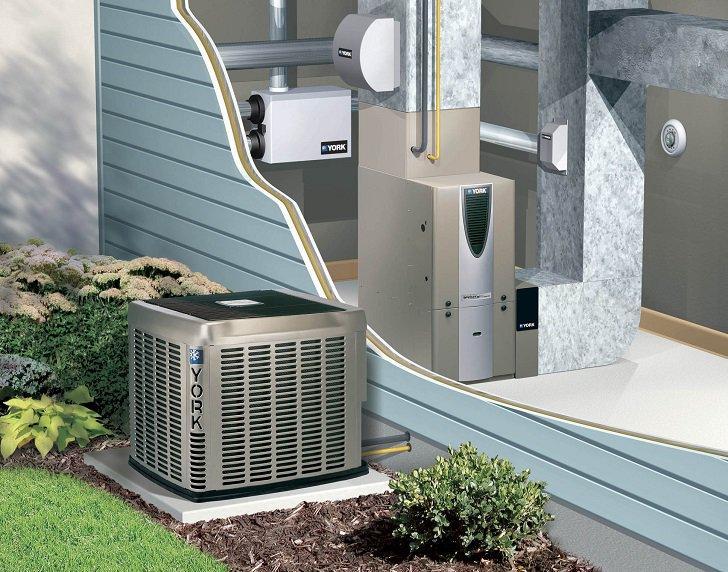
- Ducted ASHPs: These connect to your existing ductwork, providing whole-house heating and cooling.
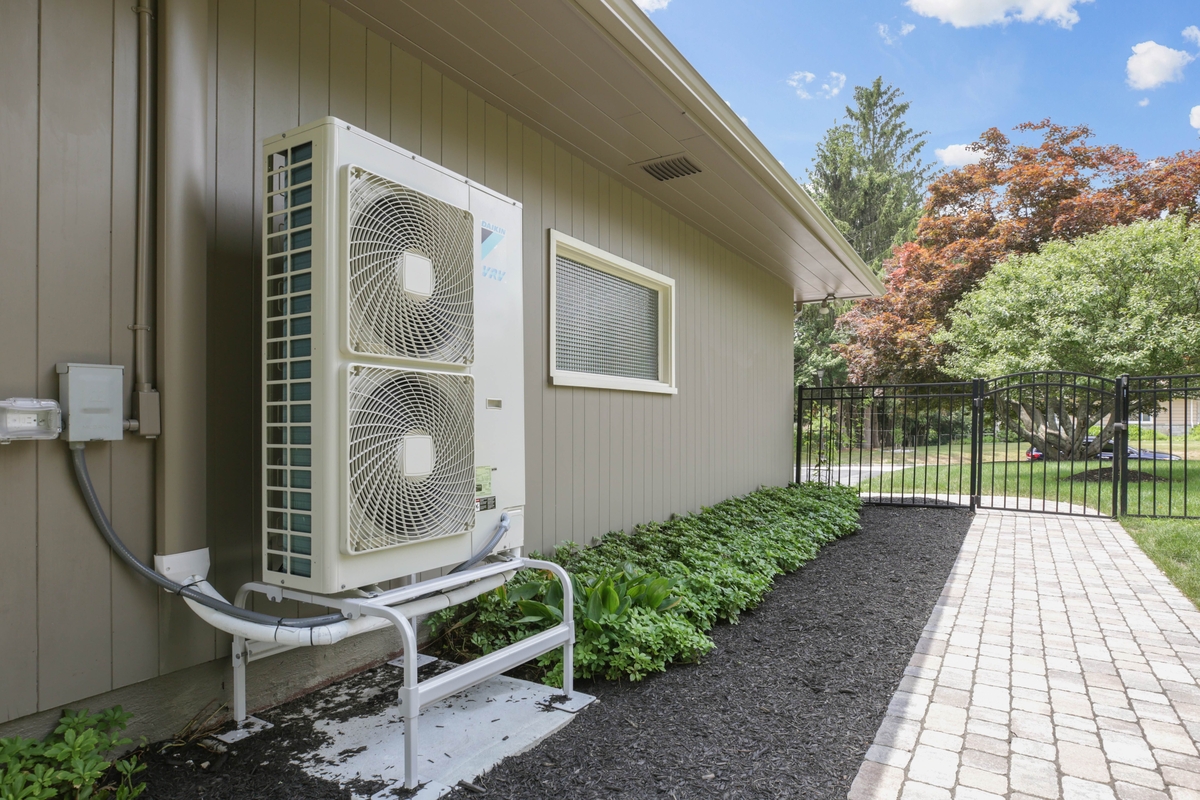
- Ductless Mini-Split ASHPs: These consist of an outdoor unit connected to one or more indoor units (air handlers). They are ideal for homes without ductwork, additions, or for targeted heating/cooling in specific rooms.
- Geothermal Heat Pumps (GSHP): Also known as ground-source heat pumps, these use the stable temperature of the earth as a heat source (in winter) and a heat sink (in summer). They are more expensive to install than ASHPs but are significantly more energy-efficient and reliable, especially in extreme climates. GSHPs require a buried loop system either horizontally or vertically, so property size is a factor.
- Water-Source Heat Pumps (WSHP): Similar to geothermal, these use a nearby body of water (like a lake or well) as a heat source/sink. They are very efficient but require access to a suitable water source.
- Hybrid Heat Pumps: These combine a heat pump with a traditional furnace (usually gas). The heat pump handles most of the heating and cooling, while the furnace kicks in during periods of extreme cold when the heat pump's efficiency drops. This provides a balance of efficiency and reliability.
Choosing the right type depends on your climate, budget, and home's existing infrastructure. Consider consulting with an HVAC professional to determine the best option for your specific needs.
Q3: What are the benefits of using a heat pump compared to traditional heating and cooling systems?
Heat pumps offer numerous advantages over traditional furnaces and air conditioners:
- Energy Efficiency: Heat pumps are significantly more energy-efficient than traditional systems. They move heat rather than generating it, resulting in lower energy consumption and reduced utility bills. This efficiency is usually measured by the Heating Seasonal Performance Factor (HSPF) for heating and the Seasonal Energy Efficiency Ratio (SEER) for cooling. Higher numbers indicate greater efficiency.
- Versatility: A single heat pump can provide both heating and cooling, eliminating the need for separate appliances.
- Reduced Carbon Footprint: By using electricity instead of fossil fuels (for heating), heat pumps can help reduce your carbon footprint. This is especially true if your electricity comes from renewable sources.
- Improved Air Quality: Heat pumps typically have better air filtration systems than traditional furnaces, which can improve indoor air quality by removing dust, pollen, and other allergens.
- Quieter Operation: Many heat pumps operate more quietly than traditional air conditioners.
- Potential Rebates and Incentives: Many utility companies and government agencies offer rebates and tax credits for installing energy-efficient heat pumps, making them more affordable.
While the initial cost of a heat pump can be higher than a traditional system, the long-term energy savings and other benefits often outweigh the initial investment.
Q4: How do heat pumps perform in cold climates? Will they keep my home warm enough?
This is a common concern. Older heat pump models had performance limitations in extremely cold weather. However, modern cold-climate heat pumps are designed to operate effectively even in sub-freezing temperatures. These models incorporate advanced technologies like:
- Improved Refrigerants: Newer refrigerants are more efficient at extracting heat from the air, even at low temperatures.
- Variable-Speed Compressors: These compressors can adjust their output based on demand, providing consistent heating and cooling without the energy waste of cycling on and off.
- Advanced Defrost Systems: Heat pumps can experience frost buildup on the outdoor coil in cold weather. Advanced defrost systems quickly and efficiently remove this frost, maintaining optimal performance.
For regions with very harsh winters, a hybrid heat pump system, which combines a heat pump with a backup furnace, might be the most reliable and cost-effective option. It's also important to properly size the heat pump to your home's heating needs.
Q5: How much does it cost to install a heat pump, and what are the ongoing operating costs?
The installation cost of a heat pump varies widely depending on several factors:
- Type of Heat Pump: Geothermal heat pumps are generally more expensive to install than air-source heat pumps. Ductless mini-splits may be more cost effective where ductwork is not available.
- Size of the System: Larger homes require larger, more expensive heat pumps.
- Complexity of Installation: Installing ductwork or modifying existing systems can increase the cost.
- Location: Labor costs vary by region.
Generally speaking, you can expect to pay anywhere from $4,000 to $10,000+ for an air-source heat pump installation and considerably more ($20,000-$45,000+) for a geothermal system. It is *critical* to get multiple quotes from qualified HVAC contractors before making a decision.
Ongoing operating costs are primarily determined by electricity consumption. While heat pumps are more efficient than traditional systems, electricity prices vary significantly by region. To estimate your operating costs, consider:
- Your local electricity rates: Check your utility bill for your current rate per kilowatt-hour (kWh).
- The heat pump's efficiency ratings (HSPF and SEER): These ratings provide an estimate of the heat pump's energy performance.
- Your heating and cooling needs: Factors like your home's insulation, window efficiency, and climate will affect your energy consumption.
Keep in mind that heat pumps typically require less maintenance than traditional furnaces, potentially reducing long-term maintenance costs.
Q6: How do I choose the right size heat pump for my home?
Proper sizing is crucial for optimal performance and efficiency. An undersized heat pump won't be able to adequately heat or cool your home, while an oversized heat pump will cycle on and off frequently, wasting energy and reducing its lifespan.
The best way to determine the correct size is to have a qualified HVAC contractor perform a load calculation. This involves assessing factors such as:
- Square footage of your home
- Climate
- Insulation levels
- Window efficiency
- Orientation of your home
- Number of occupants
- Air leakage
The load calculation will determine the heating and cooling load in British Thermal Units per hour (BTU/hr) that your home requires. The contractor will then select a heat pump with the appropriate capacity to meet those needs. Avoid relying solely on rules of thumb or online calculators, as they may not accurately reflect your home's specific characteristics.
Q7: What maintenance is required for a heat pump?
Regular maintenance is essential to keep your heat pump running efficiently and extend its lifespan. Here are some key maintenance tasks:
- Air Filter Replacement: Check and replace the air filter regularly (typically every 1-3 months). A dirty filter restricts airflow, reducing efficiency and potentially damaging the system.
- Coil Cleaning: Keep the outdoor coil free of debris such as leaves, grass clippings, and snow. A clean coil allows for proper heat transfer. You can gently clean the coil with a garden hose.
- Fin Comb: Straighten any bent coil fins on the outdoor unit with a fin comb. Bent fins restrict airflow.
- Professional Inspection and Tune-Up: Schedule an annual inspection and tune-up by a qualified HVAC technician. This will include tasks such as checking refrigerant levels, lubricating moving parts, inspecting electrical connections, and cleaning the blower motor.
- Ductwork Inspection (for ducted systems): Have your ductwork inspected periodically for leaks and insulation problems. Leaky ducts can significantly reduce efficiency.
- Thermostat Calibration: Ensure your thermostat is properly calibrated to accurately control the temperature.
By following these maintenance tips, you can keep your heat pump operating at peak performance and avoid costly repairs.