What Are The Different Types Of Humidifiers
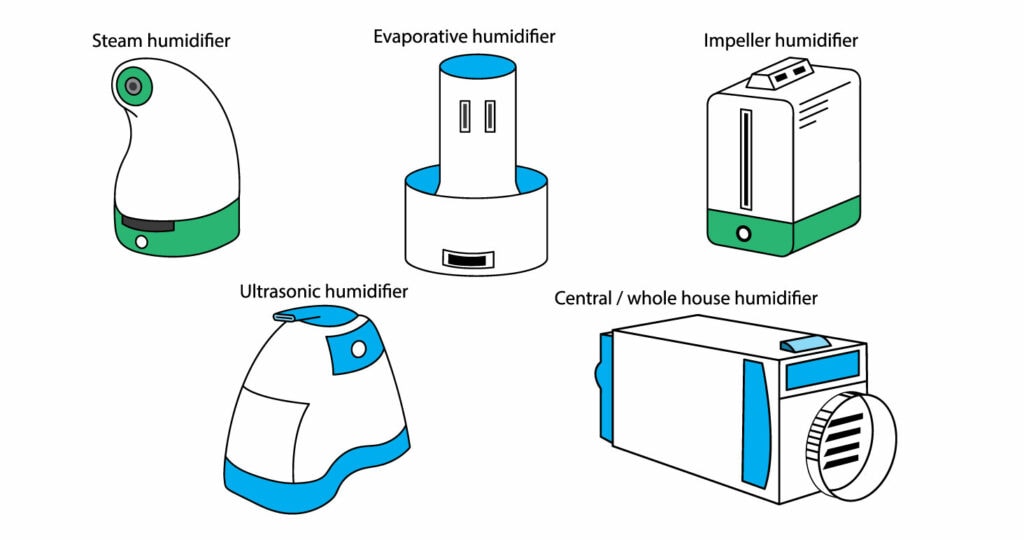
Maintaining optimal humidity levels in your home or business is crucial for comfort, health, and even energy efficiency. While often overlooked, humidity plays a significant role in how efficiently your HVAC system operates. In winter, dry air can make your home feel colder, prompting you to crank up the heat, leading to higher energy bills. Conversely, in summer, excess humidity can make your air conditioner work harder. A humidifier can help balance these extremes, but choosing the right type is essential for maximizing energy savings and ROI.
Understanding Humidity and Its Impact on Energy Costs
Before diving into the different types of humidifiers, let's understand the importance of humidity. The ideal relative humidity (RH) level for homes and businesses is between 30% and 50%. During the winter months, indoor humidity levels often drop below this range due to cold, dry outdoor air being heated indoors. This low humidity can lead to:
- Increased energy consumption: Dry air feels cooler, causing you to raise your thermostat setting. According to the Environmental Protection Agency (EPA), every degree you lower your thermostat in the winter can save you up to 1% on your heating bill.
- Static electricity and damage to wood: Dry air increases static electricity and can damage wooden furniture, floors, and musical instruments.
- Health issues: Low humidity can dry out your skin, sinuses, and throat, making you more susceptible to colds and respiratory infections.
Conversely, high humidity can lead to mold growth, condensation, and other problems that can also impact your health and your building's structural integrity.
Types of Humidifiers: An Energy-Efficiency Comparison
There are several types of humidifiers available, each with its own pros, cons, and energy-efficiency characteristics. Understanding these differences is crucial for making an informed decision that aligns with your energy-saving goals.
Portable Humidifiers
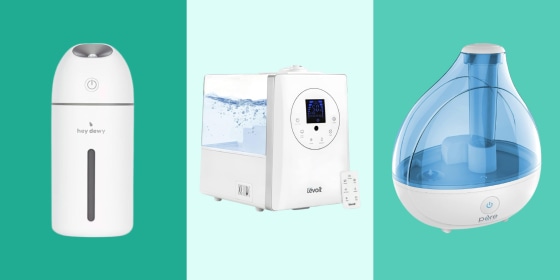
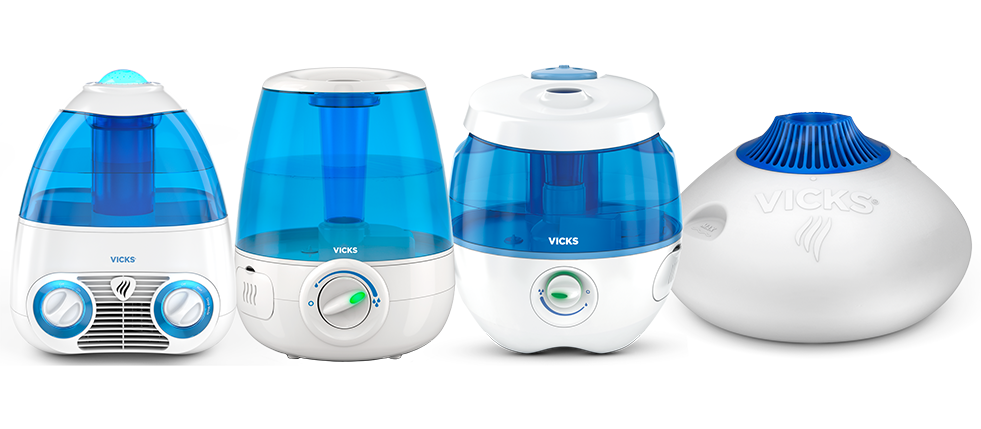
Portable humidifiers are single-unit devices designed to humidify a specific room or area. They are generally the least expensive option and require no professional installation.
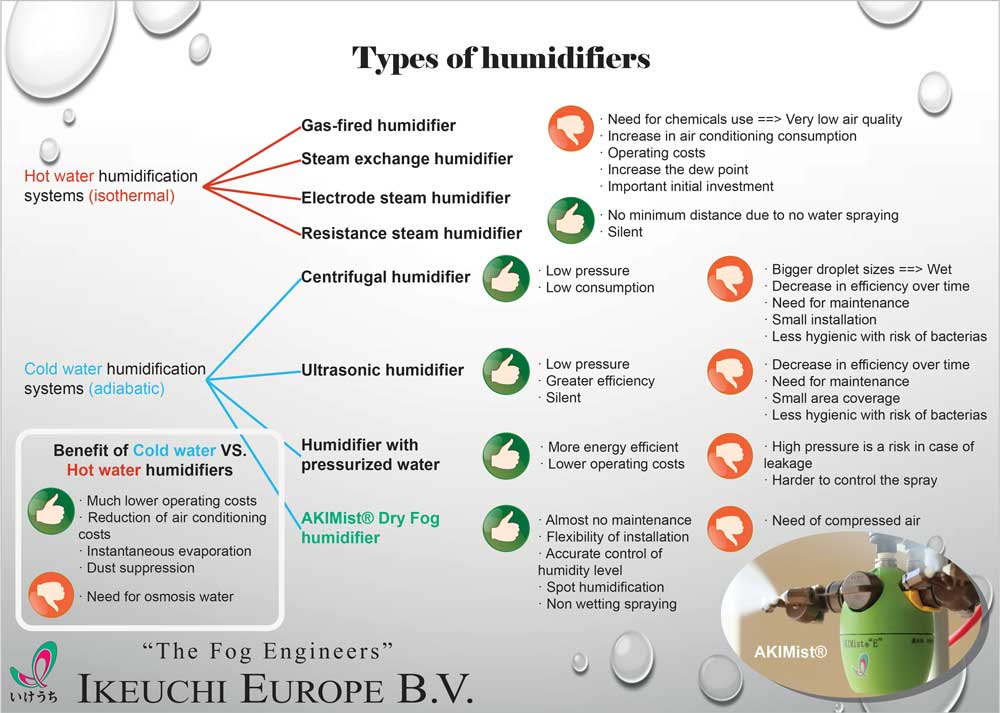
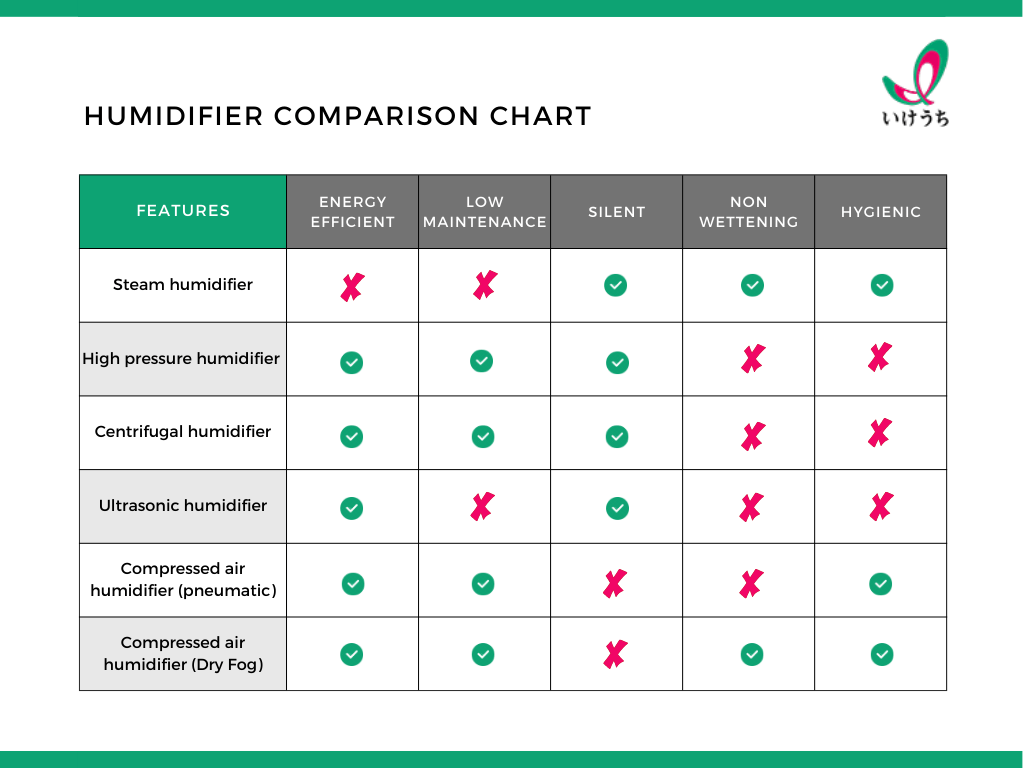
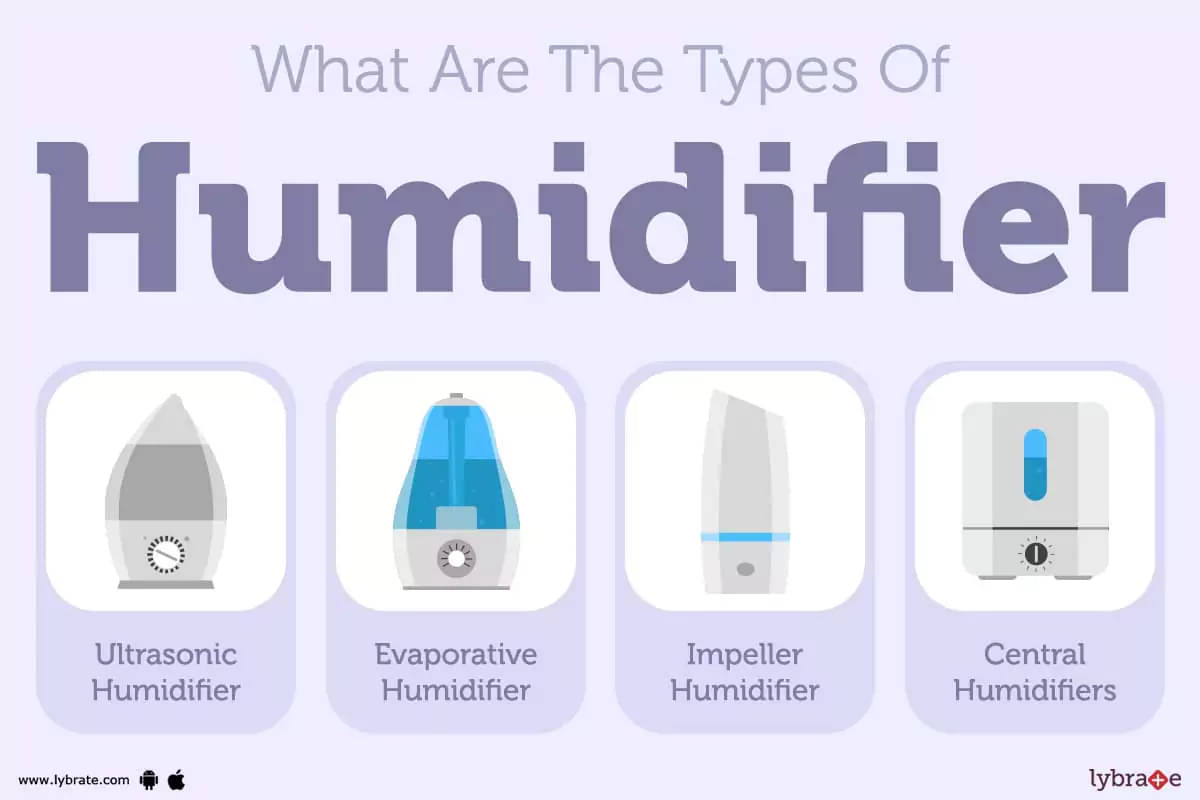
- Evaporative Humidifiers: These humidifiers use a wick filter to absorb water and a fan to blow air through the wet filter, evaporating the water into the air. They are relatively energy-efficient, especially compared to warm-mist humidifiers, but the wick filter needs regular replacement to prevent mold and bacteria growth. Look for models with antimicrobial filters for improved air quality.
- Ultrasonic Humidifiers: Ultrasonic humidifiers use high-frequency sound vibrations to create a fine mist that is released into the air. They are generally quieter than evaporative humidifiers and do not require filters. They are also energy-efficient, consuming very little electricity. However, they can produce white dust if tap water is used, which can be mitigated by using distilled water.
- Warm-Mist Humidifiers (Vaporizers): These humidifiers boil water and release steam into the air. While they can kill bacteria in the water, they are the least energy-efficient type of portable humidifier due to the energy required to boil water. They also pose a burn risk, especially for households with children or pets. Consider avoiding these for energy-saving and safety reasons.
Energy Efficiency Considerations for Portable Humidifiers: Choose evaporative or ultrasonic models for the best energy efficiency. Look for Energy Star certified models when available. Remember that portable humidifiers only humidify the room they are in, so you may need multiple units to cover your entire home or business. Cost-wise, a good Energy Star rated evaporative or ultrasonic humidifier should cost you less than $50 a year to operate.
Central Humidifiers
Central humidifiers are integrated into your HVAC system and humidify the entire home or business. They are more expensive to install than portable humidifiers, but they offer superior performance and convenience.
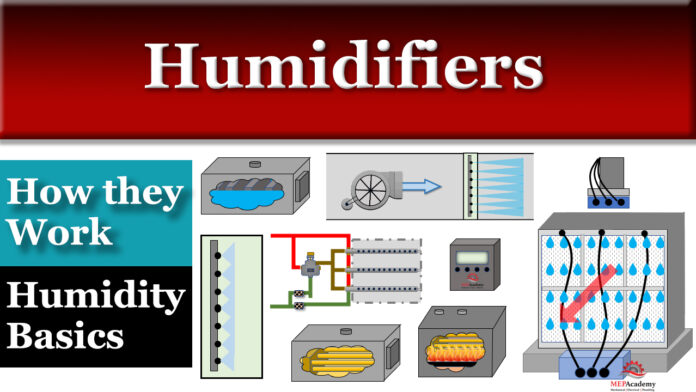
- Bypass Humidifiers: These humidifiers work by diverting a portion of the heated air from your furnace through a moistened pad. The humidified air is then returned to the ductwork and distributed throughout the building. Bypass humidifiers are relatively inexpensive to install, but they can reduce the efficiency of your furnace, as they require the furnace fan to run constantly, even when heat is not being called for.
- Fan-Powered Humidifiers: Similar to bypass humidifiers, fan-powered humidifiers use a moistened pad to add humidity to the air. However, they have their own built-in fan to draw air through the pad, rather than relying on the furnace fan. This makes them more efficient than bypass humidifiers because they only operate when humidity is needed.
- Steam Humidifiers: Steam humidifiers are the most expensive type of central humidifier, but they are also the most efficient and effective. They generate steam by heating water with an electric element and then inject the steam directly into the ductwork. Steam humidifiers can deliver precise humidity control and are ideal for homes with inconsistent heating or those who prioritize optimal humidity levels.
Energy Efficiency Considerations for Central Humidifiers: Fan-powered and steam humidifiers are generally more energy-efficient than bypass humidifiers. Steam humidifiers, while having higher upfront costs, offer the most precise humidity control, preventing over-humidification, which can waste energy. Consider a whole-house smart thermostat that integrates with your central humidifier for optimal performance. Some models can automatically adjust humidity levels based on outdoor temperature and indoor conditions, maximizing energy savings. According to the Department of Energy, upgrading to a smart thermostat can save you up to 12% on heating costs and 15% on cooling costs.
Smart Home Integration and Humidity Control
Integrating your humidifier with a smart home system can significantly enhance its energy efficiency and convenience. Smart thermostats, humidity sensors, and smart home hubs can work together to automatically adjust humidity levels based on real-time conditions.
- Smart Thermostats: Many smart thermostats have built-in humidity sensors and can control both your heating/cooling system and your humidifier. They can be programmed to maintain a specific humidity level and can even adjust humidity based on outdoor weather conditions.
- Humidity Sensors: Standalone humidity sensors can be placed throughout your home or business to monitor humidity levels in different areas. These sensors can send data to your smart home hub, which can then adjust the humidifier accordingly.
- Smart Home Hubs: Smart home hubs can integrate with a variety of smart devices, including humidifiers, thermostats, and sensors. They allow you to control all of your devices from a single app and can create automated routines to optimize energy efficiency.
Benefits of Smart Home Integration:
- Precise humidity control: Avoid over-humidification, which can waste energy and lead to mold growth.
- Remote monitoring and control: Adjust humidity levels from anywhere using your smartphone or tablet.
- Automated routines: Create schedules to automatically adjust humidity levels based on time of day, occupancy, or weather conditions.
- Energy savings: Optimize humidity levels to reduce the load on your HVAC system and lower energy bills.
ROI and Rebates
While the upfront cost of a humidifier can vary depending on the type and features, the long-term ROI can be significant, especially when considering energy savings and health benefits. By maintaining optimal humidity levels, you can reduce your heating bills, prevent damage to your home, and improve your overall health.
Furthermore, many utility companies and government agencies offer rebates and incentives for energy-efficient HVAC upgrades, including humidifiers. Check with your local utility company or the Energy Star website to see if you qualify for any rebates. For example, certain municipalities offer rebates on smart thermostats that control humidifiers, further sweetening the deal. These rebates, combined with the energy savings, can significantly reduce the overall cost of owning and operating a humidifier.
Choosing the Right Humidifier: A Checklist
Selecting the right humidifier depends on several factors, including the size of your space, your budget, your energy-saving goals, and your personal preferences. Here's a checklist to guide your decision:
- Space Size: Determine the square footage you need to humidify. For individual rooms, a portable humidifier may suffice. For whole-house humidification, a central humidifier is the better option.
- Energy Efficiency: Prioritize energy-efficient models, such as evaporative, ultrasonic (for portable), or fan-powered and steam (for central) humidifiers. Look for Energy Star certification.
- Maintenance: Consider the maintenance requirements of each type of humidifier. Evaporative humidifiers require regular filter replacements, while ultrasonic humidifiers may require the use of distilled water.
- Features: Look for features such as automatic shut-off, adjustable humidity levels, and smart home integration.
- Budget: Set a budget and compare the costs of different types of humidifiers, including purchase price, installation costs (for central humidifiers), and ongoing maintenance expenses.
- Smart Home Compatibility: If you have a smart home system, ensure that the humidifier you choose is compatible.
By carefully considering these factors, you can choose a humidifier that meets your needs and helps you save energy, improve your comfort, and protect your home.