What Are The Symptoms Of A Bad Ac Capacitor
Frequently Asked Questions: Recognizing the Signs of a Failing AC Capacitor
Your air conditioner's capacitor is a small but critical component responsible for providing the jolt of electricity needed to start and run the motors in your unit. When it fails, your AC system will struggle to function properly. This FAQ is designed to help homeowners and facility managers identify the symptoms of a failing AC capacitor, allowing for timely repairs and preventing more significant damage to the system.
Q1: What exactly is an AC capacitor, and what does it do?
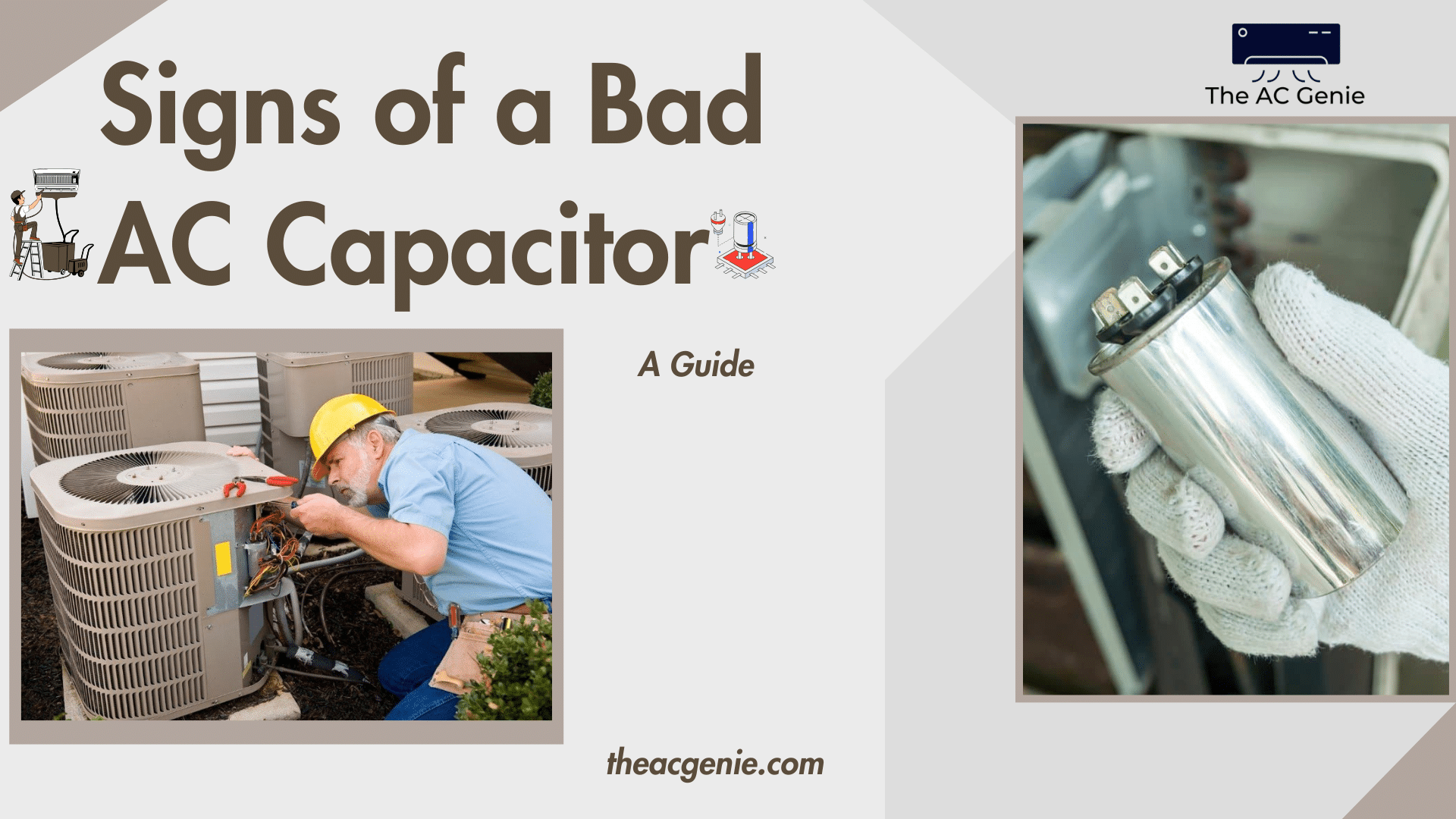
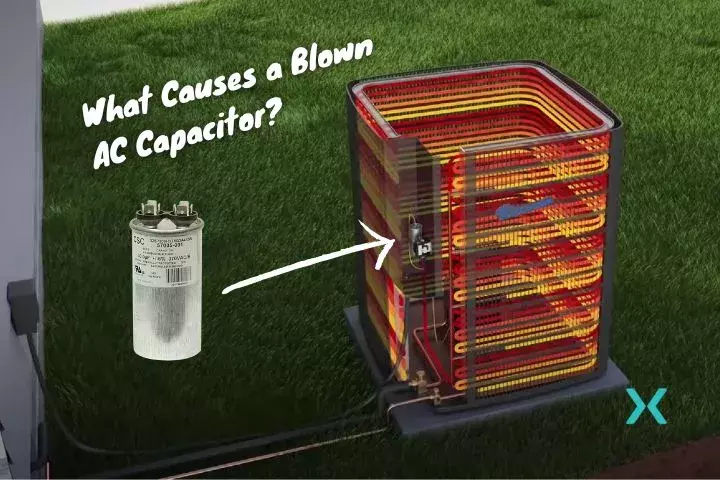
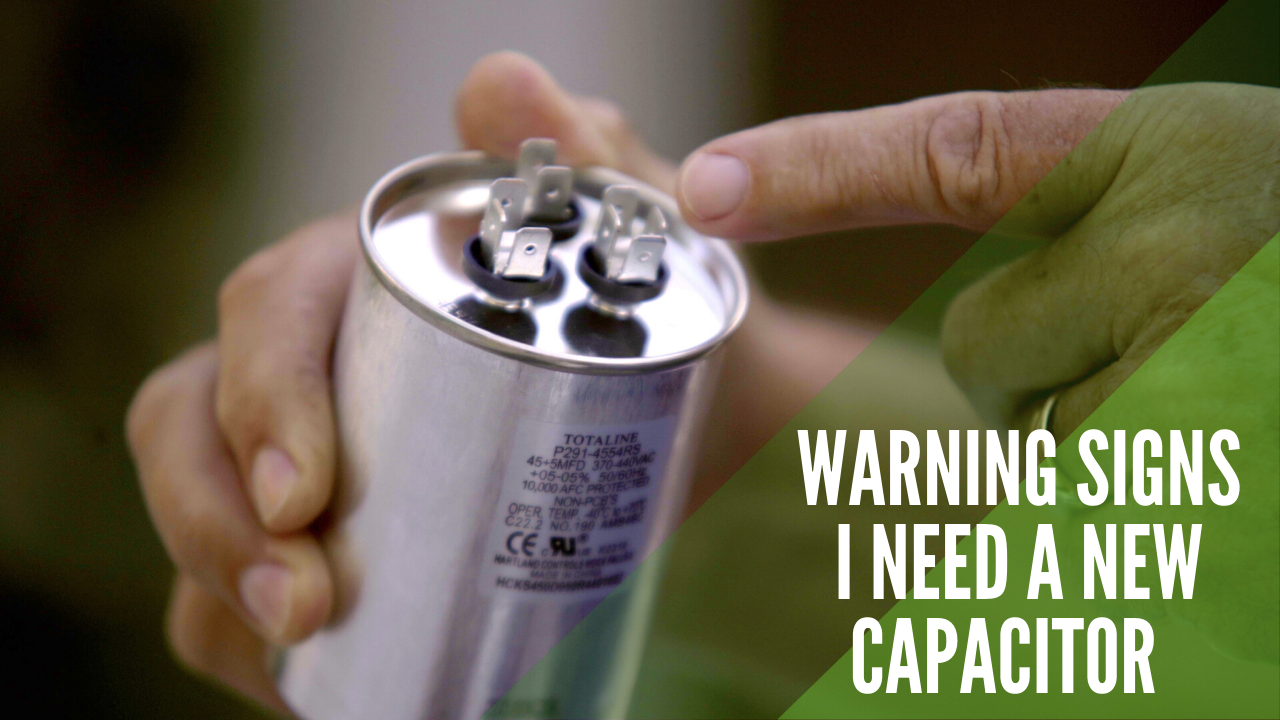
An AC capacitor is essentially a small, cylindrical energy storage device within your air conditioner. Think of it like a battery, but one that delivers a quick burst of power. Its main job is to provide the electrical surge needed to start the AC compressor motor and the fan motor. Without a functioning capacitor, these motors won't be able to start reliably or run efficiently.
Q2: What are the most common symptoms of a bad AC capacitor?
Here are several telltale signs that your AC capacitor may be failing:
- AC Unit Doesn't Start: This is often the most obvious sign. The AC unit may hum, but the fan or compressor won't kick on. This indicates the capacitor isn't providing the necessary start-up power.
- AC Unit Starts Slowly or with Difficulty: If the AC unit takes a long time to start, or if it starts and stops intermittently, the capacitor may be weakening.
- Humming Noise from the AC Unit: A failing capacitor can cause the motor to hum without actually starting. This is because the motor is receiving some power, but not enough to overcome the initial resistance.
- AC Runs for a Short Time Then Shuts Off: If your AC unit runs for a brief period and then shuts off unexpectedly, a failing capacitor may be overheating and causing the system to trip its safety mechanisms.
- Increased Energy Bills: A struggling capacitor can cause your AC unit to work harder, leading to inefficiency and higher energy consumption.
- Warm Air: A bad capacitor may prevent the compressor from running, which means the AC unit will blow warm air instead of cool air. This is especially noticeable on hot days when you expect significant cooling.
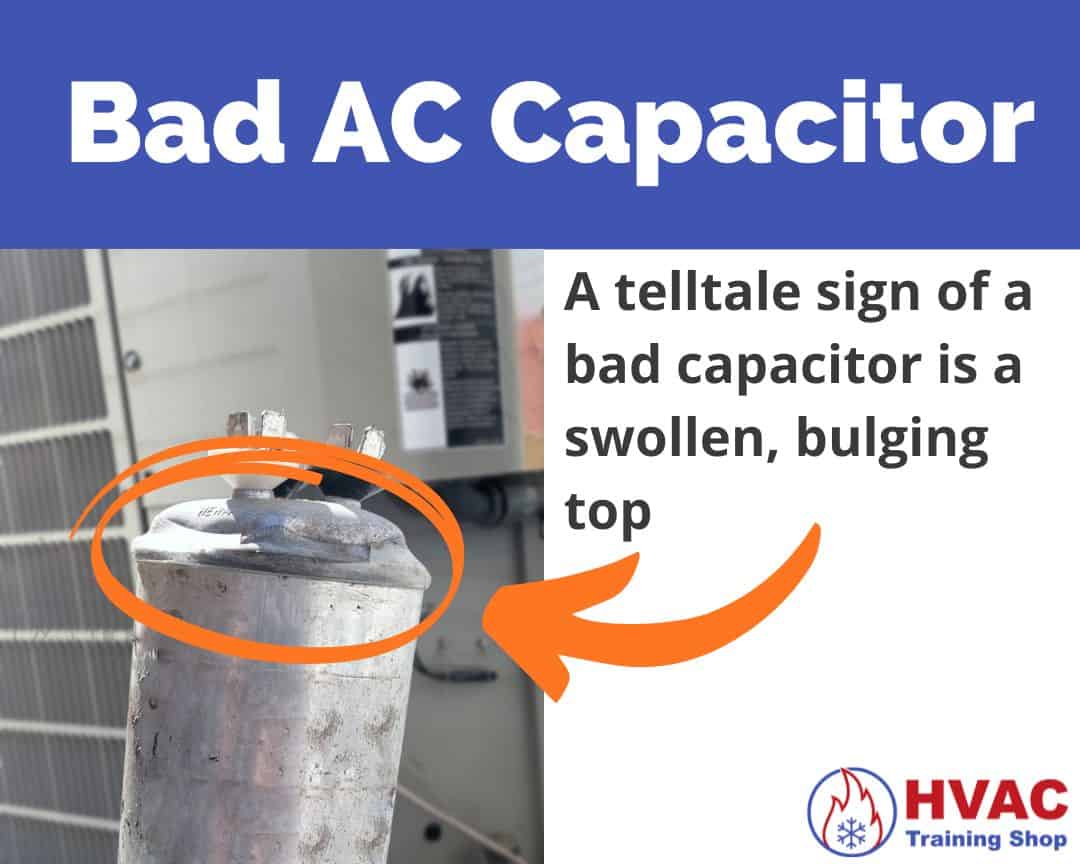
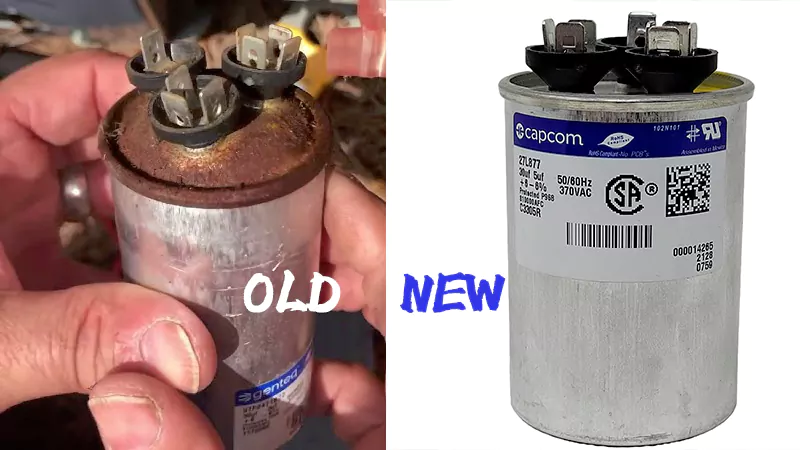
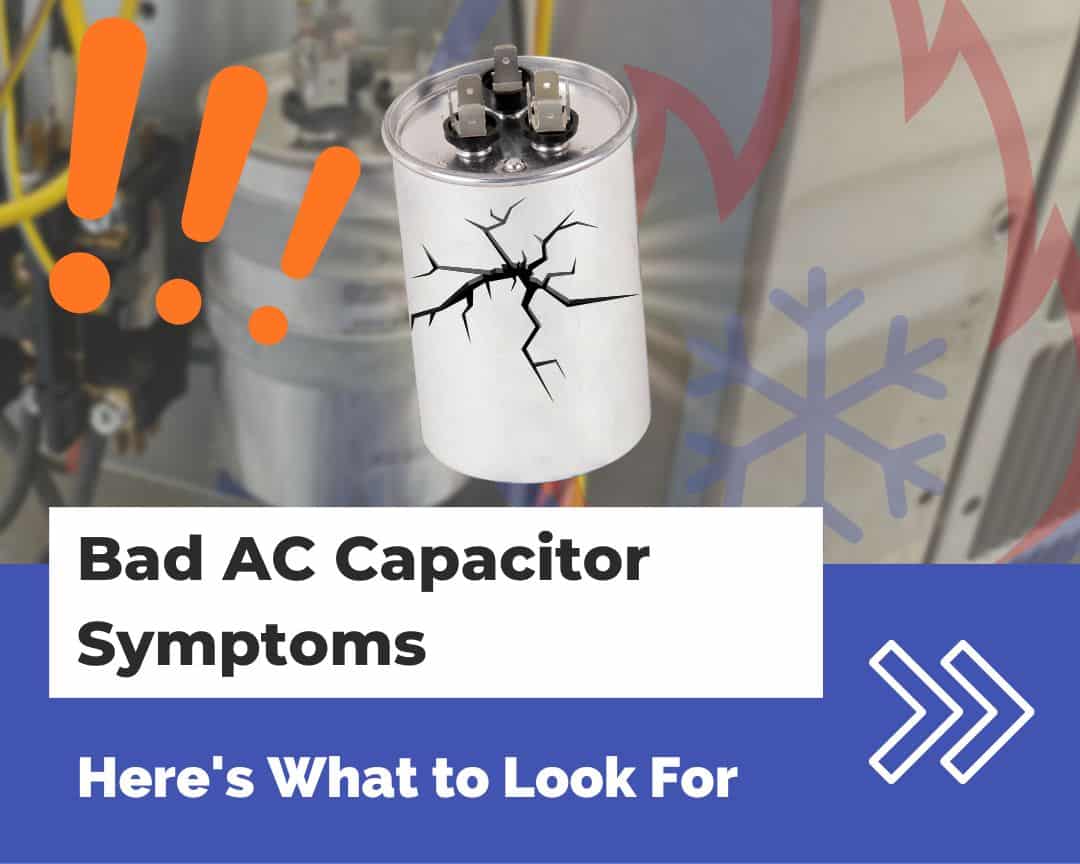
- Physical Damage to the Capacitor: A bulging, leaking, or visibly damaged capacitor is a clear indication of failure. However, this requires visual inspection inside the unit, which should be done by a qualified technician.
Q3: Can I diagnose a bad AC capacitor myself?
While some basic troubleshooting can be done by homeowners, diagnosing a bad AC capacitor definitively requires the use of a multimeter and knowledge of electrical safety procedures. It's generally recommended to leave this task to a qualified HVAC technician. Working with electrical components can be dangerous, and incorrect diagnosis or repair can lead to further damage or injury.
However, you can perform some basic visual checks:
- Listen Carefully: Pay attention to any unusual noises coming from your AC unit, such as humming or clicking sounds.
- Observe Start-Up Behavior: Notice if the unit struggles to start or starts intermittently.
If you observe any of these signs, it's best to call a professional.
Q4: What are the risks of ignoring a failing AC capacitor?
Ignoring a failing AC capacitor can lead to several serious problems:
- Compressor Damage: A struggling capacitor puts extra strain on the compressor motor, which is the most expensive component in your AC unit. This can lead to premature compressor failure, requiring costly repairs or replacement of the entire AC unit.
- Motor Burnout: The constant strain can also cause the fan motor or compressor motor to overheat and burn out, requiring replacement.
- Increased Energy Consumption: As mentioned earlier, a failing capacitor makes your AC unit work harder, leading to higher energy bills and wasted energy.
- System Downtime: Eventually, a bad capacitor will cause your AC unit to fail completely, leaving you without cooling during hot weather. This can be especially uncomfortable and disruptive.
- Fire Hazard: In extreme cases, a severely failing capacitor can overheat and pose a fire hazard.
Q5: How much does it cost to replace an AC capacitor?
The cost of replacing an AC capacitor can vary depending on several factors, including:
- The Type of Capacitor: Capacitors come in different sizes and ratings, and the cost will vary accordingly.
- The Labor Costs: HVAC technicians charge for their time and expertise. Labor costs can vary depending on the location and the complexity of the job.
- The HVAC Company: Different HVAC companies have different pricing structures. It's always a good idea to get quotes from several companies before making a decision.
Generally, you can expect to pay anywhere from $100 to $300 for a capacitor replacement, including parts and labor. While it might seem tempting to try and save money by replacing the capacitor yourself, it's generally not recommended unless you have the necessary electrical skills and experience. It's always best to hire a qualified technician to ensure the job is done safely and correctly.
Q6: How long does an AC capacitor typically last?
The lifespan of an AC capacitor can vary depending on factors such as:
- Usage: AC units that are used frequently, especially in hot climates, will put more stress on the capacitor, potentially shortening its lifespan.
- Quality: Higher-quality capacitors tend to last longer than cheaper, lower-quality ones.
- Environmental Factors: Extreme temperatures and humidity can also affect the lifespan of a capacitor.
- Maintenance: Regular AC maintenance, including cleaning and inspection, can help extend the lifespan of the capacitor.
On average, you can expect an AC capacitor to last between 5 and 15 years. However, it's a good idea to have your AC unit inspected regularly by a qualified technician to catch any potential problems early on. During these inspections, the technician can check the condition of the capacitor and recommend replacement if necessary.
Q7: What can I do to prevent AC capacitor failure?
While you can't completely prevent capacitor failure, you can take steps to minimize the risk and extend the lifespan of your AC unit:
- Regular Maintenance: Schedule annual maintenance for your AC unit. This includes cleaning the coils, checking the refrigerant levels, and inspecting the electrical components, including the capacitor.
- Keep the Unit Clean: Regularly clean the outdoor unit of your AC system to remove dirt, debris, and leaves that can restrict airflow and cause the unit to overheat.
- Proper Ventilation: Ensure that the outdoor unit has adequate ventilation. Don't block it with plants, fences, or other obstructions.
- Avoid Overuse: Try to avoid running your AC unit excessively, especially during peak hours. Use ceiling fans and other methods to supplement cooling.
- Use a Surge Protector: Power surges can damage electrical components, including the capacitor. Install a surge protector to protect your AC unit from voltage spikes.
- Consider a Hard Start Kit: A hard start kit can reduce the stress on the capacitor during start-up, potentially extending its lifespan. Discuss this option with your HVAC technician.
- Promptly Address Issues: If you notice any of the symptoms of a failing capacitor, don't delay in calling a qualified technician. Addressing the problem early can prevent further damage to your AC unit and save you money in the long run.
By understanding the role of the AC capacitor and recognizing the signs of failure, you can take proactive steps to maintain your AC unit and ensure that it continues to provide reliable cooling for years to come. Remember, when in doubt, always consult with a qualified HVAC professional.