What Causes A Capacitor To Fail
Capacitors are ubiquitous components in electronic circuits, acting like tiny rechargeable batteries that store electrical energy. They play crucial roles in filtering signals, smoothing voltage, and starting motors, among other functions. However, like all components, capacitors are susceptible to failure. Understanding the common causes of capacitor failure can help in troubleshooting electronic devices and preventing future issues. This guide will explore those causes in a clear and accessible manner.
What is a Capacitor? A Simple Explanation
Before diving into the causes of failure, let's briefly recap what a capacitor does. A capacitor essentially consists of two conductive plates separated by an insulating material called a dielectric. When voltage is applied across the plates, an electric field develops in the dielectric, causing it to store electrical energy. Think of it like a bucket holding water; the voltage is like the water pressure filling the bucket, and the amount of water stored is the charge stored in the capacitor.
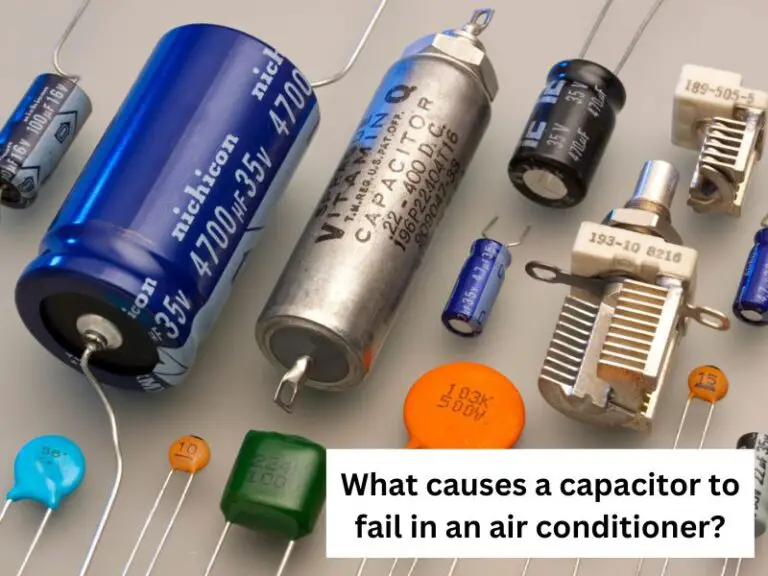
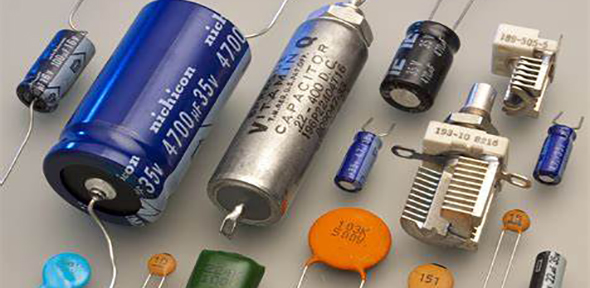
Different types of capacitors exist, each with its own advantages and disadvantages regarding size, cost, performance, and lifespan. Common types include:
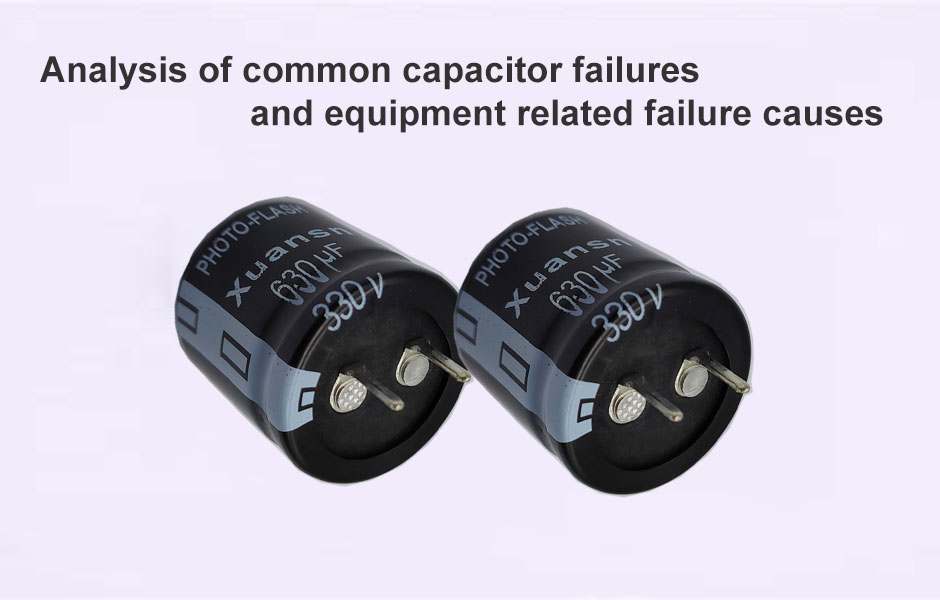
- Electrolytic Capacitors: Known for their high capacitance values in a small package, often used in power supplies and audio circuits.
- Ceramic Capacitors: Small, inexpensive, and widely used for high-frequency applications.
- Film Capacitors: Offer good stability and low losses, suitable for audio and power applications.
- Tantalum Capacitors: Provide high capacitance and reliability but can be sensitive to voltage spikes.
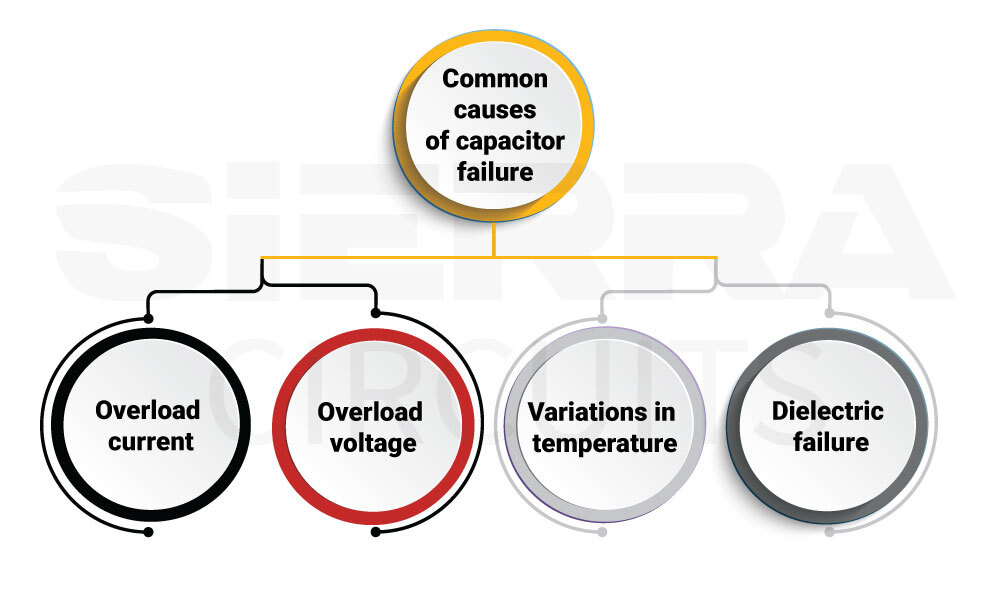
Common Causes of Capacitor Failure
Now, let's examine the factors that contribute to capacitor failure.
1. Overvoltage
Applying a voltage higher than the capacitor's rated voltage is a primary cause of failure. The dielectric material is designed to withstand a certain voltage level. Exceeding this limit can cause dielectric breakdown, creating a short circuit between the plates.
Imagine trying to fill a bucket with too much water too quickly. The bucket might overflow, or even worse, it could crack or break. Similarly, overvoltage stresses the dielectric, leading to eventual failure.
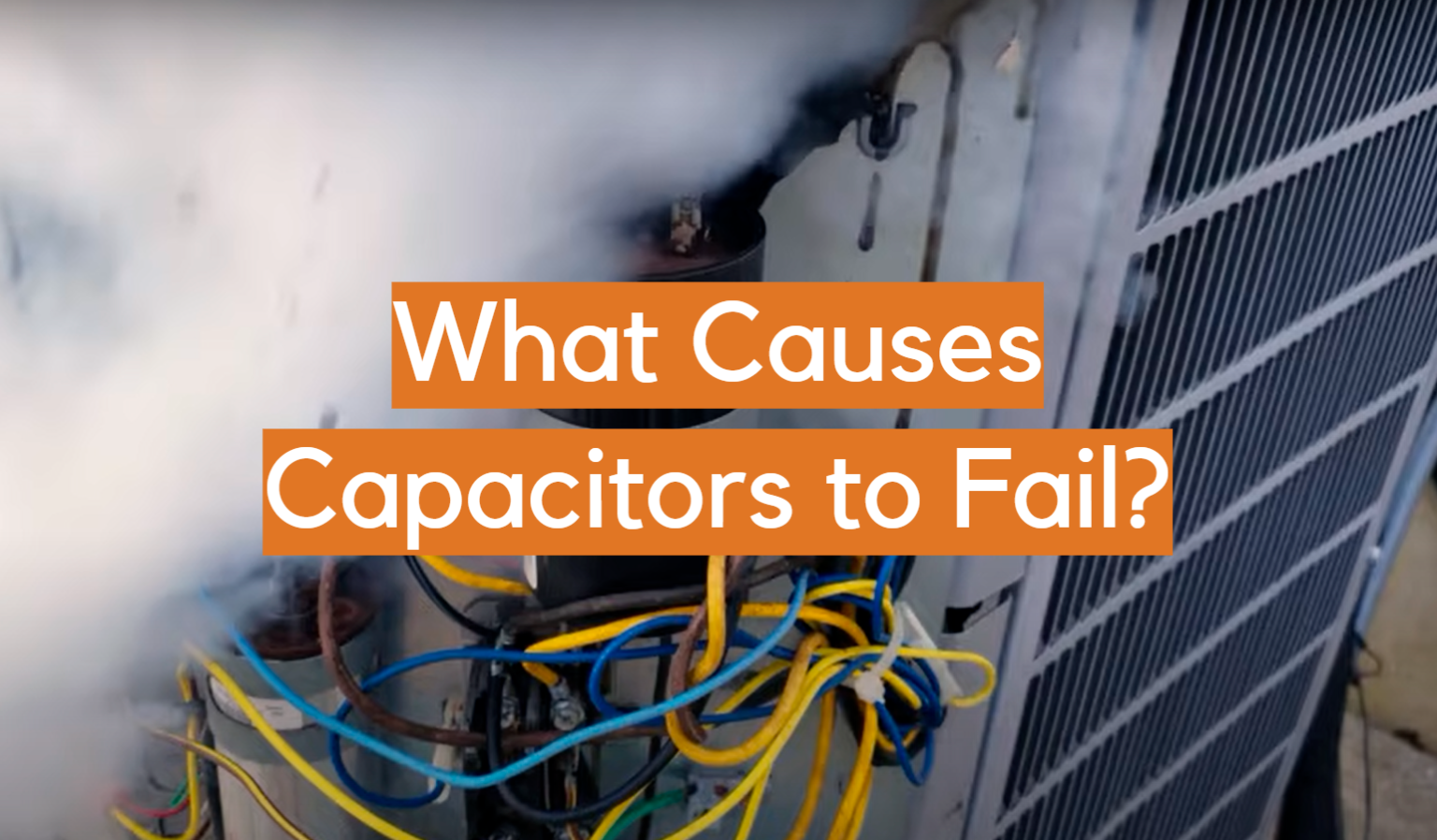
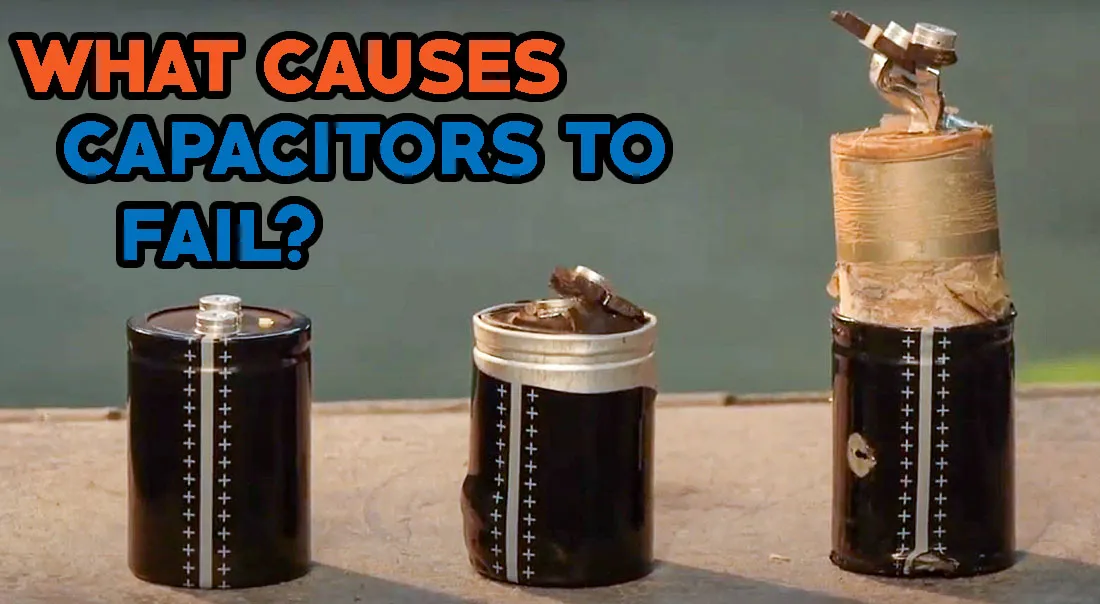
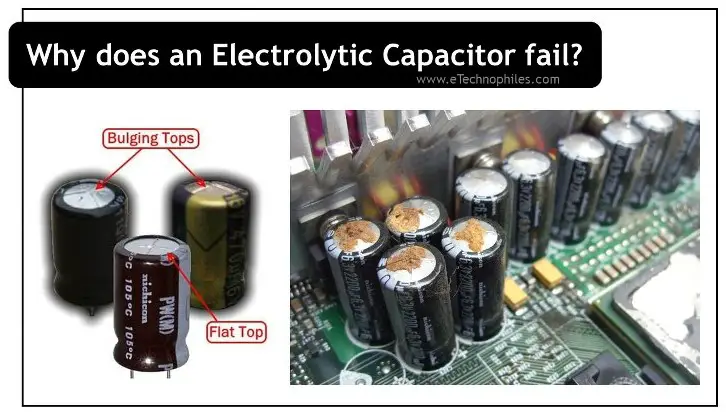
Identifying Overvoltage Damage: Look for signs of bulging, cracking, or burning on the capacitor's body. In some cases, the capacitor might explode.
2. Overcurrent
While voltage is like pressure, current is like the flow rate of water. Excessively high current flowing through a capacitor can generate excessive heat, especially in capacitors with internal resistance (ESR). This heat can damage the dielectric and lead to premature failure.
Electrolytic capacitors are particularly susceptible to overcurrent damage due to their relatively higher ESR compared to other types. High ripple current, often found in switching power supplies, can be a significant contributor to overcurrent-induced failure.
Identifying Overcurrent Damage: Similar to overvoltage, look for signs of overheating, such as discoloration, bulging, or melted casing.
3. Overtemperature
High operating temperatures significantly reduce a capacitor's lifespan. The rate of degradation accelerates with increasing temperature. This is especially true for electrolytic capacitors, where the electrolyte can evaporate over time, leading to a decrease in capacitance and an increase in ESR. Each capacitor has a maximum operating temperature specified in its datasheet. Exceeding this temperature for extended periods can cause irreversible damage.
Think of it like cooking an egg: heat makes it change permanently. Similarly, excessive heat alters the capacitor's internal structure.
Identifying Overtemperature Damage: Electrolytic capacitors may exhibit bulging or leakage. Other types might show discoloration or cracking.
4. Reverse Voltage
Polarized capacitors, such as electrolytic and tantalum capacitors, have a defined positive and negative terminal. Applying voltage in the reverse polarity can cause immediate and catastrophic failure. The dielectric can break down, leading to a short circuit and potentially an explosion.
Think of it like trying to push water through a one-way valve backwards: it won't work and could damage the valve.
Identifying Reverse Voltage Damage: Often results in visible damage, such as a bulging or ruptured casing.
5. Age and Shelf Life
Even when not in use, capacitors can degrade over time. This is especially true for electrolytic capacitors, where the electrolyte can dry out, leading to a decrease in capacitance and an increase in ESR. The rate of degradation depends on the capacitor's type, construction, and storage conditions.
Think of it like a rubber band left in the sun: it will eventually lose its elasticity and break.
Identifying Age-Related Degradation: Capacitance and ESR measurements can reveal changes in the capacitor's characteristics. There may be no visible signs of damage.
6. Moisture and Humidity
Moisture can penetrate the capacitor's casing and contaminate the dielectric material. This can lead to corrosion, increased leakage current, and a decrease in insulation resistance. Humid environments can accelerate the degradation process, especially for capacitors with inadequate sealing.
Think of it like rust on metal: moisture corrodes the internal components.
Identifying Moisture Damage: Look for signs of corrosion or discoloration on the capacitor's leads or body.
7. Mechanical Stress
Physical stress, such as vibration, shock, or bending of the leads, can damage the capacitor's internal structure and lead to failure. This is particularly relevant in applications where the capacitor is subjected to harsh environmental conditions or frequent handling.
Think of it like bending a paperclip repeatedly: it will eventually break.
Identifying Mechanical Damage: Look for signs of cracked casing, bent leads, or loose connections.
8. Manufacturing Defects
In some cases, capacitor failure can be attributed to manufacturing defects, such as impurities in the dielectric material, improper sealing, or poor electrical connections. These defects can weaken the capacitor's ability to withstand normal operating conditions and lead to premature failure.
Think of it like a product with a factory flaw: it's inherently weak and prone to failure.
Identifying Manufacturing Defects: Often difficult to identify without specialized testing equipment.
Preventing Capacitor Failure
While capacitor failure is inevitable, taking preventative measures can significantly extend their lifespan. Here are some best practices:
- Choose the Right Capacitor: Select capacitors that meet or exceed the voltage, current, and temperature requirements of the application. Consider factors like ESR, ripple current, and lifespan ratings.
- Derate Voltage and Temperature: Operate capacitors below their maximum rated voltage and temperature to improve reliability. A general rule of thumb is to derate voltage by 20% and temperature by 10-20%.
- Protect Against Overvoltage and Overcurrent: Implement protection circuits, such as fuses, transient voltage suppressors (TVS diodes), and current limiting resistors, to protect capacitors from voltage spikes and excessive current flow.
- Provide Adequate Cooling: Ensure adequate airflow or heat sinking to prevent capacitors from overheating. Avoid placing capacitors near heat-generating components.
- Proper Storage: Store capacitors in a cool, dry environment to prevent degradation during storage.
- Avoid Reverse Polarity: Carefully observe the polarity markings when installing polarized capacitors. Double-check the circuit design to ensure correct polarity.
- Regular Inspection: Periodically inspect capacitors for signs of damage, such as bulging, leaking, or discoloration. Replace any capacitors that show signs of degradation.
Conclusion
Understanding the causes of capacitor failure is crucial for designing reliable electronic circuits and troubleshooting equipment malfunctions. By considering factors like voltage, current, temperature, and environmental conditions, you can select the appropriate capacitors, implement preventative measures, and extend their lifespan, ultimately improving the overall reliability of your electronic devices. By taking proactive steps, engineers and technicians can minimize capacitor failures and ensure the longevity of their electronic systems. Remember to always consult the manufacturer's datasheet for specific recommendations and limitations regarding each capacitor type.