What Causes A Clogged Ac Drain Line

A central air conditioning system is a marvel of modern engineering, keeping us cool and comfortable during sweltering summer months. But like any complex machine, it requires regular maintenance to operate efficiently and avoid costly repairs. One of the most common, and often overlooked, issues is a clogged AC drain line. Ignoring this small component can lead to significant problems, impacting your energy bills and potentially causing water damage. Let's dive into the causes of a clogged AC drain line and how you can prevent it.
Understanding the AC Drain Line
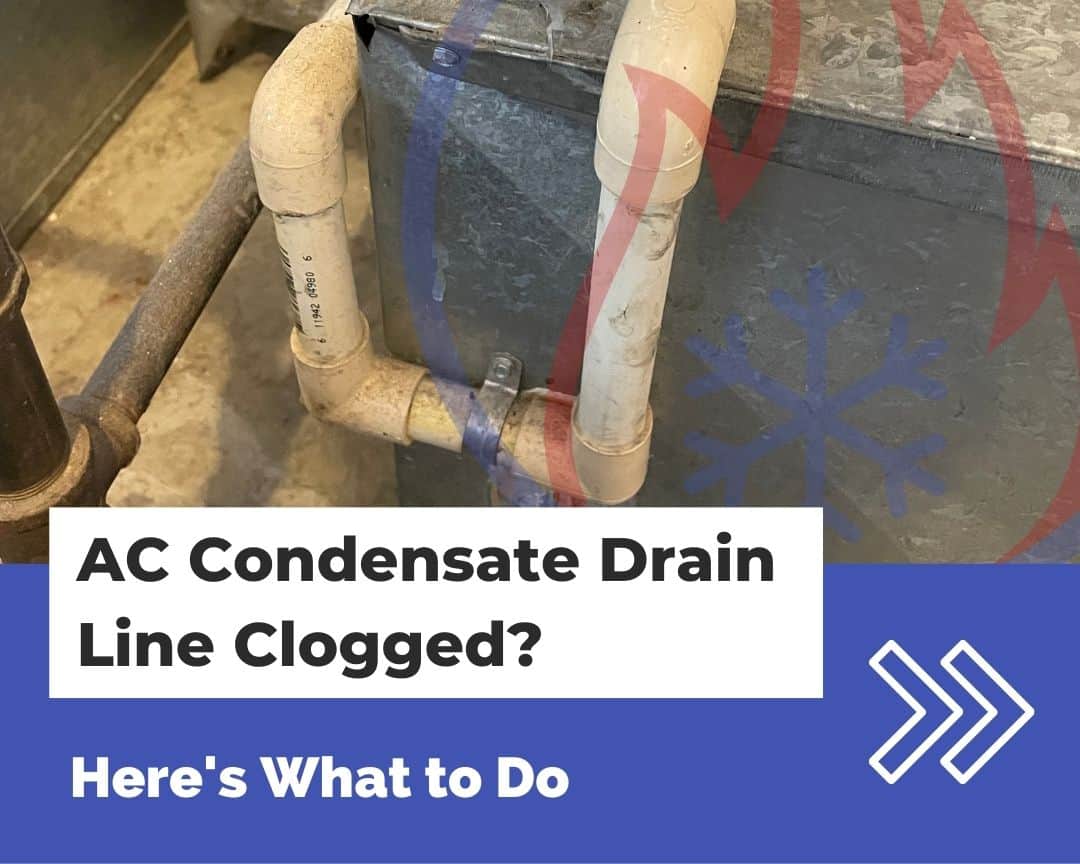
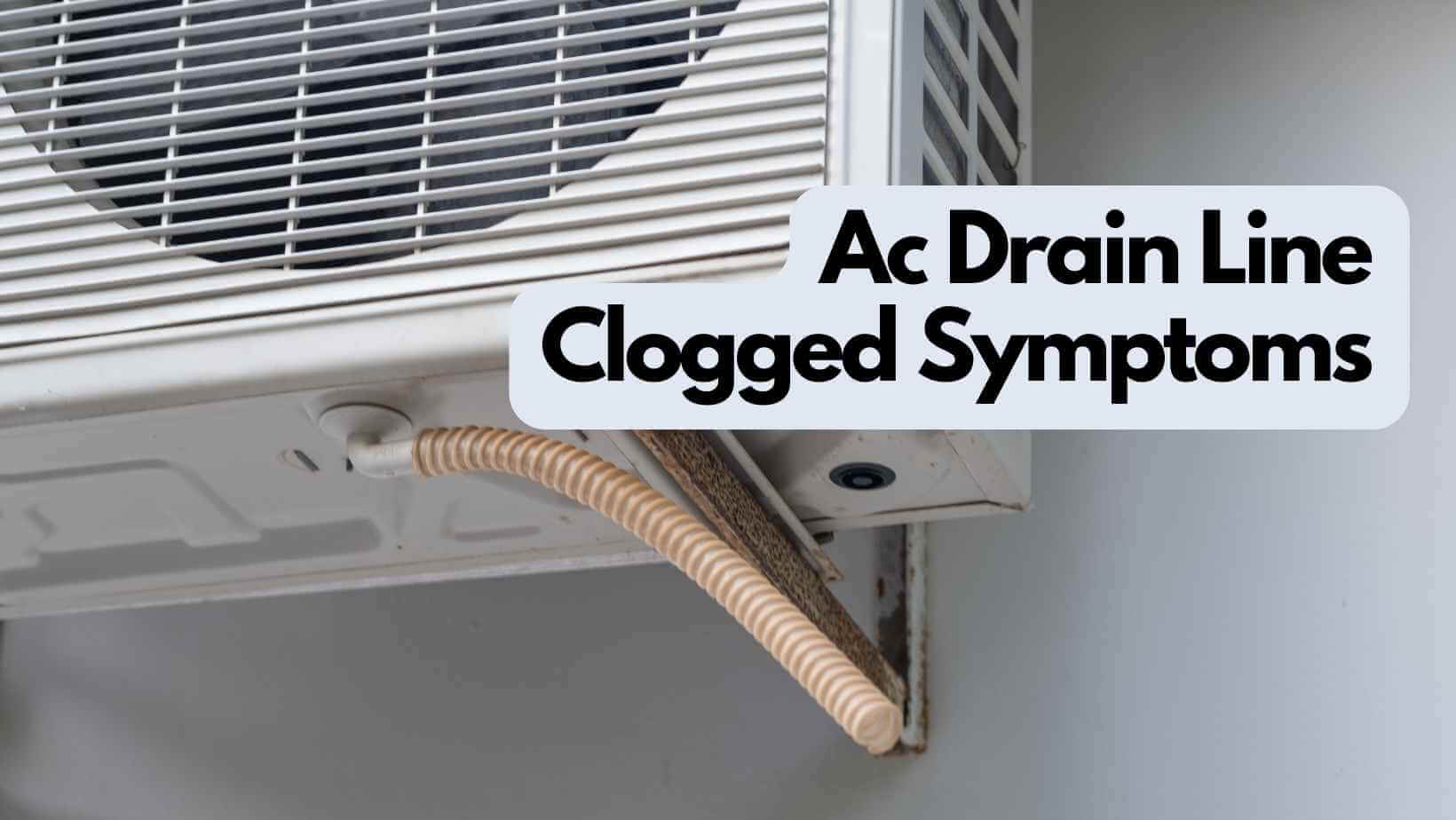
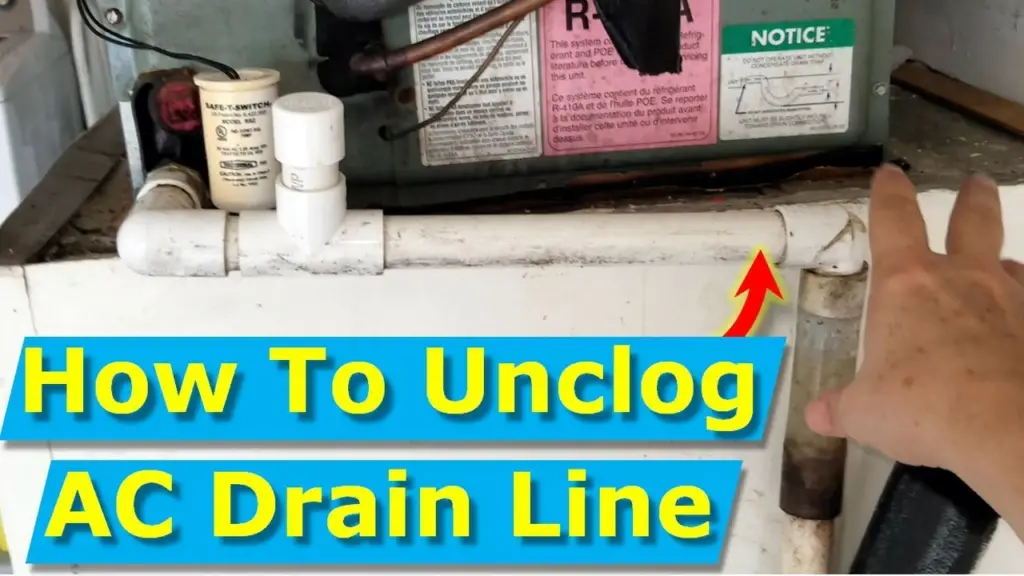
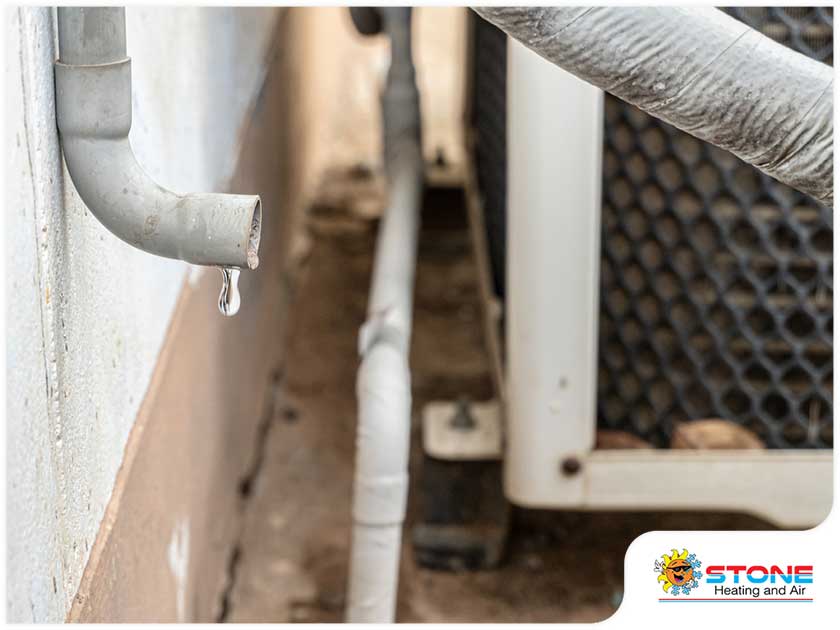
Before we explore the causes, it's crucial to understand the function of the AC drain line. As your air conditioner cools your home, it also removes moisture from the air. This moisture condenses on the evaporator coil (the cold part inside your indoor unit). The resulting water then drips into a drain pan and exits through the drain line, usually made of PVC pipe, to a safe outdoor location. Think of it like the overflow drain in your bathroom sink; it’s there to prevent water from backing up and causing damage.
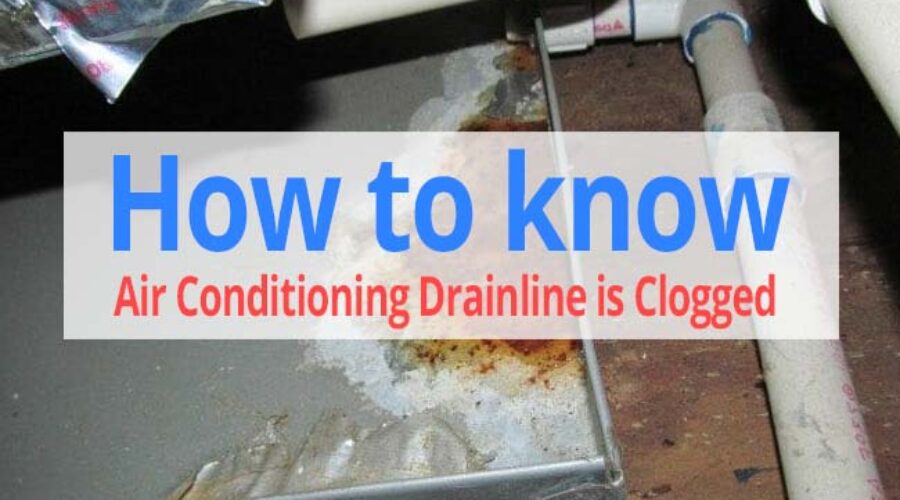
When the drain line becomes clogged, the water has nowhere to go. This leads to a buildup in the drain pan, which can eventually overflow. This overflow can cause water damage to your walls, ceilings, and floors. Beyond the immediate damage, excessive moisture can also promote mold and mildew growth, leading to health problems and further costly remediation.
Common Culprits: What Clogs the Drain?
Several factors can contribute to a clogged AC drain line. Understanding these causes is the first step toward prevention.
1. Algae and Mold Growth
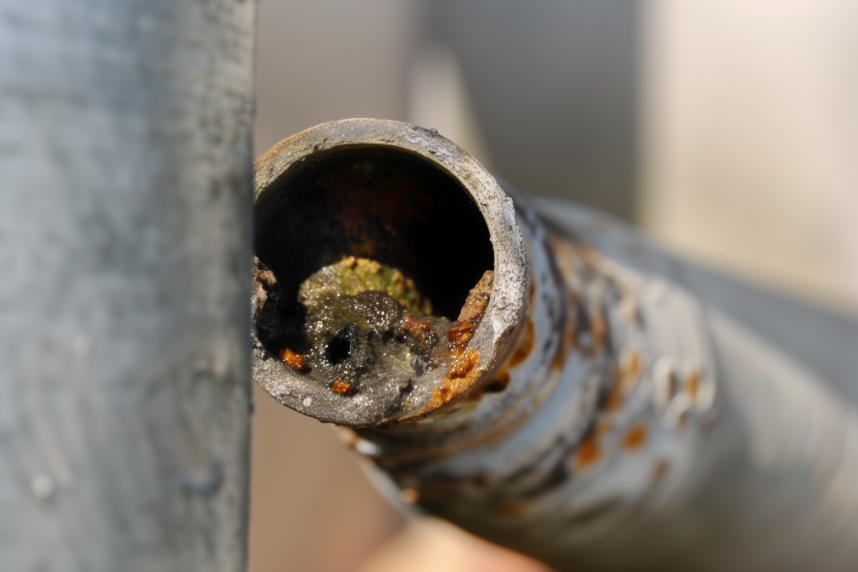
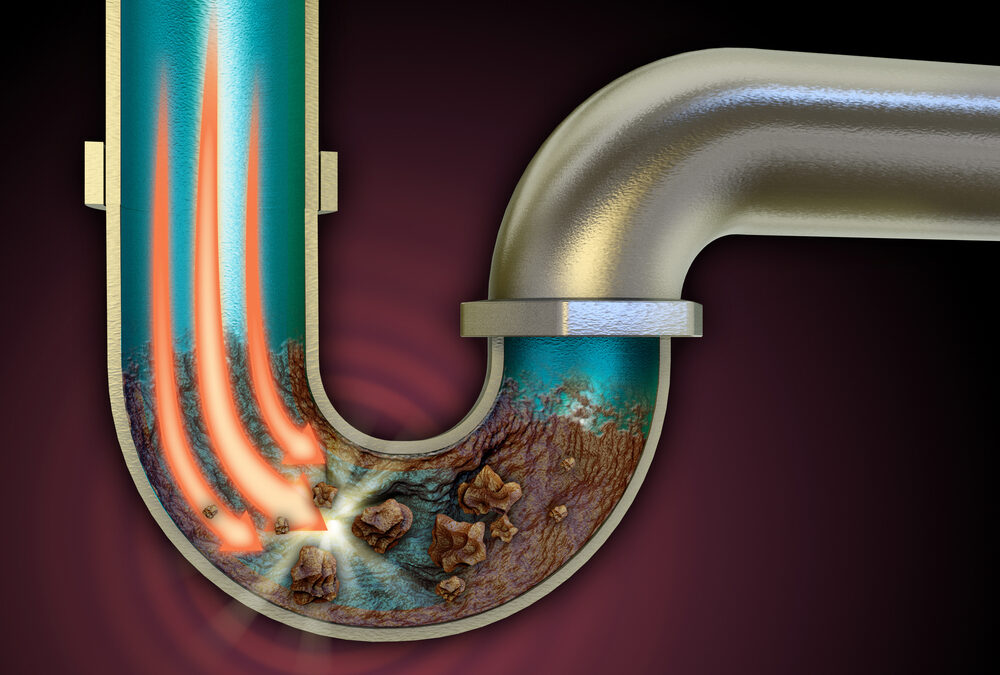
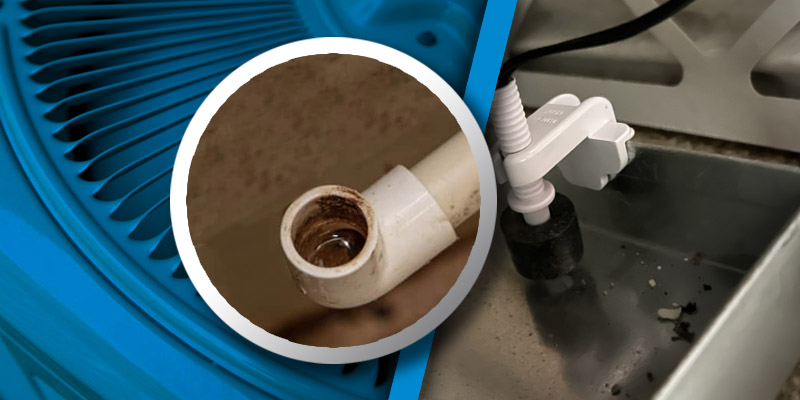
The dark, damp environment inside the drain line is a breeding ground for algae and mold. This is especially true in warmer climates with high humidity. Over time, these organisms can form a slimy buildup that restricts water flow and eventually blocks the drain line completely. Algae growth is a major contributor, particularly in humid climates.
2. Dust and Debris
Airborne dust, pollen, and pet dander can find their way into the air conditioning system. Some of this debris bypasses the air filter and accumulates on the evaporator coil. When the condensate water washes over the coil, it carries this debris into the drain pan and down the drain line. Over time, this accumulation can form a thick sludge that clogs the line.
3. Insect Infestation
Insects, particularly small ones like gnats and flies, can be attracted to the moisture and condensation around the drain line opening. They may enter the line and die, contributing to the blockage. Larger insects, like spiders, may also build webs near the opening, trapping debris and further restricting airflow. This is more common if the drain line opening is close to shrubs and other landscaping.
4. Improper Installation and Maintenance
Sometimes, the problem isn't just external factors, but the system itself. An improperly sloped drain line can cause water to pool and stagnate, encouraging algae growth and debris buildup. Furthermore, neglecting regular AC maintenance, such as cleaning the evaporator coil and drain pan, allows debris to accumulate faster and increases the likelihood of a clog. Following Energy Star recommendations for HVAC maintenance is essential.
5. Air Filter Neglect
While seemingly unrelated, a dirty air filter can significantly contribute to drain line clogs. A clogged air filter restricts airflow, causing the evaporator coil to become excessively cold. This can lead to ice formation on the coil. As the ice melts, it overwhelms the drain pan and increases the amount of water flowing through the drain line, carrying with it more debris. Regular air filter replacement is therefore crucial to overall system health.
The Energy Savings and ROI of a Clean Drain Line
Beyond preventing water damage, maintaining a clean AC drain line offers significant energy savings and a positive return on investment (ROI). Here’s how:
- Improved Efficiency: A clogged drain line can cause the evaporator coil to become waterlogged. This reduces the coil's ability to efficiently transfer heat, forcing the air conditioner to work harder to cool your home. This increased workload translates directly into higher energy consumption and higher electricity bills.
- Extended System Lifespan: When your AC system works harder, it puts additional stress on its components, shortening its lifespan. Preventing clogs helps your system operate under optimal conditions, reducing wear and tear and potentially saving you thousands of dollars on premature replacements.
- Reduced Repair Costs: Addressing a clogged drain line early on can prevent more serious and costly problems, such as water damage, mold growth, and compressor failure. Regular maintenance is far less expensive than major repairs.
- Optimized Airflow: A clean and properly functioning drain line helps maintain optimal airflow throughout the system. This ensures consistent cooling throughout your home and prevents hot spots, further enhancing energy efficiency.
According to the U.S. Department of Energy, proper HVAC maintenance can reduce energy consumption by 15% or more. Regular drain line cleaning is a key component of this maintenance.
Prevention is Key: How to Keep Your Drain Line Clear
The best way to deal with a clogged AC drain line is to prevent it from happening in the first place. Here are some proactive steps you can take:
1. Regular Drain Line Flush
The most effective preventative measure is to flush the drain line with a mixture of water and vinegar or bleach. A common method is to use a wet/dry vacuum to suck out any existing debris, followed by pouring a cup of white vinegar or diluted bleach into the drain line access point (usually near the indoor unit). Let it sit for 30 minutes to an hour, then flush with water. Repeat this process every 2-3 months.
2. Install Drain Line Tablets
Drain line tablets, available at most hardware stores, contain slow-releasing chemicals that prevent algae and mold growth. Simply place a tablet in the drain pan every few months to keep the drain line clear. Be sure to choose tablets specifically designed for AC drain lines and follow the manufacturer's instructions.
3. Regular Air Filter Replacement
As mentioned earlier, replacing your air filter regularly is crucial for overall system health and drain line maintenance. Check your filter monthly and replace it when it appears dirty. Consider upgrading to a higher-MERV filter to capture more dust and debris, especially if you have allergies or pets.
4. Professional AC Maintenance
Schedule regular professional AC maintenance with a qualified HVAC technician. A technician can thoroughly clean the evaporator coil, drain pan, and drain line, as well as inspect the system for any other potential problems. Many HVAC contractors offer annual maintenance plans that include drain line cleaning and other essential services.
5. Inspect the Drain Line Opening
Regularly inspect the exterior drain line opening for any signs of blockage, such as debris or insect nests. Clear away any obstructions to ensure proper drainage. Consider installing a screen or mesh over the opening to prevent insects from entering the line.
Smart Home Integration for Enhanced HVAC Management
Smart home technology can play a significant role in optimizing your HVAC system and preventing drain line problems. Smart thermostats, in particular, offer valuable insights into your system's performance and can help you identify potential issues early on.
- Remote Monitoring: Smart thermostats allow you to monitor your AC system's performance remotely, from anywhere with an internet connection. You can track temperature trends, energy consumption, and even receive alerts if the system is running inefficiently.
- Smart Alerts: Some smart thermostats can detect unusual operating patterns, such as prolonged run times or excessive energy consumption, which could indicate a clogged drain line or other problem. They can then send you an alert, allowing you to address the issue promptly.
- Automated Scheduling: Smart thermostats allow you to create customized cooling schedules based on your needs and occupancy patterns. This can help reduce energy consumption and prevent your AC system from overworking, which can contribute to drain line clogs.
- Integration with Smart Sensors: Integrating your smart thermostat with other smart home sensors, such as humidity sensors, can provide a more comprehensive picture of your indoor environment and help you optimize your HVAC settings for maximum efficiency and comfort.
For example, some smart humidity sensors can trigger an alert if the humidity level in your home is consistently high, which could indicate a clogged drain line or other moisture-related issue. This allows you to take action before water damage occurs.
Rebates and Incentives for Energy-Efficient HVAC Systems
Many utility companies and government agencies offer rebates and incentives for upgrading to energy-efficient HVAC systems. These incentives can significantly reduce the upfront cost of a new system and help you save money on your energy bills in the long run. Check with your local utility company and state energy office to see what rebates and incentives are available in your area. The Energy Star website also offers a wealth of information on energy-efficient HVAC systems and available rebates.
By understanding the causes of a clogged AC drain line and implementing preventative measures, you can protect your home from water damage, save money on your energy bills, and extend the lifespan of your HVAC system. Embrace regular maintenance, smart home technology, and energy-efficient upgrades to create a comfortable and sustainable living environment. Remember, a proactive approach to HVAC maintenance is an investment in your home's future.