What Causes A Frozen Evaporator Coil
Understanding Why Your Evaporator Coil is Frozen: A Homeowner's Guide
A frozen evaporator coil is a common yet frustrating problem for homeowners with central air conditioning systems. It prevents your AC from cooling your home effectively, leading to discomfort and potentially higher energy bills. Understanding the root causes of this issue is the first step in troubleshooting and resolving it. This article will guide you through the common reasons behind a frozen evaporator coil, offering practical advice and insights, along with clear guidance on when to seek professional assistance.
What is the Evaporator Coil and Why Does it Freeze?
The evaporator coil is a critical component of your air conditioning system, typically located inside your indoor air handler unit. Its job is to absorb heat from the air passing over it, cooling the air before it's circulated throughout your home. Refrigerant flows through the coil, changing from a liquid to a gas as it absorbs heat. This process requires adequate airflow and a specific refrigerant pressure to function properly.
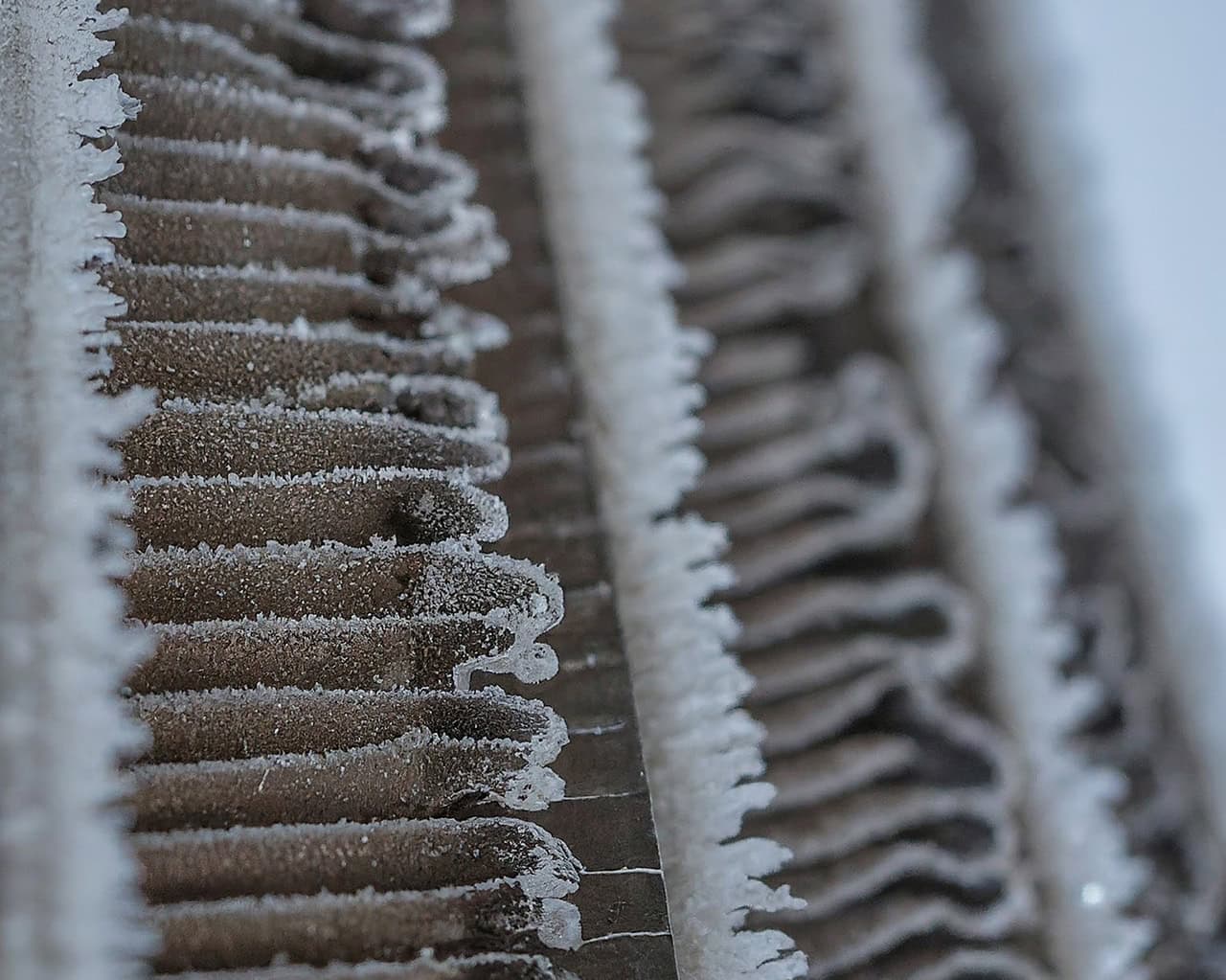
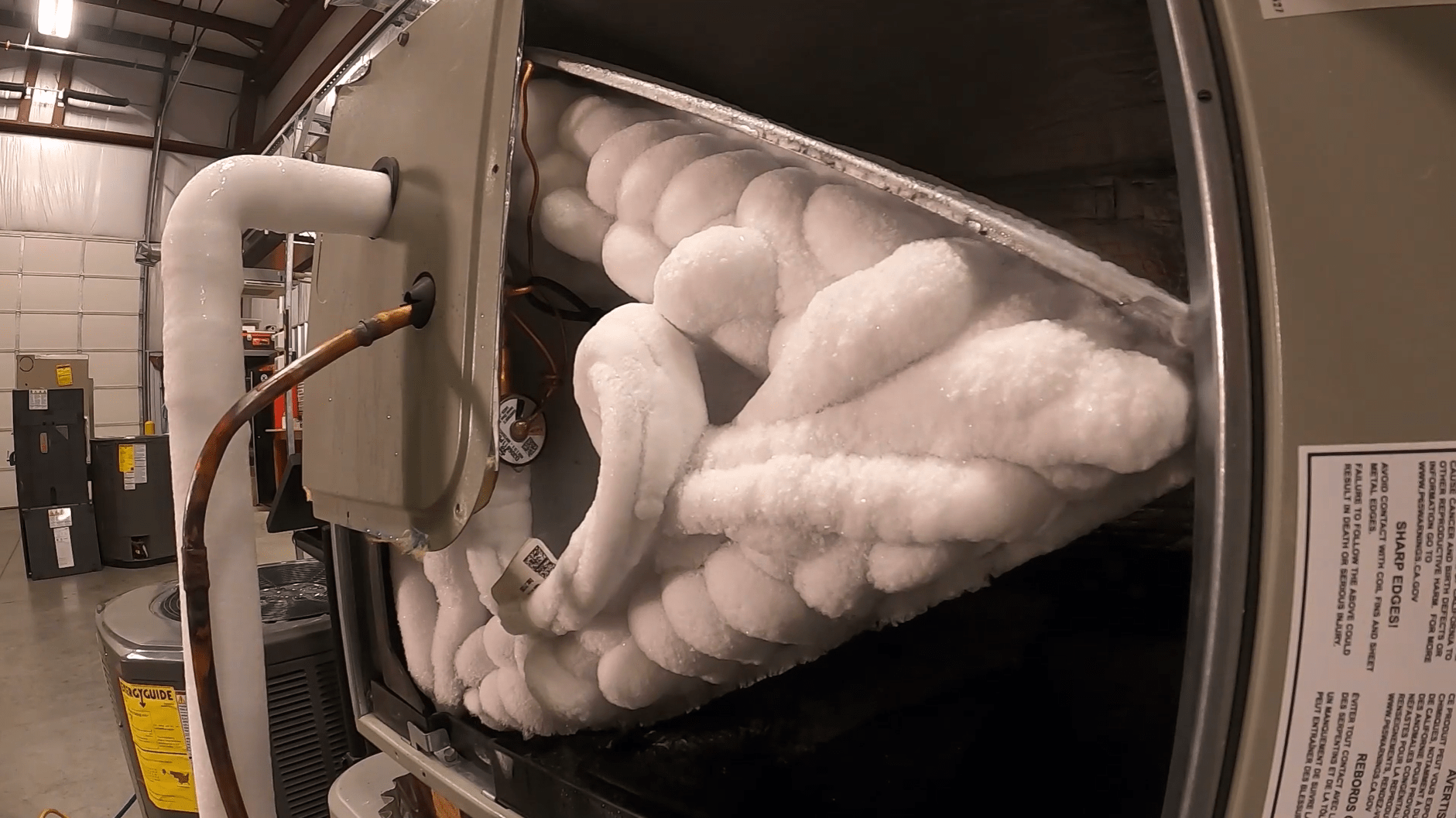
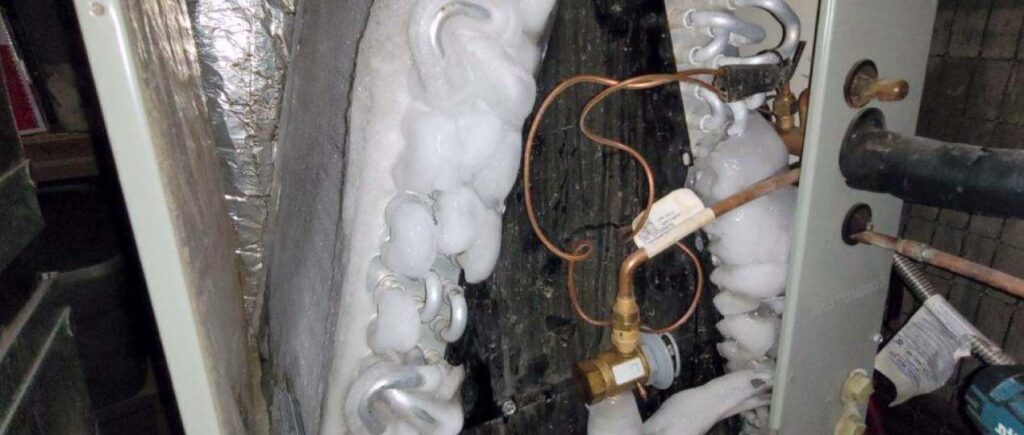
When the evaporator coil gets too cold, moisture in the air condenses and freezes on the coil's surface. This ice buildup acts as insulation, further reducing the coil's ability to absorb heat, leading to a vicious cycle where more ice forms. If left unaddressed, a completely frozen coil can severely damage your system.
Common Causes of a Frozen Evaporator Coil
Several factors can contribute to a frozen evaporator coil. Here are some of the most frequent culprits:
1. Restricted Airflow
One of the most common causes is restricted airflow across the evaporator coil. Here's why:
- Dirty Air Filter: A clogged air filter restricts airflow, reducing the amount of warm air passing over the coil. This can cause the coil to become too cold and eventually freeze. Check your air filter monthly and replace it as needed (typically every 1-3 months).
- Blocked Vents: Closed or blocked supply vents in your home can also restrict airflow throughout the system, leading to a frozen coil. Ensure all vents are open and unobstructed by furniture or other items.
- Dirty Blower Wheel: The blower wheel circulates air through the system. A dirty blower wheel reduces airflow, contributing to coil freezing. Cleaning the blower wheel is a more advanced DIY task; consider professional cleaning if you're not comfortable with this process.
- Ductwork Issues: Collapsed or severely damaged ductwork can significantly restrict airflow, leading to coil freezing. Inspect visible ductwork for damage.
2. Low Refrigerant Levels
Refrigerant is essential for the cooling process. Low refrigerant levels can cause the evaporator coil to become excessively cold. This is often due to a leak in the refrigerant lines.
- Refrigerant Leaks: Leaks are a common cause of low refrigerant. You may notice a hissing sound or oily residue near refrigerant lines. Refrigerant leaks require professional repair; handling refrigerant yourself is illegal and dangerous.
- Improper Refrigerant Charge: If your system was recently serviced and the refrigerant was not charged correctly, it could lead to coil freezing.
3. Mechanical Issues
Certain mechanical failures can also lead to a frozen evaporator coil.
- Faulty Blower Motor: A malfunctioning blower motor can reduce airflow, leading to coil freezing. If the blower motor isn't running at the correct speed, it may not be circulating enough air.
- Stuck Contactor: A stuck contactor can cause the compressor to run continuously, overcooling the evaporator coil and leading to freezing.
- Thermostat Problems: A malfunctioning thermostat could be sending incorrect signals to the AC unit, causing it to run constantly.
4. Low Ambient Temperatures
Running your air conditioner when outdoor temperatures are too low (below 60°F) can cause the evaporator coil to freeze. Most AC units are not designed to operate efficiently in such conditions.
- Running AC in Cold Weather: Avoid running your AC when outdoor temperatures are very low.
Troubleshooting a Frozen Evaporator Coil: A Step-by-Step Guide
Here's a systematic approach to troubleshooting a frozen evaporator coil:
- Turn off the AC: Immediately turn off your air conditioning system to allow the ice to melt. This will prevent further damage to the system. Set the thermostat to "Off" or "Fan Only."
- Inspect the Air Filter: Remove the air filter and check its condition. If it's dirty, replace it with a clean one.
- Check for Blocked Vents: Ensure all supply vents are open and unobstructed.
- Allow the Coil to Thaw: Let the evaporator coil thaw completely. This may take several hours or even overnight. You can use a fan to speed up the thawing process, but avoid using a hairdryer or other heat source, as this could damage the coil.
- Run the Fan: Once the coil is thawed, turn the thermostat to "Fan Only" to circulate air and help dry the coil. Run the fan for several hours.
- Restart the AC: After the coil is completely thawed and dried, turn the AC back on and monitor its performance.
Preventing Future Freezing
Preventing a frozen evaporator coil is much easier than dealing with the problem. Here are some proactive measures you can take:
- Regular Air Filter Replacement: Replace your air filter every 1-3 months, depending on usage and the type of filter.
- Annual HVAC Maintenance: Schedule annual maintenance with a qualified HVAC technician. They can inspect and clean your system, check refrigerant levels, and identify potential problems before they escalate.
- Keep Vents Clear: Ensure all supply and return vents are free from obstructions.
- Monitor System Performance: Pay attention to how your AC is performing. If you notice reduced airflow, unusual noises, or inconsistent cooling, address the issue promptly.
When to Call a Professional
While some issues, like a dirty air filter, are easy to address yourself, other causes of a frozen evaporator coil require professional attention. Call a qualified HVAC technician if:
- You suspect a refrigerant leak: Refrigerant leaks are hazardous and require specialized equipment to repair.
- You are uncomfortable working with electrical components: HVAC systems involve electrical components, and improper handling can be dangerous.
- The problem persists after thawing the coil and replacing the air filter: This indicates a more serious underlying issue.
- You suspect a faulty blower motor or other mechanical issue: Diagnosing and repairing mechanical issues requires specialized knowledge and tools.
DIY Tools & Parts
Here's a list of tools and parts you might need for basic troubleshooting (remember, always prioritize safety!):
Tools:
- Screwdrivers (various sizes)
- Wrench set
- Vacuum cleaner with hose attachments
- Flashlight
- Multimeter (for advanced users)
Parts:
- Replacement air filters
- Refrigerant leak detector (for experienced users)
- Electrical contact cleaner (use with caution)
Estimated Repair Costs
Repair costs for a frozen evaporator coil can vary widely depending on the cause and the extent of the damage. Here's a general idea:
- Air Filter Replacement: $10 - $30 (DIY)
- Refrigerant Recharge: $200 - $500 (Professional)
- Refrigerant Leak Repair: $300 - $1500+ (Professional)
- Blower Motor Replacement: $300 - $800 (Professional)
- Evaporator Coil Replacement: $800 - $2500+ (Professional)
Note: These are just estimates. Get a detailed quote from a qualified HVAC technician for accurate pricing.
Safety First!
Working with HVAC systems can be dangerous. Always follow these safety precautions:
- Turn off the power: Before working on any electrical components, turn off the power to the AC unit at the circuit breaker.
- Wear safety glasses and gloves: Protect your eyes and hands from debris and potential hazards.
- Never handle refrigerant: Refrigerant is a hazardous substance. Only qualified technicians should handle it.
- If in doubt, call a professional: Don't attempt repairs you're not comfortable with.
Conclusion
A frozen evaporator coil is a common problem that can be caused by several factors. By understanding these causes and following the troubleshooting steps outlined in this guide, you can often resolve the issue yourself. However, it's important to know when to call a professional for help. Regular maintenance and proactive care can help prevent future problems and keep your AC system running efficiently for years to come.