What Causes Blue Flames In A Wood Fire

Unlocking the Mystery: Understanding Blue Flames in a Wood Fire
For HVAC professionals and aspiring technicians, understanding combustion processes is crucial. While we primarily deal with gas and oil-fired systems, understanding the fundamentals of combustion, even in seemingly unrelated areas like wood fires, provides a valuable foundation. Have you ever noticed vibrant blue flames dancing at the base of a wood fire and wondered what causes this phenomenon? It's not magic; it's chemistry!
The Science Behind the Blue
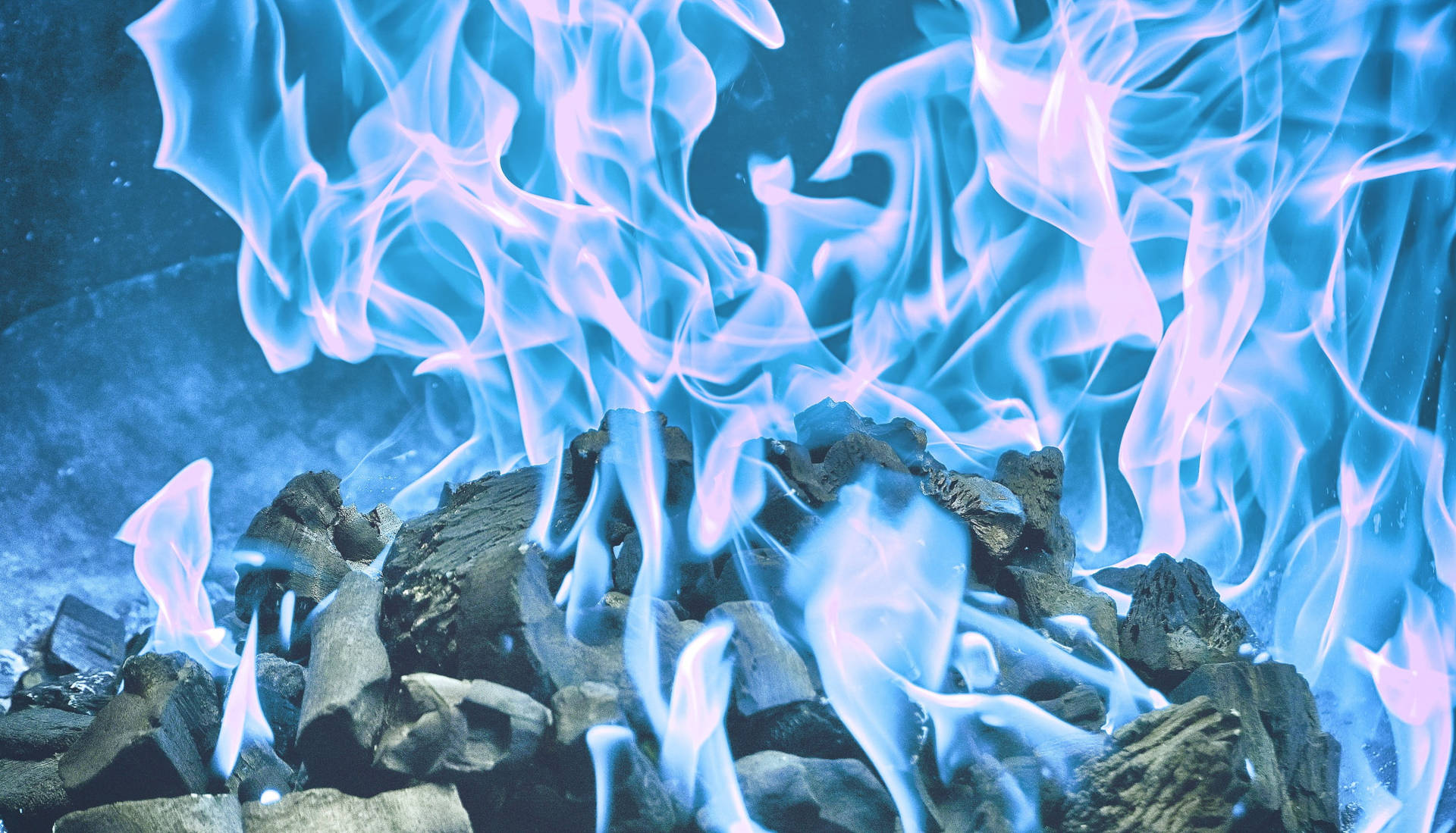
The blue flames you see in a wood fire aren't necessarily indicative of anything wrong. In fact, they often signify efficient combustion. They arise due to the presence of certain gases, primarily carbon monoxide (CO), in the combustion zone. Here's the breakdown:
- Carbon Monoxide (CO): When wood burns, it doesn't immediately combust completely to carbon dioxide (CO2). In the initial stages, incomplete combustion produces carbon monoxide.
- Excited Molecules: When CO molecules reach high temperatures, they become excited. Upon returning to their normal energy state, they release energy in the form of light.
- Wavelength and Color: The wavelength of the light emitted by these excited CO molecules falls within the blue spectrum. This is why we perceive the flames as blue.
- Hydrocarbons: Other hydrocarbon gases released during wood combustion can also contribute to blue flames. These gases, like methane, also undergo similar excitation and emission processes.
Think of it like this: the blue flames are a visible sign of the volatile gases released from the wood burning at a very high temperature. Factors that contribute to this include the type of wood, its dryness (moisture content), and the amount of oxygen available. Drier wood burns hotter and produces more of these gases, resulting in more prominent blue flames.
Factors Influencing Blue Flame Appearance
While the presence of CO is the primary driver, several factors influence the visibility and intensity of the blue flames:
- Wood Type: Hardwoods like oak and maple tend to produce more prominent blue flames than softwoods like pine. This is because hardwoods contain a higher density of volatile compounds.
- Moisture Content: Dry wood burns more efficiently and hotter, leading to increased gas production and more visible blue flames. Wood that's too wet will smolder and produce less efficient combustion, resulting in fewer blue flames.
- Airflow: Ample airflow ensures that the volatile gases have enough oxygen to burn completely. Insufficient airflow leads to smoky conditions and less efficient combustion, diminishing the blue flame effect.
- Temperature: Higher temperatures promote more complete combustion and greater excitation of CO molecules, resulting in brighter and more visible blue flames.
Safety Considerations: Carbon Monoxide Awareness
While blue flames themselves aren't inherently dangerous, the presence of carbon monoxide is a serious safety concern. CO is a colorless, odorless, and tasteless gas that can be deadly. Proper ventilation is crucial when burning wood indoors to prevent CO buildup.
Important Safety Tip: Always install and maintain carbon monoxide detectors in your home, especially if you use wood-burning stoves or fireplaces. Regular maintenance of these appliances is also critical to ensure safe operation.
Relevance to HVAC Professionals
You might be thinking, "What does this have to do with HVAC?" The principles of combustion are universal. Understanding how different fuels burn, the role of oxygen, and the byproducts produced is fundamental to the design, installation, and maintenance of heating systems. Here's how this knowledge applies to your career:
- Combustion Analysis: HVAC technicians routinely perform combustion analysis on furnaces and boilers to ensure they are operating efficiently and safely. Understanding the ideal air-fuel ratio and the presence of gases like CO is crucial for this process.
- Troubleshooting: Knowledge of combustion principles helps diagnose problems with heating systems. For example, a high CO reading could indicate a blocked flue or a malfunctioning burner.
- System Design: When designing ventilation systems, understanding how combustion byproducts are generated and need to be exhausted is essential for ensuring indoor air quality and safety.
- Energy Efficiency: Efficient combustion minimizes fuel consumption and reduces emissions. HVAC professionals play a crucial role in optimizing combustion processes to improve energy efficiency.
Career Paths and Certifications
The HVAC industry offers a wide range of career paths, from installation and maintenance to design and engineering. Here are a few examples:
- HVAC Technician: Installs, maintains, and repairs heating, ventilation, and air conditioning systems. The median annual salary for HVAC technicians in the United States is around $50,590, according to the Bureau of Labor Statistics (BLS). The job outlook is projected to grow 6% from 2022 to 2032, about as fast as the average for all occupations.
- HVAC Installer: Focuses on the installation of new HVAC systems. Strong mechanical skills and knowledge of building codes are essential.
- HVAC Service Manager: Oversees a team of technicians and manages service operations. Requires strong leadership and communication skills.
- HVAC Design Engineer: Designs HVAC systems for residential, commercial, and industrial buildings. Requires a bachelor's degree in mechanical engineering and a strong understanding of thermodynamics and fluid mechanics.
To advance your career in HVAC, consider pursuing certifications such as:
- NATE (North American Technician Excellence): Demonstrates competency in HVAC service and installation. NATE certification is widely recognized and respected in the industry.
- EPA Section 608 Certification: Required for technicians who handle refrigerants. This certification ensures that technicians understand and comply with environmental regulations related to refrigerant handling.
- HVAC Excellence: Offers a variety of certifications for different HVAC specialties.
These certifications not only enhance your skills and knowledge but also increase your earning potential and make you more attractive to employers. Experienced technicians with certifications often command higher salaries and have more opportunities for advancement.
The Future of HVAC: Sustainability and Efficiency
The HVAC industry is constantly evolving, with a growing focus on sustainability and energy efficiency. New technologies and regulations are driving the development of more efficient and environmentally friendly heating and cooling systems. This includes:
- High-Efficiency Furnaces and Boilers: These systems utilize advanced combustion technologies to minimize fuel consumption and reduce emissions.
- Heat Pumps: Heat pumps are becoming increasingly popular as a sustainable alternative to traditional heating and cooling systems.
- Smart Thermostats: Smart thermostats allow homeowners to remotely control their HVAC systems and optimize energy usage.
- Renewable Energy Integration: Integrating HVAC systems with renewable energy sources like solar power is becoming more common.
As an HVAC professional, staying up-to-date with these trends is essential for your career success. Continuous learning and professional development are key to staying competitive in this dynamic industry.
Real-World Example: From Apprentice to Master Technician
Consider the story of Sarah, who started her career as an HVAC apprentice. She diligently learned the fundamentals of HVAC systems, including the principles of combustion. She pursued NATE certification and EPA 608 certification to enhance her skills and knowledge. Through hard work and dedication, Sarah progressed from an apprentice to a journey person and eventually to a master technician. She now runs her own HVAC company, providing expert service and installation to residential and commercial clients. Sarah's success story demonstrates the potential for career growth in the HVAC industry.
Conclusion: Embrace the Knowledge
The next time you see blue flames in a wood fire, remember the science behind it and how it connects to the broader principles of combustion. As an HVAC professional, understanding these fundamentals is crucial for providing safe, efficient, and sustainable heating and cooling solutions. Embrace the knowledge, pursue certifications, and stay up-to-date with industry trends to unlock your full potential in this rewarding career.
By understanding the science behind seemingly simple phenomena like blue flames in a wood fire, you'll be better equipped to tackle complex challenges in the HVAC field and provide valuable service to your clients. The HVAC industry is constantly evolving, and a strong foundation in fundamental principles is essential for long-term success.