What Causes Co2 In A House
Understanding CO2 Levels in Your Home: A Comprehensive Guide
Maintaining healthy indoor air quality is crucial for the well-being of your family and the longevity of your home. One key indicator of indoor air quality is the level of carbon dioxide (CO2). While CO2 is a natural component of the air we breathe, elevated levels inside your home can lead to discomfort and, in some cases, health problems. This article explores the causes of high CO2 levels in residential spaces and provides actionable steps for mitigation.
What is CO2 and Why is it Important?
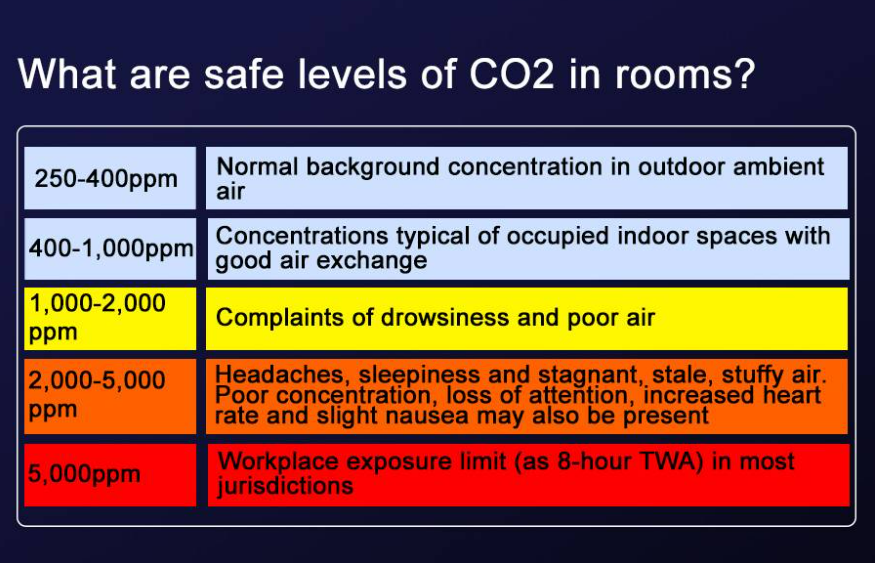
CO2 is a colorless, odorless gas produced by the respiration of living organisms, including humans and pets. It's also a byproduct of combustion processes, such as burning fuel for heating or cooking. In outdoor air, CO2 levels are typically around 400 parts per million (ppm). Inside homes, however, these levels can rise significantly due to various factors.
While low levels of CO2 are generally harmless, prolonged exposure to high concentrations can lead to various symptoms, including:
- Headaches
- Fatigue
- Dizziness
- Difficulty concentrating
- Increased heart rate
- Shortness of breath
Furthermore, consistently high CO2 levels can indicate inadequate ventilation, potentially leading to the buildup of other indoor air pollutants like volatile organic compounds (VOCs) and mold spores.
Common Causes of Elevated CO2 Levels in Homes
Several factors can contribute to increased CO2 concentrations in your home. Understanding these causes is the first step in addressing the issue.
Human Respiration
The most common source of CO2 in a house is simply the respiration of its occupants. Every time we breathe, we exhale CO2. The more people (and pets) living in a home, the more CO2 is produced. This is especially noticeable in smaller spaces with poor ventilation.
Combustion Appliances
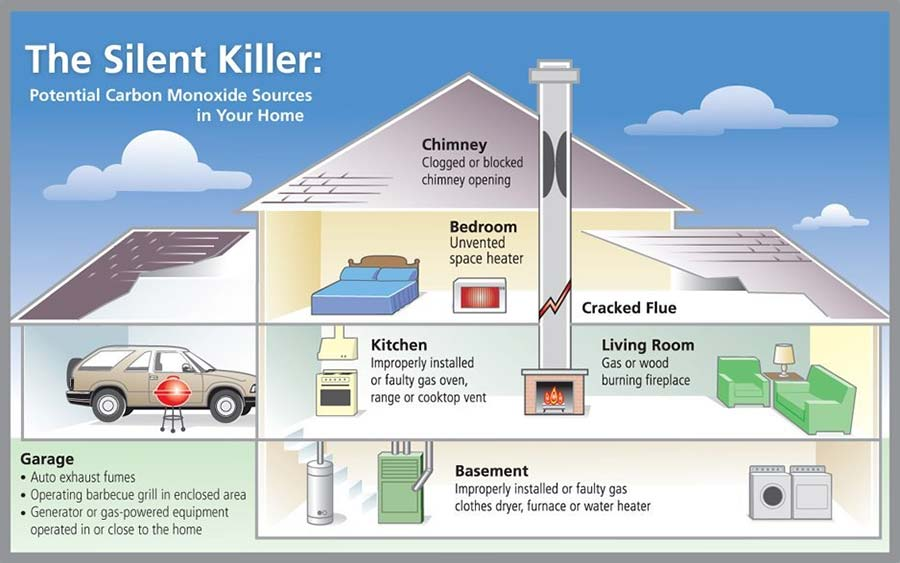
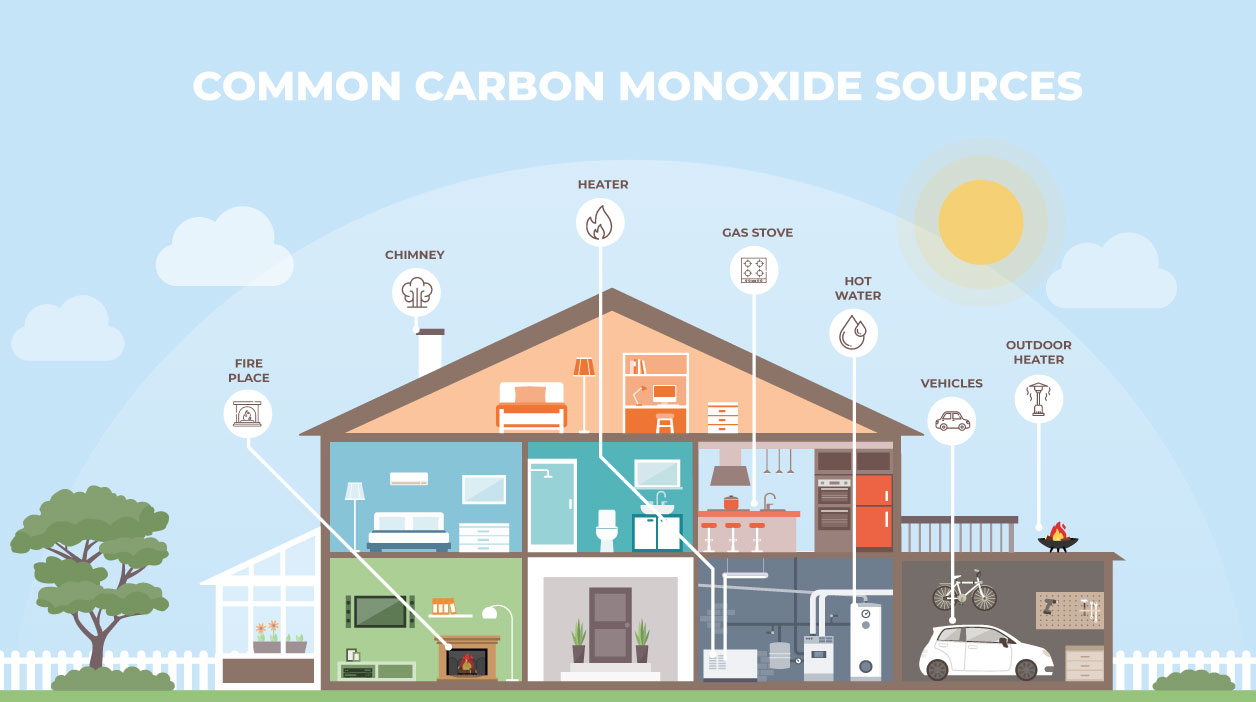
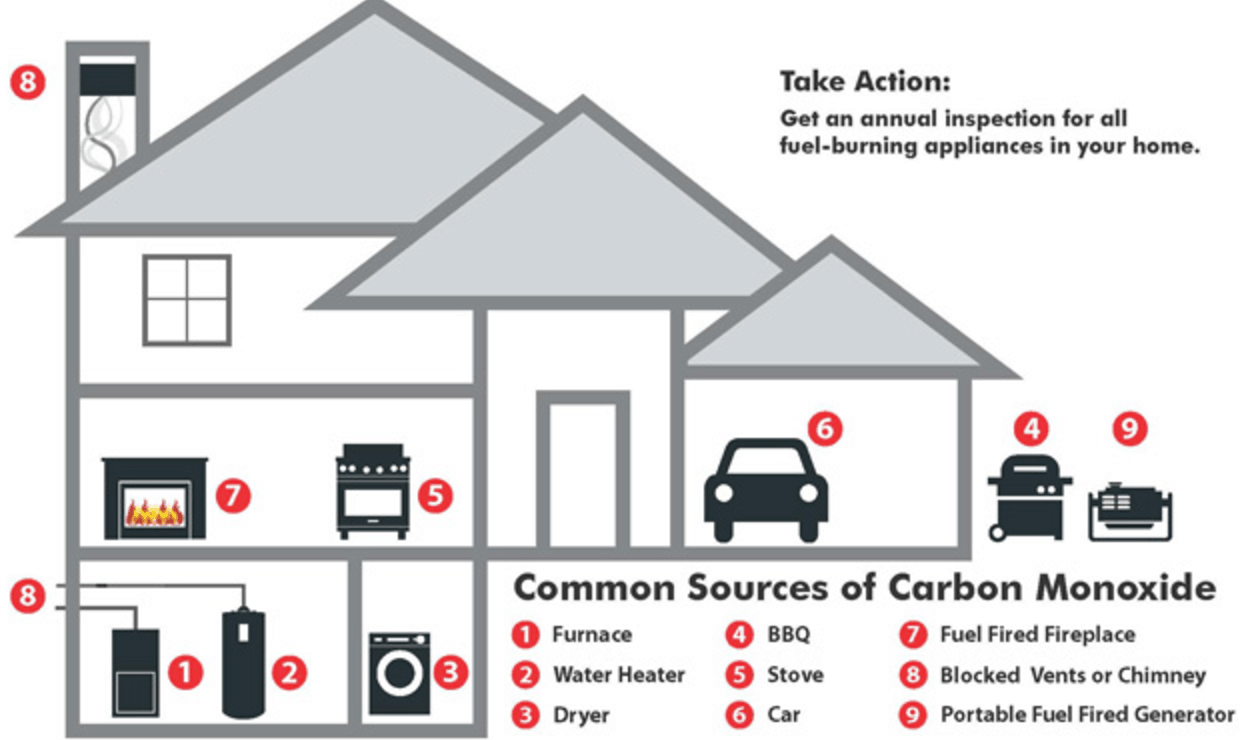
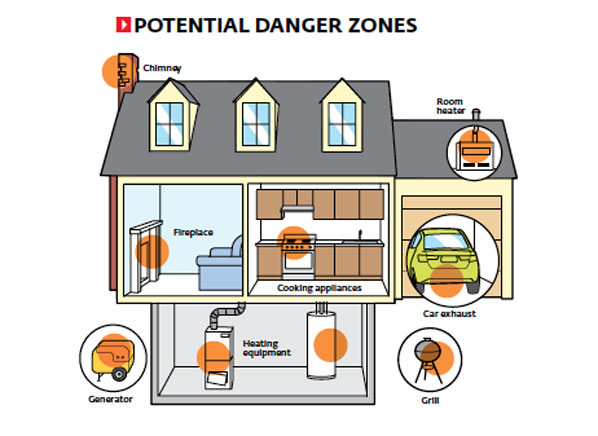
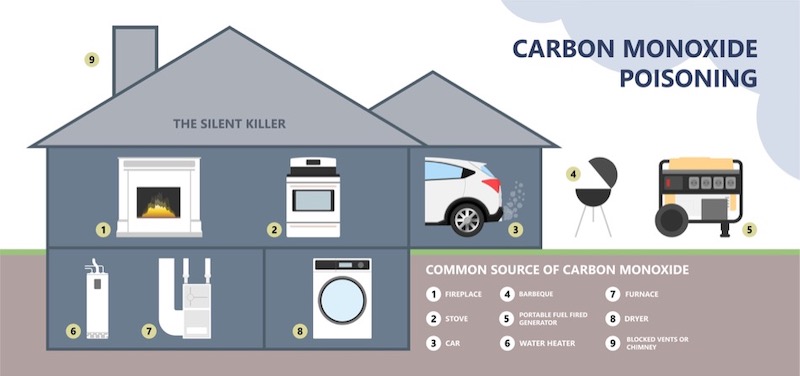
Appliances that burn fuel, such as furnaces, stoves, fireplaces, and water heaters, produce CO2 as a byproduct of combustion. Proper ventilation is critical when using these appliances to ensure that CO2 is vented safely to the outside. Malfunctioning or improperly installed appliances can leak CO2 (and even more dangerous gases like carbon monoxide) into the living space.
When evaluating furnaces, consider their AFUE (Annual Fuel Utilization Efficiency) rating. A higher AFUE indicates a more efficient furnace, which can translate to lower fuel consumption and potentially less CO2 production, assuming other factors remain equal. Brands like Carrier and Lennox are known for their high-efficiency models.
Inadequate Ventilation
A lack of proper ventilation is a significant contributor to high CO2 levels. Homes built with energy efficiency in mind are often tightly sealed, which can restrict the natural exchange of air between the inside and outside. While this helps conserve energy, it also traps pollutants, including CO2, indoors. Opening windows and using exhaust fans can improve ventilation, but mechanical ventilation systems, such as heat recovery ventilators (HRVs) or energy recovery ventilators (ERVs), offer a more consistent and controlled solution.
Indoor Activities
Certain indoor activities can temporarily increase CO2 levels. These include:
- Cooking: Especially gas stoves
- Exercising: Increases respiration rate
- Gatherings: More people breathing in a confined space
- Burning candles or incense
Other Sources
Less common, but still potential, sources of CO2 include:
- Soil gas intrusion: CO2 can seep into homes from the ground, particularly in areas with high concentrations of organic matter in the soil.
- Industrial activities: Nearby industrial plants can release CO2 into the atmosphere, which can then enter homes through ventilation systems.
Identifying and Addressing High CO2 Levels
The best way to determine the CO2 level in your home is to use a CO2 monitor. These devices are readily available online and at home improvement stores. Look for a monitor that displays real-time CO2 levels in ppm and provides alerts when levels exceed recommended thresholds.
Recommended CO2 Levels
Generally, CO2 levels below 1,000 ppm are considered acceptable. Levels between 1,000 and 2,000 ppm may indicate inadequate ventilation and can cause drowsiness. Levels above 2,000 ppm can lead to more significant health problems.
Steps to Reduce CO2 Levels
- Improve Ventilation: The most effective way to reduce CO2 levels is to increase ventilation. Open windows and doors regularly, especially when cooking or exercising. Use exhaust fans in bathrooms and kitchens to remove moisture and pollutants.
- Install a Mechanical Ventilation System: Consider installing an HRV or ERV system. These systems bring fresh air into the home while exhausting stale air, without significantly impacting energy efficiency. ERVs also help regulate humidity.
- Service Combustion Appliances: Have your furnace, water heater, and other combustion appliances inspected and serviced regularly by a qualified technician. This will ensure they are operating safely and efficiently. Look for technicians certified by organizations like NATE (North American Technician Excellence).
- Consider Electric Alternatives: If possible, replace gas appliances with electric alternatives. Electric stoves, water heaters, and furnaces don't produce CO2 directly inside the home. Heat pumps are particularly energy-efficient options for heating and cooling.
- Monitor CO2 Levels: Use a CO2 monitor to track your indoor air quality and ensure that CO2 levels remain within acceptable limits.
- Address Soil Gas Intrusion: If you suspect soil gas intrusion, consult with a professional to assess the situation and implement mitigation measures, such as sealing cracks in the foundation or installing a sub-slab depressurization system.
HVAC Systems and CO2 Reduction
While HVAC systems primarily focus on temperature control, they also play a role in managing indoor air quality, including CO2 levels.
Heat Pumps
Heat pumps are an increasingly popular alternative to traditional furnaces and air conditioners. They use electricity to transfer heat, rather than burning fuel, so they don't directly produce CO2 inside the home. Heat pumps also offer excellent energy efficiency, as indicated by their SEER (Seasonal Energy Efficiency Ratio) and HSPF (Heating Seasonal Performance Factor) ratings. Look for models with high SEER and HSPF ratings for optimal energy savings. Popular brands include Mitsubishi Electric and Daikin. These models are often ductless, offering a flexibility that reduces installation costs. Remember to consider your local climate conditions when choosing a heat pump.
Air Exchangers (HRVs & ERVs)
As mentioned earlier, HRVs and ERVs are dedicated ventilation systems that can significantly improve indoor air quality. HRVs transfer heat between incoming fresh air and outgoing stale air, while ERVs also transfer moisture. This helps maintain comfortable humidity levels and reduces energy loss. RenewAire and Lifebreath are reputable manufacturers of air exchangers. The choice between an HRV and ERV depends on your climate; ERVs are generally better suited for humid climates.
Air Purifiers
While air purifiers primarily target particulate matter and other airborne pollutants, some models can also help reduce CO2 levels. Look for purifiers with activated carbon filters, which can absorb CO2. However, it's important to note that air purifiers are not a substitute for proper ventilation.
Warranties and Maintenance
When investing in new HVAC equipment, pay close attention to the warranty terms. Most manufacturers offer warranties on parts and labor, typically ranging from 5 to 10 years. Regular maintenance is crucial for maintaining the efficiency and longevity of your HVAC system. Schedule annual inspections and tune-ups with a qualified technician. This will help identify and address any potential problems before they escalate.
Conclusion
Maintaining healthy CO2 levels in your home is essential for your comfort and well-being. By understanding the causes of elevated CO2 and implementing the strategies outlined in this article, you can create a healthier and more comfortable living environment. Prioritize ventilation, service your combustion appliances, and consider upgrading to more efficient HVAC systems to reduce your CO2 footprint and improve your indoor air quality.